
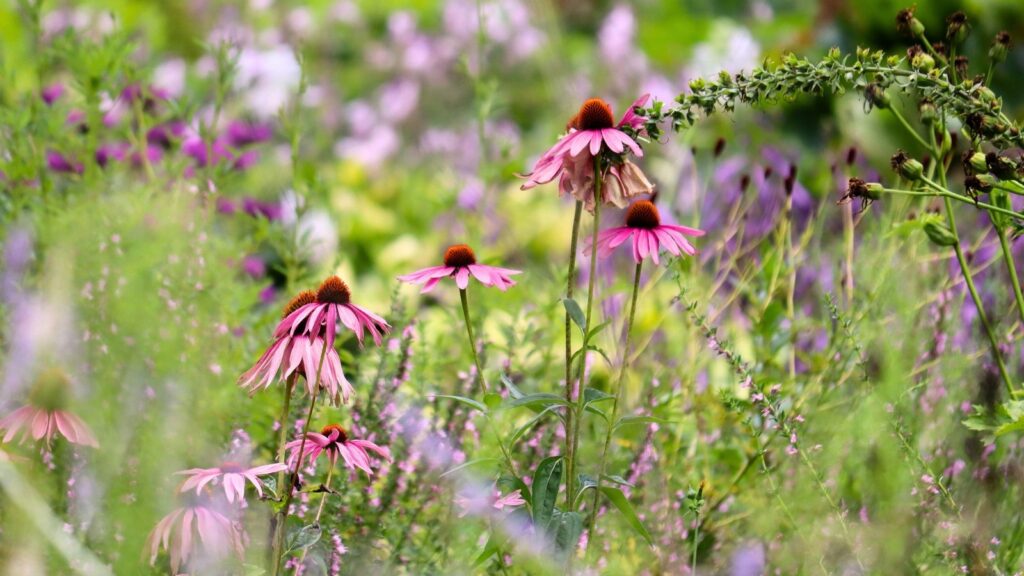
If you’re tired of mowing, watering, and fertilizing a thirsty lawn, a prairie-style garden is one of the smartest swaps you can make. In this guide, I’ll walk you through how to turn a regular yard into a resilient, buzzing prairie strip that practically takes care of itself once established.
We’ll cut through the confusion and focus on actionable steps: how to choose the right spot, prep the soil, pick the best native prairie flowers for your region, and maintain the planting with minimal fuss. By the end, you’ll know exactly which tough, beautiful plants to grow for bees, butterflies, birds, and a calmer gardening schedule.
Why Prairie Gardens Are A Smart Swap For Thirsty Lawns
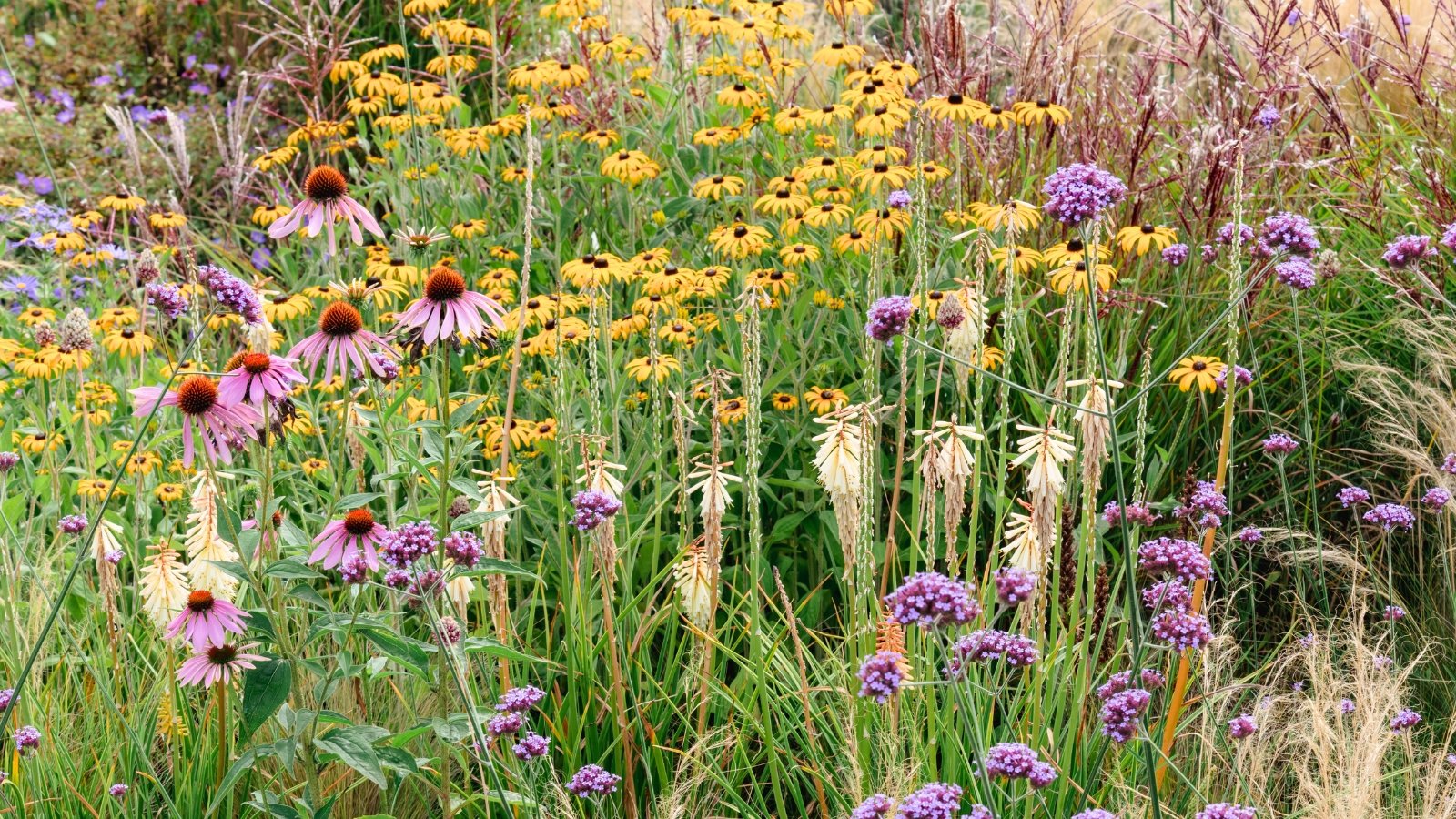
What Exactly Is A Prairie Garden?
A prairie garden is a scaled-down version of a natural prairie ecosystem. Instead of short, shallow-rooted turf, you grow deep-rooted native grasses and wildflowers that are built to handle hot summers, cold winters, and limited rainfall.
Most prairie species are herbaceous (non-woody) and thrive in open, sunny spaces. Trees are rare in true prairies and usually confined to wetter spots and streambanks. In your yard, that means choosing the sunniest area you have and letting the flowers and grasses do the heavy lifting.
Key Benefits: Biodiversity, Beauty, And Less Work
When you replace lawn with prairie-style plantings, you’re not just saving time; you’re building a small ecosystem. I like to think of it as trading a green carpet for a living community.
- More biodiversity: A mix of grasses and wildflowers supports native bees, butterflies, birds, and small mammals with nectar, pollen, seeds, and shelter —learn more about top pollinator-friendly plants here.
- Deeper roots, better soil: Prairie plants are famous for their extensive root systems, which stabilize soil, improve structure, and increase organic matter over time.
- Lower water and fertilizer needs: Once established, most prairie natives get by on natural rainfall and don’t need regular fertilizing.
- Four-season interest: Flowers from spring to fall, plus seed heads and grasses that look beautiful in frost and snow.
- Resilience to extremes: These plants evolved in climates with heat, drought, and cold snaps, so they’re naturally tough.
My First Backyard Prairie Experiment
When I first converted a strip of my lawn to prairie, I honestly thought I’d made a mistake. The first year looked weedy, patchy, and nothing like the dreamy photos I’d seen. But I stuck with it, watered new plants deeply, and focused on pulling the worst weeds.
By the second and third seasons, the prairie flowers exploded. Rudbeckias, coneflowers, and milkweed started to self-sow, and the whole planting began to feel like it had a life of its own. That experience taught me that a prairie garden is less about instant perfection and more about building a plant community that gets better every year.
Planning Your Home Prairie: Site, Soil, And Smart Prep
Check Your Sun, Zone, And Moisture First
Before you buy a single seed packet, take a few minutes to match plants to your conditions. Prairie gardens succeed when you respect the site.
- Sun: Most prairie flowers need at least six hours of direct sun daily. If you have less, focus on plants that tolerate partial shade, like columbine and Turk’s cap.
- Hardiness zone: Check your USDA zone and choose varieties that will survive your winters. In this guide, most plants cover roughly zones 3–9, with a few outside that range.
- Soil moisture: Do you have dry, sandy soil, average loam, or a moist, clay-heavy site? There are prairie plants for each. I often jot down which parts of the yard stay wet, crack in drought, or drain fast.
- Soil type: A basic soil test helps you understand pH and nutrient levels so you can pick plants that will thrive without constant amendments.
Before planting, it’s helpful to understand how to create a pollinator-friendly garden that matches your site conditions and soil type learn practical tips here.
Prep The Site So Weeds Don’t Win
The biggest prairie-garden frustration usually isn’t the plants—it’s the weeds. A strong start gives your natives a fighting chance.
- Remove existing vegetation: Strip out lawn and persistent weeds with a sod cutter, smothering (cardboard + mulch), or repeated shallow tilling before planting.
- Create a clean seedbed: Rake the area smooth and remove roots and debris. Prairie plants handle poor soil, but they hate thick competition when they’re small.
- Edge the area: A clear edge (mowing strip, stone border, or bed edging) helps visually separate your prairie from lawn and discourages encroachment.
Designing With Drifts, Layers, And Season-Long Color
Prairie gardens look best when you think in terms of plant communities, not single specimens. Instead of one of everything, plant in groups and layers.
- Use drifts and clumps: Plant 5–11 of the same species together (for example, a drift of black-eyed Susans or a stand of big bluestem, if you add grasses). This gives the eye a place to rest.
- Layer by height: Taller plants like Joe Pye weed and prairie coneflower in back, mid-height bloomers in the middle, and low growers like blue-eyed grass up front.
- Stagger bloom times: Mix early, mid, and late-season flowers so something is always in bloom for pollinators.
Seeds, Plugs, Or Both? How To Start
I like a blended approach: some areas from seed (for economy and diversity) and key plants from nursery plugs (for faster impact).
- From seed: Many natives, like penstemon, purple coneflower, and blazing star, benefit from cold stratification and are ideal for fall or winter sowing so they experience natural freezing and thawing. For beginners, following a structured approach to planting, like the 3×3×3 pollinator system, can make establishing a thriving garden easier read more here.
- From plugs or small pots: Use for structural plants you really want to succeed, like Joe Pye weed, mountain mint, or Turk’s cap.
- Plant in groups: Grouping the same plants together makes the design cohesive and lets the best performers naturally spread and reseed over time.
Top Prairie Perennials For Color And Pollinators
Spring To Early Summer Stars
Early-season prairie flowers wake up pollinators and kick-start your display before the heat of summer. I like to anchor spring with a mix of spires and nodding blooms.
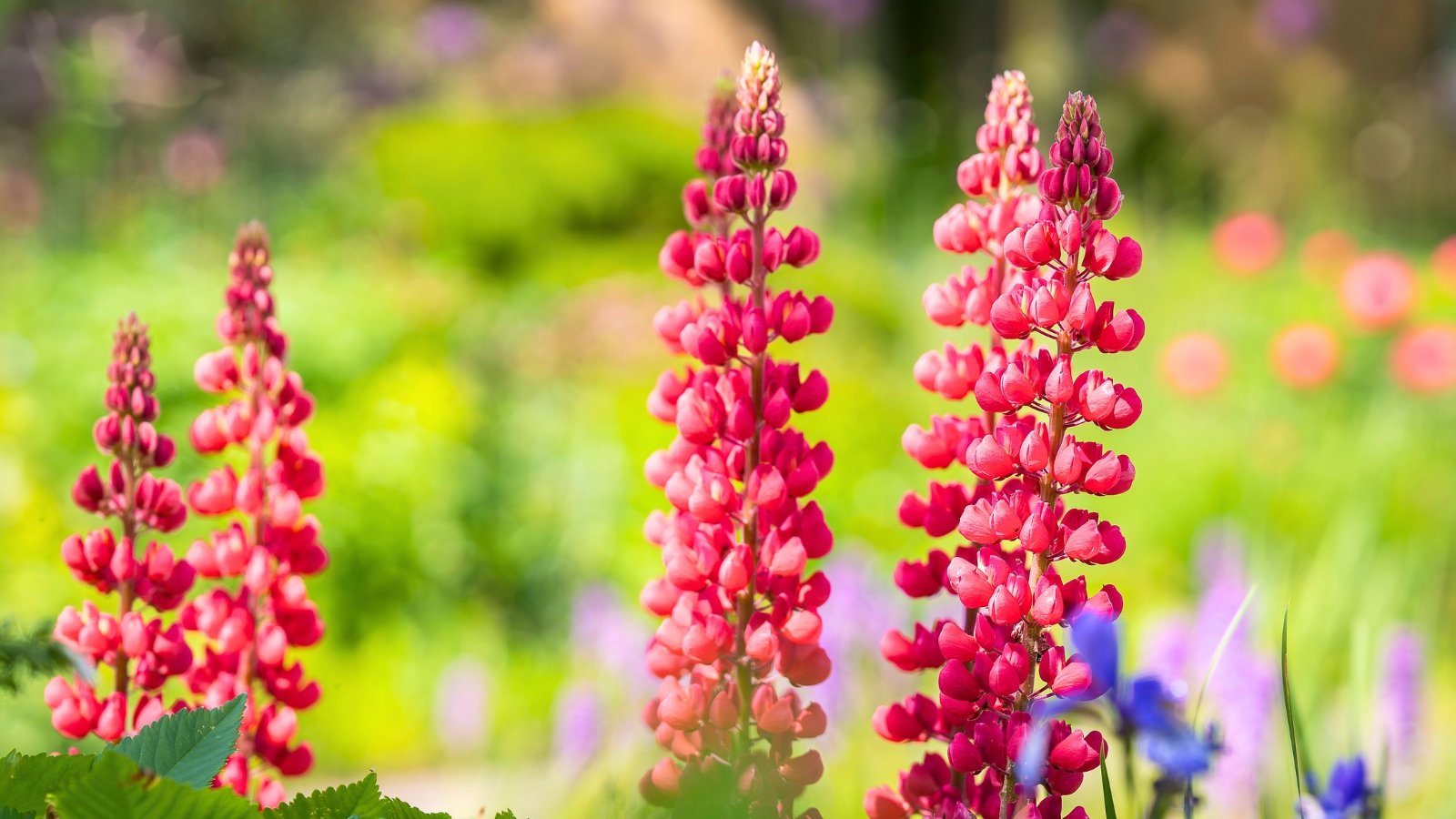
1. Lupine (Lupinus spp.) brings dramatic spires in blues, purples, pinks, whites, and yellows. As a legume, it helps fix nitrogen and gently enrich your soil over time.
- Light: Full sun to partial shade.
- Height: About 1–5 feet, depending on species.
- Hardiness: Roughly zones 3–8.
- Soil & water: Lean, well-draining soils; tolerates dry to moist conditions. Great for erosion control and bank stabilization.
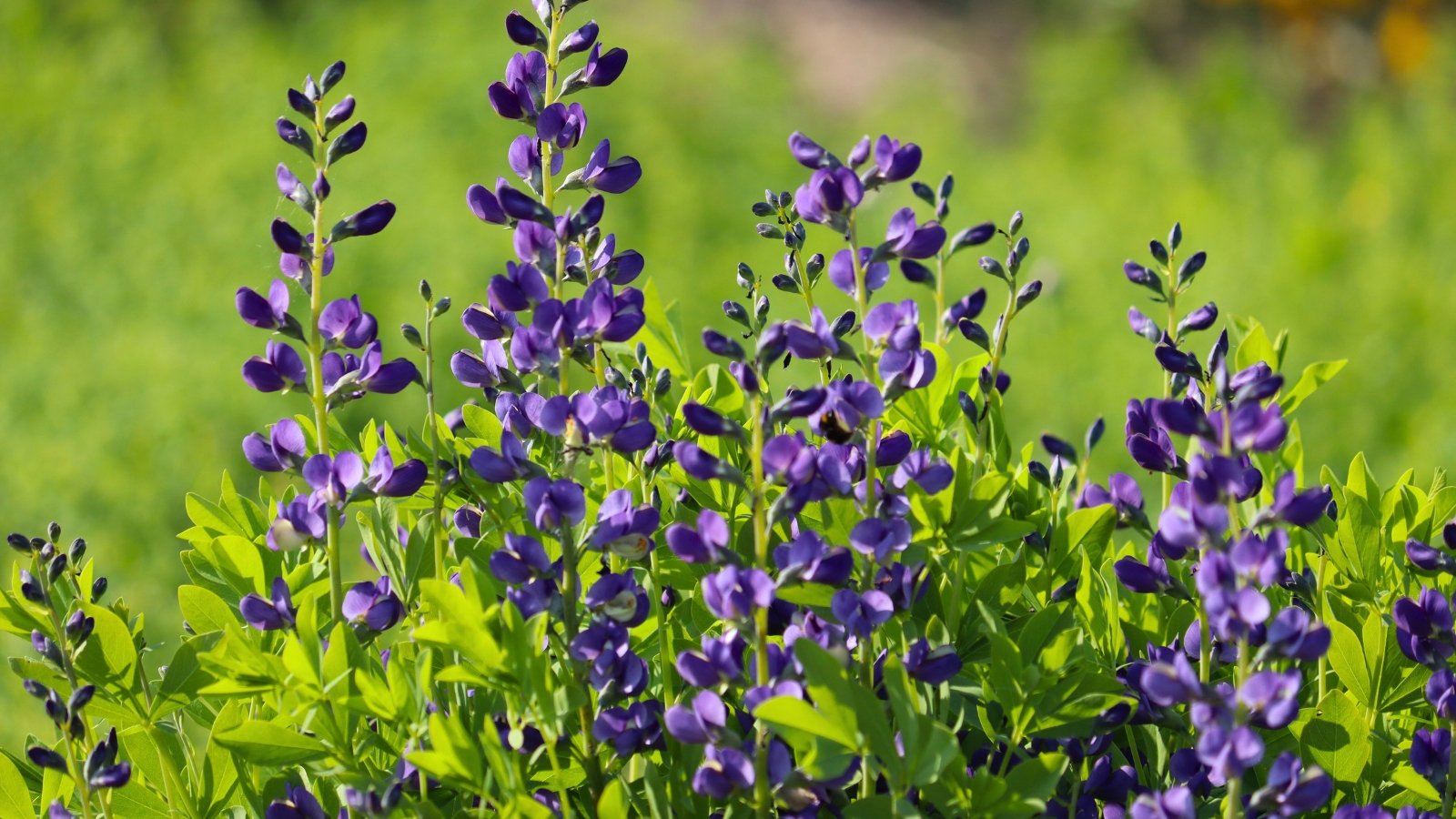
2. Baptisia (Baptisia australis), or false indigo, offers deep blue, pea-like flowers in late spring and early summer. Its blue-green, palmate foliage is attractive all season, and the seed pods add winter interest.
- Light: Full sun.
- Height: Around 3–4 feet.
- Hardiness: Zones 3–9.
- Soil & water: Tolerates average to lean soils and some drought once established. Give it a full season to build roots; it blooms heavily from year two onward.

3. Columbine (Aquilegia spp.) brings graceful, nodding blooms in red, yellow, blue, and bicolor forms. Hummingbirds love the tubular flowers, and birds snack on the seeds later in the season.
- Light: Partial shade, especially in hot-summer regions.
- Height: Around 3 feet.
- Hardiness: Zones 3–8.
- Soil & water: Moderately moist, well-drained soils. It may go dormant during extreme heat or cold and then re-emerge when conditions improve.
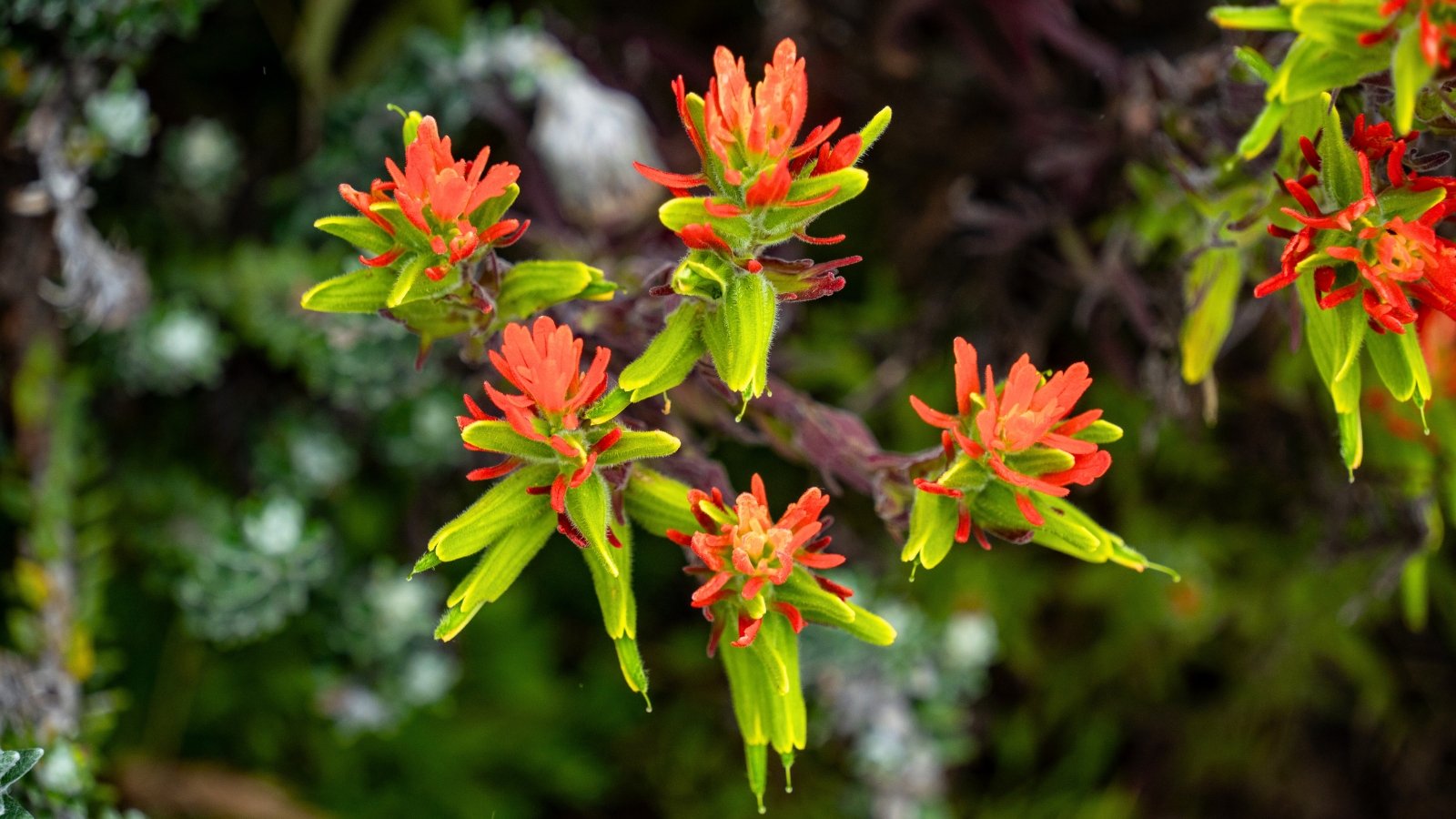
4. Paintbrush (Castilleja coccinea) lights up spring prairies with scarlet, brush-like bracts. It’s hemiparasitic, drawing some nutrients from nearby grasses or sages, which is part of why it looks so vibrant in mixed plantings.
- Light: Full sun to partial shade.
- Height: Roughly 9–24 inches.
- Hardiness: Zones 4–8.
- Soil & water: Prefers well-drained sites; often behaves as a biennial, establishing the first year and flowering heavily the second, then reseeding.

5. Blue-Eyed Grass (Sisyrinchium spp.) isn’t a true grass but a small iris relative with starry blue to violet flowers. Its fine foliage adds a nice grassy texture at the front of beds.
- Light: Full sun.
- Height: About 6–24 inches.
- Hardiness: Zones 2–8, depending on species.
- Soil & water: Tolerates a range of soils; many species prefer moderately moist to average conditions and will naturalize gently.
6. Penstemon (Penstemon spp.), often called beardtongue, sends up vertical spikes packed with bell-shaped flowers. Native bees adore the tubular blooms and will visit each flower for nectar.
- Light: Full sun to partial shade.
- Height: Typically 2–3 feet.
- Hardiness: Around zones 4–9.
- Soil & water: Many species prefer well-drained, even gravelly soils and are drought-tolerant once established. Sow seeds in fall or early spring so they experience winter chill for better germination.
Summer Heat Lovers And Drought-Tolerant Workhorses
Once summer heat kicks in, you want plants that thrive on sun and stress. These are the workhorses that keep your prairie buzzing when everything else looks tired.
7. Butterfly Milkweed (Asclepias tuberosa) is a must for monarchs and other pollinators. Its flat-topped clusters of orange-red blooms are nectar magnets and also support beneficial insects that help manage pests.
- Light: Full sun.
- Height: About 2–3 feet.
- Hardiness: Zones 3–10.
- Soil & water: Prefers well-drained, often sandy soils and is quite drought-tolerant once established. For moist spots, consider swamp milkweed (Asclepias incarnata).

8. Coreopsis (Coreopsis spp.) brings waves of golden, daisy-like blooms that seem to go on and on. Lance-leaved coreopsis is especially popular and easy to grow.
- Light: Full sun to partial shade.
- Height: About 2–5 feet, depending on species.
- Hardiness: Zones 3–8.
- Soil & water: Drought-tolerant and adaptable to average soils. Plains coreopsis can behave like a short-lived perennial that reseeds generously.

9. Black-Eyed Susan (Rudbeckia fulgida) is one of the most recognizable prairie flowers, with golden petals surrounding a dark central cone. It’s a long-blooming staple from mid-summer into fall.
- Light: Full sun to partial shade.
- Height: Around 1.5–2 feet for many varieties.
- Hardiness: Zones 3–9.
- Soil & water: Handles heat, humidity, and drought. Some species, like R. triloba, bloom later and persist even through light frosts.
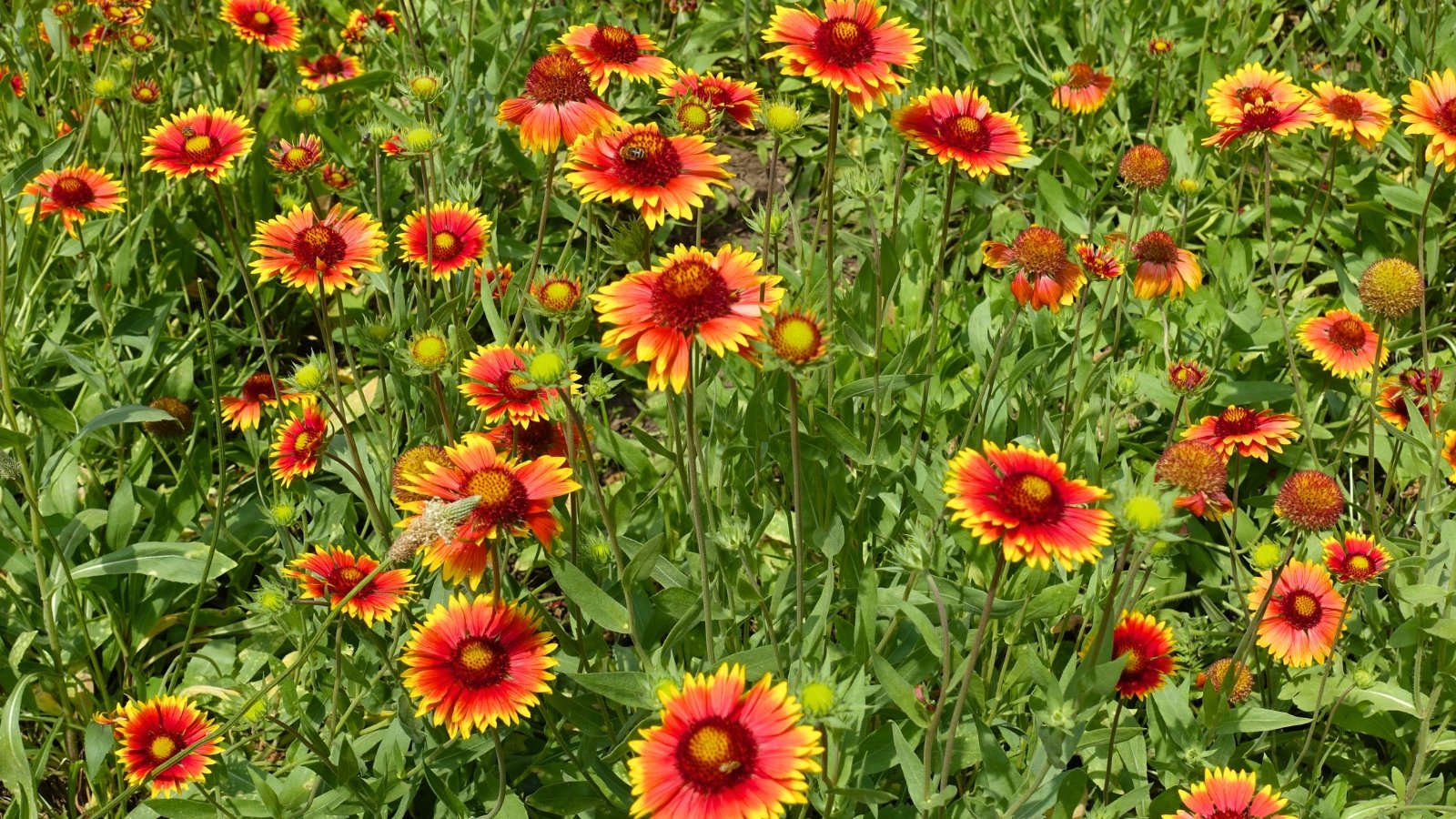
10. Blanket flower (Gaillardia spp.) thrives in hot, dry conditions where fussier plants struggle. Its fiery red, orange, and yellow blooms look like little sunsets across the garden.
- Light: Full sun.
- Height: About 1–4 feet, depending on species.
- Hardiness: Zones 3–10.
- Soil & water: Loves poor, sandy soils and is extremely drought- and heat-tolerant. Often blooms in its first year and reseeds lightly.

11. Heliopsis (Heliopsis helianthoides), often called oxeye sunflower, produces cheerful, sunflower-like blooms from summer into fall. It stands tall and sturdy, making it great for the back of a border.
- Light: Full sun to partial shade.
- Height: About 2–5 feet.
- Hardiness: Zones 3–9.
- Soil & water: Easy-going in average garden soil and tolerant of some drought. Self-seeds modestly if you leave seed heads in place.
12. Mountain Mint (Pycnanthemum virginianum) might be the single most visited plant in my prairie patch. Its white, purple-speckled flowers hum with bees from mid to late summer, and the foliage has a refreshing spearmint scent.
- Light: Full sun to partial shade.
- Height: About 2–3 feet.
- Hardiness: Zones 3–7.
- Soil & water: Tolerates a range of soils, including moist sites. Spreads by rhizomes but is manageable—especially in drier soils or when you occasionally cut back outer roots with a spade.
13. Turk’s Cap (Malvaviscus arboreus var. drummondii) is a hardworking wildflower for warmer climates. Its red, hibiscus-like blooms stay partially closed, forming a charming “turban” shape, and are a favorite of hummingbirds.
- Light: Full sun to partial shade.
- Height: Around 3–6 feet.
- Hardiness: Zones 8–10.
- Soil & water: Handles heat, drought, and even coastal exposure. Best flowering happens with at least a few hours of sun each day.
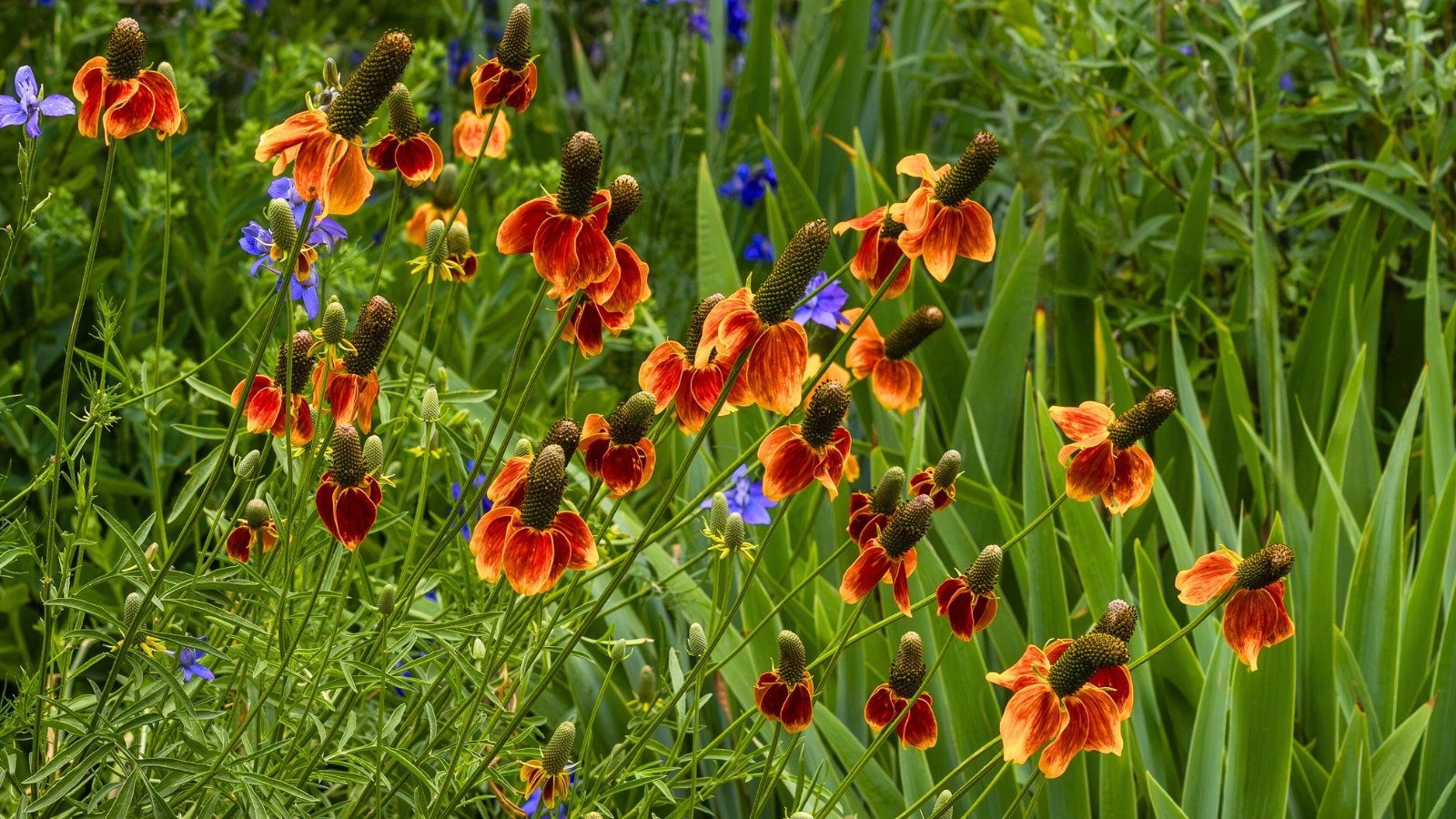
14. Prairie Coneflower (Ratibida spp.), including the classic Mexican hat, has long, drooping petals in yellow, red, or bicolor shades around a tall central cone. It adds movement and vertical interest to the summer garden.
- Light: Full sun.
- Height: About 1–5 feet, depending on species.
- Hardiness: Zones 3–9.
- Soil & water: Fast-growing and drought-tolerant, and can be quite competitive in rich soil. Pair it with other strong growers so it doesn’t push out weaker neighbors.

15. Purple Coneflower (Echinacea purpurea) is the quintessential prairie garden flower. Its pinkish-purple petals and bold central cone draw bees and butterflies in summer, and the seed heads feed birds through winter.
- Light: Full sun.
- Height: Roughly 1.5–5 feet.
- Hardiness: Zones 3–9.
- Soil & water: Needs well-drained soil and is drought-tolerant once established. Sow seeds in fall or winter for natural cold stratification and leave stems standing over winter for insect habitat.
Late-Season Color And Winter Interest
Late summer into fall is when a prairie really shines. These species carry color deep into the season and often add structure through winter.

16. Sweet Joe Pye Weed (Eutrochium purpureum) makes a dramatic statement in any prairie planting. Its large, domed clusters of rosy-purple flowers appear in late summer and hum with pollinators.
- Light: Full sun to partial shade.
- Height: About 5–7 feet.
- Hardiness: Zones 4–9.
- Soil & water: Thrives in moist, well-drained soils and tolerates clay. Ideal for wetter prairie patches or low spots in the yard.
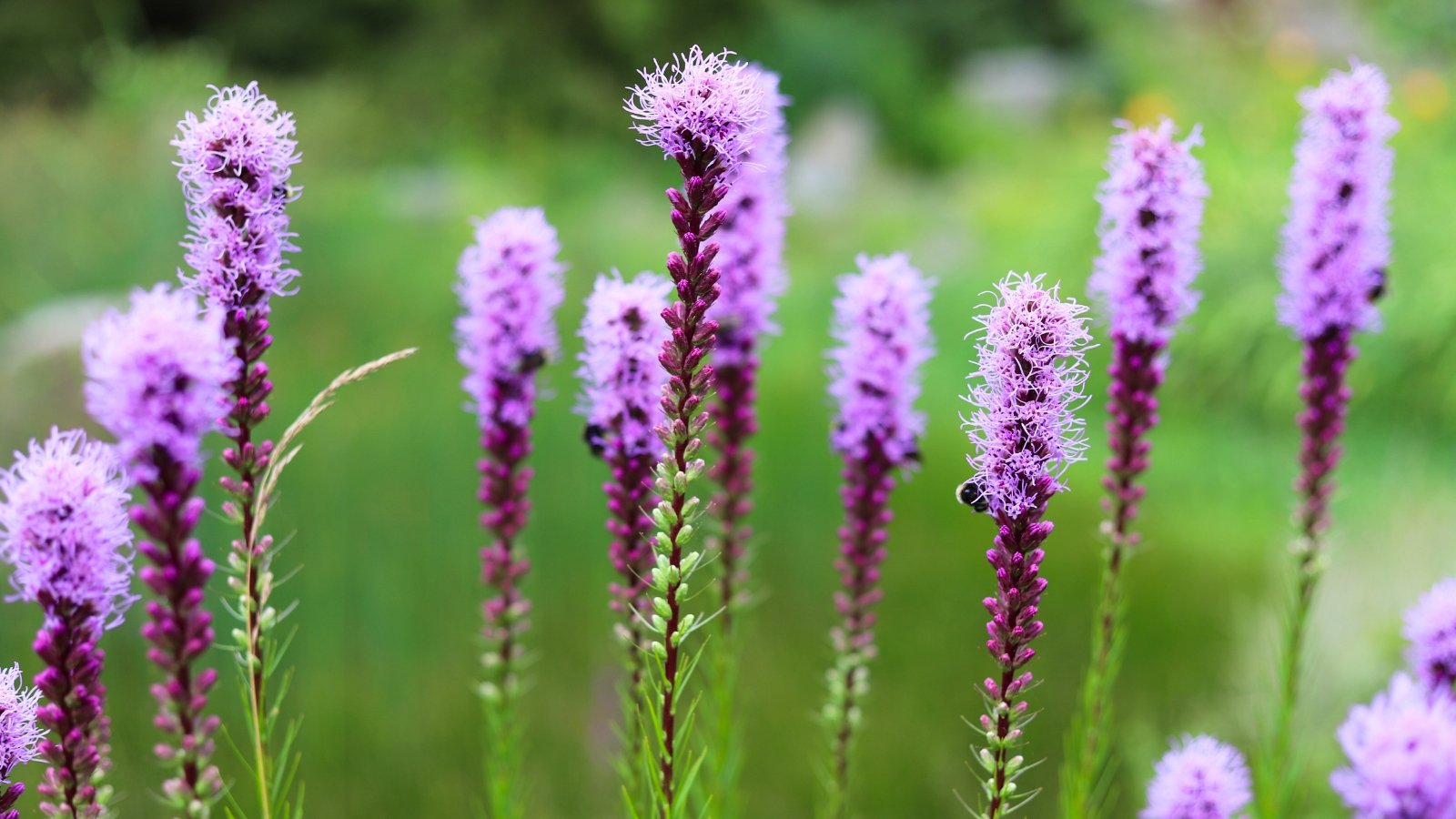
17. Prairie Blazing Star (Liatris pycnostachya), also known as gayfeather, sends up vertical spikes clad in purple blooms from mid to late summer. It’s both a nectar source and a host plant for some butterflies and moths.
- Light: Full sun to partial shade.
- Height: About 1–4 feet.
- Hardiness: Zones 3–9.
- Soil & water: Prefers moist prairies but becomes quite drought-tolerant once established. For drier, sandy soils, consider rough blazing star (Liatris aspera).
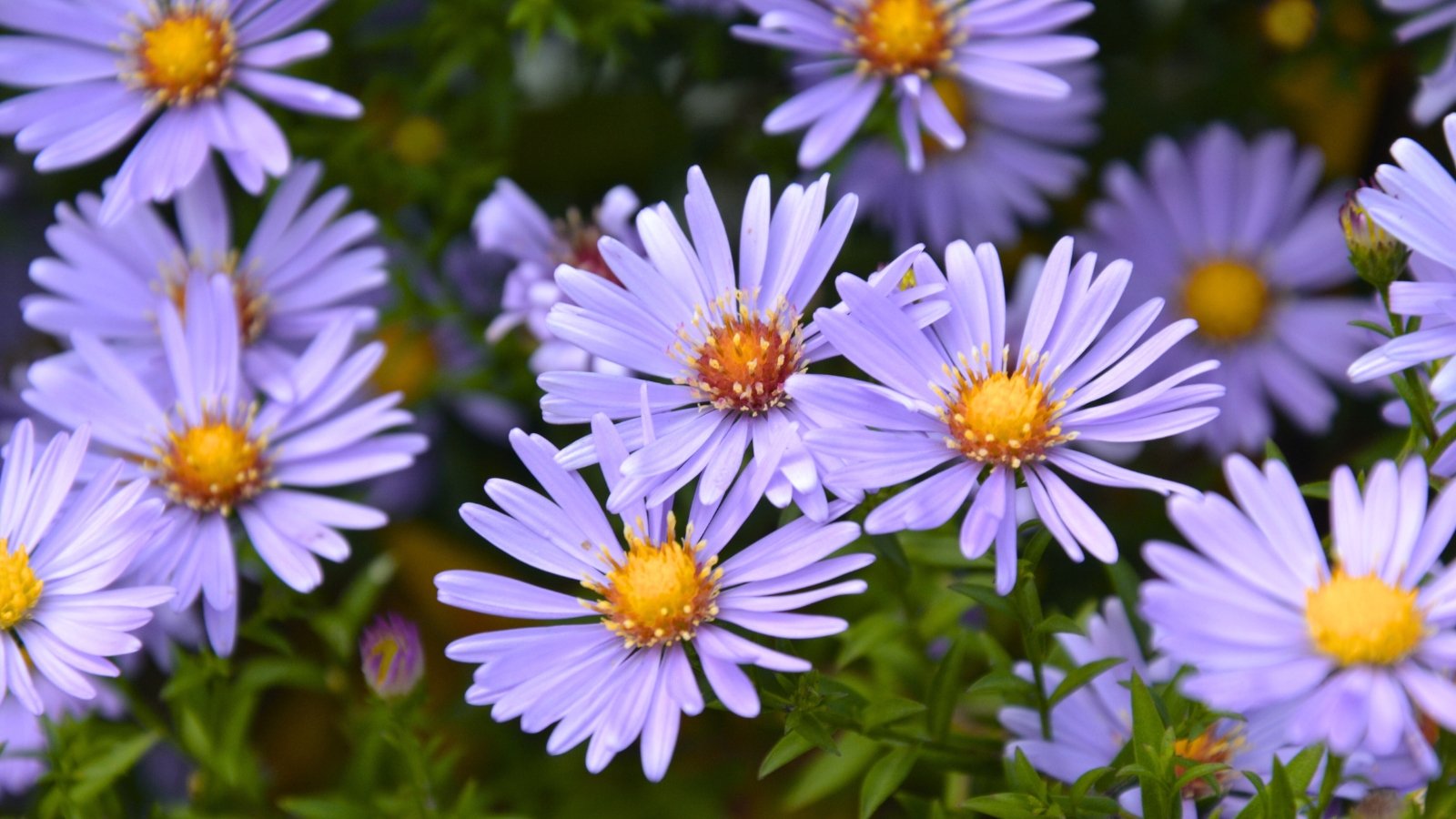
18. Aster (Aster spp. and related genera) are true stars of the autumn prairie. Many North American natives, like aromatic and smooth asters, blanket the garden with blue to purple flowers just as summer blooms are fading.
- Light: Full sun.
- Height: About 6–70 inches, depending on species.
- Hardiness: Zones 3–8.
- Soil & water: Adaptable to sandy or clay soils. Ensure good air circulation and well-drained soil to reduce foliar diseases; thin stems in summer if clumps become crowded.
Moisture, Maintenance, And Keeping Your Prairie Thriving
Watering And Mulching A Young Prairie
Once a prairie planting is established, it rarely needs supplemental irrigation. The tricky part is the first one to two years while roots dive deep.
- Water deeply, not daily: Aim for infrequent, thorough soakings to encourage deep roots rather than shallow, thirsty growth. Just like houseplants may need repotting in fall, some prairie perennials benefit from occasional root management—see our tips on 7 houseplants you should repot in November for inspiration.
- Mulch carefully: A light layer of shredded mulch or clean straw can help retain moisture, but don’t bury tiny seedlings. I often mulch between groups, not directly over emerging plants.
- Adjust to weather: In extreme drought or heat waves, young plantings may need extra water, while established prairies often sail through.
Weed Control Without Losing Seedlings
Weeds will test your patience in year one, but it gets easier. The goal is to reduce competition without disturbing your desired plants.
- Hand-pull big offenders: Thistles, invasive grasses, and aggressive broadleaf weeds should go as soon as you spot them.
- Mow high over first-year seedlings: In larger seeded areas, you can mow to about 6–8 inches when weeds loom over young natives. This slows weeds without harming low-growing seedlings.
- Learn your seedlings: Spend time identifying what your prairie plants look like young. I’ve saved many coneflowers and milkweeds by recognizing their rosettes early.
When To Cut Back And What To Leave Standing
Unlike a traditional flower bed, a prairie garden benefits from a more relaxed approach to cleanup. Many plants provide winter food and habitat.
- Leave stems through winter: Plants like echinacea, heliopsis, and coreopsis feed birds and shelter insects in their hollow stems. For guidance on timing and protecting your bulbs in winter, check out our detailed guide on when to plant and mulch spring bulbs.
- Cut back in late winter or early spring: When new growth starts to emerge, cut or mow stems down to a few inches and leave the debris in place or compost it. Consider indoor composting if you don’t have outdoor space; learn how here.
- Spot-tidy high-visibility areas: Near walkways or patios, you can selectively deadhead or trim to keep things looking intentional while still being wildlife-friendly.
Common Prairie Garden Mistakes To Avoid
I’ve made plenty of prairie mistakes so you don’t have to. These are the big ones I see over and over.
- Planting shade lovers in full sun (and vice versa): Always match plants like columbine and Turk’s cap to spots with afternoon shade if your summers are intense.
- Skipping site prep: Throwing seeds onto existing lawn is a recipe for disappointment. Take time to clear and clean the area first.
- Expecting instant perfection: Prairies usually take 2–3 years to really hit their stride. The first year is for roots, not flowers.
- Over-fertilizing: Extra fertilizer encourages weeds and flops. Most prairie plants are built for lean soils.
Quick Reference: Prairie Flower Cheat Sheet
| Plant | Light | Approx. Height | Zones* | Best For |
|---|---|---|---|---|
| Butterfly Milkweed (Asclepias tuberosa) | Full sun | 2–3 ft | 3–10 | Monarchs, dry and sandy soils |
| Purple Coneflower (Echinacea purpurea) | Full sun | 1.5–5 ft | 3–9 | Summer color, bird seed in winter |
| Black-Eyed Susan (Rudbeckia fulgida) | Sun–part shade | 1.5–2 ft | 3–9 | Long bloom season, tough conditions |
| Joe Pye Weed (Eutrochium purpureum) | Sun–part shade | 5–7 ft | 4–9 | Moist soils, tall back-of-border accent |
| Prairie Blazing Star (Liatris pycnostachya) | Sun–part shade | 1–4 ft | 3–9 | Vertical interest, butterfly nectar |
| Mountain Mint (Pycnanthemum virginianum) | Sun–part shade | 2–3 ft | 3–7 | Pollinator magnet, fragrant foliage |
| Lupine (Lupinus spp.) | Sun–part shade | 1–5 ft | 3–8 | Spring color, soil enrichment |
| Aster (Aster spp.) | Full sun | 0.5–6 ft | 3–8 | Late-season bloom, fall pollinators |
*Always double-check the exact species or variety you’re planting, as hardiness can vary slightly.
Wrapping Up: Grow Smarter, Not Harder
A prairie garden flips the usual gardening script. Instead of coaxing fussy plants through heat waves and cold snaps, you let native, deep-rooted flowers do what they evolved to do: handle tough conditions, support wildlife, and steadily improve the soil beneath your feet.
If you start with the right site prep, match plants to your sun and moisture, and give them a couple of seasons to settle in, your biggest challenge won’t be keeping them alive—it’ll be deciding where to expand your prairie next.
If you’re experimenting with prairie flowers in your own yard, I’d love to hear how it’s going. Share your questions, wins, and lessons learned in the comments over on Plant Care Dairy so we can all grow smarter, not harder.
Disclaimer: This article is for educational purposes only and is based on general growing information and personal gardening experience. Always check your local climate data, hardiness zone, and regional recommendations, and consult local extension services or a qualified professional before making major landscape changes or introducing new species to your area.