
If you’ve ever unboxed a glossy amaryllis kit and wondered exactly where to set it so it actually blooms, you’re not alone. I’ve been there, moving pots from room to room, chasing light and warmth. This guide cuts through the guesswork and gives you clear, actionable placement strategies so your plant goes from bulb to brilliant trumpets with minimal fuss.
By the end, you’ll know how to match the right window, temperature, and timing to your plant. You’ll also learn how to rotate the pot, protect pets, and adjust light after flowering to keep those blooms looking fresh. Consider this your straightforward roadmap for a reliably blooming amaryllis.
Quick note before we dig in: amaryllis in the home trade refers to Hippeastrum spp., native to Central and South America. These are tropical bulbs that love warmth, bright light, and a steady routine. Get those three right, and the rest gets easy.
Why Placement Matters For Amaryllis Blooms
- Heat And Light Drive Flowering
- Drafts And Temperature Swings
Heat And Light Drive Flowering
Amaryllis are tropical at heart, so warmth plus bright, indirect light is your bloom engine. Indoors, aim for 65–75°F (18–24°C) during active growth. Those mild, steady temperatures help the bulb put energy into strong stems, buds, and ultimately big flowers.
Heat And Light Drive Flowering
Amaryllis are tropical at heart, so warmth plus bright, indirect light is your bloom engine. Indoors, aim for 65–75°F (18–24°C) during active growth. Those mild, steady temperatures help the bulb put energy into strong stems, buds, and ultimately big flowers.
Amaryllis are tropical at heart, so warmth plus bright, indirect light is your bloom engine. Indoors, aim for 65–75°F (18–24°C) during active growth. Those mild, steady temperatures help the bulb put energy into strong stems, buds, and ultimately big flowers.
vivek attri
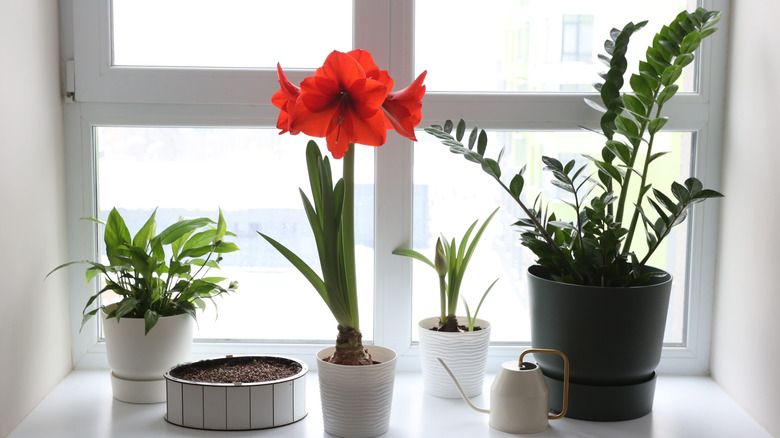
Light is the other half of the equation. Place your pot where it gets plenty of bright, indirect sunlight. A sunny exposure filtered by a sheer curtain, or a bright spot just off a south-facing window, generally hits the sweet spot.
Drafts And Temperature Swings
Drafts sabotage blooms. A chilly blast from a door, a leaky window, or an AC vent can slow growth and cause buds to stall. I keep my amaryllis away from exterior doors, vents, and cold window glass in winter.
Even a good location can turn problematic if the plant sits right against a cold pane. Nudge the pot a few inches back, or use a plant stand to buffer temperature swings.
Pet Safety And Bulb Toxicity
If you have curious pets, placement is also about safety. Amaryllis contains lycorine, and the bulb is the most concentrated part. While it’s rarely life-threatening, ingestion can cause drooling, abdominal pain, vomiting, and diarrhea in cats and dogs.
For peace of mind, I set amaryllis on inaccessible shelves or window ledges and avoid floor-level displays. If your pet is a jumper, place the plant in a room with a door you can close.
Pot Support And Posture
Strong light helps keep stems upright, but rapid growth can still lead to leaning. I rotate the pot a quarter turn daily to keep growth even, and I keep a slender stake handy. Staking is simple insurance against a top-heavy bloom cluster.
Ideal Light And Temperature: Getting The Window Right
Bright, Indirect Sunlight Explained
Think of “bright, indirect” as daylight that fills the room without harsh, midday beams landing squarely on the leaves. In winter, sun angles are lower, so some gentle direct sun can be fine, but I avoid prolonged, hot rays that can overheat leaves against glass.
A simple test: hold your hand 12 inches from a wall. If your shadow is clear but soft, you’re in the right zone. If it’s faint, the spot may be too dim; if it’s crisp and harsh for hours, soften the light with a sheer curtain.
South-Facing Windows And Smart Alternatives
A south-facing window typically offers the best light for winter growth, especially in northern latitudes. If south isn’t available, try east-facing for bright morning sun or a bright west-facing room with filtered afternoon light.
North windows are usually too dim in winter unless you have bright, open exposures. If north is your only option, move the plant closer to the glass, supplement with a grow light, or relocate it temporarily while the bulb is forming buds.
Rotating The Pot And Staking Stems
Amaryllis stems grow toward the light. I rotate the pot a quarter turn daily to keep stems straight and symmetrical. It’s a 2-second habit that pays off in a balanced display.
If stems still lean or feel top-heavy, add a slender stake and a soft tie. Stake early—right as the flower stalk emerges—so you don’t risk damaging buds later.
After Bloom: Move To Gentle Light To Prolong Flowers
Once your plant opens its blooms, shift it slightly away from strong, direct sun. Keeping it at the lower end of the 65–75°F range in gentle light helps prolong bloom life.
I move mine a few feet back from the window or to a bright interior shelf. The blooms last longer, and the colors stay vivid instead of fading fast.
7 Smart Placement Tips For Guaranteed Blooms
The Quick-Start Checklist
- Pick Warmth First: Choose a room that consistently sits at 65–75°F (18–24°C), away from cold drafts and blasting vents.
- Choose Bright, Indirect Sun: Aim for a south-facing window with filtered light, or east/west exposure with a sheer curtain.
- Place, Then Rotate: Set the pot and rotate a quarter turn daily to keep stalks straight and prevent leaning.
- Buffer From Glass: Keep leaves and buds a few inches off cold window glass, especially at night.
- Stake Early, Not Late: Insert a slender stake as the stalk emerges so you don’t disturb developing buds.
- Shift After Bloom: Move to gentle, bright light and slightly cooler temps to extend flower life.
- Keep Pets Safe: Elevate the plant and avoid accessible shelves if your pets nibble—amaryllis bulbs are toxic.
Why These Tips Work
The bulb stores energy for the bloom, but it needs a warm, bright push to convert that energy into a flower stalk. Consistent light direction keeps growth strong and upright, while stable temperatures prevent stress that delays or aborts buds.
After flowering, light becomes about preservation rather than production. Slightly cooler, gentler light reduces stress on petals, helping your display last longer.
Common Room-By-Room Scenarios
- Living Room: Great if you have a bright window with the ability to pull a sheer. Check for heating vents above or below the sill.
- Kitchen: Often bright but watch for hot, dry air from ovens. Shift the pot during long cooking sessions.
- Bedroom: Excellent if it has south or east light. Easy to keep pets out if needed.
- Home Office: Perfect for consistent routines—set the pot where you’ll remember to rotate it daily.
Troubleshooting: If Your Amaryllis Won’t Bloom
Signs Of Too Little Or Too Much Light
- Too Little Light: Long, floppy leaves, slow growth, and a flower stalk that never appears or stays short and weak.
- Too Much Direct Sun: Scorched patches, crispy leaf tips, and overheated tissue if leaves press against hot glass.
If light is the issue, move the pot to a brighter exposure or soften harsh rays with a sheer curtain. A small relocation can turn the corner in as little as a week or two of improved growth.
Temperature Problems And Drafts
- Chill Stress: Buds stall, leaves curl or yellow at the tips, and growth slows after cold nights.
- Hot, Dry Air: Rapid drying of potting mix and wilting leaves despite watering. Buds may open prematurely and fade fast.
Stabilize temps to 65–75°F and avoid vents, exterior doors, and cold windows. A small plant stand or moving the pot off the sill at night can solve cold shock.
Watering, Soil, And Pot Issues
- Soggy Mix: Overwatering leads to bulb rot and weak growth. Let the top inch of mix dry slightly between waterings.
- Heavy Containers: Deep, oversized pots hold too much moisture. Amaryllis prefers a snug pot with drainage.
- No Support: Top-heavy stalks can kink if they fall. Stake early to protect buds.
While placement drives light and temperature, don’t overlook the basics. A well-draining mix, a pot with a drainage hole, and measured watering keep the bulb healthy enough to take advantage of the good location you’ve chosen.
Timing And Forcing: Winter Blooms On Schedule
The 6–12 Week Bloom Window
From planting to bloom, expect roughly 6–12 weeks under warm, bright conditions. Keep the pot on a sunny windowsill at 70–75°F (21–24°C) to stay on schedule.
If you’re targeting holiday blooms, plant earlier in that window and maintain consistent warmth. Cooler homes may lean closer to the 12-week mark; warmer, brighter setups trend faster.
Aftercare Between Blooms
After flowers fade, snip off the spent blooms and let the leaves grow. Those leaves recharge the bulb for the next cycle. Keep the plant in bright light and water when the top inch of soil dries.
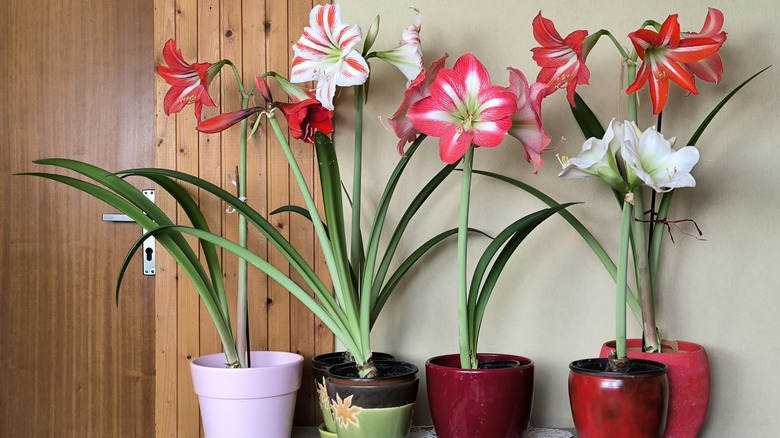
Many gardeners enjoy trying new varieties—there are 24 unique kinds of amaryllis you can grow, with popular colors like red, white, pink, salmon, deep burgundy, and bicolor with stripes or contrasting edges. I keep at least one classic red and one striped variety each winter to mix up the display.
Safe Overwintering Indoors
Amaryllis thrives indoors from the first autumn frost until after the last spring frost. If you summer your plant outdoors, bring it in early, check for pests, and set it in a bright spot to avoid shock.
If you rest the bulb for a future rebloom, store it cool and dry, then restart in a warm, bright place when you’re ready to bring it back into growth. The same placement rules apply for the next round of blossoms.
Quick Reference Summary And Next Steps
At-A-Glance Table
| Factor | Target | Why It Matters | Quick Fix |
|---|---|---|---|
| Light | Bright, indirect; south window with sheer | Drives strong stems and bud formation | Move closer to bright window; add sheer to soften |
| Temperature | 65–75°F (18–24°C) | Warmth accelerates growth and bloom | Shift away from drafts and vents; use a plant stand |
| Rotation | Quarter turn daily | Prevents leaning; keeps stems straight | Rotate when you water or make coffee each morning |
| Post-Bloom Light | Gentle, bright light | Extends bloom life and color | Move a few feet back from the window |
| Pet Safety | Out of reach (bulb is toxic) | Prevents GI upset in pets | Use high shelves or closed rooms |
Final Takeaways
- Warmth + bright, indirect light is your bloom formula.
- Rotate daily and stake early for upright, showy stalks.
- Move to gentler light after bloom to keep flowers fresh longer.
- Protect pets by placing amaryllis out of reach.
I’ve learned that small adjustments—sliding the pot a foot closer to a bright window, or turning it daily—add up to big, reliable blooms. Set the stage well, and your amaryllis will do the rest.
Join The Conversation
Have a favorite window or a clever staking trick? I’d love to hear it. Share your experience and ask questions in the comments on Plant Care Dairy—your tips help the whole community grow better blooms.
A Personal Note From My Windowsill
The Move That Made My Amaryllis Pop
Last winter, my first amaryllis sat in a cool hallway and sulked. I moved it to a warm, south-facing office window with a sheer curtain, rotated it each morning, and the stalk rocketed up in a week.
When the flowers opened, I slid the pot back two feet and dropped the room a couple of degrees. The blooms lasted so much longer that visitors thought it was a new plant.
Favorite Varieties To Brighten Winter
- Classic Red: A holiday staple with bold, festive color.
- White And Pink: Soft tones that glow in morning light.
- Salmon And Deep Burgundy: Rich hues that look dramatic against neutral walls.
- Bicolor And Stripes: Eye-catching edges and patterns that photograph beautifully.
Mixing one bold hue with a striped variety gives you contrast and a longer display window as each plant hits peak bloom.
Disclaimer: The advice in this article is for general informational purposes and reflects personal experience growing Hippeastrum indoors. Always consider your home’s specific light and temperature conditions, follow product labels, and consult local experts for region-specific guidance. Amaryllis can be toxic to pets; if ingestion is suspected, contact your veterinarian promptly. Neither this article nor Plant Care Dairy provides professional medical or veterinary advice.