

I’ll be honest: the first year I relied on my Christmas cactus for the big holiday bloom, it flowered… in January. Since then, I’ve built a “bloom calendar” with a mix of plants that carry me from fall through spring. You can do the same with the nine options below. To explore and grow different types for a continuous display, check out how to collect Christmas cactus varieties.
How To Pick The Right Holiday‑Blooming Stand‑In
The 9 Alternatives At A Glance (Numbered For Easy Planning)
- Thanksgiving Cactus (earlier than Christmas cactus; November color).
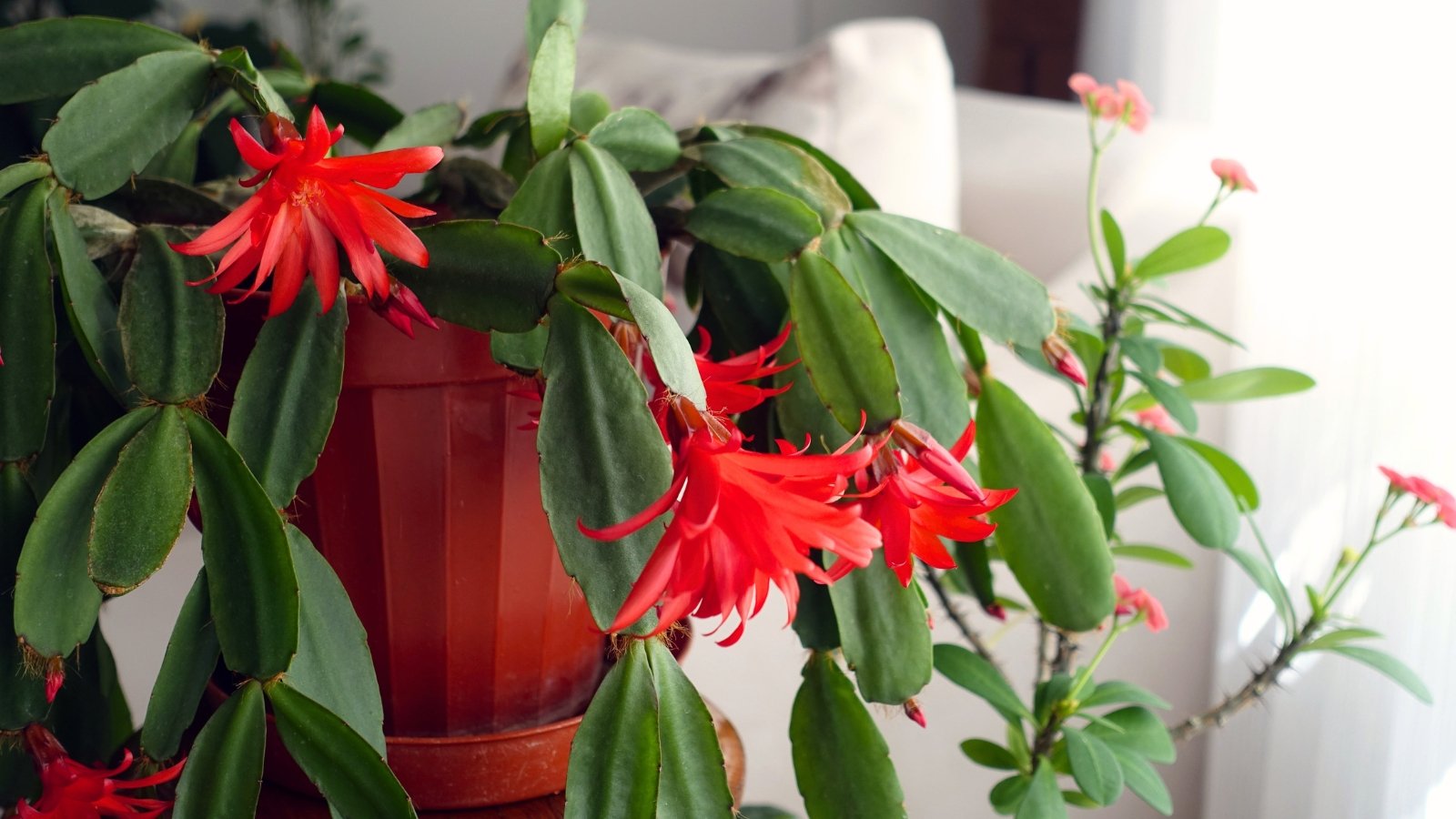
- Easter Cactus (spring blooms when winter feels endless).
- Kalanchoe (compact succulent with long-lasting clusters).
- Moon Cactus (neon grafted cactus for instant pop).
- Cyclamen (cool-loving winter workhorse with patterned leaves).
- Poinsettia (iconic bracts, surprisingly rebloomable).
- Amaryllis (bulb with massive, timed flowers).
- Moth Orchid (Phalaenopsis) (months-long displays on a windowsill).
- Desert Rose (Adenium) (sculptural caudex and summer blooms).
Pro Tip: Mix plants with different bloom windows so something is always flowering. For more creative options beyond the classic poinsettia, check out 5 alternatives to the Christmas poinsettia. I aim for at least one fall bloomer, one winter stalwart, and one spring star.
Bloom Timing: Pick Your Season
- Want November color? Choose Thanksgiving cactus and cool‑loving cyclamen.
- Holiday showstopper? Go classic with poinsettia, or use kalanchoe for weeks of blooms.
- Post‑holiday morale boost? Try amaryllis, moth orchid, or Easter cactus for late winter into spring.
- Warm‑season wow? Desert rose shines in long, bright days.
Light, Water, Temperature: The Non‑Negotiables
- Bright, indirect light suits holiday cacti and orchids. Direct sun favors kalanchoe, moon cactus, and desert rose.
- Allow partial drying for holiday cacti; let it go fully dry for moon cactus and desert rose. Even moisture for poinsettia and cyclamen (water cyclamen from below).
- Cool rooms (50–65°F) please cyclamen. Most others prefer 65–75°F, avoiding drafts and heat blasts.
Photoperiod Basics: Triggering Reliable Blooms
- Holiday cacti and poinsettias color up after several weeks of long, dark nights. Aim for 12–14 hours of uninterrupted darkness daily, for 4–6 weeks.
- Easter cactus needs the same routine, shifted to late winter to bloom in spring.
- Tip I swear by: I move plants to a guest room with lights off at dusk. Any nighttime light can stall bud formation. For a detailed step-by-step approach to getting your Christmas cactus to bloom on schedule, see how to get your Christmas cactus to bloom on time.
Early‑Season Stars: Alternatives That Bloom Before December
1. Thanksgiving Cactus (Schlumbergera Truncata)

Thanksgiving cactus looks almost identical to a Christmas cactus, but it blooms a few weeks earlier—usually in November. The segment edges are pointed and claw‑like, which is the easiest way to tell them apart from the rounded segments of true Christmas cacti.
- Light: Bright, indirect light. Avoid harsh midday sun on windowsills.
- Water: Keep lightly moist during active growth; let the top inch dry between waterings.
- Bloom cue: 12–14 hours of darkness for ~4–6 weeks in fall.
- Why I love it: It kickstarts the season early, so you’re not waiting until December to see color. For a broader look at early-blooming cactus options, see Christmas cactus alternatives.
2. Cyclamen (Cyclamen Persicum)

Cyclamen delivers butterfly‑like flowers over marbled, heart‑shaped leaves. It thrives in the one condition many homes actually have in winter: cool rooms.
- Temperature: 50–65°F is ideal. Warm, dry rooms will shorten its life and stall blooms.
- Water: Bottom‑water 15–20 minutes, then drain. Avoid wetting the tuber to prevent rot.
- Light: Bright, indirect light or a lightly shaded north window.
- Bonus: Some varieties are lightly fragrant—an unexpected winter treat.
3. Poinsettia (Euphorbia Pulcherrima)
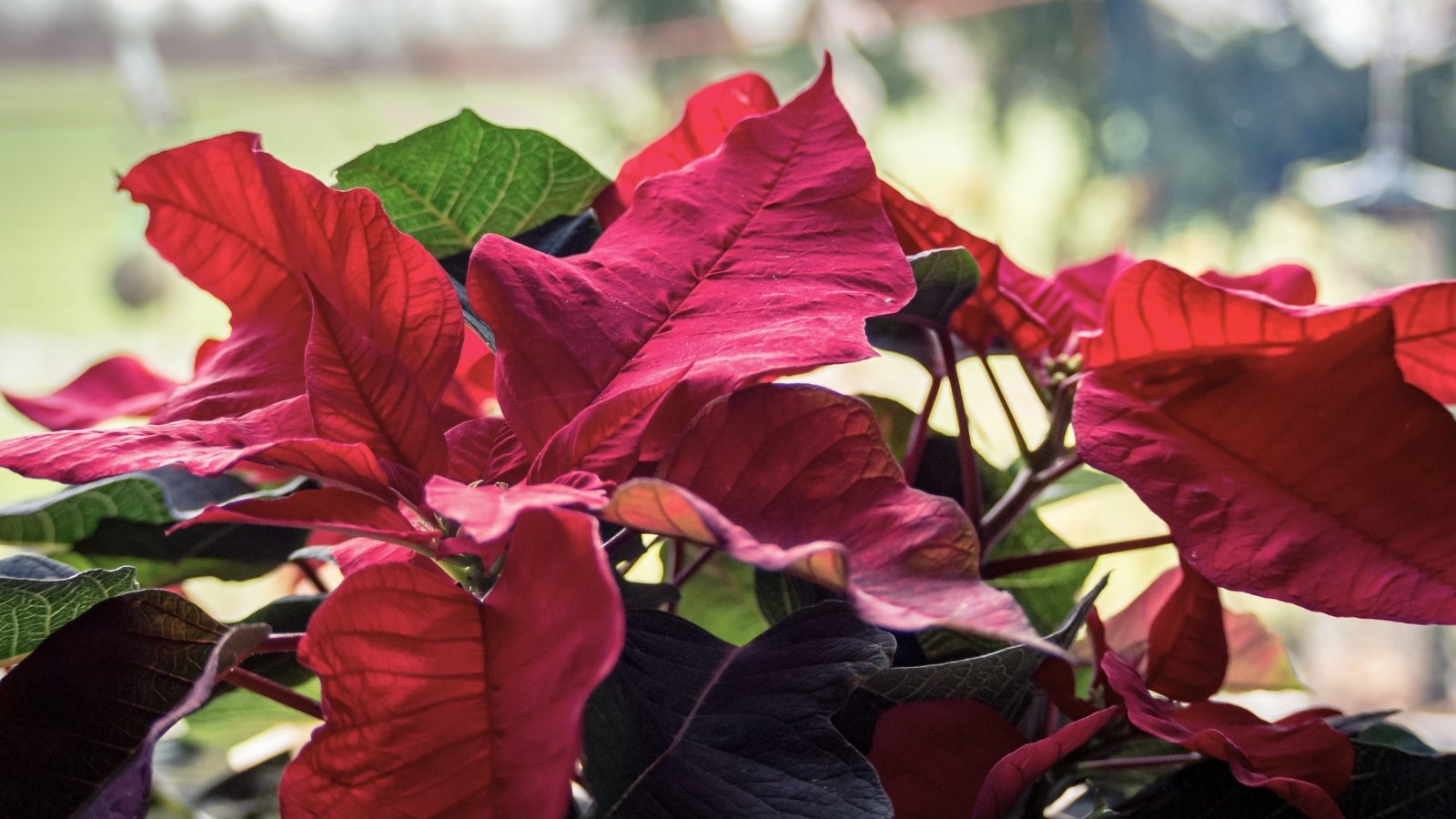
Poinsettias aren’t throwaway decor. With a bit of photoperiod discipline, they’ll color up annually and live for years. Those vibrant “flowers” are actually bracts surrounding tiny true blooms.
- Light: Bright, indirect light. Avoid cold drafts and hot air vents.
- Water: Keep evenly moist—never waterlogged, never bone dry. Both extremes cause leaf drop.
- Bloom cue: 6–8 weeks of long nights starting early fall for holiday color.
- Tip: Rotate the pot weekly for even bract development.
Spring Showstoppers: When You Want Color After Winter
4. Easter Cactus (Rhipsalidopsis/Hatiora)
Easter cactus rounds out the holiday cactus trio, delivering spring color when you need it most. The flowers are star‑shaped and warm‑toned, and the segments are more rounded than Thanksgiving or Christmas types.
- Light: Bright, indirect light. Morning sun is fine; avoid hot afternoon rays.
- Water: Keep slightly moist in growth; let the top inch dry before watering again.
- Bloom cue: Long nights in late winter for a spring display.
- Why it’s great: It fills the post‑holiday lull with weeks of cheerful color.
5. Amaryllis (Hippeastrum)

Amaryllis bulbs produce tall stems topped with massive, dramatic flowers—perfect for timed celebrations. You can adjust planting dates to target blooms for specific holidays.
- Planting: Pot in fall with the top third of the bulb above the soil line.
- Water: Sparingly until growth begins, then water when the top inch is dry.
- Aftercare: Let leaves grow after flowering to recharge the bulb; don’t cut foliage early.
- Rebloom: Rest the bulb by withholding water after leaves yellow; restart in early fall.
Low‑Fuss Color Machines: Succulents And Orchids That Keep Giving
6. Kalanchoe (Kalanchoe Blossfeldiana)

Kalanchoe brings clusters of small, vivid flowers and glossy leaves that look neat even off‑season. It’s a true succulent, so it forgives the occasional missed watering. Discover more festive flora and lookalike options in this guide to plants similar to Christmas cactus.
- Light: Bright light and a few hours of gentle sun boost blooming.
- Water: Let soil dry out between waterings; avoid constantly damp mix.
- Humidity: Not fussy—tolerates typical dry indoor air.
- Rebloom: Deadhead spent clusters; many varieties flush again with adequate light.
7. Moth Orchid (Phalaenopsis)
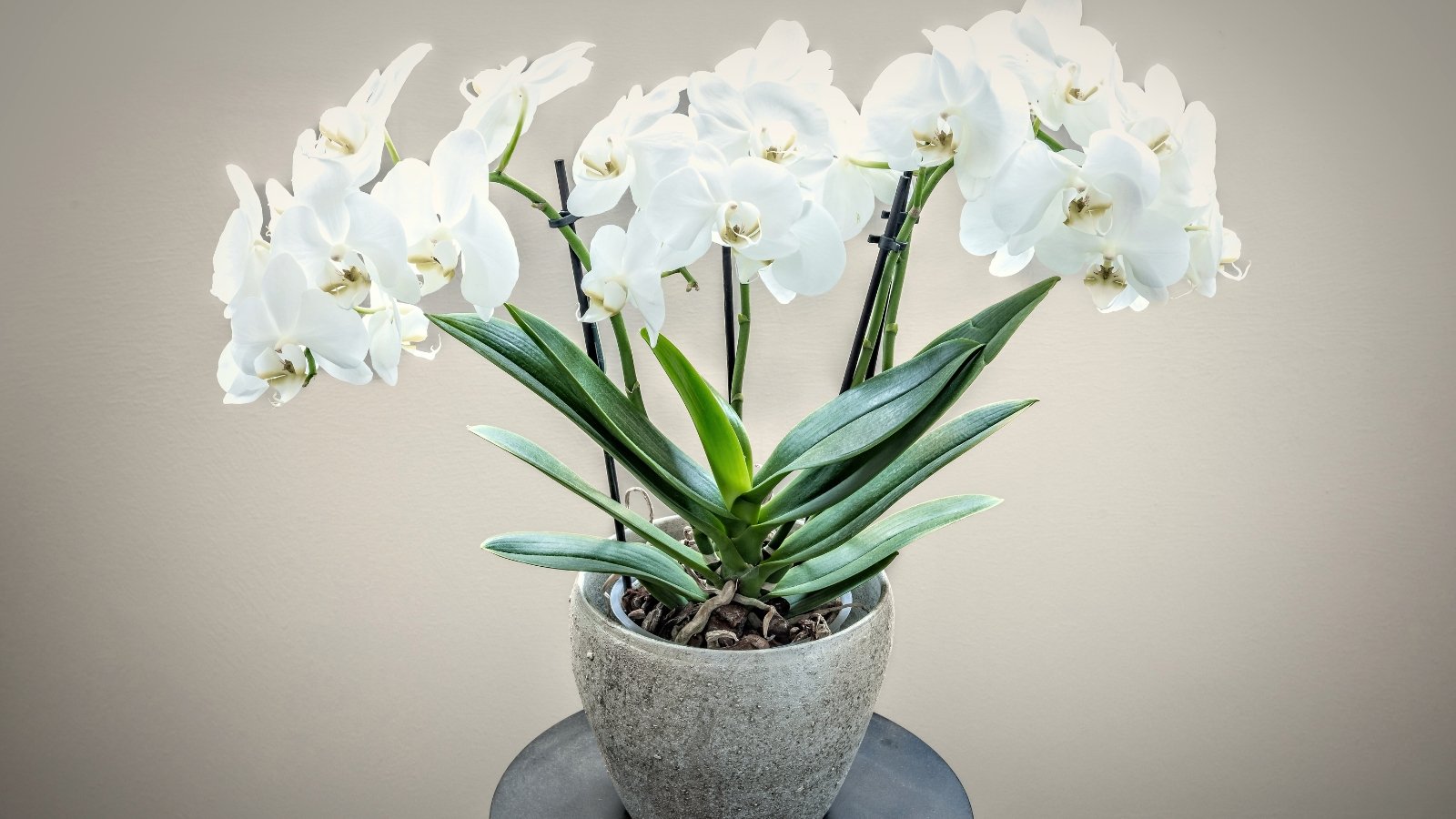
Moth orchids have a fussy reputation, but they’re surprisingly forgiving once you get the basics down. The reward is months of blooms on a single spike.
- Medium: Use an orchid bark mix—never regular potting soil.
- Water: Thorough soak once a week; let all excess drain away. Never sit in water.
- Light: Bright, indirect light similar to holiday cacti.
- Rebloom: After flowers fade, cut the spike back to a node to encourage a secondary flush, or remove it to push a new spike later.
8. Moon Cactus (Gymnocalycium Mihanovichii Graft)
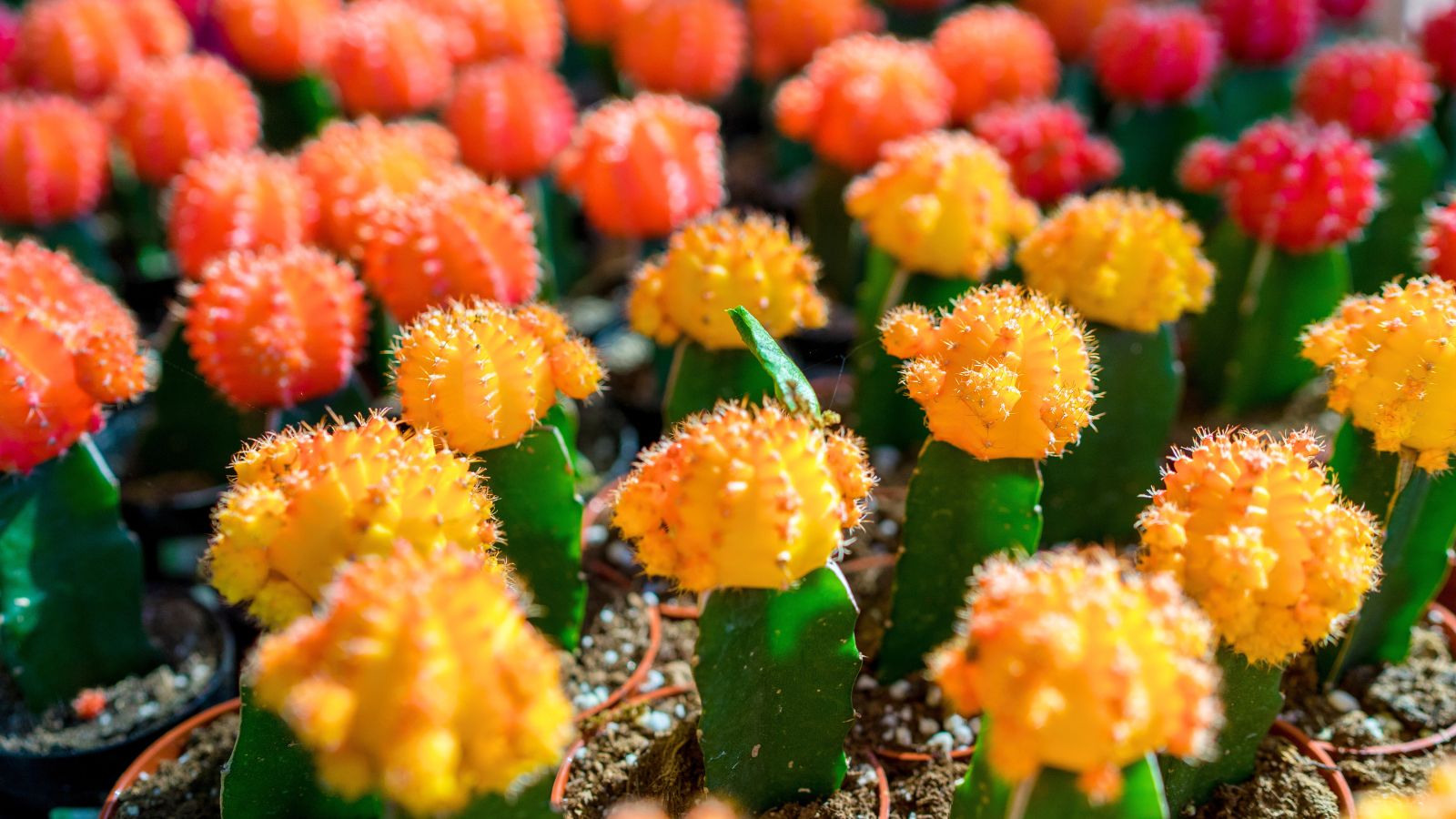
Moon cactus is a conversation starter: the neon top lacks chlorophyll, so it’s grafted onto a green rootstock that does the photosynthesizing. It’s short‑lived but undeniably festive.
- Light: Bright light, including some direct sun.
- Water: Let the soil dry completely; water sparingly in cool seasons.
- Heat: Keep warm; avoid cold windowsills in winter.
- Note: Expect a shorter lifespan than most houseplants; enjoy the color while it lasts.
9. Desert Rose (Adenium Obesum)
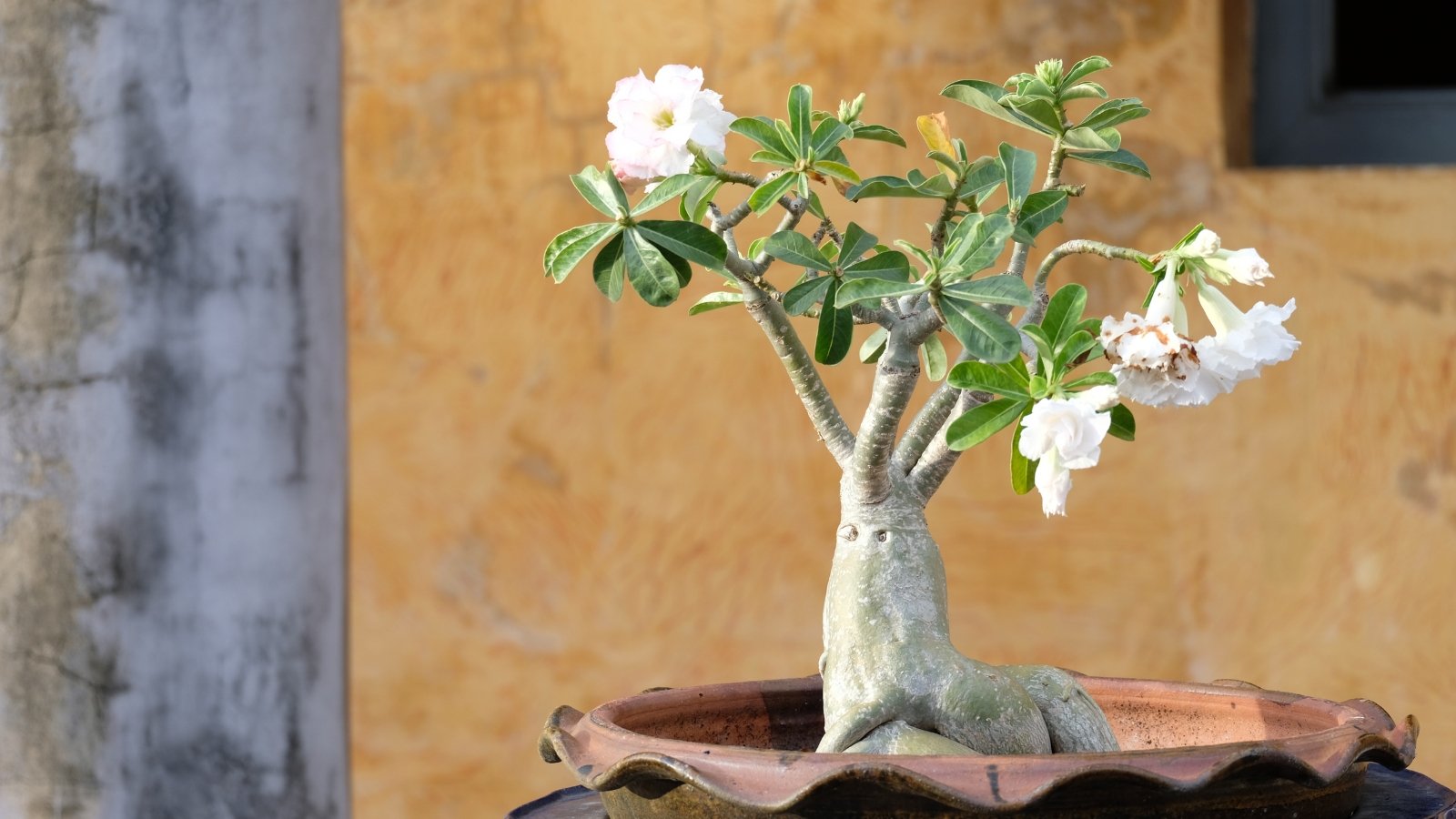
Desert rose delivers sculptural beauty thanks to its swollen base and twisting branches. Flowers appear in warm months when light is strongest.
- Light: As much direct sun as you can offer indoors.
- Water: In warm months, water when fully dry; in cool months, water very lightly and infrequently.
- Temperature: Warmth is essential; keep above 60°F for best health.
- Expectations: Not a non‑stop bloomer—enjoy the bonsai‑like form between flushes.
Troubleshooting And Success Plans: Get Reliable Blooms
Resetting The Bloom Cycle
- Holiday cacti and poinsettias: Provide 12–14 hours of uninterrupted darkness daily for 4–8 weeks. Keep nights cool (55–65°F) to encourage bud set.
- Amaryllis: After leaves yellow, rest the bulb dry for 8–10 weeks. Restart by watering and moving to bright light.
- Moth orchid: A slight night temperature drop (5–10°F) can nudge new spikes.
Common Mistakes To Avoid
- Nighttime light leaks: Even a hallway light can interrupt photoperiod plants and prevent buds.
- Overwatering cool growers: Cyclamen and holiday cacti rot if kept constantly wet and cold.
- Cutting foliage too soon: Amaryllis bulbs need their leaves after flowering to recharge.
- Too much shade for sun lovers: Kalanchoe, desert rose, and moon cactus need abundant light to thrive.
- Drafts and vents: Hot, dry blasts or cold drafts cause bud and leaf drop across the board.
Quick Care Schedules I Actually Use
- Weekly water check: I stick a finger an inch into the pot; if it’s dry, I water holiday cacti, orchids, and amaryllis; if bone dry, I water moon cactus and desert rose.
- Monthly grooming: I deadhead kalanchoe and cyclamen, rotate poinsettia and amaryllis, and wipe orchid leaves.
- Seasonal lighting: I give photoperiod plants a guest‑room stay from early fall (poinsettia, Thanksgiving cactus) or late winter (Easter cactus).
Conclusion And Quick‑Start Checklist
Smart plant care is about building a bloom calendar, not chasing a single holiday moment. Mix plants with staggered seasons, stick to simple light and water rules, and use darkness strategically for photoperiod bloomers.
I’ve learned that reliability comes from manageable routines, not complicated hacks. Start with two or three of the nine alternatives above, then expand as you learn your home’s light, temperature, and your own watering rhythm.
One‑Page Summary Table
| Plant | Primary Bloom Window | Light | Water | Special Notes |
|---|---|---|---|---|
| Thanksgiving Cactus | November | Bright, indirect | Top inch dry, then water | Photoperiod in fall; pointed segments |
| Easter Cactus | Spring | Bright, indirect | Slightly moist; avoid soggy | Photoperiod late winter; star‑shaped flowers |
| Kalanchoe | Winter to spring (indoors) | Bright light, some sun | Dry between waterings | Deadhead to encourage a second flush |
| Moon Cactus | Colorful year‑round tops | Bright, some direct sun | Dry thoroughly; sparse water | Short‑lived graft; enjoy the neon color |
| Cyclamen | Fall and winter | Bright, indirect; cool temps | Bottom‑water; drain well | 50–65°F rooms are best |
| Poinsettia | Holidays | Bright, indirect | Even moisture; never soggy | 6–8 weeks of long nights for bracts |
| Amaryllis | 6–8 weeks after planting | Bright light | Water sparingly until growth begins | Let foliage mature to recharge bulb |
| Moth Orchid | Months‑long, 1–2 times/year | Bright, indirect | Soak weekly; drain fully | Bark mix only; avoid standing water |
| Desert Rose | Warm months | Direct sun | Dry fully between drinks | Warmth required; sculptural caudex |
Actionable Checklist
- 1. Pick your bloom windows: Early (Thanksgiving cactus, cyclamen), holiday (poinsettia, kalanchoe), or spring (Easter cactus, amaryllis, moth orchid).
- 2. Match light to plant: Bright indirect for holiday cacti/orchids; sunny windows for kalanchoe, desert rose, moon cactus.
- 3. Set a watering rule: Moist, not soggy for photoperiod plants; fully dry between for desert types.
- 4. Use darkness on a schedule: 12–14 hours nightly for holiday cacti, Easter cactus, and poinsettia.
- 5. Avoid extremes: Keep plants away from heat vents, radiators, and drafty doors/windows.
If this guide helped, I’d love to hear what you’re growing and when it blooms for you. Drop a comment on Plant Care Dairy and share your wins or questions—we all learn faster together.
Disclaimer: The care guidance above is based on typical indoor conditions and my own experience. Always adjust for your home’s light, temperature, and humidity, and follow local guidance for pests or plant safety around pets and children.