
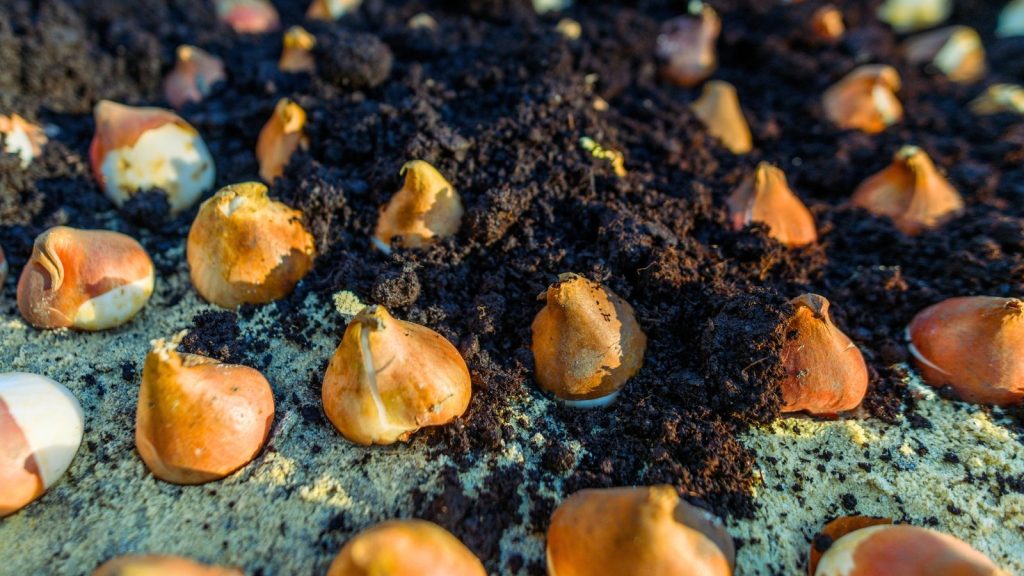
If you’ve ever felt unsure about when to plant spring bulbs or how much mulch to use, you’re not alone. My goal here is to cut through the noise and give you clear, actionable guidance you can use this week—no guesswork required.
By the end, you’ll know exactly when to plant and divide bulbs, which mulch materials actually help, how deep to plant, and how to set your bulbs up for a long, colorful life. I’ll also share the simple timing cues I rely on (like soil temps, frost timing, and bed readiness) so you can make confident decisions in real time.
Quick story: I once waited for a “perfect” weekend and missed the coolest planting window. The bulbs still bloomed, but they were thinner and later than usual. Since then, I’ve followed a simple fall checklist and now enjoy fuller clumps, better color, and fewer spring surprises.
Why Fall Bulb Planting Matters
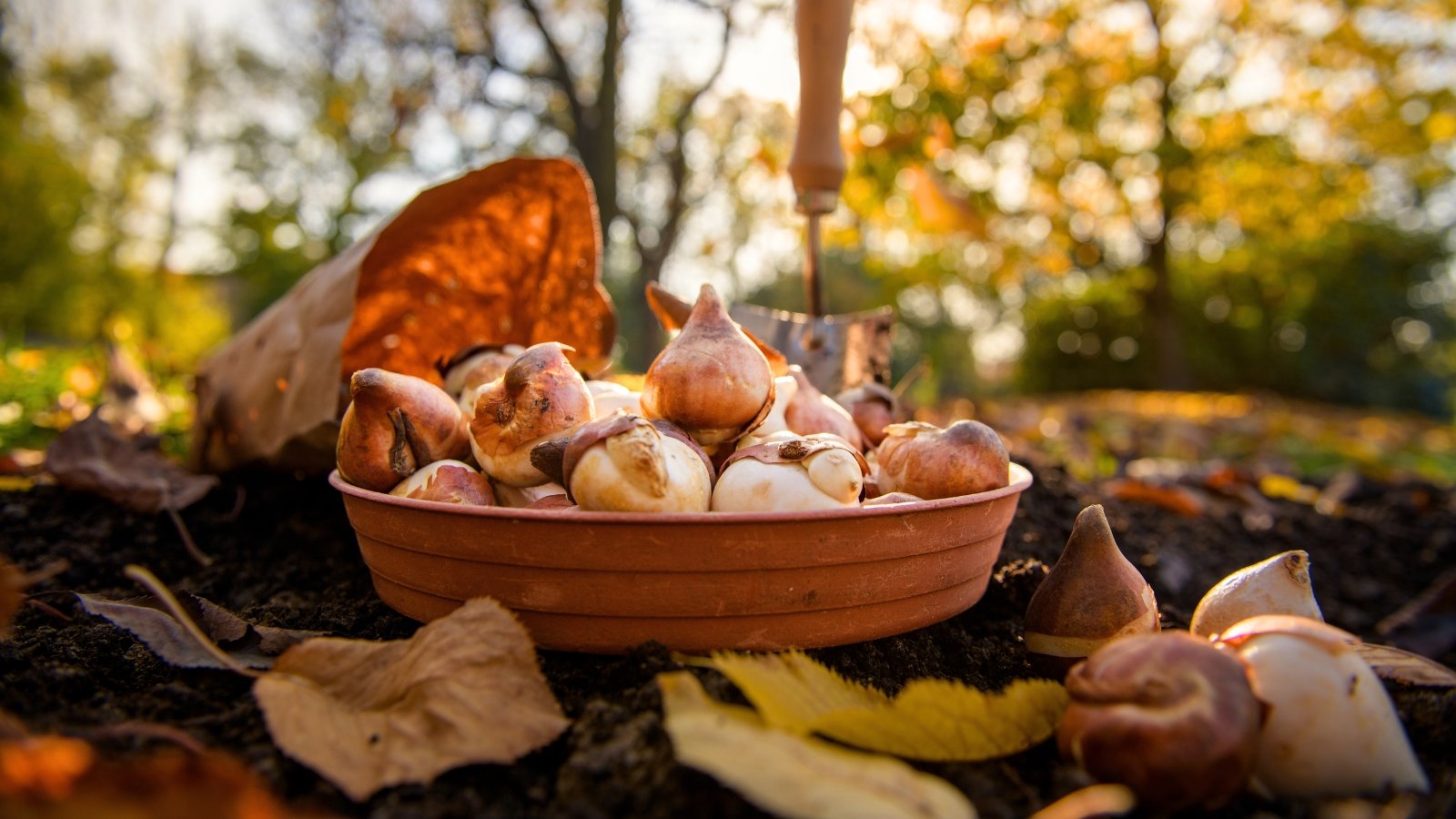
Planting bulbs in fall is one of the highest-return garden tasks I know. It’s easy, economical, and pays off with color and fragrance right when the garden is waking up.
Cold Hours Trigger Spring Blooms
Most classic spring bulbs need a period of cold to flower well. That natural chill—called vernalization—happens outdoors through winter and cues strong stems and blooms in spring.
- Chill matters: Many fall-planted bulbs need sustained cool temperatures to initiate flowering.
- Natural vernalization: Planting in fall lets winter do the work; no fridge time for hardy regions.
- Warm-climate workaround: In zones 8–10, use pre-chilled bulbs to meet chill needs without refrigeration.
Why Fall Is Prime Time
Fall offers warm soil for quick root growth, then a long, gentle cool-down. That sequence is ideal for sturdy root systems and consistent spring displays.
- Root-first focus: Early fall warmth encourages strong rooting before soil freezes.
- Built-in rest: Cool months give bulbs time to settle, conserve energy, and prep for bloom.
- Low maintenance: After planting and mulching, you can mostly forget them until spring.
Design Potential in Drifts and Pockets
Bulbs are made for creative planting. I love them in sweeping drifts, tucked into border pockets, and layered in containers where color and fragrance greet you up close.
- Go big with drifts: Mass plantings create bold, painterly swaths of color.
- Fill the gaps: Dot borders and perennial pockets to brighten late-winter beds.
- Container magic: Use layered “lasagna” plantings for successive bloom in small spaces.
When to Plant and Divide Bulbs

Plant by temperature cues, not just the calendar. For more detailed guidance on spring bulb gardening and planting tips, check out Gardening Know How’s spring bulb guide. And while you’re at it, check whether older clumps need dividing for better vigor next spring.
Your Window by Temperature, Not Calendar
Instead of watching the date, watch your nighttime lows and soil feel. Cooler evenings and workable soil beat a circled day on the calendar every time.
- Soil and air cues: Aim to plant when nighttime temps are consistently in the 40s–50s°F (4–10°C).
- Keep planting if soil is workable: You can plant into winter as long as the ground isn’t frozen.
- Earlier is better: Plant early in the cool season to give bulbs a head start on rooting.
Signs It’s Time to Divide
Established colonies can get crowded, leading to fewer flowers. Division refreshes the planting and spreads the beauty to new spots.
- Fewer blooms: Diminishing flower count often signals overcrowding.
- Weak stems: Floppy growth can mean bulbs need space and fresh soil contact.
- Clump creep: Bulbs pushing into paths or over perennials are ready to split and replant.
Zone-Savvy Timing Tips
Use local frost patterns as your guide. Use local frost patterns as your guide. For region-specific advice on planting bulbs in fall for a spring celebration, see Penn State Extension’s fall bulb planting guide. I time my planting for cool evenings and plant as long as my shovel can still cut into the bed.
- Cold climates: Plant in October–November for strong pre-freeze rooting.
- Moderate regions: Plant late fall through early winter if the soil stays workable.
- Warm zones (8–10): Use pre-chilled bulbs and plant when nights are finally cool. For more ideas on what to plant in zones 8–10 this November, check out our zone-specific planting guide.
Mulch Mastery for Bulbs

Mulch is your bulbs’ winter blanket and spring insurance policy. Done right, it stabilizes temperature, locks in moisture, and prevents weed pressure.
Why Mulch Helps Bulbs Thrive
If you’ve ever had bulbs heave out of the ground after freeze/thaw cycles, mulch is the fix. It buffers extremes and keeps bulbs resting until spring actually arrives.
- Temperature control: Mulch reduces freeze/thaw swings and frost heaving.
- Moisture retention: It slows evaporation so fall-planted bulbs don’t dry out.
- Weed suppression: A clean layer cuts spring weeding and helps shoots emerge unobstructed.
- Spring sanity: It discourages too-early sprouting during midwinter warm spells.
Best Mulch Materials (And How I Use Them)

- Leaf litter: The easiest fall mulch—rake whole leaves over beds or shred for a tidier layer.
- Leaf mold: Partially decomposed leaves make a fantastic topdress and soil conditioner.
- Compost: Insulates while adding nutrients; a great dual-purpose mulch topper.
- Clean straw: Light, weed-free insulation; spread it thick in cold zones.
- Aged wood chips: Better than fresh, as they tie up less nitrogen during breakdown.
- Bark nuggets: Tidy look for prominent areas; excellent for moisture retention and weed control.
Exactly When to Mulch

Mulching too early can warm the soil and trigger premature growth. I wait until my first real frost is behind me or is clearly imminent.
- After first heavy frost: Apply mulch when plants enter dormancy and foliage has dropped.
- Mixed beds: Mulch when perennials go bare; the whole arrangement benefits from one clean layer.
- Mild climates: Mulch is optional but still useful to blunt warm spells that tempt early shoots.
How to Mulch Without Smothering
You want a protective blanket, not a mattress. I aim for a consistent, breathable layer that shoots can push through in spring.
- Ideal depth: Apply 2–3 inches of leaves, compost, straw, or bark over the bed.
- Coldest zones: If you pile it thicker for extreme cold, pull most of it back in late winter.
- Spring prep: Leave a thin layer to insulate roots while allowing sun to reach the soil.
Choose the Right Bulbs and Site
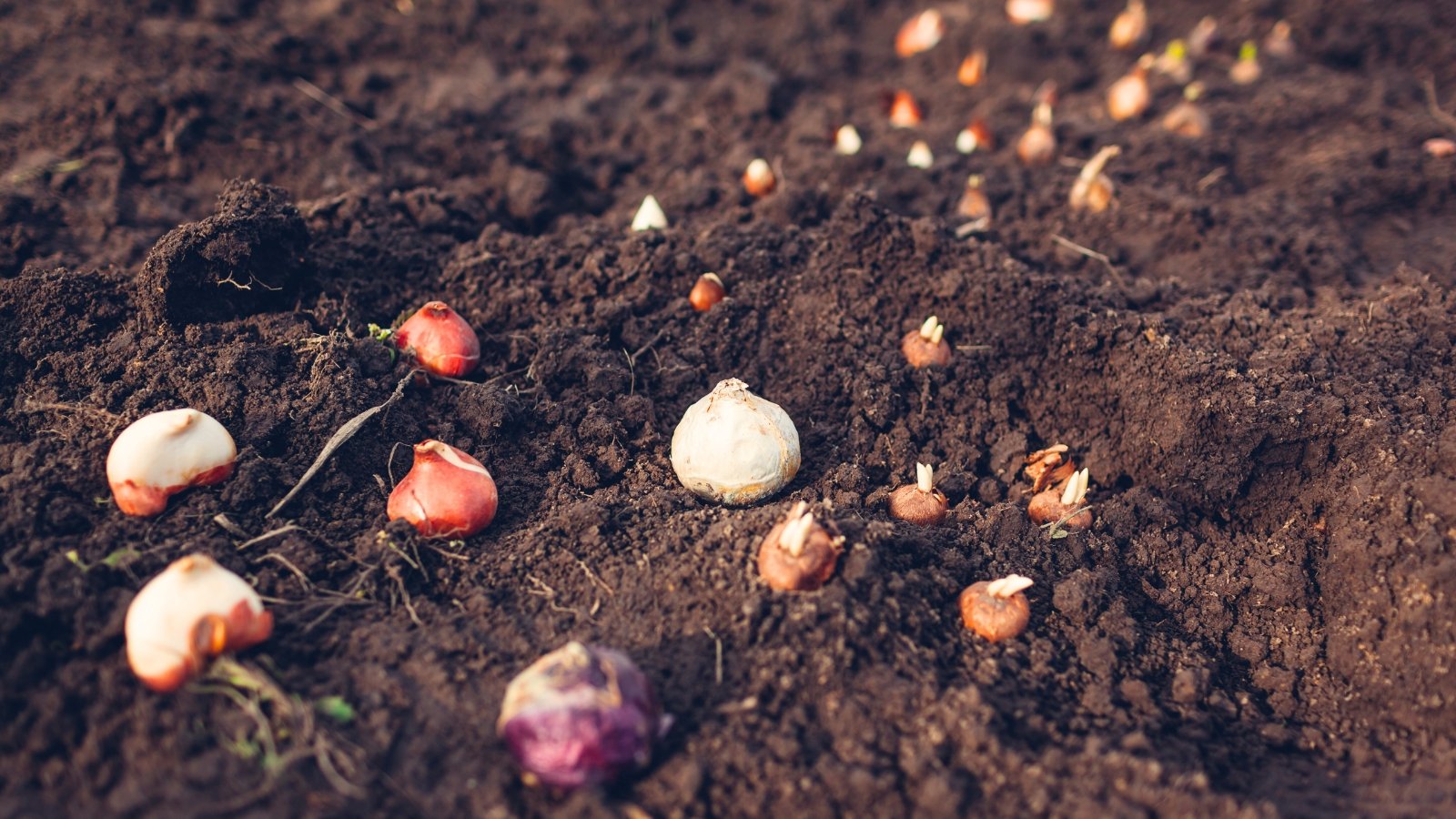
The best results start with the right bulbs for your zone and a site that suits their needs. Select firm, healthy bulbs and give them a sunny, well-drained home.
Pick Bulbs That Perennialize in Your Zone
Some bulbs bloom brilliantly once; others return for years. Mix annual-impact stunners with long-lived staples for a reliable show. For a complete growing guide on different bulb types and their needs, see the Royal Horticultural Society bulb growing guide.
- Long-lived favorites: Snowdrops, daffodils, crocus, and winter aconite naturalize well in many gardens.
- First-year stars: Tulips and hyacinths can be spectacular but are often strongest in year one.
- Check hardiness: Many spring bulbs perennialize in USDA Zones 3–8 when sited well.
Also, if you’re wondering which bulbs to avoid, check out bulbs you should never plant in your garden to save yourself headaches later
Sun and Soil That Bulbs Love
Bulbs appreciate light when they’re actively growing, then drier rest afterward. Deciduous trees are perfect partners—sun in winter, shade in summer.
- Light needs: Full sun to partial shade during the active season delivers best bloom.
- Drainage is non-negotiable: Avoid waterlogged sites to prevent bulb and root rot.
- Soil quality: Organically rich, well-drained soil is ideal; amend clay or sand with compost.
Smart Pairings for Weeks of Color
Stagger bloom times for a long-running display. I plant early, mid, and late-season varieties so the show never stops.
- Very early: Snowdrops, winter aconite, glory-of-the-snow, crocus. If you want festive indoor blooms, you can also see our guide on planting paperwhite bulbs for Christmas.
- Mid-season: daffodils and many tulips.
- Later spring: hyacinths and late tulip types.
Planting Like a Pro: Depth, Spacing, and Layout

Once you’ve chosen bulbs and prepared your site, planting is fast and satisfying. A few simple rules keep everything pointed in the right direction—literally.
Depth and Spacing Rules of Thumb
I use a simple ratio to set depth and spacing without memorizing specific numbers for every species. It’s quick, accurate, and works across bulb sizes.
- Depth: Plant bulbs at 2–3 times their height.
- Spacing: Space bulbs loosely at 2–3 times their width, adjusted for variety.
- Clumps vs. singles: Dig a wider area to plant clusters for bigger color impact and easy mulching.
Orientation and Underplanting
Get the bulb facing the right way and consider companions that help disguise foliage later. It’s form and function rolled into one.
- Right-side up: Place the flat end down (roots) and the pointed tip up (stem).
- Nature helps: Even scattered “toss planting” works—bulbs tend to orient upward due to geotropism.
- Underplanting trick: Tuck bulbs among perennials or cool-season annuals to hide fading bulb leaves post-bloom.
Watering and First Mulch
A single deep watering at planting settles soil around the bulbs. After that, average fall and winter precipitation usually does the rest.
- Initial soak: Water thoroughly after planting to close air pockets around bulbs.
- Then let nature help: Typical cool-season moisture is sufficient during dormancy.
- Finish with mulch: Apply your 2–3 inch layer at the right seasonal moment for protection.
Aftercare, Troubleshooting, and Your Handy Checklist
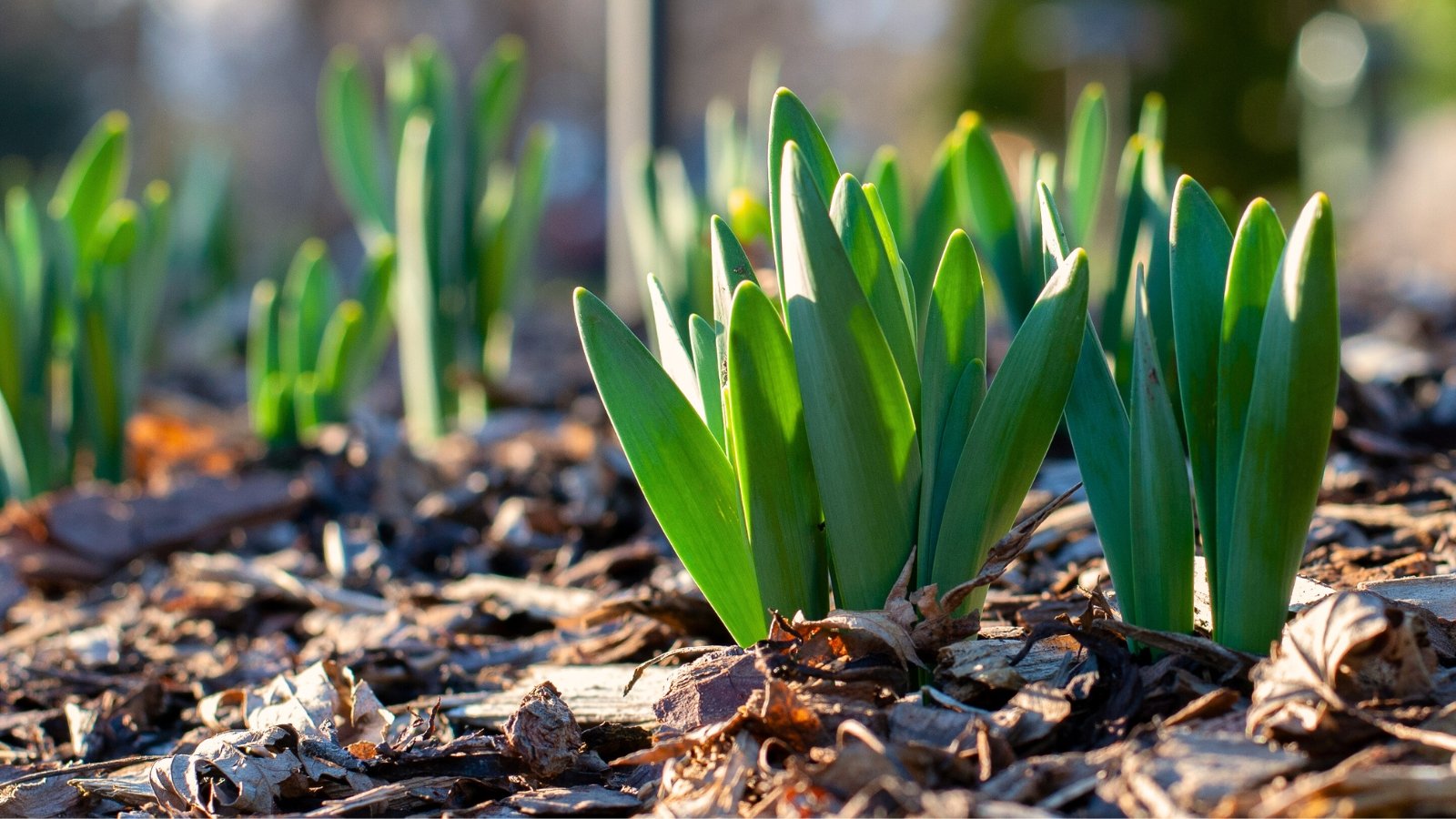
Once bulbs are tucked in, the heavy lifting is done. Keep an eye on winter weather, critter activity, and early shoots, and you’ll be set for a strong spring.
What to Expect After Planting
Healthy bulbs disappear into winter and quietly build roots. The first real sign of success is those bright green tips in late winter or early spring.
- Quiet dormancy: No top growth through winter is normal—don’t overwater or disturb the bed.
- Early peeking: If mild spells coax shoots early, your mulch layer will offer protection.
- Spring cleanup: In very cold areas, pull back extra-thick mulch in late winter to let sun warm the soil.
Common Problems and Quick Fixes
Most issues come from moisture extremes, timing missteps, or critters. A few preventive moves now save headaches later.
- Rot risk: Avoid soggy sites; improve drainage with compost and raised planting areas.
- Heaving in freeze/thaw: Reapply mulch to buffer swings and gently reset any exposed bulbs.
- Gnawing pests: Use bulb cages or sharp gravel; favor less-tasty bulbs like daffodils over tulips where rodents are common.
- Weak or sparse blooms: Divide crowded clumps, add compost, and ensure adequate sun during active growth.
Quick-Glance Table: Timing, Depth, and Mulch
| Task | Best Time | Depth/Layer | Pro Tip |
|---|---|---|---|
| Plant Spring Bulbs | When nights are 40s–50s°F (4–10°C); soil workable | Depth = 2–3× bulb height; Spacing = 2–3× width | Plant earlier in fall for better rooting before freeze |
| Divide Overgrown Clumps | Fall, as foliage has died back | Replant at original depth | Discard soft bulbs; keep firm, plump ones |
| Apply Mulch | After first heavy frost or at dormancy | 2–3 inches of leaves, compost, straw, or bark | Go thicker in cold zones, then pull back late winter |
| Choose Site | Before planting | Well-drained, sun to part sun | Deciduous canopy = winter sun + summer shade |
| Warm-Zone Workaround | Late fall to winter in zones 8–10 | Plant pre-chilled bulbs | No fridge needed if purchased pre-chilled |
One-Page Checklist
- Pick your palette: Choose a mix of early, mid, and late bloomers for weeks of color.
- Check temps: Start planting when nights sit in the 40s–50s°F (4–10°C) and soil is workable.
- Prep the bed: Loosen soil and topdress with compost for drainage and nutrients.
- Plant right: Set bulbs 2–3× their height deep, pointy end up, spaced 2–3× their width.
- Water once: Give a deep soak to settle soil; then rely on seasonal moisture.
- Mulch smart: Add 2–3 inches after the first hard frost; pull back excess late winter.
- Divide if needed: Rejuvenate crowded clumps and replant the firmest bulbs.
- Protect from pests: Consider bulb cages, gravel, or planting more daffodils where rodents roam.
Wrap-Up: The Smart-Gardening Mindset
The secret to reliable spring bulbs is simple: match timing to temperature, plant at the right depth, and mulch with intention. When you work with your climate instead of the calendar, you get better roots, stronger blooms, and fewer spring surprises.
Have a question or want to share what’s blooming in your beds? Join the conversation at Plant Care Dairy—I’d love to hear what you’re planting this season.
Disclaimer: Gardening outcomes vary by site, weather, and region. Always consider your local climate, soil conditions, and regional guidance before implementing practices described here.