
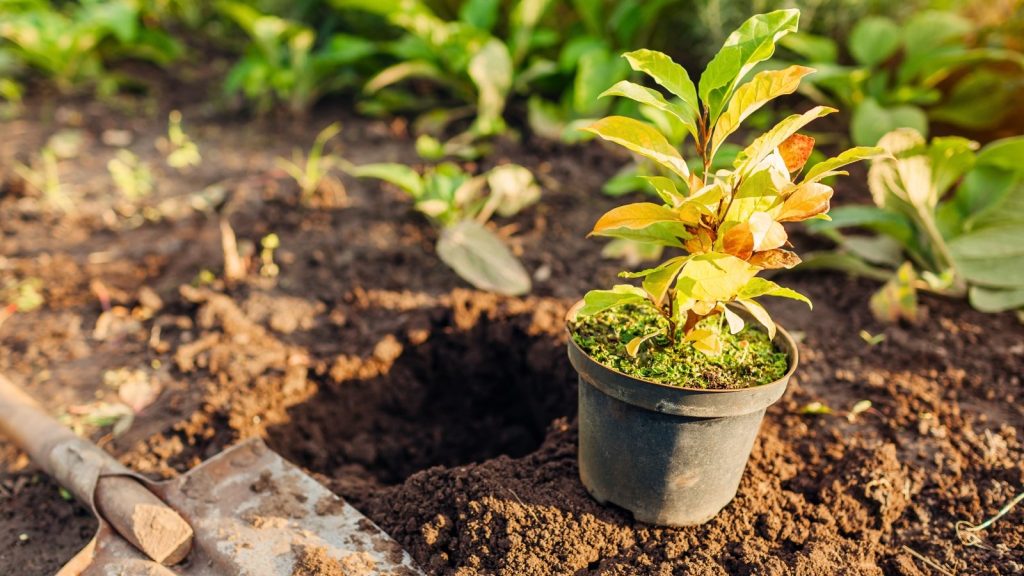
I used to dread late fall in my zone 9 North Florida garden. By summer’s end, the heat and bugs left me frazzled, and I wasn’t sure what to plant next. Then I learned that November is actually my secret weapon—cool mornings, warm soil, and fewer pests make planting downright enjoyable.
In this guide, I’ll cut through the noise and share exactly what I plant now for strong winter growth and abundant spring harvests. You’ll see which crops are happiest in zones 8–10 this month, how I time and plant them, and the simple tricks I rely on to beat heat hangovers and winter dips.
Why November Planting Works in Warm Zones (8–10)
Cool Air, Warm Soil = Faster Establishment
- Warm soil drives root growth: After summer, soil still holds heat, so plants establish quickly without wasting energy on heat stress.
- Cooler days reduce transpiration: With less water loss from leaves, plants focus on building strong roots for spring.
For gardeners in zone 8 looking for month-by-month guidance, this Zone 8 Monthly Garden Calendar is a great resource to plan tasks and planting.
Lower Pest and Disease Pressure
- Fewer insects are active: I see cleaner leaves and better-looking roots with less intervention.
- Cool weather favors vigorous greens and roots: Plants grow denser and sweeter, especially carrots, beets, and lettuce.
Watering Gets Easier
- More frequent rainfall: November storms help new plantings settle without constant hand-watering.
- Mulch holds moisture: A 2–3″ layer stabilizes soil temps and cuts watering in half for me.
Trees and Shrubs: Give Perennials a Head Start
Why Fall Planting Helps Woodies
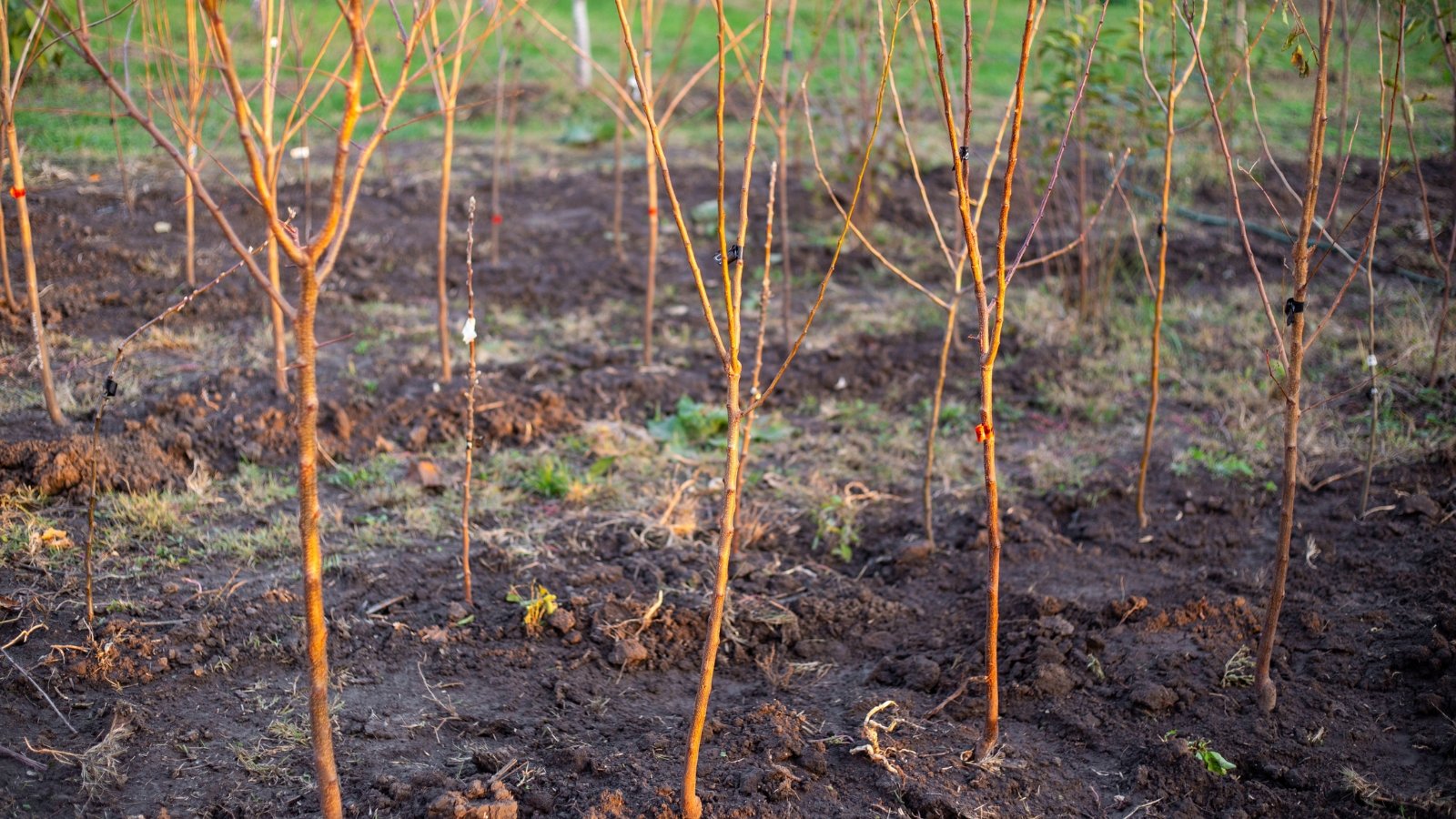
- Zero summer stress: Without blazing heat, new trees focus on roots, not leaf cooling.
- Spring momentum: They wake from dormancy ready to push growth before summer returns.
Best Trees for Zones 8–10
- Fruit trees: Apples (low-chill), peaches, plums, citrus.
- Ornamentals: Crape myrtle, magnolia, redbud.
Best Shrubs to Set Now
- Camellia and azalea: Thrive with fall planting and reward you with spring blooms.
- Gardenia and loropetalum: Establish quickly in mild winters.
How I Plant for Success
- Dig wide, not deep: A hole 2–3× wider than the root ball encourages spreading roots.
- Set root flare at soil level: Burying trunks invites rot—keep the flare visible.
- Water in and mulch: Soak thoroughly and add 2–3″ mulch, keeping it off the trunk.
Leafy Greens: Fast Wins for Cool Days
Why November Is Prime
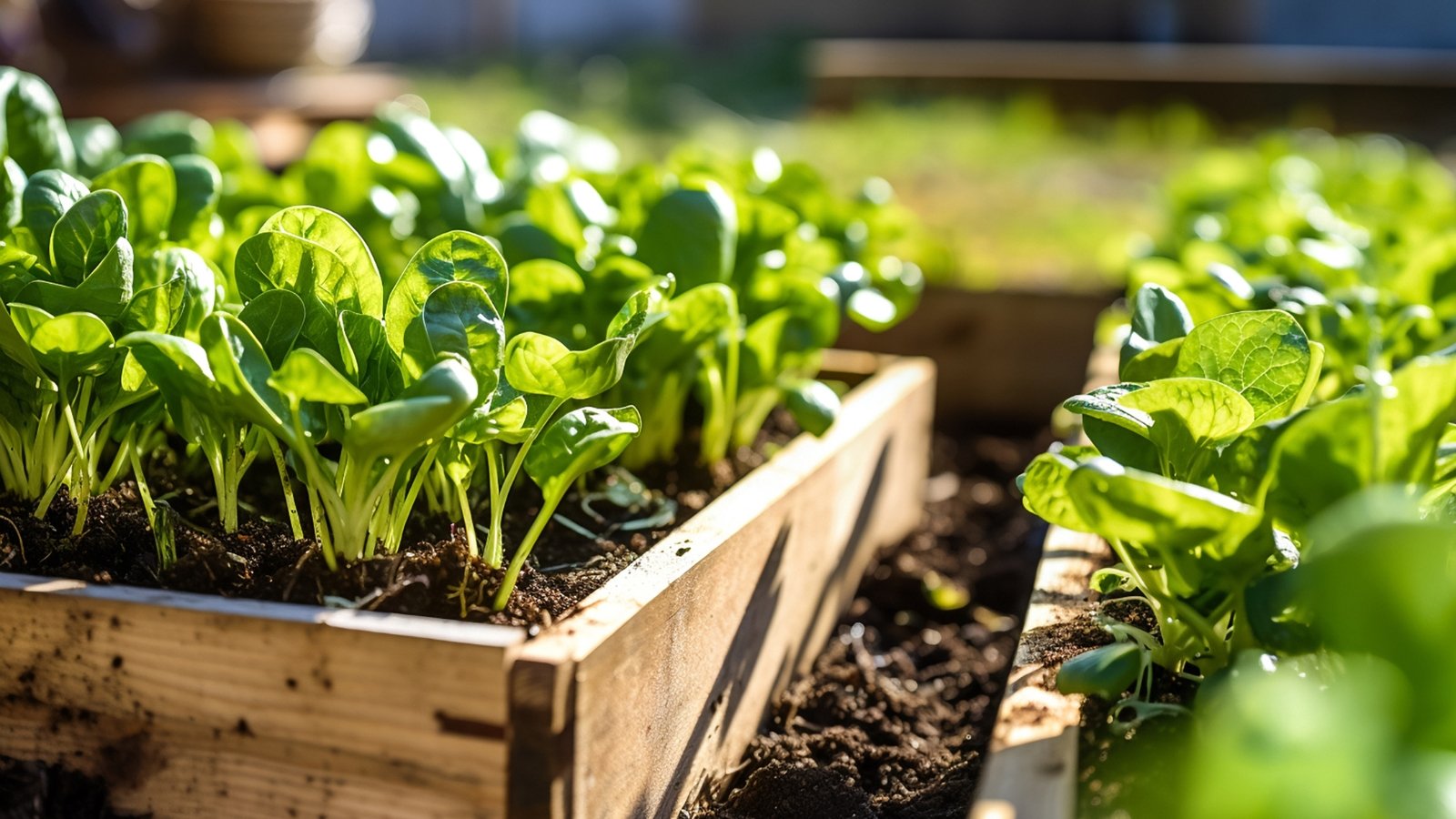
- Ideal temps (50s–70s°F / 10–21°C): Leaves stay tender and growth stays steady.
- Frost boosts flavor: A light frost sweetens spinach, kale, and lettuce.
If you’re in zones 9–10, this November Garden Checklist helps ensure you don’t miss any planting or care tasks this month.
Direct-Sow or Transplant?
- Direct-sow for speed: I sow most greens now and they’re harvestable in under two months.
- Transplant when you need a jump: Starts help fill gaps fast in a cut-and-come-again bed.
What to Plant Now
- Salad mix and head lettuce (butterhead, romaine, looseleaf).
- Spinach, Swiss chard, kale (lacinato, curly).
- Mustard, collards, bok choy, mizuna.
Harvest and Frost Tips
- Cut outer leaves first: Keep the center growing for repeat harvests.
- Cover on rare hard freezes: A row cover protects and speeds growth by a week or two.
Root Crops: Sweet, Storage-Friendly Staples

Cold Makes Roots Sweeter
- Chill concentrates sugars: Carrots, beets, and turnips taste richer after cold snaps.
- Fewer pests now: You’ll get cleaner, better-formed roots in winter beds.
For a full list of vegetables, herbs, and flowers that thrive when planted in November, check out What to Plant in November.
Direct-Sow Basics
- Sow where they’ll grow: Most roots dislike transplanting—direct-sow and thin early.
- Quick growers: Radishes, carrots, beets, turnips; sow succession rows every 2–3 weeks. For a detailed guide on which seeds to start in November for a winter harvest, see Vegetable Seeds to Sow in November.
Garlic, Onions, and Potatoes
- Garlic: Plant cloves now; they root in fall and bulk up in spring.
- Onions: Set short-day seedlings or sets for late spring harvest.
- Potatoes: In mild areas, plant for an early spring dig.
Common Issues to Watch
- Crusting or compaction: Keep beds loose and moist for even germination.
- Overcrowding: Thin decisively—tight spacing leads to spindly roots.
Brassicas and Peas: Cold-Loving Workhorses
Brassicas: Start with Transplants
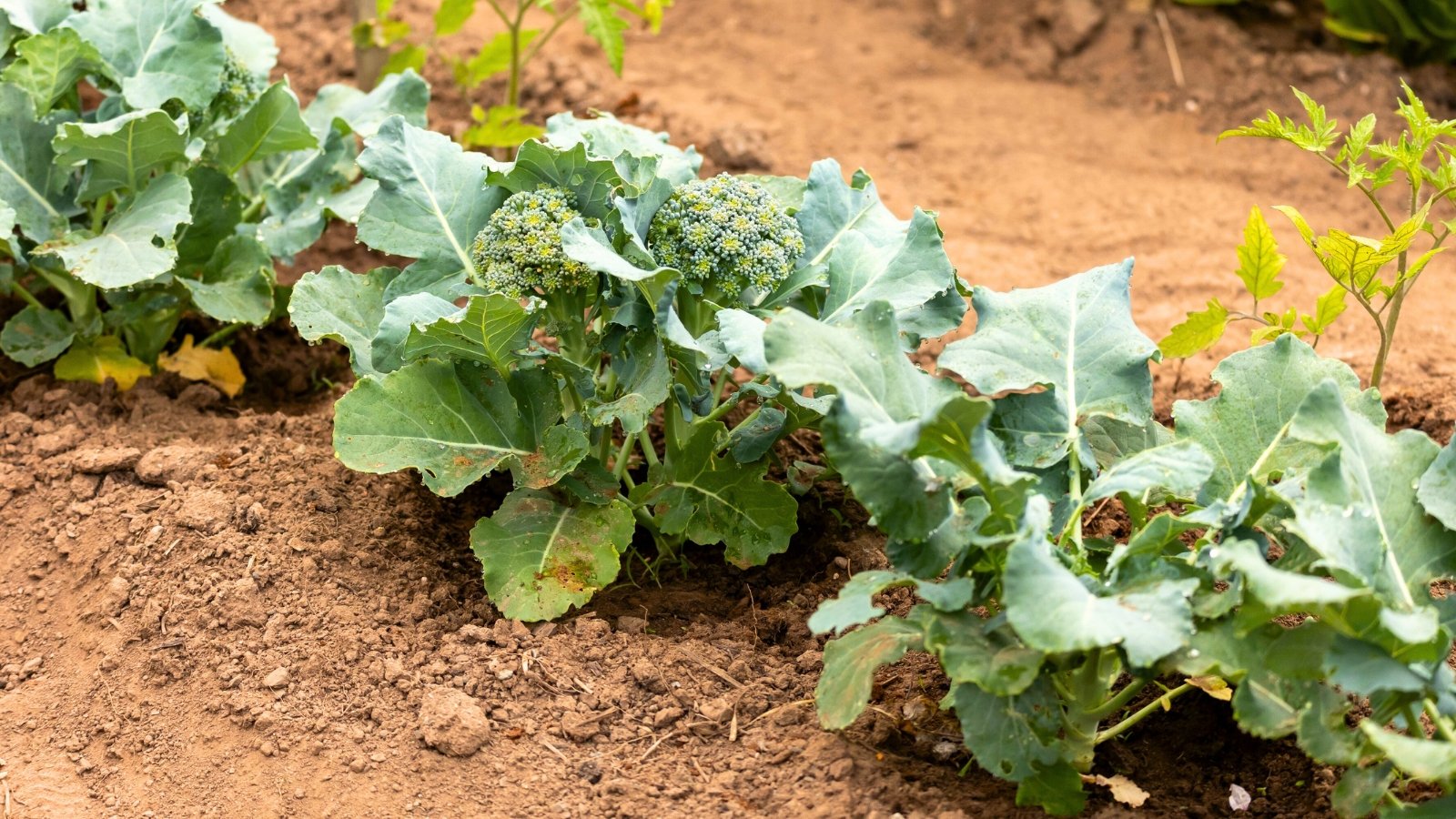
- Plant starts in November: It’s late to seed; use nursery transplants for a head start.
- What I grow: Broccoli, cabbage, cauliflower, kohlrabi, and the occasional Brussels sprout.
- Sun matters in winter: Shorter days mean you should chase the brightest bed you have.
Peas: Direct-Sow and Support

- Soak and sow: Large seeds germinate fast; I soak overnight and direct-sow.
- Choose cool-loving types: Snow peas, shelling peas, and sweet peas all thrive now.
- Trellis early: Install a fence or net the day you plant to avoid root disturbance.
Light and Frost Management
- Protect on hard freezes: Row cover keeps buds and blooms intact for bigger spring harvests. You can also follow this November Tasks to Protect Plants and Animals guide to keep your garden and local wildlife safe during cold snaps.
- Rotate beds: Follow peas with heavy feeders like tomatoes and peppers to use that nitrogen boost.
Herbs, Bulbs, and Frost-Tolerant Flowers
Hardy and Cool-Season Herbs
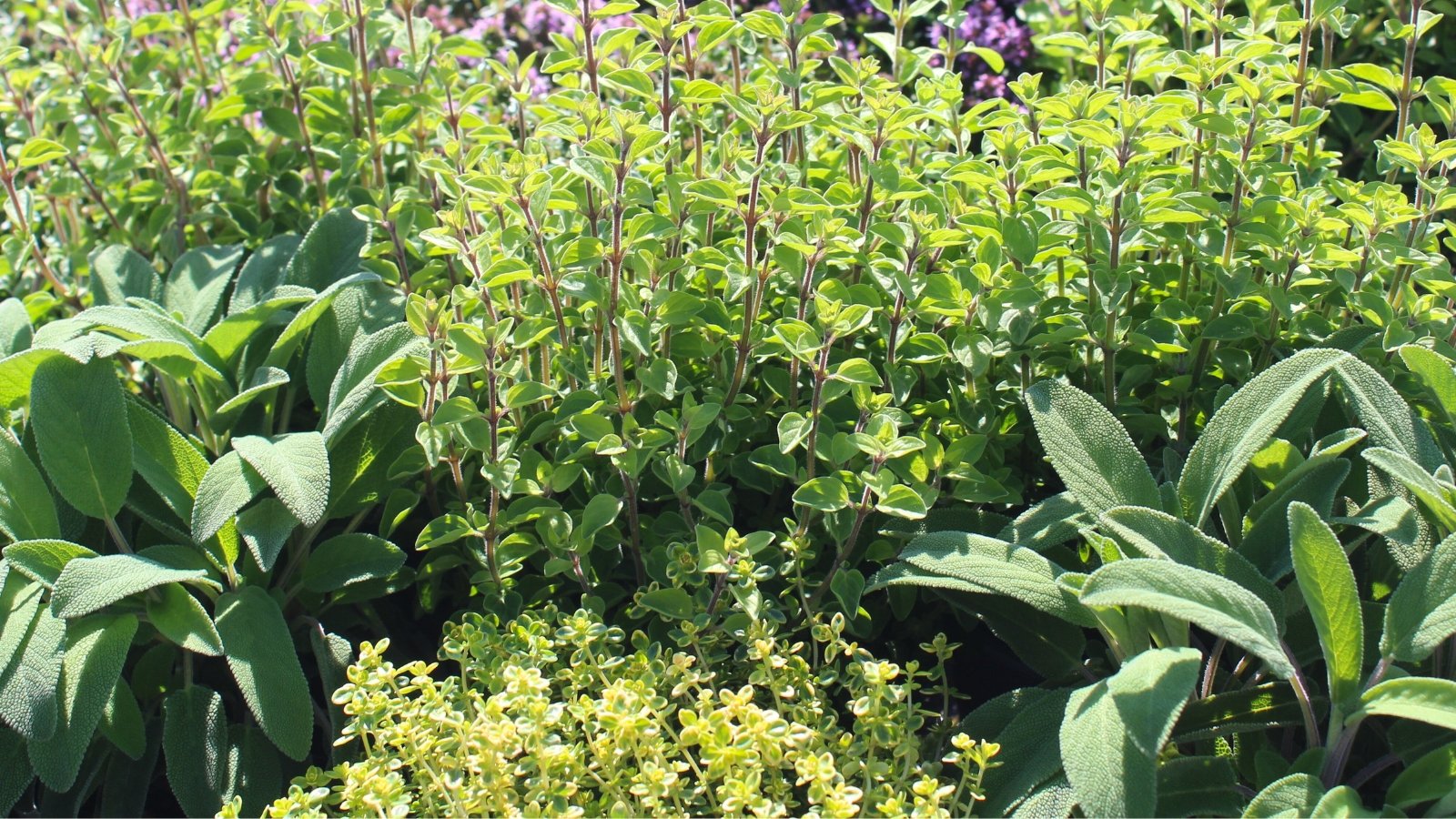
- Perennial powerhouses: Thyme, sage, oregano, and chives establish beautifully now.
- Cool-season annuals: Sow cilantro and parsley—they love crisp mornings and bolt less.
- Tip: Plant in well-drained soil and skip heavy fertilizers; herbs prefer leaner conditions.
Spring-Flowering Bulbs
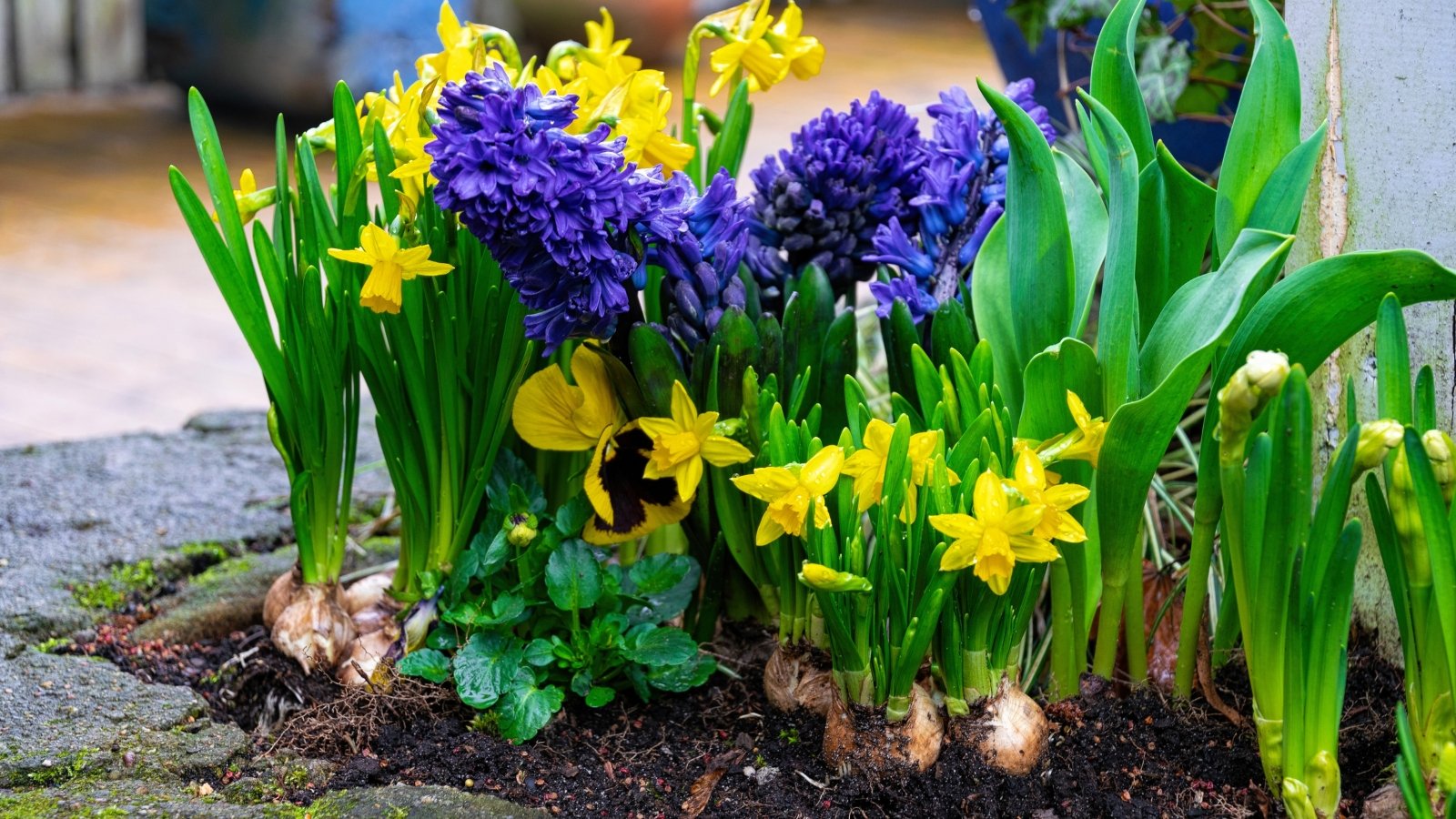
- Right-for-zone picks: Daffodils, irises, alliums, lilies, and gladiolus shine in warm zones.
- Timing matters: Plant now so bulbs receive enough chill to trigger spring blooms.
- Mulch lightly: A thin layer insulates soil and preserves moisture.
Frost-Tolerant Flowers

- Planted now, stunning later: Ranunculus, snapdragons, bachelor’s buttons, dianthus, and pansies.
- Cold resilience: Most handle frosts; with light protection, many shrug off a hard freeze.
- Quick color: Calendula can flower in 45–60 days for cheerful winter blooms.
Quick Checklist & Timing Table
- Prep beds: Clear summer debris, add compost, and mulch after planting. For easy, low-maintenance tasks that keep your garden productive this month, check out Set and Forget Garden Jobs for November.
- Plant in order of priority: Trees/shrubs → roots/garlic → greens → brassicas → peas → herbs → bulbs → flowers.
- Watch the forecast: Have row cover ready for rare hard freezes.
- Succession-sow: Re-sow greens and quick roots every 2–3 weeks for steady harvests.
| Crop Group | Start Method | November Timing (Zones 8–10) | First Harvest Window |
|---|---|---|---|
| Trees & Shrubs | Transplant | Plant anytime this month | Established by spring |
| Leafy Greens | Direct-sow or transplant | Early–late November | 4–8 weeks |
| Root Crops | Direct-sow | Early–mid November | 4–12 weeks (variety dependent) |
| Brassicas | Transplant | Early–mid November | 8–14+ weeks |
| Peas | Direct-sow | Early–mid November | Late winter–early spring |
| Herbs | Transplant (perennials); direct-sow (annuals) | All month | Ongoing through spring |
| Spring Bulbs | Plant bulbs/corms | Mid–late November | Early–mid spring |
| Frost Flowers | Transplant or direct-sow (variety) | All month | Late winter–spring |
Smart gardening isn’t about doing more—it’s about planting the right crops at the right time. In zones 8–10, November is your window to set roots, stack easy wins, and cruise into spring with momentum.
Want more tried-and-true plant care guides? Visit Plant Care Dairy for fresh tips, checklists, and seasonal plans.