

I still remember the first time I planted a cherry tree in my backyard. I was excited, but also nervous—would it survive the winter? Would it actually bear fruit? Planting cherry trees isn’t just about digging a hole and dropping in a sapling. The timing, the variety, and the way you care for it in those first crucial weeks can make all the difference between a tree that thrives and one that struggles for years.
If you’ve ever wondered when the best time to plant a cherry tree is, or how to give it the strongest start possible, you’re in the right place. I’m going to walk you through everything I’ve learned—from choosing the right season to understanding your tree’s unique needs—so that your cherry tree has the best shot at a healthy, fruitful life.
Understanding the Right Timing for Planting Cherry Trees
Timing is everything when it comes to planting cherry trees. I’ve learned that planting too early or too late can make a huge difference in whether your tree thrives or struggles. You’re not just dropping a sapling in the ground—you’re giving it the start it needs to establish strong roots and survive seasonal challenges.
Why Timing Affects Long‑Term Success
When I first started gardening, I underestimated how much timing influenced my trees’ health. Here’s what I learned:
- Root establishment: Planting while the tree is still dormant gives roots time to grow before the stress of summer heat.
- Climate zone impact: Trees in colder climates need the ground thawed, while warmer climates might require low‑chill varieties.
- Frost risk: Early blossoms can be damaged by unexpected late frosts, reducing fruit yield.
- Dormancy stage: Planting when the tree is fully dormant ensures less transplant shock and better survival.
If you consider these factors, you’ll see that the right timing isn’t just a suggestion—it’s the foundation for long-term success.
Best Seasons to Plant — Spring vs. Autumn/Fall
You might be wondering, “So should I plant in spring or fall?” From my experience, it depends on your tree type and local conditions:
- Bare‑root trees: Plant these in early spring, once the ground has thawed but before buds break. Dormant trees handle transplanting better during this period.
- Container trees: These are more flexible—you can plant in spring or fall, but watch out for extreme heat or frost.
- Pros and cons:
- Spring planting allows the tree to establish before summer, but you’ll need to water more as temperatures rise.
- Fall planting takes advantage of cooler soil temperatures and natural rainfall, giving roots time to grow, but frost in early winter can be risky.
According to the Royal Horticultural Society, in the UK, planting during the dormant period of November to March is ideal for optimal growth. This aligns well with my experience in temperate zones.
How Your USDA Hardiness Zone (and Indian Climate Equivalent) Shifts the “Window”

Where you live changes everything. I learned the hard way that a strategy that worked for my friend in Zone 7 didn’t work for me in Zone 4. Here’s a quick guide:
- Colder zones (USDA 3‑5): Wait until the soil has thawed. Frost pockets can kill newly planted trees.
- Moderate zones (USDA 6‑7): Early spring works well; some gardeners also plant in late autumn.
- Warmer zones / low-chill regions (USDA 8‑10 or Indian subcontinent tropical regions): Choose low‑chill varieties and plant before the hottest months.
- Chill hours: Most sweet cherries need 700–1,000 hours of cold dormancy; tart cherries slightly less. Low‑chill varieties can fruit in areas with fewer cold hours.
Site Preparation Timing: Before Planting Day
Finally, it’s not just about when you plant but also what you do before planting. I always make sure to:
- Prepare the soil a few weeks in advance (loosen, add compost, check drainage).
- Choose your planting spot carefully—full sun, well-drained soil, away from frost pockets.
- Order trees early so they arrive during dormancy.
- Prune damaged roots or branches before planting to encourage healthy growth.
Getting these steps right before planting day ensures that when you finally put your tree in the ground, it has every advantage to thrive.
Choosing the Right Cherry Tree Variety Before Planting
Picking the right cherry tree isn’t as simple as choosing a pretty fruit. I’ve spent years learning that variety, rootstock, and climate needs all interact with timing, and ignoring this can cost you years of growth.
Sweet vs Tart Cherries: Differences in Planting Needs
Here’s how I usually explain it:
- Sweet cherries: Require more chill hours and careful pollination. Best suited for temperate regions.
- Tart cherries: Slightly hardier, fewer chill hours needed, easier for beginners in varied climates.
- Pollination: Some sweet cherries need a compatible neighbor for fruiting, while tart cherries are often self-pollinating.
Knowing this helps you avoid the heartbreak of a tree that flowers but never sets fruit.
Rootstock & Tree Size: How Planting Time May Vary
Rootstock affects how your tree grows and establishes:
- Dwarf or semi-dwarf trees: Establish faster, easier to manage, and sometimes more forgiving on planting timing.
- Standard trees: Larger roots and canopy, need more careful site prep and precise timing to avoid stress.
Chill-Hours, Climate, and Low-Chill Varieties for Warmer Regions
For those in warmer climates (US South, India, etc.), this is key:
- Identify low-chill varieties that need fewer hours of cold to fruit.
- Timing may shift earlier in the season to avoid hot summers. If you’re experimenting with low-chill or tropical fruit trees in warmer climates, I’ve also shared my step-by-step process for growing fig trees at home, which can offer tips transferable to cherries and other fruits. Check out How to Grow a Fig Tree at Home From Planting to Harvesting Figs Easily for full guidance.
- I often tell gardeners: “Planting a high-chill variety in a warm climate is a recipe for disappointment.”
This level of detail is what separates a generic “plant in spring” guide from a practical, real-world planting plan you can trust.
Step‑by‑Step Guide to Planting Your Cherry Tree
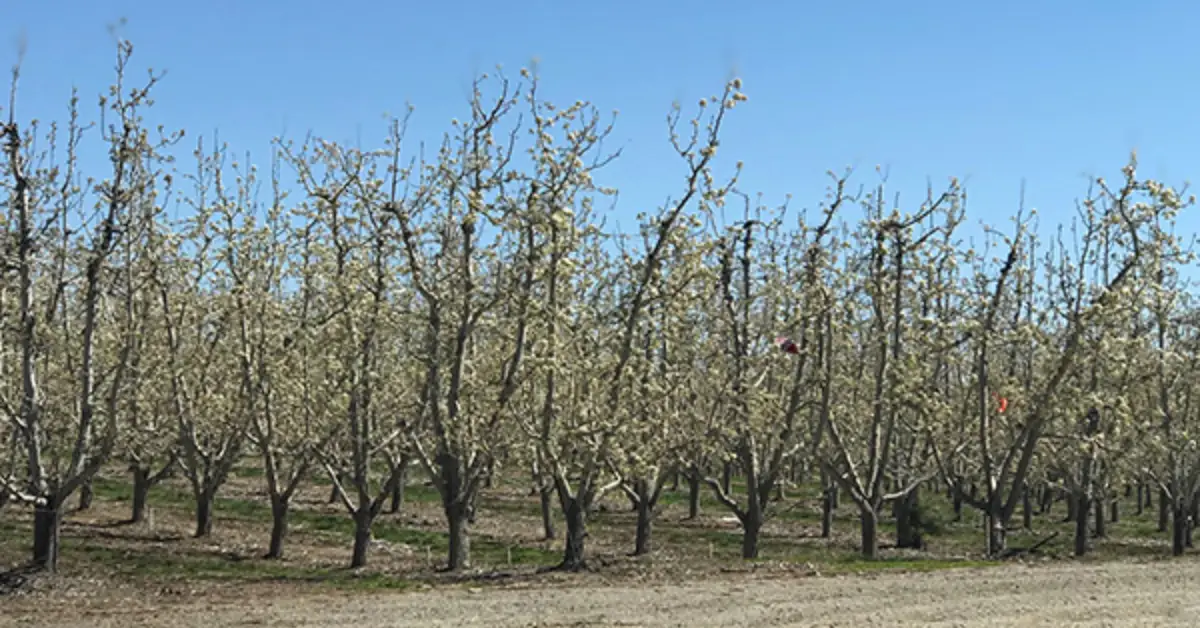
Once you know when to plant and which variety is right for you, the next step is actually putting the tree in the ground. I like to think of this as giving your cherry tree the best possible start in life. Here’s how I do it:
Site Selection: Sun, Soil, Drainage, Micro‑Climate
Choosing the right spot can make or break your tree. I always look for:
- Full sun: At least 6–8 hours daily for strong growth and fruiting.
- Well-drained soil: Avoid areas where water pools after rain—roots hate soggy feet.
- Micro-climate awareness: Low spots may collect frost; slopes or slightly elevated areas often reduce frost risk.
- Wind protection: Young trees are vulnerable to strong winds, so shelter or fencing helps.
Tip: If you follow the planting timing advice, you can sync your site selection with the expected frost patterns and soil readiness to maximize success.
Soil Preparation and Planting Hole Timing
Before I plant, I make sure the soil is ready:
- Dig the hole about twice the width of the root ball and the same depth.
- Mix in compost or organic matter to enrich the soil. I like to follow some of the simple yet effective techniques my grandparents used in gardening—they’re surprisingly useful even today—check out Gardening Tips from Grandparents That Still Work for more ideas.
- Let the hole sit for a few days if possible; this ensures proper drainage.
- For bare-root trees, prepare the hole just before the tree arrives, so roots aren’t exposed too long.
Timing here matters: soil should be workable (not frozen or overly wet), which ties back to the planting season we discussed earlier.
Planting Bare‑Root vs Container Trees: Timing Differences
I’ve found that knowing the type of tree you have changes the process:
- Bare-root trees: Best planted while dormant, typically early spring. Plant quickly to avoid roots drying out.
- Container trees: More flexible—can be planted in spring or autumn. You just need to ensure the soil isn’t frozen or waterlogged.
Both types need careful handling, but bare-root trees demand more precision because they can’t sit in the ground until conditions are ideal.
First-Year Care: Watering, Staking, Mulch, Timing of First Pruning
The first year is crucial. I always:
- Water deeply once or twice a week, adjusting for rainfall.
- Stake the tree if it’s tall or in a windy spot.
- Mulch around the base to retain moisture and regulate soil temperature.
- Delay heavy pruning until the second winter to avoid stressing young growth.
Following these steps helps your tree establish strong roots and reduces the chance of transplant shock.
Maintenance Tips Aligned With Planting Time
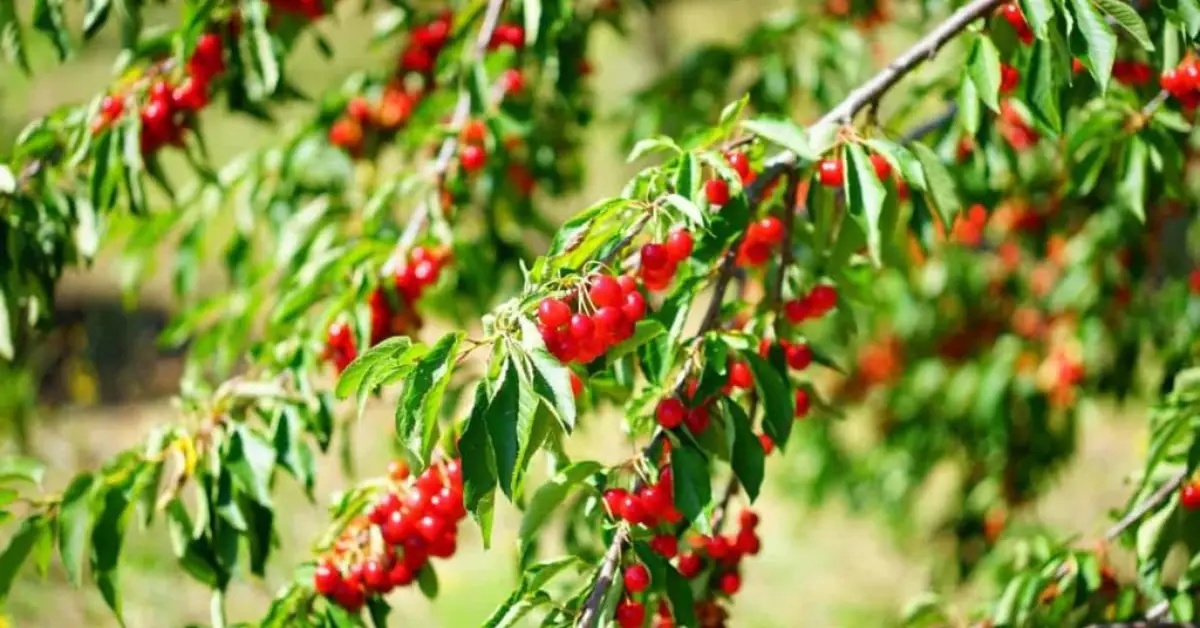
Planting is only the beginning. If you adjust maintenance based on when you planted, your cherry tree will thank you with healthier growth and better fruit.
Seasonal Care Schedule Based on Planting Season
Here’s what I’ve learned from experience:
- Spring planting: Focus on protecting roots from summer heat and consistent watering.
- Autumn/fall planting: Emphasize frost protection and soil moisture over winter. In addition, incorporating eco-friendly techniques—like mulching with natural materials or conserving water—can make a big difference. Learn more in Eco-Friendly Fall Garden Tips Every Gardener Should Try.
- Adjust fertilization and pruning schedules according to the season to avoid stressing the tree.
Frost Protection, Bird Netting, and Other Timing-Sensitive Tasks
Timing also affects the small but important tasks:
- Frost protection: Cover blossoms if an unexpected late frost threatens.
- Bird netting: Start as soon as fruits appear to prevent losses.
- Watering: Young trees planted in autumn may need supplemental watering if winter is dry.
According to the Almanac, timing these actions carefully based on your planting season reduces fruit loss and ensures healthier growth.
When to Prune, Fertilize, and Expect First Fruits
- Pruning: Light pruning in the first year; major pruning in the second winter.
- Fertilization: Start with a balanced fertilizer in early spring of year two.
- Fruit timing:
- Dwarf varieties often produce fruit in 1–2 years.
- Standard trees usually take 3–4 years to bear a full crop.
This section ties everything back to the planting timing, showing how early decisions impact long-term growth and productivity.
Troubleshooting Planting Mistakes & Timing Pitfalls
Even with careful planning, things can go wrong. I’ve been there—sometimes you plant at the wrong time, or unexpected weather throws a wrench in your schedule. The good news is, most mistakes are recoverable if you know what to look for.
Planting Too Early or Too Late: Risks and How to Recover
- Too early: Planting in frozen ground or before dormancy can stunt growth or kill roots. If this happens, I’ve learned it’s best to:
- Protect the tree with mulch or frost blankets.
- Delay fertilization until the tree shows signs of growth.
- Too late: Planting in the middle of summer heat can stress the tree. Recovery steps include:
- Deep, consistent watering.
- Shade protection during the hottest part of the day.
- Light pruning to reduce stress on foliage.
Recognizing these early lets you act quickly and give your tree a second chance.
Soil Drainage / Frost Pocket Issues That Worsen If Timing Is Wrong
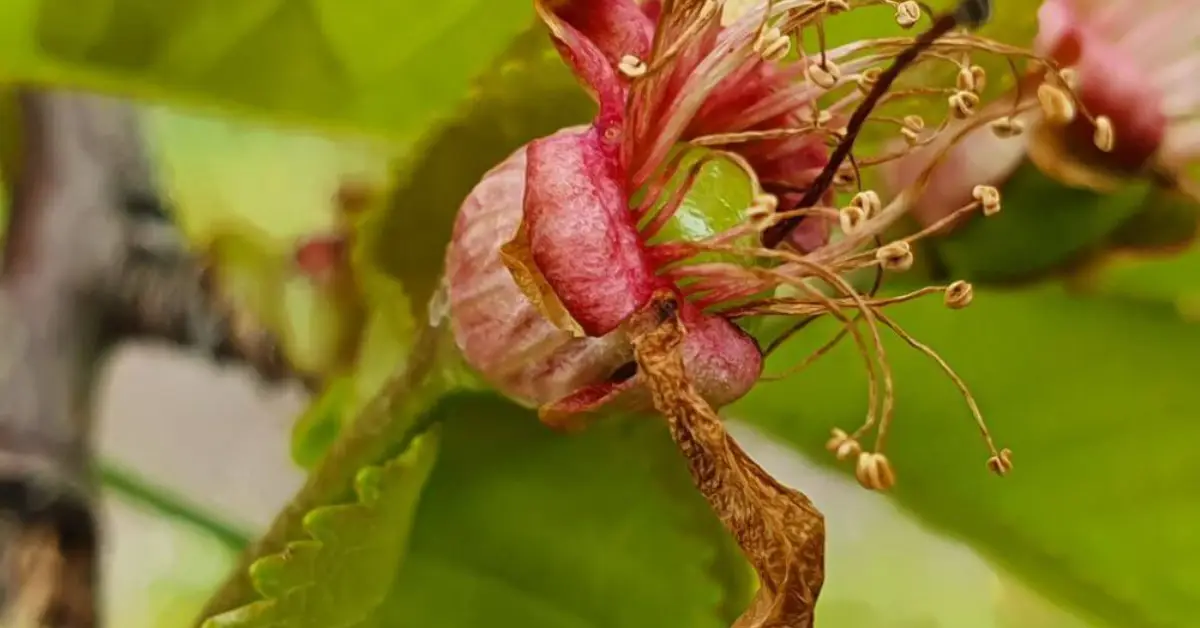
Timing interacts heavily with microclimates:
- Soggy soil: Planting too early in wet soil can lead to root rot. I always check soil moisture before digging.
- Frost pockets: Trees planted too late in frost-prone areas risk blossom or young bud damage. A simple elevation check or frost blanket can save your crop.
Pollination and Flowering Issues Due to Timing / Matching Varieties
I’ve also seen trees fail to fruit simply because the timing of flowering didn’t match pollinators or nearby trees:
- Planting too early may cause flowers to bloom before pollinators are active.
- Mismatched varieties nearby can prevent successful fruiting.
- Planning your planting schedule around both tree and pollinator activity is crucial for a good harvest.
Timing Considerations for Specific Regions & Conditions
One-size-fits-all advice rarely works. Where you live dictates a lot about planting success. I always tell fellow gardeners: consider your climate first, then your variety.
Cold-Climate (US Zones 3–5) Timing and Variety Advice
- Best planted in early spring, after the ground has thawed but before buds break.
- Hardy tart cherry varieties often fare better than sweet varieties in these zones.
- Use mulch and frost protection during the first winter for young trees.
Warmer Climates or Low-Chill Regions (US South, India, etc.)
- Plant before the hottest months to give roots time to establish.
- Choose low-chill varieties to ensure flowering and fruiting despite milder winters.
- Pay attention to summer heat—trees may need shade or more frequent watering during establishment.
Container Planting & Small-Space Gardens: Timing Flexibility
I love container trees for city gardens or patios. They give you flexibility:
- You can plant almost any time as long as soil conditions are right.
- Containers allow better control over water, soil, and frost protection.
- Ideal for experimenting with different varieties without committing large ground space.
For detailed guidance on planting timing, frost considerations, and first-year care, I recommend the Better Homes & Gardens cherry planting guide. It’s full of practical advice that aligns perfectly with what I’ve shared here.
Summary and Your Checklist for Planting at the Right Time
By now, you’ve seen that timing, variety, and preparation are the three pillars of a successful cherry tree. To make it easy, I’ve put together a quick checklist you can use before you plant:
Main Timing Decision Points
- Season: Early spring for bare-root; spring or autumn for container trees.
- Zone: Consider your USDA hardiness zone or local climate equivalent.
- Rootstock: Dwarf or semi-dwarf establish faster; standard needs precise timing.
Before-You-Dig Checklist
- Site selection: Full sun, well-drained, away from frost pockets.
- Variety choice: Sweet vs tart, pollination needs, and chill-hour requirements.
- Season & soil: Ensure soil is workable and tree is dormant if bare-root.
- Tools & materials: Shovel, compost, mulch, stakes, frost protection if needed.
I highly recommend bookmarking this checklist or even printing it to keep by your planting area—it makes the process less stressful and keeps you organized.
Your turn: Have you planted a cherry tree before? Or are you planning your first one? Share your experience or questions in the comments below—I’d love to hear what’s worked for you and help you troubleshoot any challenges.
For more practical planting guides, care tips, and seasonal checklists, visit Plant Care Dairy—your go-to resource for actionable, easy-to-follow gardening advice.
Disclaimer: The information provided in this article is for general gardening guidance. Growing conditions vary by region, soil, and climate, so always consider local advice and consult a professional if needed.