
When I first started planting bulbs in my garden, I thought any cheerful bloom was fair game. I pictured colorful spring flowers popping up everywhere, and I didn’t worry much about how fast they spread or whether they were compatible with my other plants. I quickly learned that some bulbs are more trouble than they’re worth. They can take over entire flower beds, sneak into lawns, and even choke out the native plants I was trying to protect. Some are toxic to pets or kids, and a few are almost impossible to remove once they’ve settled in.
After a few frustrating seasons, I realized it wasn’t just about choosing pretty flowers—it’s about being smart with what you plant. That’s why I decided to put together this guide: to show you the five bulbs I’ve learned to avoid at all costs. But I didn’t want it to be just a list of “don’ts.” I also wanted to give you actionable alternatives—bulbs and plants that give you the same colors and seasonal charm without the endless maintenance or risk.
If you’ve ever planted a bulb only to regret it a season later, or watched your garden slowly get overtaken by one aggressive species, you’re going to want to read this. By the end, you’ll know not only which bulbs to skip but also how to choose smarter, safer options that let your garden thrive beautifully, year after year.
The Hidden Risks of Planting the “Wrong” Bulbs
Over the years, I’ve learned that not all bulbs are created equal. Some may look harmless in the nursery, but once they’re in your garden, they can cause more trouble than joy. I want to share why certain bulbs deserve a hard pass, so you can avoid costly mistakes and protect your garden’s health.
The risks usually fall into a few main categories:
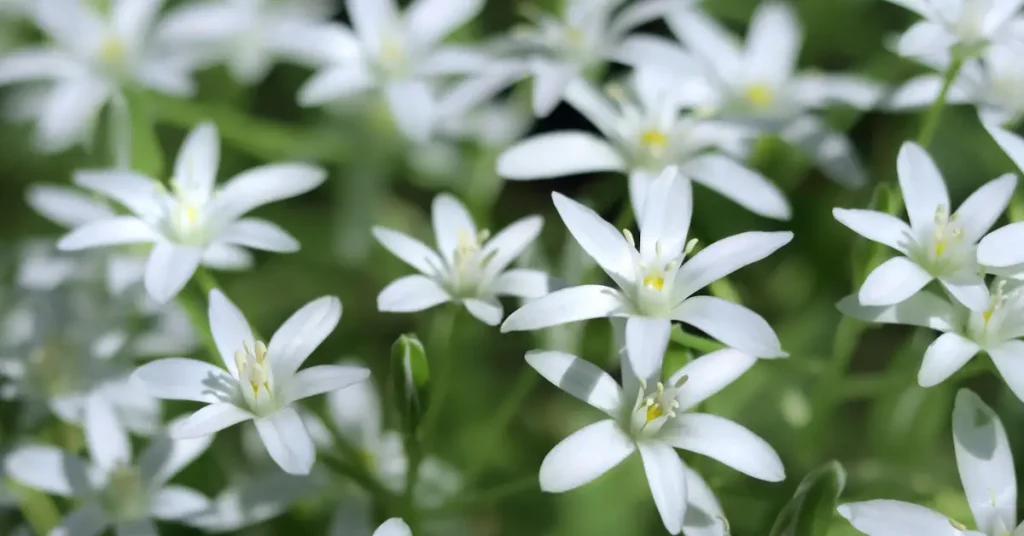
- Invasiveness – Some bulbs spread aggressively, sending out seeds, bulblets, or rhizomes that can take over beds, lawns, and even neighboring gardens. A classic example is the Star of Bethlehem, which can form dense mats that are almost impossible to remove once established.
- Toxicity – Certain bulbs contain compounds that are harmful to pets or children if ingested. You don’t want a pretty bloom turning into a safety hazard.
- Maintenance Headaches – Some bulbs may look low-maintenance at first, but they can require constant digging, dividing, or removal to keep them under control.
What “Invasive” Means in the Bulb World
When I talk about invasive bulbs, I’m not just being dramatic. In horticulture, “invasive” means a plant spreads beyond where you intended, often outcompeting other plants and upsetting the balance of your garden. These bulbs reproduce in a few different ways:
- Seeds – They drop and sprout in places you didn’t plant them.
- Bulblets – Tiny bulbs form around the parent bulb and pop up in new locations.
- Rhizomes or Underground Stems – Some bulbs send out runners that spread beneath the soil surface, creating large colonies over time.
Understanding these mechanics helps you spot the problem early and make smarter planting choices. For instance, Gardening Know How provides a detailed list of spring bulbs known to be invasive, explaining exactly how they spread and why they can overtake gardens if not managed.
Other Concerns: Toxicity, Maintenance, and Ecological Impact
I also keep in mind bulbs that may not spread aggressively but still pose problems. Some of them are toxic to humans and pets, meaning a curious child or dog could get hurt if they nibble on a bulb. Others are simply high-maintenance, demanding digging, dividing, or ongoing removal to prevent them from taking over.
By being aware of these issues before you plant, you can save yourself frustration—and ensure your garden stays healthy, safe, and beautiful year after year.
Top 5 Bulbs to Avoid – And the Reasoning
Over the years, I’ve noticed that some bulbs, despite looking charming, can quickly turn your garden into a maintenance nightmare. Let me walk you through the five bulbs I’ve learned to avoid, why they’re problematic, and what you can plant instead to get the same seasonal beauty without the risk.
Siberian Squill (Scilla siberica)
- Why it’s a problem: Rapid self-seeding and bulblets make it highly invasive in the U.S. Midwest and Northeast. Once established, it can take over flower beds and crowd out other plants.
- Alternative: Try early-spring snowdrops or a managed species tulip—they give you that cheerful blue splash without the uncontrolled spread.
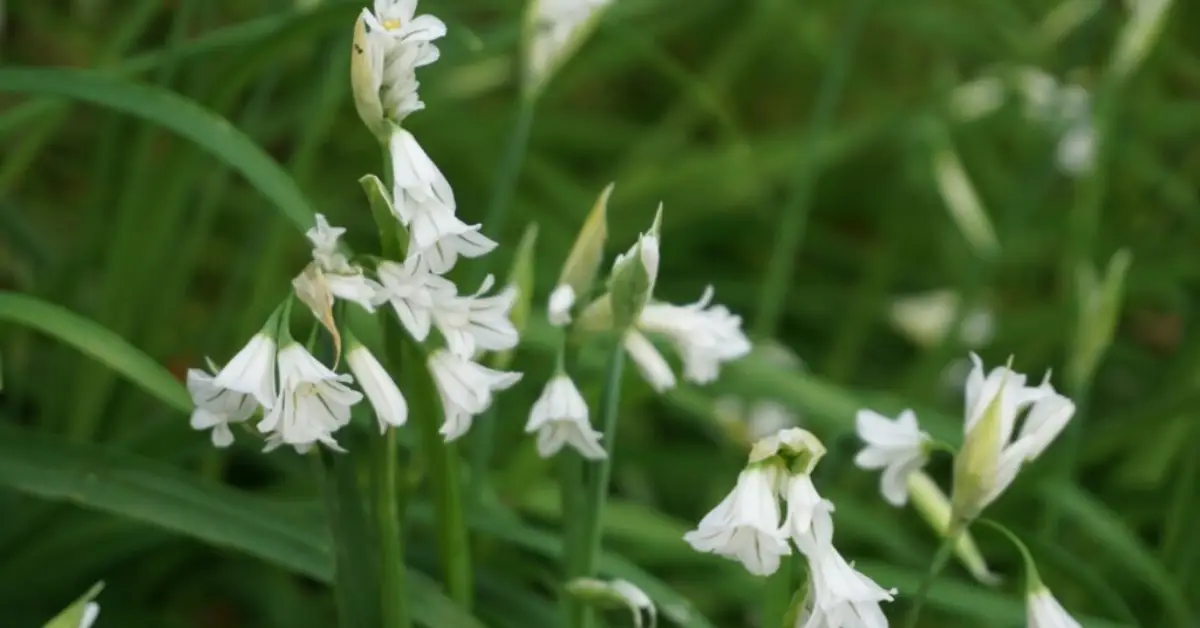
Spanish Bluebells (Hyacinthoides hispanica)
- Why it’s a problem: They hybridize easily and can outcompete native bluebells, becoming invasive in several U.S. states.
- Alternative: Use native bluebells or other woodland-friendly shade bulbs that don’t spread aggressively.
Italian Arum (Arum italicum)
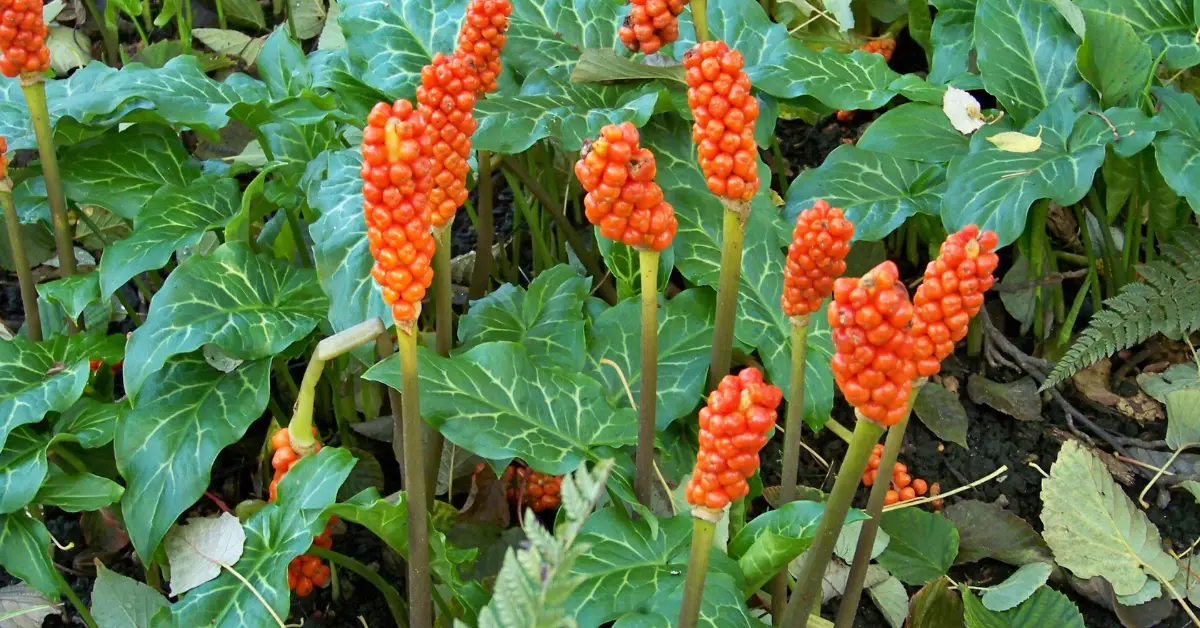
- Why it’s a problem: Shade-loving, spreads via rhizomes and seeds, and is considered toxic in many U.S. areas.
- Alternative: Toothwort or other shade-tolerant native perennials provide similar greenery without the toxic and invasive risk.
Star of Bethlehem (Ornithogalum umbellatum)
- Why it’s a problem: Extremely tough to eradicate, forms grass-like mats, and spreads aggressively nationwide.
- Alternative: For white star-shaped blooms, choose a well-behaved perennial or container bulb that you can easily control.
Bermuda Buttercup (Oxalis pes-caprae)
- Why it’s a problem: Yellow-flowering bulb that spreads via rhizomes and bulblets; invasive especially in mild climates.
- Alternative: Choose a controlled oxalis variety or another yellow-flowering bulb that stays contained.
Smart Checklist for Choosing Bulbs (So You Don’t Repeat the Same Mistake)
I’ve learned the hard way that it’s not enough to know which bulbs to avoid—you also need a system for evaluating any new bulb before it goes into your garden. Here’s my practical checklist:
- Check local invasive species lists – Your state extension or the National Park Service often has lists of problem plants.
- Research spread habits – Understand whether a bulb spreads by seeds, bulblets, or rhizomes.
- Understand regional suitability – Make sure your bulb is compatible with USDA zone, soil type, and shade/sun conditions. If you’re experimenting with other seasonal crops, learning the best way to harvest cabbage can help your garden stay productive and organized.
- Consider maintenance effort – Some bulbs may look low-maintenance but require digging, dividing, or removal over time.
Whenever I research a new bulb, I rely on reputable sources to confirm its behavior. For example, the Royal Horticultural Society provides clear guidance on potentially invasive bulbs and safe planting practices in gardens.
Alternatives – “What to Plant Instead” Thinking
For each bulb you’re considering, I always ask myself: is there a safer alternative that gives the same visual impact or seasonal timing? Having a ready list of substitutes lets you enjoy vibrant blooms without the frustration of invasive or high-maintenance plants.
Got One of These in Your Garden Already? Here’s What to Do
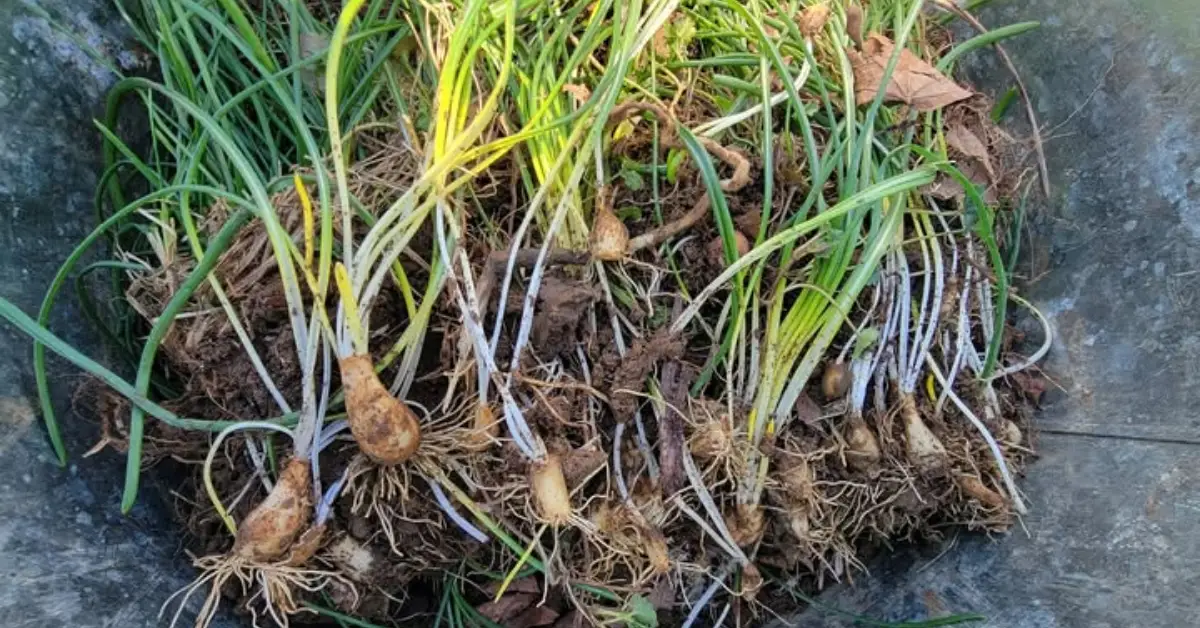
If you’ve already planted one of the bulbs I mentioned earlier, don’t panic—you can still regain control of your garden. I’ve faced this myself, and a few careful steps can make a huge difference.
- Dig Out Bulbs and Bulblets Carefully – For bulbs like Spanish bluebells, it helps to dig up the entire plant along with any small bulblets. I usually use a small trowel and work slowly to avoid leaving pieces behind, because even one bulblet can start a new colony. Homes & Gardens has a great guide on how to remove invasive bulbs without damaging surrounding plants.
- Suppress Spread With Mulch or Cardboard – For aggressive spreaders like Siberian squill, I’ve had success covering the area with deep mulch or a thick layer of cardboard. Covering the soil with mulch can also help suppress invasive bulbs, and knowing the best time to mulch ensures your garden stays protected throughout the season. It starves new shoots of light and slows their growth.
- Monitor Year-to-Year and Control New Growth – Even after initial removal, check your garden each season. Pull out any new shoots immediately before they establish themselves.
- Why it matters: Many gardeners only notice the problem after it’s taken hold. These steps give you practical ways to contain and eventually remove invasive bulbs without giving up on your garden.
Identifying Trouble Early – What to Watch For
One of the best ways to save yourself frustration is to catch invasive bulbs before they get out of hand. I pay close attention to a few warning signs that indicate a bulb is starting to take over.
- Rapid Spread – If you notice tiny bulblets or shoots popping up far from the original planting spot, that’s a red flag.
- Dense Colonies – Bulbs like Star of Bethlehem or Bermuda buttercup can form thick mats that crowd out other plants.
- Unexpected Bloom Timing – Sometimes invasive bulbs bloom earlier or later than other plants, signaling that they’re dominating the garden cycle.
I also keep an eye on what other gardeners are noticing.
Building a Garden That Blooms Without the Takeover
After years of trial and error, I’ve learned that a beautiful garden isn’t just about planting the brightest blooms—it’s about choosing the right plants for your space. By selecting bulbs thoughtfully, you can enjoy vibrant colors without dealing with invasive spread, toxic surprises, or constant maintenance. It’s all about balancing beauty with ecological responsibility and planning for long-term garden health.
Think of it like this: a garden should work with nature, not against it. Choosing bulbs that stay contained, complement your other plants, and suit your region makes your life easier and keeps your garden thriving season after season. After removing invasive bulbs or planting safer alternatives, taking a few steps to winterize your garden can protect both your new and existing plants during the colder months.
I’d love to hear from you—have you ever struggled with invasive bulbs, or found a favorite alternative that worked perfectly? Share your experience in the comments below, and let’s help each other build smarter, healthier gardens.
Also, don’t forget to visit Plant Care Dairy for more practical tips, guides, and plant care advice that keeps your garden looking its best all year long.
Disclaimer: Garden conditions and invasive species regulations can vary by region. Before planting any bulbs, please check your local extension service or state guidelines to ensure they’re safe and appropriate for your area.