

Every fall, I get that same tug in my gut — the quiet reminder that winter is coming, and the garden I’ve nurtured all year is about to face its hardest test. If you’ve ever lost a favorite rose bush to frost or watched your soil turn lifeless by spring, you know the feeling too. Winter doesn’t just chill the air; it can undo months of effort if you don’t step in at the right time.
When I talk about “winterizing your garden,” I don’t just mean tossing on a layer of mulch and calling it done. It’s about protecting the life you’ve built in your soil, keeping roots insulated, and setting up your garden to thrive once the cold passes. Most guides list chores — prune this, clean that — but few explain why certain steps matter or when they’ll make the biggest difference. That’s the gap we’ll close here.
In this guide, I’ll show you how to prepare your garden before the cold hits — not through generic tips, but through smart, sequence-based steps that actually protect your plants, tools, and soil health. You’ll learn how to read your climate zone, what to prioritize before the first freeze, and how small changes now can save you weeks of work next spring.
So before you stack the gloves away, let’s take one last walk through your garden — and make sure everything you’ve grown has the best chance to wake up strong when the frost melts. What’s the one plant you’re most worried about protecting this winter?
Understanding the Why: What “Winterized” Really Means
Before I ever touch a rake or pull out the mulch bags, I like to pause and ask myself why I’m doing it. Winterizing your garden isn’t about following a checklist — it’s about understanding what your plants actually go through once temperatures drop. If you know the “why,” every action you take makes more sense and delivers better results.
The Root Challenge: Cold, Dormancy, Moisture Loss, and Pests
When the soil cools, your plants start shifting gears. Growth slows, roots stop drawing as many nutrients, and any leftover moisture starts freezing in the ground. This is when roots are at their weakest — not dead, just dormant — which means they need protection, not neglect.
Here’s what usually threatens your garden in winter:
- Repeated freezing and thawing: It causes soil to heave, pushing roots toward the surface.
- Dry winter winds: They pull moisture from leaves and stems, even from evergreen plants.
- Hidden pests: Insects and fungal spores love to overwinter in leaf litter and uncleaned beds.
- Nutrient depletion: Without organic matter to break down, soil biology goes quiet.
Once you see winter from your plants’ point of view, it’s hard to ignore. They’re not dying — they’re trying to survive until you step in to help.
Soil & Nutrient Reset: Why Winter Prep Matters for Spring Health

One of the biggest mistakes I see gardeners make is focusing only on plants and forgetting the soil. Think of your soil as the immune system of your garden — it needs recovery time and nourishment just like any living thing.
Before winter sets in, I like to:
- Add compost or aged manure to feed soil microbes that will stay active under mulch.
- Do a quick soil test to see what’s missing. A little adjustment in fall means stronger growth in spring.
- Plant cover crops like rye or clover if you have vegetable beds — they hold nutrients in place and prevent erosion.
Colorado State University Extension notes that properly amended soil before winter keeps essential organisms active even under snow. That microbial life is what jump-starts your garden when temperatures rise again.
Tailored by Zone: Warm vs. Cold Climates
Not every garden faces winter the same way. If you live somewhere mild, your focus might be more on moisture management and pest control. But if you’re in a colder zone, insulation and timing become critical.
Here’s a simple way to adjust your approach:
- Warm zones (8–11): Keep watering light but steady, and focus on pruning and pest checks.
- Moderate zones (5–7): Mulch deeply, protect root crops, and move containers closer to the house for warmth.
- Cold zones (3–4): Prioritize soil cover, wrap shrubs, and shut down irrigation systems early.
Knowing your zone helps you work with nature, not against it.
Early-Fall Tasks: Getting Ahead of the Freeze
Now that you understand the “why,” let’s talk about the “when.” Early fall is the sweet spot — the days are cool enough to work comfortably, but the soil is still warm enough for roots and microbes to respond to what you do.
If you’re planning your fall cleanup and wondering when to prune, water, or amend soil before frost, explore our November gardening tips and how to prepare your garden for winter for a month-by-month approach to timing your tasks right.
Clean-Up & Plant Removal: Annuals, Diseased Material, Leaves
If there’s one thing you shouldn’t delay, it’s cleaning up. Leaving dead plants or fallen leaves might feel “natural,” but it’s an open invitation for pests and fungal spores to settle in.
Here’s what I do each fall:
- Pull out annuals and vegetable remains once they’re done producing.
- Dispose of diseased leaves — don’t compost them.
- Keep a thin layer of healthy leaves to shred later for mulch.
A clean bed now means fewer headaches when spring returns.
Soil Test & Amendments: What to Add and When
You don’t have to be a scientist to test your soil — most garden centers sell simple kits. I usually test once every two years and adjust based on what I see. If your soil feels hard or lifeless, now’s the time to give it a boost.
Try these simple steps:
- Add organic compost or worm castings for structure and nutrients.
- Mix in bone meal or rock phosphate if tests show low phosphorus.
- Avoid high-nitrogen fertilizers — they push new growth that frost can kill.
A small effort now will save you from sluggish growth later.
Divide Perennials, Transplant Trees/Shrubs, Plan Cover Crops
Fall is the perfect moment to give crowded perennials more breathing space. The cooler weather reduces transplant stress, and roots get a head start before the freeze.
What I like to do:
- Divide plants like daylilies, hostas, and irises while the soil is still workable.
- Move shrubs or small trees while they’re dormant but before the ground hardens.
- Sow cover crops like winter rye, clover, or hairy vetch to restore nutrients naturally.
Containers & Raised Beds: Special Considerations

If you garden in containers or raised beds, your plants face harsher conditions. Elevated soil loses heat faster, which means roots freeze sooner.
Here’s how I protect mine:
- Move pots close to walls or inside a garage for shelter.
- Group containers together and wrap them with burlap or old blankets.
- In raised beds, add a thicker layer of mulch or even straw insulation.
- Water once before a predicted freeze to keep roots hydrated.
Container plants can survive the cold — they just need you to think ahead.
As you work through these early steps, remember: winterizing isn’t about doing everything — it’s about doing the right things at the right time. The payoff isn’t just survival; it’s a stronger, more vibrant garden waiting to wake up in spring.
Mid-Fall Tasks: Protecting Plants and Infrastructure
Once the leaves have mostly fallen and the nights start biting, you’ve entered the critical middle stretch — the moment between “getting ready” and “battening down.” This is where your work moves from prepping to protecting. You’re not just preserving plants anymore; you’re defending the entire ecosystem of your garden — soil, roots, tools, and hardscape — from the months ahead.
Mulching Right: Depth, Material, and Where Not to Apply
You’ve probably heard a hundred times that mulch keeps roots warm. True — but how you mulch can make or break that benefit. I’ve learned over the years that mulch is insulation, not a blanket. Too thin, and it’s useless; too thick, and it traps moisture that can rot stems.
Here’s how to get it right:
- Use organic materials like shredded leaves, bark chips, or straw — they break down naturally.
- Keep mulch 2–3 inches deep around perennials and 3–4 inches around trees.
- Never pile mulch against trunks or stems. Leave a small gap for airflow.
- Apply once the ground cools but before it freezes, so you trap stable soil temperature.
As Real Simple magazine points out, the best time to mulch is when the soil is slightly moist — it seals in that last bit of hydration and locks warmth in place for the long winter stretch.
Covering Sensitive Plants and Pots
If you’ve got tropicals, young shrubs, or tender herbs, they’ll need an extra layer of protection when the first frosts roll in. I’ve found the key is not just covering — it’s how and when you do it.
Try this simple routine:
- Use breathable materials like burlap or frost cloths (avoid plastic; it traps moisture).
- Cover at dusk before frost, and remove in the morning to prevent overheating.
- Move containers indoors or against a wall for shared warmth.
- Group pots together — they insulate each other naturally.
Think of it as tucking your plants in for winter — snug, but not suffocated.
Irrigation, Hoses, and Tools

If you’ve ever had a frozen hose split open mid-winter, you learn fast. Water expands as it freezes, and every drop left inside pipes, drip lines, or nozzles can cause cracks. The same goes for metal tools left damp in the shed.
Here’s my end-of-season checklist:
- Drain and coil all hoses. Hang them to dry.
- Blow out or drain irrigation lines — especially if you use automatic systems.
- Empty and store watering cans upside down.
- Clean and oil garden tools before storing.
It takes less than an hour, and it saves you a lot more than that come spring.
Hardscape and Soil Erosion Control
Winter’s not just rough on plants — it’s brutal on pathways, retaining walls, and slopes. Rain, thawing snow, and wind can all shift your soil. I’ve learned that small preventative steps here can save you from costly rework later.
A few practical moves:
- Check garden borders and edging stones for gaps or shifting.
- Secure sloped beds with burlap or jute mats to prevent erosion.
- Add mulch mats or straw to bare areas prone to runoff.
- Ensure drainage paths are clear before the freeze.
You’re not just preserving structure — you’re protecting your garden’s foundation.
Just Before the First Deep Freeze: Final Checklist
This is the sprint before the finish line — that one last push to make sure everything you’ve built is ready to face deep cold.
Water Deeply One Last Time (and Skip Fertilizing)
The ground’s still workable now, and one final deep watering gives roots the moisture they need to survive dry winter winds. But resist the urge to fertilize — new growth will only make your plants more vulnerable.
Do this a few days before the freeze, so the moisture can sink in without turning to ice.
Wrap Tree Trunks and Stake New Shrubs
I learned this the hard way — young trees can crack or “sunscald” when temps swing between day and night. Wrap trunks loosely with burlap or tree wrap to buffer that stress. For shrubs, especially new ones, staking helps prevent wind-rock — that subtle shifting that snaps fine roots.
It’s simple, low-cost, and can make the difference between a plant that survives winter and one that doesn’t.
Cover Bare Soil or Leave Exposed?
This debate splits gardeners. Bare soil warms faster in spring, but uncovered beds lose structure and nutrients over winter. I prefer a balanced approach: cover vegetable beds and perennials with compost or mulch, but leave a few small patches bare to let beneficial insects overwinter safely.
It’s not about perfection — it’s about balance.
Set Up Winter Monitoring
Once the garden’s tucked in, I set simple “winter watch” reminders on my phone. Every few weeks, I check for:
- Rodent tunnels near mulch piles
- Ice buildup around drains
- Snow mold patches
- Broken drip lines or cracked pots
A little observation goes a long way in catching problems before they grow. To go one step further, check our November tasks to protect plants and animals guide — it expands on how to safeguard beneficial wildlife while keeping your garden winter-ready.
Into Winter: Maintenance & What to Monitor

When the first snow finally settles, it might feel like your garden goes silent — but this season still matters. The difference between a thriving garden and one that struggles in spring often comes down to what you do during winter itself.
Check for Water Needs
Even in cold weather, plants can dry out, especially evergreens and young trees. On warmer days when the ground isn’t frozen, give them a slow soak. It keeps roots hydrated and prevents cold burn.
Inspect Covers, Clear Heavy Snow, and Reposition Mulch
After heavy snow, gently brush it off branches before it freezes solid. Repack mulch that’s shifted or thinned after storms. Check your plant covers and tunnels — a few minutes of maintenance now can prevent broken branches and mold buildup later.
Plan for Spring Now
While everything rests, this is your chance to think ahead. I like to jot quick notes in a garden journal: what worked, what didn’t, and what I want to change. It’s also the perfect time to order seeds before spring rush hits.
Here’s what to note:
- Which plants thrived and which struggled
- Areas that stayed too wet or too dry
- New ideas or layouts to try next year
Winter might seem quiet, but it’s really the season that tests your garden’s design, resilience, and your own patience as a gardener.
Special Cases & Garden Types
Every garden has its quirks. What works for someone’s backyard vegetable patch might not fit a balcony setup or a warm-climate yard. After twenty years of winter prep routines, I’ve learned one truth — there’s no single “right” way to winterize. The right method depends on your garden type and the conditions it faces.
Vegetable Gardens & Raised Beds: Cover Crops and Last Harvests
Vegetable beds need a different kind of care before winter. Once you’ve pulled the last of your crops, the soil needs protection as much as the plants did during summer. Clear out old roots, add compost, and plant cover crops like clover or winter rye. These greens act as living mulch, protecting topsoil from erosion and feeding nutrients back into it for spring planting.
According to Better Homes & Gardens, raised beds lose heat faster than in-ground gardens, which makes them more prone to soil compaction and nutrient loss over winter. Adding mulch or a cold frame can make a big difference — keeping the soil alive while reducing spring prep time.
Quick checklist:
- Harvest everything before the first hard frost.
- Loosen soil gently — don’t overwork it.
- Add compost or organic matter.
- Sow a cover crop or apply straw mulch.
- Secure raised-bed edges against wind and frost.
Container & Patio Gardens: Move, Cluster, Insulate
For smaller or patio gardens, mobility is your strength. When temperatures drop, move containers indoors or near walls that radiate warmth. I like to cluster pots together — they insulate each other and retain more stable temperatures.
Use burlap, old blankets, or even cardboard wraps to protect roots from temperature swings. Lift pots off cold concrete with stands or wood planks to prevent root freeze. For fragile ceramic planters, empty and store them — it’s better to lose a bit of soil than an entire pot to cracking.
And while your outdoor pots rest, don’t forget about your indoor greenery — our complete indoor plant survival guide for winter covers watering, humidity, and light care to keep houseplants thriving during colder months.
Warm vs Cold Climate Zones: What Differs
Your USDA zone changes everything about how you prepare.
- Warm zones (8–10): Focus on regulating moisture, light pruning, and guarding against sudden cold snaps.
- Cold zones (3–6): Emphasize insulation — mulching, covering roots, and draining irrigation systems before the ground freezes.
If you’re unsure about your zone, check local frost calendars and aim to start prep two to three weeks before your region’s average first frost date. Getting ahead of that curve means less panic when temperatures suddenly dip.
Cost & Eco-Friendly Considerations
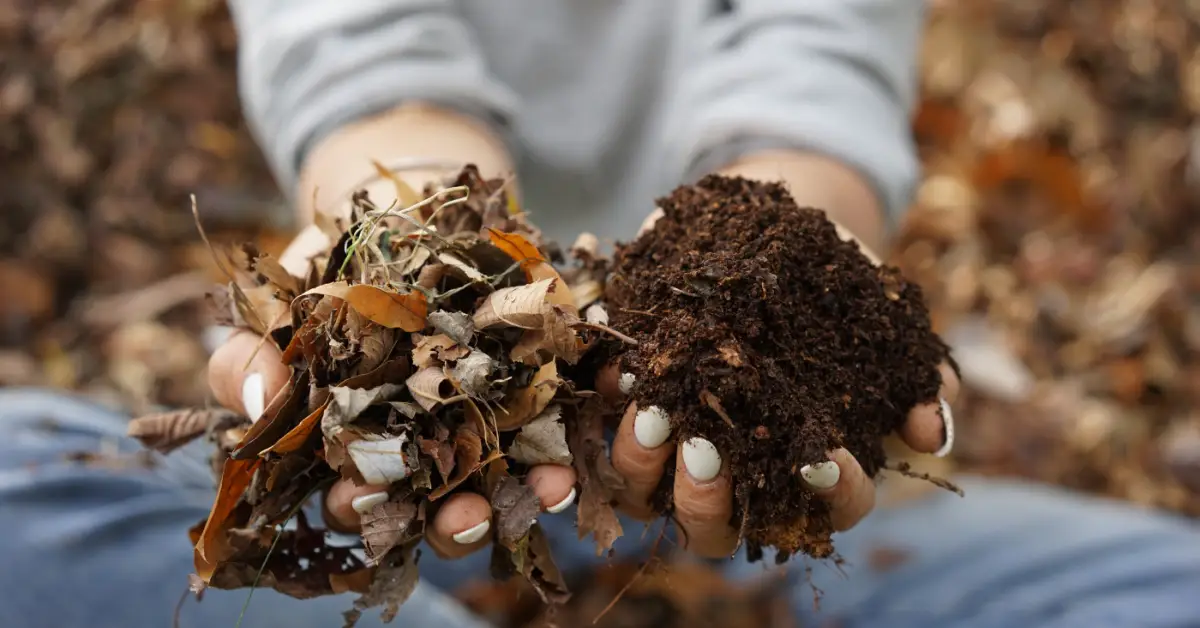
Smart winterizing doesn’t have to cost much — and it definitely doesn’t need to be wasteful. In fact, most of what your garden needs is already lying around: fallen leaves, compost, or spare wood.
Reuse Leaves for Mulch or Compost
Don’t treat fallen leaves like yard waste. When shredded and spread properly, they become one of the best soil insulators. Mix dry leaves with green materials (like grass clippings) to balance carbon and nitrogen. Just skip any leaves showing signs of mold or disease.
Avoid Over-Labor and Unnecessary Products
Winter prep isn’t a race or a shopping spree. You don’t need frost sprays, synthetic wraps, or endless gadgets. Stick to proven, low-effort actions: clean, mulch, drain, and protect.
- Skip chemical products that promise “instant frost protection.”
- Avoid deep digging or over-trimming late in the season.
- Prioritize tasks that protect roots and soil over aesthetics.
Wildlife & Insects in Winter
A thriving garden means life beneath the surface — even in winter. Beneficial insects like ladybugs and ground beetles overwinter in leaf litter or brush piles. Leaving a small, untidy corner in your garden can give them shelter.
At the same time, discourage pests like rodents by clearing fallen fruit and sealing storage areas. It’s about balance: preserving your ecosystem’s helpers while keeping the troublemakers at bay.
Quick Reference Checklist & Timeline
By now, you’ve got the strategy — but when you’re knee-deep in leaves and checking frost alerts, it helps to have something quick and clear to follow. This section is your at-a-glance guide for timing, prioritizing, and tracking tasks across the colder months.
Monthly Checklist (Early Fall → Spring)
You can create your own or print one directly from this guide — it keeps your prep simple and your progress easy to track.
Early Fall (September–October)
- Clean out garden beds, remove diseased material.
- Divide perennials and transplant shrubs.
- Test and amend soil, start compost pile.
- Harvest late vegetables, plant cover crops.
Mid-Fall (October–November)
- Apply mulch and compost.
- Move containers indoors or wrap them for insulation.
- Drain irrigation lines and store tools.
- Wrap tree trunks and stake new shrubs.
Just Before Freeze (November–December)
- Water deeply one last time.
- Cover tender plants and pots.
- Check borders and erosion-prone areas.
Winter (December–February)
- Monitor snow buildup and adjust mulch.
- Water during dry spells when soil isn’t frozen.
- Watch for pests or rodent activity.
Early Spring (March–April)
- Remove winter covers gradually.
- Rake and reapply compost.
- Note what survived, what didn’t, and plan for new plantings.
Keep this list handy — print it, laminate it, or save it as a phone note. A few minutes of planning each month keeps your garden healthy year-round.
Zone-Based Timelines (USDA Zones 3–11)
Your region determines how early or late these steps happen:
- Zones 3–5 (Cold): Start early — mid to late September. Expect freezes by October. Focus on insulation and soil prep.
- Zones 6–7 (Cool/Temperate): Begin late September to mid-October. Prioritize pruning and mulching before the first frost.
- Zones 8–9 (Mild): You’ve got until November. Focus on watering routines and protecting tender ornamentals.
- Zones 10–11 (Warm): Minimal frost risk. Concentrate on light soil prep, composting, and pest checks.
These timelines aren’t rigid — they’re a rhythm. Adapt them to your local microclimate and your garden’s unique needs.
Final Thought: Big Picture View & Next Steps
Winterizing isn’t just about putting your garden to sleep — it’s about setting it up to wake stronger. When you protect your soil, feed its microbes, and shield your plants from stress, you’re doing more than surviving the season. You’re investing in the health, texture, and beauty that’ll return with spring.
I’ve seen gardens thrive year after year because their owners treated winter prep not as a chore, but as a ritual — a quiet, intentional reset. The effort you put in now will echo back when you see new shoots pushing through frost-softened ground.
So here’s my final challenge for you: before you hang up your gloves, walk your garden one last time. Notice what worked this year, what didn’t, and what stories your plants told. That awareness — more than any tool or trick — is what makes a true gardener.
What’s your toughest winter challenge — keeping soil alive, saving pots, or managing frost? Drop your experience or tip in the comments below — your insight could help another gardener this season.
And if you found this guide helpful, visit Plant Care Dairy for more seasonal gardening checklists, plant care strategies, and real-world tips built for gardeners who care as deeply as you do.
Disclaimer: The information in this guide is for general gardening education and seasonal planning. Local climates, soil types, and plant varieties vary, so always check regional frost dates and consult your local extension service for location-specific guidance. Plant Care Dairy is not responsible for individual gardening outcomes or property damage resulting from the use or misapplication of these tips.