

I’ve been mulching my garden for years, and one thing I’ve learned is that timing really changes everything. Mulch isn’t just a decorative layer—it’s a tool that can protect your plants, retain moisture, and even improve soil health. Over time, I noticed that when I mulched in the fall, my garden seemed to bounce back stronger in spring compared to when I tried mulching early in the season.
If you’re like me, you probably wonder: Is spring better, or does fall really give the best results? That’s exactly what I want to unpack here. I’ll walk you through why fall often takes the edge, when spring might still make sense, and what you can do to make sure your garden thrives no matter the season. By the end, you’ll have a clear plan—and maybe even a new appreciation for mulch timing.
Understanding Mulching: What It Is & Why Timing Matters
When I first started gardening, I thought mulch was just a pretty cover for bare soil. But over the years, I’ve realized it’s much more than that. Mulch plays several critical roles in keeping your garden healthy:
- Retains soil moisture – It helps your plants drink less often, especially during hot spells.
- Suppresses weeds – A good layer of mulch keeps unwanted plants from crowding your garden beds.
- Insulates soil and roots – It acts like a blanket, protecting roots from temperature extremes.
Knowing what mulch does is one thing, but understanding when to apply it makes a huge difference. The timing affects how well it performs because:
- Soil temperature matters – Mulching too early in spring can trap cold moisture and slow soil warming, which delays root growth.
- Plant dormancy and growth phases – Mulch applied while plants are still actively growing may interfere with nutrient uptake or water absorption.
- Weather conditions – Rain, frost, and sun can all change how mulch interacts with your soil, which is why a little seasonal awareness goes a long way.
For a deeper dive on mulch basics and timing considerations, I found Martha Stewart’s guide really clear and practical.
Understanding this sets the stage for deciding whether spring or fall is best for your garden.
Spring Mulching: Benefits, Ideal Timing & Limitations

If you’re thinking of mulching in spring, here’s what I’ve learned works best and what to watch out for.
Benefits of Spring Mulching
Mulching in spring can give your garden a fresh start:
- Prepares beds for the growing season – It creates a neat, uniform surface for planting.
- Suppresses early weeds – Stops weeds before they take over your beds.
- Refreshes winter-tired soil – Adds a clean layer to beds that might look patchy after frost or snow.
Ideal Timing for Spring Mulch
I always wait until:
- The soil has warmed enough that roots aren’t sitting in cold, soggy conditions.
- Winter frost has passed to avoid trapping ice under the mulch.
- Weeds haven’t surged yet, so you’re not covering them and letting them thrive under the mulch.
For most climates, this usually means mid to late spring, depending on your local conditions.
Limitations & Pitfalls of Spring Mulching
Even though spring mulch has benefits, I’ve run into some issues if I’m not careful:
- Applying too early can trap cold moisture and slow growth.
- Limited root protection – If applied too late, it won’t insulate roots for the season ahead.
- Less long-term benefit – Compared to fall mulch, spring mulch doesn’t give your garden the same head start for winter health.
By keeping these points in mind, you can use spring mulch effectively without harming your plants or soil.
Fall Mulching: Why It Often Comes Out Ahead
Over the years, I’ve found that fall is often the unsung hero of mulching. While spring gets a lot of attention for prepping the garden, fall mulch does something special: it protects your plants when they need it most.
Key Benefits of Fall Mulching
Here’s why I almost always reach for mulch in the fall:
- Insulates roots during winter – Acts like a cozy blanket, keeping plant roots safe from freezing temperatures.
- Stabilizes soil moisture – Prevents the soil from drying out too quickly during colder months.
- Reduces erosion – Keeps topsoil in place against heavy rains or winter winds.
- Enriches soil – Organic mulches decompose over winter, adding nutrients back into the garden bed.
According to Real Simple, there are five major reasons gardeners favor fall mulching, and these benefits really show up in the health of your plants come spring.
Ideal Timing for Fall Mulch

From my experience, the sweet spot is:
- After plants have entered dormancy – when growth slows and energy goes into root storage.
- After the first frost – but before the soil freezes solid.
- Late September to October – a window that works for many US zones.
Timing matters because mulch applied too early can interfere with dormancy, and too late might not give plants the insulation they need.
Common Mistakes & Caveats
Even fall mulching isn’t foolproof. Here’s what I’ve learned to avoid:
- Mulching too early – can delay plant dormancy or encourage late growth that gets damaged by frost.
- Mulching too late – won’t give winter protection.
- Applying too thick a layer – traps excess moisture, which can promote rot or fungal issues.
Fall mulch, when done right, gives you peace of mind knowing your garden is set up to thrive in spring.
Choosing Between Spring and Fall: A Decision Framework
Deciding when to mulch isn’t just about preference; it depends on a few key factors. I like to break it down like this:
Climate & Zone Considerations
- Colder regions – Fall mulch is critical for protecting roots during harsh winters.
- Warmer regions – Spring mulch can dominate, but fall still adds moisture retention and soil enrichment.
- Regional tip – In Texas, for example, spring mulching is a must, but fall mulch still improves perennials’ survival and soil health.
Plant Type / Bed Type Factors
- New plantings vs established beds – Established beds tolerate timing shifts better, but new plants need careful mulch timing.
- Perennials vs annuals – Borderline-hardy perennials especially benefit from fall mulch.
- Vegetable vs ornamental beds – Vegetables may need earlier spring mulch to encourage early growth; ornamental beds can lean on fall mulch for winter protection.
Soil Condition & Garden Timing/Logistics
- Soil temperature and moisture – Mulching wet or frozen soil can backfire.
- Debris clearance – Remove dead leaves and weeds first.
- Time availability – If you can only mulch once a year, choose the season that provides the most benefit for your climate and plant types.
I often suggest a simple table for quick decisions:
| Condition | Recommended Season |
|---|---|
| Cold zone, perennials | Fall |
| Warm zone, vegetables | Spring |
| Only one mulch session | Fall (most protective) |
By looking at your specific garden, you can make a choice that maximizes health and growth without overthinking it.
How to Mulch at the Right Time: Best Practices for Each Season
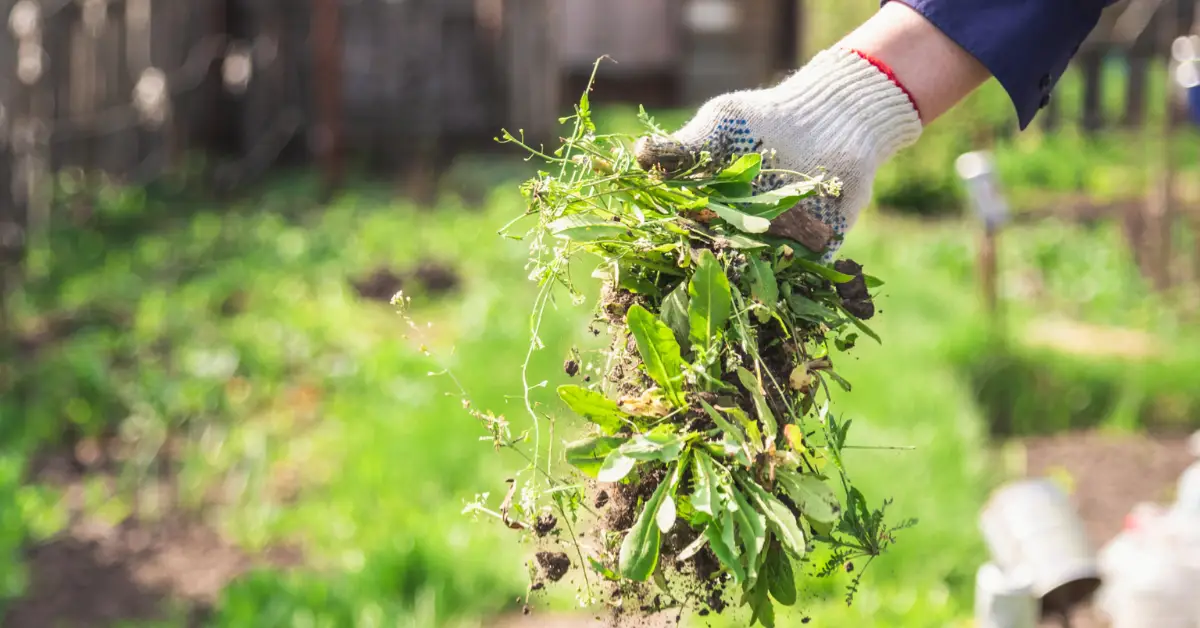
Knowing when to mulch is important, but doing it correctly makes all the difference. Over the years, I’ve learned that preparation and technique often matter more than the exact date. Here’s how I approach it for both spring and fall.
Preparation Steps (Both Seasons)
Before I even touch the mulch bag, I follow these steps:
- Clear weeds and debris – Mulch works best on a clean surface.
- Check the soil – Make sure it’s neither waterlogged nor frozen.
- Select the right mulch thickness – Usually 2–3 inches works for most gardens.
- Avoid “volcano mulching” – Never pile mulch up against the trunk; it can rot the base and harm roots.
Spring-Specific Mulch Setup
When I mulch in spring, I wait until the soil has warmed and conditions are just right:
- Layer of 2–3 inches – Enough to suppress weeds and retain moisture without suffocating soil.
- Light-colored mulch in hot climates – Reflects heat and prevents overheating.
- Ensure ground is not soggy – Wet soil plus mulch can cause root rot.
As The Spruce notes, the best time is after light rainfall, once the soil has warmed, so your plants get the full benefit without risk.
Fall-Specific Mulch Setup
Fall mulching has a slightly different focus—protection over promotion:
- Apply after the first frost – When plants are dormant, roots are protected during winter.
- Depth ~2–3 inches – Enough to insulate but not smother soil.
- Use organic materials – They decompose over winter, enriching your soil for spring. If you want to choose the right mulch material for your garden and learn how to keep your plants healthy year-round, check out this guide on the best mulch types for gardens.
- Remove or fluff in spring – Avoid matting and allow soil to warm evenly.
What to Avoid & Common Mistakes
Even with the right timing, mistakes can undo your efforts:
- Mulching too early or too late for the season.
- Applying a too-deep layer, which can suffocate roots.
- Using synthetic mulches that don’t decompose.
- Piling mulch on stems or tree trunks, inviting rot and pests.
- Ignoring debris under the mulch, which can hide pests or mold.
By following these preparation and application steps, you ensure that your mulch is doing the job it’s meant to—protecting, nourishing, and supporting your garden all season long.
When You Shouldn’t Mulch

Mulching isn’t always the right move, and I’ve learned that knowing when not to do it is just as important as knowing when to.
Myth-Busting
Let’s clear up some common misconceptions I still hear from gardeners:
- “You should always mulch in spring only.” – Not true. Both spring and fall have benefits depending on your garden and climate.
- “Mulch fixes everything regardless of timing.” – Mulch is a tool, not a miracle; timing and technique matter.
- “Don’t mulch in fall because it delays spring growth.” – Done correctly, fall mulch protects roots and even improves spring growth.
These myths can mislead even experienced gardeners, so it’s worth understanding the nuances.
When You Should Delay or Avoid Mulching
I avoid mulching in these situations:
- Soil is still frozen or water-logged – Mulching now can trap ice or worsen soggy conditions.
- Certain plants don’t benefit – Mediterranean herbs, succulents, or wildflower patches may suffer under too much mulch.
- Too thick a layer – Can suffocate roots and trap moisture, inviting rot or pests.
By understanding these exceptions, you prevent common mistakes and protect your plants effectively.
Final Recommendation & Seasonal Action Plan
After working with mulch for years, I’ve learned it’s easiest to have a clear action plan. Here’s how I organize it:
Quick Decision Summary
- If you only mulch once a year: Fall is generally the most protective window.
- If you mulch twice a year: Spring for growing season prep, fall for winter protection.
- For specific plants or climates: Adjust based on root sensitivity and USDA zone.
Seasonal Timeline for a Typical US Gardener
- Early April: Spring prep – clean beds, remove debris.
- Mid-April: Apply spring mulch (after soil warms).
- Late September – October: Apply fall mulch (post-first frost, plants dormant). For gardeners planning ahead, knowing which vegetables to sow in fall or early winter can complement your mulching schedule and maximize soil use—check out this guide on vegetable seeds to sow in November.
- Spring check: Fluff or remove fall mulch to allow soil warming.
Pro Tip for 2026 Garden Planning
- Include mulching in your annual garden calendar.
- Monitor soil temperature and moisture before applying mulch.
- Choose high-quality organic mulch to improve soil over time.
- Budget for mulch early, so you’re ready for both spring and fall applications. Sometimes the simplest gardening practices are the most effective—these time-tested tips from grandparents can help you get the most out of your mulch and seasonal care.
I’d love to hear from you! How do you time your mulching each year? Share your experience in the comments below, and don’t forget to visit Plant Care Dairy for more practical tips and guides to keep your garden thriving.
Disclaimer: The information provided here is for general gardening guidance. Results may vary depending on your local climate, soil type, and plant varieties. Always consider your specific garden conditions and consult local experts if needed.