

November is that quiet, reflective time in the garden when everything seems to slow down—but if you look closely, it’s actually one of the most important months for both your plants and the wildlife that visit your backyard. I’ve spent years watching gardens either flourish or struggle based on how well this month is handled, and I can tell you that a few thoughtful actions now can save you a lot of frustration later. Frosts can sneak in unexpectedly, perennials need protection, and many of the birds, bees, and small mammals that make your garden feel alive are starting to face food and shelter shortages. Paying attention to these details now means your garden will bounce back stronger when spring comes.
At the same time, November is a chance to make your garden a safe haven for wildlife. Leaving seedheads on plants, piling up leaves, or creating small shelters might seem minor, but for birds and pollinators, these simple steps are a lifeline.
In this guide, I’ll share the key tasks you should focus on this month to protect both your plants and the animals that rely on your garden. I’ll also give you practical tips you can start using today, along with ideas to make your November garden prep feel achievable rather than overwhelming. I also love including timeless techniques from the past—like those shared in gardening tips from grandparents that still work, which remind us that simple, traditional practices can make a big difference. By the end, you’ll know exactly what actions make the biggest difference—and how to enjoy this quiet, rewarding time in your garden.
Why November is Critical for Your Garden and Wildlife
Understanding the November Window for Plants and Animals
If you’re like me, you might think November is a slow month in the garden—just leaves falling and plants going dormant. But in reality, this is a make-or-break time for both your plants and the wildlife that depend on them. I’ve seen too many gardens suffer because the right preparations weren’t made before the first frost hit. A little effort now can mean the difference between a garden that thrives in spring and one that struggles to bounce back.
Here’s why November deserves your attention:
- Preparing before frost: Frost can appear suddenly and damage tender perennials, bulbs, and late vegetables. Covering or mulching vulnerable plants now protects them from harsh winter temperatures.
- Wildlife needs: Birds, bees, and small mammals face growing food shortages and fewer safe shelters. Simple steps like leaving seedheads or maintaining hedges can give them a lifeline through the cold months.
- Simultaneous care: Taking care of your garden isn’t just about plants—it’s about creating a balanced ecosystem. By thinking about animals and plants together, you’re setting up a garden that supports life while remaining beautiful.
For practical frost dates and plant survival tips in your region, I often refer to USDA Gardening Resources —they’re reliable and region-specific, so you can plan your November tasks accurately.
Prioritize Shelter for Wildlife
Create Safe Havens for Birds, Bees, Frogs, and Other Animals
Many guides stop at “put up a bird feeder,” but there’s so much more you can do to help wildlife in November. I’ve found that even small adjustments can make your garden a winter sanctuary. Think of it this way: you’re not just protecting plants—you’re creating a home for the creatures that make your garden lively.
Leave Natural Debris and Seedheads
- Don’t be too tidy! Leaving fallen leaves, dead stems, and seedheads gives birds like finches, sparrows, and cardinals something to eat.
- Seedheads also provide shelter for overwintering insects and pollinators.
- Avoid cutting back everything at once—some natural mess is essential for survival.
Construct DIY Wildlife Shelters
- Simple log piles or stone stacks create warm nooks for small mammals and insects.
- Insect hotels in quiet corners support bees and beneficial bugs.
- Even a shallow water dish or a frog-friendly area can make a difference for amphibians.
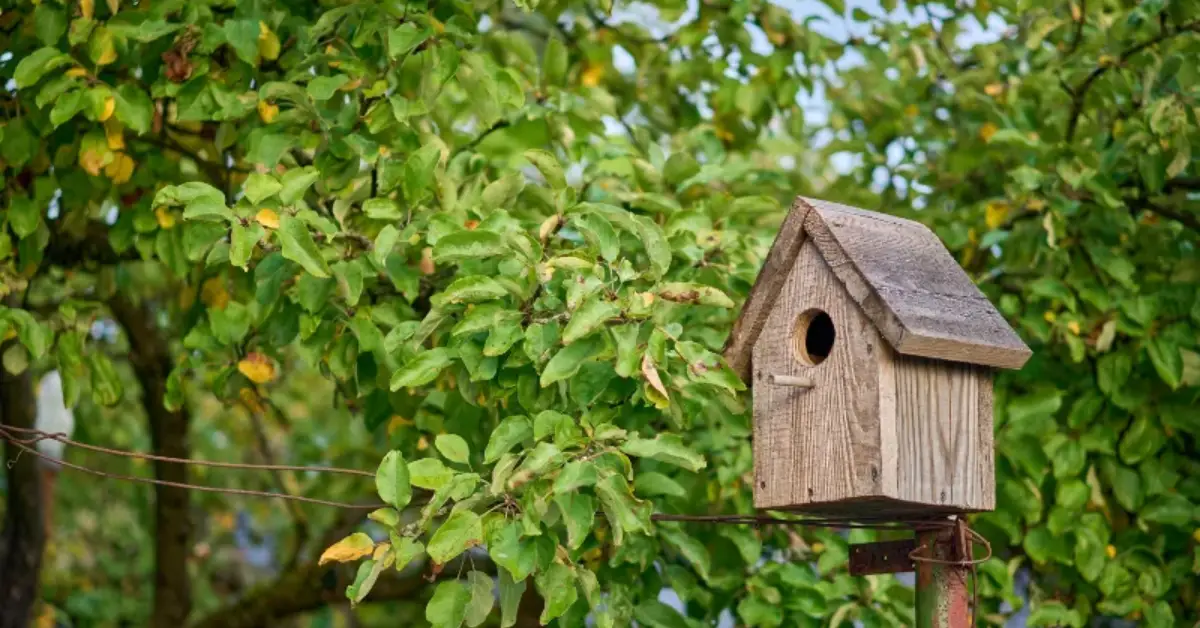
Clean and Maintain Existing Nesting Boxes
- Check birdhouses for pests and old nests before the cold sets in.
- Scrub lightly to prevent mold and bacteria, giving birds a safe start in spring.
By taking these steps, you’re not only protecting wildlife—you’re setting up a vibrant garden that’s alive even in winter. I’ve found that once you see birds nesting safely in the shelter you built, or a frog hiding under a log pile, it makes all the work feel worth it.
Protecting Plants Against Winter Stress
Insulate Your Plants for Cold Weather
November is when I shift focus from just “tidying up” the garden to giving plants the protection they need to survive winter. If you don’t act now, frost and fluctuating temperatures can undo months of growth. So let’s walk through how you and I can shield our plants effectively.
Mulching and Composting
- Use organic mulch—think straw, shredded leaves, or bark chips—to form a protective layer around roots.
- Time it right: after the first cold rain, apply a thick layer (2–4 inches) around plants, leaving a small gap at the stem to avoid trapping moisture.
- Compost leftover garden waste into the soil now so your plants start the dormant period with better structure and nutrients.
Late Planting and Perennial Care
- I leave some perennials uncut through November—their stalks act as natural insulation for soil and roots.
- Planting cover crops (like winter rye or clover) on bare patches protects the soil, adds nutrients, and keeps everything healthier for spring.
- If you’re planting bulbs now, you’re also giving next year’s bloom a head‑start while protecting the underground environment. If you’re thinking about what to plant this month, check out our guide on vegetable seeds to sow in November to plan your winter garden effectively.
Watering Adjustments Before Frost

- Never assume “because it’s cold” you can skip watering. Slightly moist soil holds heat better than dry soil, reducing frost risk.
- I check soil moisture regularly—if it’s too dry, I lightly water; if it’s soggy, I hold off. It’s about balance: too much water in cold can cause root rot.
- Experts also suggest delaying deadheading on some plants in November, as it helps them support wildlife and retain soil structure. You can read more about this in Tom’s Guide’s advice on November deadheading.
Providing Winter Food Sources
Ensure Adequate Nutrition for Local Wildlife
For me, one of the most rewarding parts of November garden prep is knowing I’m supporting the birds, pollinators, and small creatures that visit my outdoor space. Many articles touch on feeding, but I want you to see how planning now creates real impact.
Plant Late-Blooming and Berry-Producing Plants
- Choose plants like holly, winterberry, or late-flowering coneflowers so when other food is scarce, wildlife still have something to eat.
- Leave seedheads on plants such as sedum and grasses
- The structure of plants through winter also keeps your garden looking good and supports ecosystem functions.
Supplement with Bird Feeders Strategically
- Select high-energy feed options (sunflower, nyjer seeds) for use in colder months when natural food is limited.
- Place feeders near cover (shrubs or trees) so birds feel safe, but visible enough so you can enjoy watching them.
- Clean feeders regularly—disease spreads quickly when many birds use a single source in winter.
Support Pollinators with Early Spring Nectar Plants
- Plant now for next spring: crocuses, snowdrops, and hellebores let bees and other pollinators get a head-start when they wake up.
- Even though it’s cold, prepping these beds means when the first warm days come, you’re ready.
- You’re not just feeding birds now—but investing in the health of your garden ecosystem long-term.
Common November Mistakes to Avoid
Even with the best intentions, November gardening can go wrong if you’re not careful. Over the years, I’ve seen gardeners make the same missteps repeatedly, and they can unintentionally harm both plants and wildlife. Here’s what I recommend avoiding:
- Cutting back all perennials too early: Leaving stems and seedheads provides insulation for plants and food for birds and insects.
- Over-cleaning leaves and debris: While tidying is tempting, fallen leaves are essential for sheltering insects and small mammals.
- Using harmful chemicals or fertilizers late in the season: These can damage plants and pollute habitats just as wildlife needs them most.
- Ignoring water needs during dry spells: Even in cold weather, plants and trees need consistent moisture. A little check now saves a lot of stress later.
Quick Tasks Checklist for November

If you want a simple, actionable roadmap, here’s what I do every November—and what you can start with today:
- Leave seedheads and natural debris in place for wildlife.
- Build or maintain wildlife shelters like log piles, insect hotels, and nesting boxes.
- Mulch plants and add compost for winter protection.
- Provide winter food sources: late-blooming plants, berries, and bird feeders.
- Maintain nesting boxes and safe shelters for birds and pollinators.
Treat this as your “set-and-forget” checklist—small steps now make a huge difference later. For a more detailed list of set-and-forget jobs to tackle this month, see our post on set-and-forget garden jobs for November, which will help you streamline your garden prep.
Ethical and Environmental Reminder
As much as we love our gardens, November is a time to be mindful about how our actions affect the environment. Here are the principles I follow:
- Avoid pesticides and harmful chemicals—they can kill pollinators and upset local wildlife.
- Respect local wildlife laws and guidelines, especially if you have protected species visiting your garden.
- Favor native plants and sustainable practices—they reduce maintenance, support local ecosystems, and create long-term benefits.
Following these principles ensures your garden isn’t just beautiful—it’s ethical, thriving, and resilient.
Conclusion
November might feel quiet in the garden, but it’s one of the most impactful months of the year. By focusing on protecting your plants, providing food and shelter for wildlife, and avoiding common mistakes, you set the stage for a healthy, vibrant garden come spring.
I’d love to hear from you: what’s your favorite November gardening task? Share your tips and experiences in the comments below. And if you want more practical advice, seasonal guides, and wildlife-friendly garden ideas, make sure to check out Plant Care Diary—your go-to resource for keeping your garden thriving all year round.
Disclaimer: The information in this article is for general gardening guidance and educational purposes. Always consider your local climate, plant types, and wildlife regulations before implementing any suggestions. Results may vary, and Plant Care Diary is not responsible for any unintended outcomes.