

I learned this lesson the hard way. A few years ago, I grabbed a big bag of “all-purpose” fertilizer that promised lush, green growth. The label made it sound like magic — just sprinkle it on, water your plants, and watch them thrive. Within two weeks, the leaves on my tomato plants started curling, the soil crusted over, and my once healthy garden looked stressed and pale. That was the moment I realized: not every fertilizer belongs in your soil.
If you’ve ever thought, “Fertilizer can’t be bad, right?”, you’re not alone. Most gardeners, especially beginners, assume all fertilizers do the same job — feed plants and make them grow faster. But that’s far from the truth. Some fertilizers actually do more harm than good, quietly damaging your soil, killing off microbes, and locking out essential nutrients your plants need to survive.
In this guide, I’ll walk you through the kind of fertilizer you should never use, why it causes problems, and how to protect your garden before it’s too late. You’ll see what I wish someone had told me years ago — that good gardening isn’t about feeding your plants more; it’s about feeding your soil right.
So before you open that next bag of fertilizer, ask yourself: Do you really know what’s in it — and what it’s doing to your plants?
What the Label Doesn’t Tell You
If you’ve ever stood in the garden aisle holding a bag labeled “10-10-10”, it probably felt like the safest choice — equal parts nitrogen, phosphorus, and potassium. Sounds balanced, right? That’s what I used to think too. But here’s the truth most labels never tell you: “balanced” doesn’t mean “right.”
Understanding the “10-10-10” (and other balanced blends) myth
Those triple-number blends became popular because they promise quick, even growth. But the plants in your garden don’t all need the same thing at the same time. Tomatoes, for example, crave more phosphorus early on for roots and fruiting, while leafy greens need nitrogen to grow lush leaves. When you pour a one-size-fits-all mix on every plant, you often end up:
- Feeding the wrong nutrient at the wrong stage
- Creating excess salt in the soil
- Forcing unnatural, weak growth that pests love
The Spruce warns that using 10-10-10 without understanding your soil first can actually stress or burn plants instead of helping them. The label won’t tell you that because the product sells on convenience — not precision.
Soil tests, plant needs & nutrient imbalances
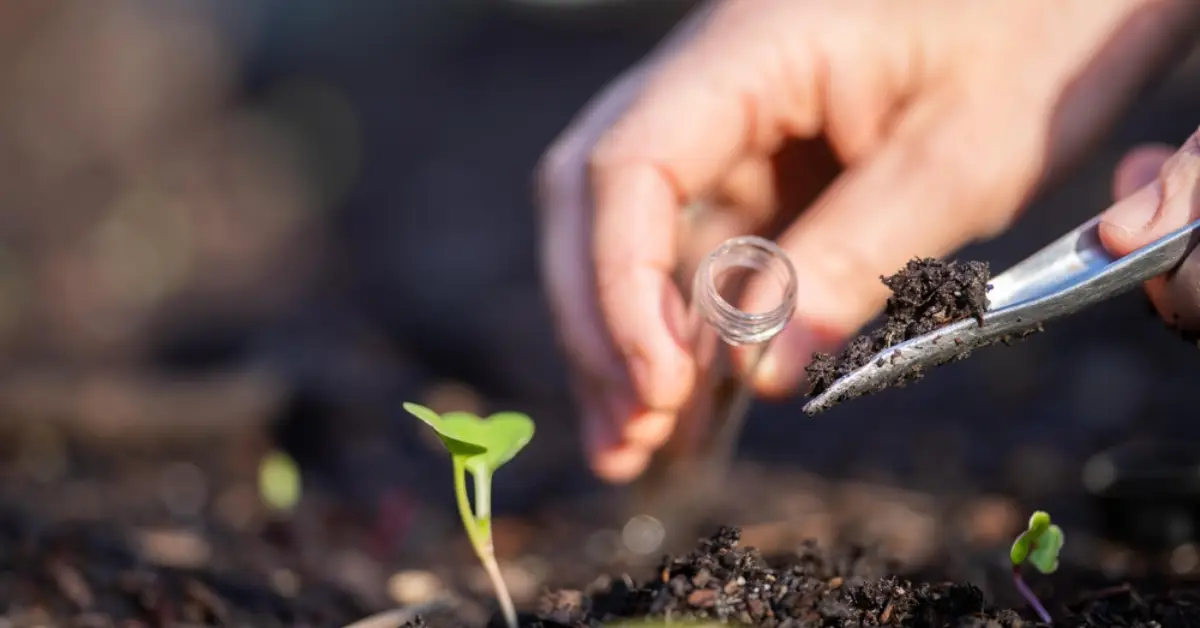
I used to skip soil testing, thinking it was something only commercial growers bothered with. Big mistake. A simple soil test can tell you exactly what’s missing — and what’s already there in excess. Without that insight, you’re guessing. And guessing with fertilizer often means overdoing it.
After testing my soil, I sometimes mix in vermiculite to improve aeration and water retention — if you want to learn exactly how to use it in your potting soil, check out my guide on vermiculite in potting soil.
When you add fertilizer blindly, a few things happen:
- Nutrients build up unevenly, throwing soil chemistry off balance
- Plants absorb some nutrients while others get “locked out”
- Over time, the soil turns compact and less alive
So before reaching for any bag, run a soil test first. It costs less than a few bags of fertilizer and saves your garden for seasons to come.
The hidden risks: nutrient build-up, soil pH, and locked-out micronutrients
Here’s something most gardeners don’t realize until it’s too late: even natural or “organic” fertilizers can cause harm if they build up in your soil. Over time, excess phosphorus or potassium changes the pH and blocks calcium, iron, and magnesium — key nutrients your plants quietly rely on.
When that happens, you’ll notice:
- Yellow leaves that don’t respond to feeding
- Slow growth despite “good soil”
- White crust forming on the surface after watering
That’s your soil crying for help. Fertilizer should heal the soil, not suffocate it.
Common Mistakes Gardeners Make with Fertilizer
Even after years of experience, I still find myself learning from trial and error. Fertilizer isn’t the villain — misuse is. Let’s look at where most gardeners, including me, often go wrong.
Over-fertilising: when more is worse
I’ve seen this happen countless times: a plant looks weak, so you feed it more fertilizer — then it wilts faster. Over-fertilizing literally burns the roots, dries out the soil, and kills beneficial microbes that help plants grow naturally.
Watch for these signs of over-fertilization:
- Leaf edges turning brown or crispy
- Sudden drooping after feeding
- White residue on top of the soil
When in doubt, feed less. Plants recover from hunger easier than from toxicity.
Using “the lawn formula” on food or ornamental plants
Many gardeners reach for that big green bag they already use on their lawn, thinking it’ll work everywhere. But lawn fertilizers are usually high in nitrogen — perfect for grass, terrible for fruiting or flowering plants.
High-nitrogen feeds cause vegetable plants to grow lots of leaves and almost no fruit. I once did this with peppers — they looked stunningly green but never produced a single pepper that season.
If you’re growing edibles or flowers, stick to fertilizers formulated for those plants. Each one’s needs are different.
Applying fertilizer at the wrong time or to dry soil
Timing is everything. Fertilizer should go on moist soil, ideally when plants are actively growing — not during heat stress or drought. Applying it on dry ground causes nutrient shock, and applying it right before heavy rain means it just washes away.
Quick tip:
- Water the soil lightly before fertilizing
- Feed early in the morning or late evening
- Avoid feeding right before a forecasted rain
These small changes can save you a lot of wasted effort and money.
Neglecting soil health & microbial life while relying on fertilizer
This is the most overlooked mistake. Fertilizer isn’t food for the soil — it’s food for the plants. And when you use it too often, you starve the living organisms underground that make your soil thrive.
Healthy soil has billions of microbes breaking down organic matter and releasing nutrients slowly. When chemical fertilizer dominates, those microbes die off. Over time, your plants start depending on artificial feeding — a cycle that’s hard to break.
Why Certain Fertilisers Are “Never Use” for Your Plants

Over the years, I’ve learned that not all fertilizers are safe for every plant. Some seem harmless, but they act like a quick fix that hides deeper soil problems. Here’s what I’ve discovered you need to avoid.
Synthetic/chemical fertilizers as “plant steroids”
I used to reach for chemical fertilizers for a quick green boost. And yes, they work at first — your plants look lush and healthy. But like steroids, they create artificial growth. Plants can become dependent on these chemicals, while your soil slowly loses its natural life. The result? Weaker roots and fragile plants that can’t cope without constant feeding.
Balanced blends used indiscriminately — a hidden trap
Those “10-10-10” or other balanced fertilizers might look safe, but they can be harmful if applied without testing your soil. Overuse can:
- Build up excess nutrients that block others
- Change soil pH unexpectedly
- Stress plants quietly, reducing yield
Even trusted sources like The Spruce warn that convenience comes at a hidden cost when you ignore your soil’s actual needs.
Fertiliser that ignores the soil-microbe ecosystem
Fast-acting fertilizers feed the plants but starve the soil microbes that keep your garden alive. Over time, the soil becomes dependent on artificial inputs, and your plants lose resilience. Healthy soil teems with microbes that recycle nutrients naturally — ignoring them is a costly mistake.
Fertilisers unsuited to the plant type or growth stage
One-size-fits-all fertilizers don’t work in real gardens. Seedlings, leafy greens, fruiting vegetables, and shrubs all have different nutrient needs. I once used a generic mix on young peppers and squash — they looked healthy at first but produced almost nothing. Matching fertilizer to plant type and stage is essential.
The Garden Rescue Plan: What to Use Instead
After a few disastrous seasons, I realized that the right fertilizer is just part of the solution. True success comes from strengthening your soil, not just feeding your plants. Here’s my approach:
Start with a soil test (and why you must)
Before touching any fertilizer, I always test my soil. It tells me exactly what nutrients are missing and what’s already present. Without a test, you’re guessing — and guessing can quietly ruin your garden. As Martha Stewart notes in her guide on common fertilizing mistakes, overfeeding without knowing your soil’s needs is one of the fastest ways to harm plants.
Compost, organic matter & slow-release amendments
Instead of chemical fixes, I rely on compost, aged manure, and slow-release organic fertilizers. They feed plants gradually while improving soil structure and microbial health.
Fertilising wisely: matching plant + stage + soil
Every plant has a nutrient profile depending on its growth stage. For example:
- Young shrubs: lower nitrogen, more phosphorus for roots
- Fruit-bearing vegetables: higher potassium to support flowers and fruits
- Leafy greens: moderate nitrogen, minimal phosphorus
Following this approach prevents nutrient stress and wasted effort. For those of you managing seasonal changes, I also adjust my feeding strategy in winter — here’s a detailed guide on how to feed your plants in winter with organic fertilizers that can help your garden stay healthy year-round.
Living soil, microbial health & long-term strategy
I never forget the living ecosystem beneath my feet. Cover crops, crop rotation, and adding organic matter keep microbes thriving. Over time, this reduces the need for synthetic fertilizers and makes my garden productive year after year.
Here’s the next section, written in your requested personal, first-person, reader-focused tone, with bullets, practical takeaways, and a single external link naturally incorporated:
Quick Fixes and Red Flags: What to Avoid Right Now

Even with the best intentions, mistakes happen. I’ve learned that catching problems early can save an entire season. Here’s what I watch for in my garden, and what you should too.
If you see leaf burn, stalled growth, weird colouration → act
Your plants are telling you something. Signs of fertilizer misuse can appear quickly:
- Leaves turning brown at the edges or developing yellow patches
- Slowed or stunted growth despite watering and feeding
- White crust forming on the soil surface
- Flowers or fruits dropping prematurely
When I see any of these symptoms, I immediately stop fertilizing and assess the soil. Often, a flush of water helps dilute excess nutrients and gives the plants a chance to recover. Early action prevents long-term damage.
Common misleading claims on fertiliser packaging
I’ve been fooled before by “miracle-growth” or “balanced-for-all” labels. These marketing claims rarely reflect the real needs of your plants or soil. Watch out for:
- Fertilizers claiming they are suitable for every type of plant
- Promises of instant results in one application
- Terms like “enhanced growth” without clear nutrient ratios
A little skepticism goes a long way. Check the label, verify nutrient content, and match it to your plant’s specific requirements.
Safe disposal, runoff prevention & environmental responsibility
Fertilizers don’t just affect your garden — they can impact your local ecosystem. I always make sure to:
- Store excess fertilizer in sealed containers away from children and pets
- Dispose of old or unused fertilizer according to local guidelines
- Avoid spreading fertilizer near storm drains or waterways
Following these simple steps helps protect your plants and the environment. As noted by the EPA in their guide on fertilizer use and runoff prevention, small actions in the garden can have a big impact on surrounding ecosystems.
Takeaways: Smart Fertiliser Use for Thriving Plants
After years of trial and error, here’s what I’ve learned about keeping your garden healthy without falling into fertilizer traps. Remember: it’s not about pouring more fertilizer — it’s about feeding your soil and plants intelligently.
Key takeaways:
- Always start with a soil test before adding any fertilizer.
- Avoid “one-size-fits-all” mixes like 10-10-10 unless your soil actually needs it.
- Match fertilizer to plant type and growth stage — seedlings, leafy greens, and fruiting plants all have different needs.
- Focus on soil health: add compost, organic matter, and encourage beneficial microbes.
- Watch your plants closely for early warning signs: leaf burn, stunted growth, or unusual discoloration.
- Be mindful of safety and environmental responsibility: store properly, dispose responsibly, and prevent runoff.
Gardening is a learning process, and even small adjustments can make a huge difference. And if you’re leaving town but want to make sure your plants stay healthy, I’ve shared my full tips on keeping indoor and outdoor plants thriving during vacation — a small step that prevents big problems while you’re away. I’d love to hear from you: what’s the biggest fertilizer mistake you’ve made in your garden? Share your experience in the comments below — your story could help other gardeners avoid the same pitfalls.
And if you want more practical tips, guides, and real-life strategies to build a thriving garden from scratch, visit Plant Care Dairy. Every garden can flourish with the right approach — let’s make yours one of them.
Disclaimer: The advice in this article is for general gardening purposes only. Results may vary depending on your soil, plants, and climate. Always follow label instructions on fertilizers and consult local experts if you’re unsure.