
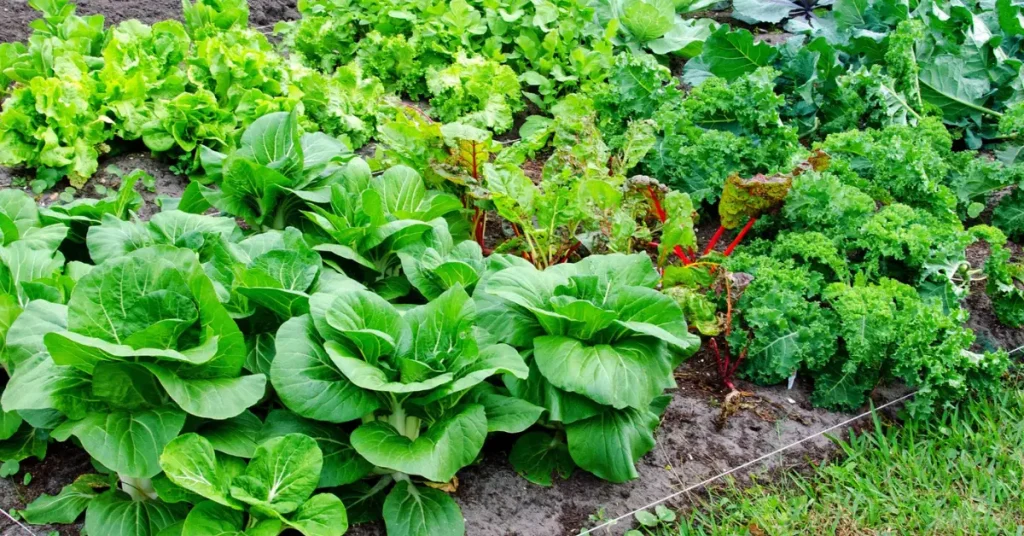
November can feel like a quiet month in the garden, can’t it? The days are shorter, the chill is creeping in, and it’s tempting to just leave everything be. But here’s the thing: a little effort now—set up correctly—can make the next few months almost effortless. I’ve spent years figuring out which garden jobs actually pay off without demanding weekly attention, and November is perfect for this “set and forget” approach.
In this article, I’ll walk you through low-effort, high-impact tasks that prepare your soil, protect your plants, and even help wildlife thrive—all while you enjoy more free time and less backbreaking work. By the end, you’ll have a plan that lets your garden quietly do the heavy lifting for you.
Why “Set and Forget” vs. Traditional Garden To‑Do Lists
I’ve always noticed how easy it is to get buried under weekly garden chores—watering, weeding, pruning, checking plants. It feels like no matter how much time you put in, the garden keeps calling you back. That’s why I love the “set and forget” approach. The idea is simple: you do a few smart, one-time tasks now that keep your garden happy over weeks or months, so you don’t have to babysit it constantly.
Some of the best “set and forget” techniques remind me of gardening tips passed down through generations; if you want more timeless advice, check out these gardening tips from grandparents that still work.
Here’s what makes it different from the usual grind:
- One-time setup: Tasks like mulching, planting certain bulbs, or adding leaf litter don’t need daily attention.
- Minimal follow-up: Instead of checking the soil every day or chasing weeds weekly, these actions largely maintain themselves.
- Big pay-off later: Your garden enters winter prepared, and in spring, you’re rewarded with healthy soil, thriving plants, and less work overall.
Think of it like investing in your garden. A little effort now yields a lot later, and your weekends stay free. For example, research shows that leaving leaf litter in beds over winter not only protects soil from frost but also supports beneficial insects and pollinators when spring comes, as highlighted in this Homes and Gardens guide to wildlife-friendly garden jobs in November. It’s one of those small adjustments that quietly works in the background while you focus on other things.
The Smart November Setup: Prioritise Your Effort
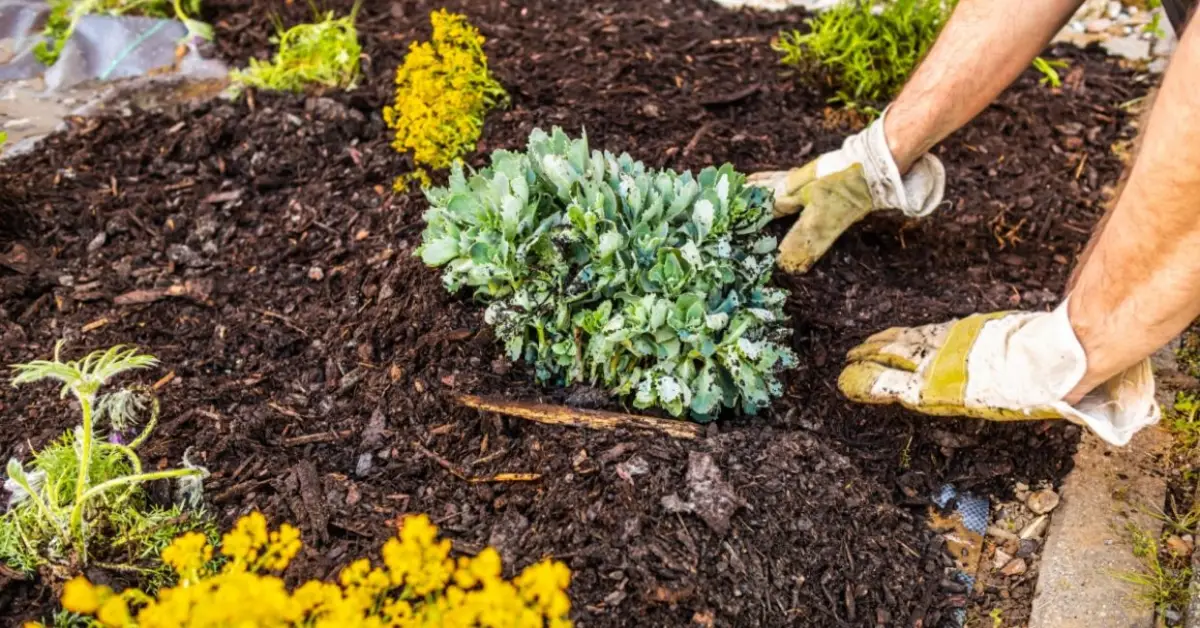
If you’re like me, it helps to have a clear plan instead of randomly tackling garden chores. In November, I follow a simple framework to make sure every action counts without overloading myself:
- Soil & mulch: Feed the soil, add compost or aged manure, and lay down a protective mulch layer.
- Planting for next season: Bare-root trees, shrubs, and spring bulbs go in now—they do the growing quietly underground until spring.
- Protection & infrastructure: Service irrigation, lift containers, and protect frost-sensitive plants so winter doesn’t undo your work.
- Wildlife & low-maintenance ecology: Leave seedheads, add leaf litter, and create small habitats to support insects and birds.
If you want, you can also focus on the top three high-impact tasks first, which usually give the biggest returns for the least effort:
- Mulching beds and adding leaf litter for soil health and wildlife.
- Planting bare-root trees or shrubs to get a jump on spring growth.
- Servicing irrigation and protective structures to reduce winter maintenance.
Following this setup gives your garden a head start while keeping your time commitment low. It’s the essence of “set and forget”—you work smart, not hard, and the garden quietly does the heavy lifting for you.
Soil & Mulch – The Foundation that Works While You Sleep
When it comes to preparing your garden for winter, soil and mulch are the real MVPs. Done right, they quietly keep your beds healthy, suppress weeds, and protect roots—all while you enjoy some well-earned downtime.
Feed the soil with compost or aged manure
A one-time soil amendment now pays off in spring with stronger, healthier plants. Here’s what I do:
- Choose well-aged compost or manure suitable for your garden.
- Spread a thin, even layer over your beds.
- Lightly fork it into the top couple of inches of soil—no deep digging required.
By feeding the soil this way, you’re boosting nutrient reserves and improving soil structure without constant follow-up. It’s a simple step that sets the foundation for a thriving spring garden.
Apply a deep mulch layer that lasts
Mulching is one of my favorite “set and forget” tricks. It suppresses weeds, retains moisture, and insulates roots against winter cold. To get it right:
- Use shredded leaves, wood chips, or bark mulch.
- Lay down a 3–4 inch layer over beds.
- Make sure plant crowns stay exposed to prevent rot.
This one-time layer dramatically reduces weed pressure and keeps your soil in better shape for months. If you want to make your November garden setup even more eco-friendly, these eco-friendly fall garden tips every gardener should try are a great complement to your soil and mulch work.
Sow cover crops or leave bare-soil patches to rest
Cover crops are a secret weapon for low-maintenance gardeners. They enrich soil, prevent erosion, and can even smother weeds naturally. Here’s how I approach it:
- Pick a cover crop suited for your region (clover, vetch, or rye works well in most US zones).
- Broadcast the seeds evenly over prepared soil.
- Leave it alone—nature does the rest.
Even leaving some beds bare to rest can improve soil structure over winter, giving you a head start in spring. For a deeper dive into choosing cover crops and their benefits, check out this guide from the University of California Agriculture & Natural Resources.
Planting That Works While You Wait for Spring
If you want to get a jump on spring blooms and strong roots, November is prime time for a few key plantings. Done properly, these jobs are practically “plant once, forget until spring.”
Plant bare-root trees, shrubs, and roses
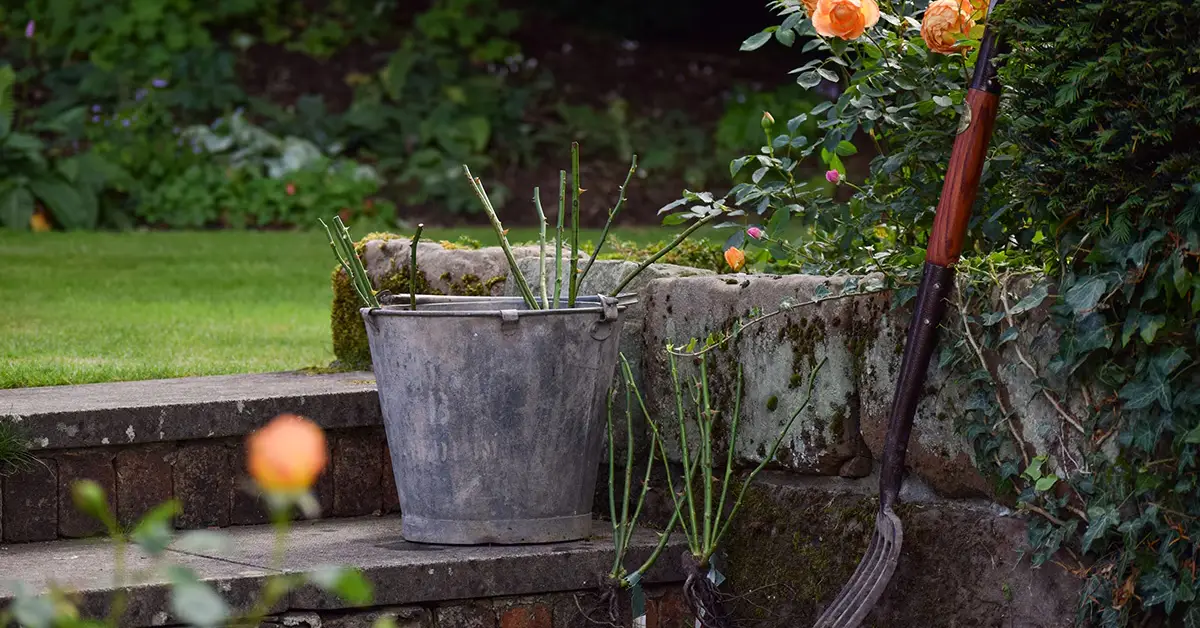
Bare-root plants are dormant and resilient, making November ideal for root establishment. Here’s how I handle it:
- Select healthy bare-root plants from a reputable source.
- Dig a hole slightly larger than the roots, position the plant, and backfill.
- Water lightly after planting, then let nature take over.
By planting now, you encourage long-term growth with minimal maintenance next season.
Plant spring-flowering bulbs now
Bulbs like tulips, daffodils, and crocuses need cold soil to bloom reliably. Here’s my method:
- Dig to the recommended depth for each bulb.
- Ensure soil drains well—bulbs hate standing water.
- Space bulbs according to package instructions and mark your beds.
Planting bulbs in November means high-impact spring color with very little effort this month.
Divide perennials and let them settle
Dividing perennials now takes advantage of cooler weather and reduces plant stress. I usually:
- Identify crowded or overgrown perennials.
- Lift the plant, separate the roots, and replant divisions immediately.
- Water lightly and mulch around new divisions.
This approach strengthens your plants and keeps your garden healthy without requiring extra planting later.
Infrastructure & Protection — Set It Once, Forget It for Winter
Preparing your garden infrastructure now means fewer headaches later. A little effort in November ensures your garden is winter-ready and spring-ready, without repeated work.
Service irrigation systems or install rain‑barrel/soaker setup
I always make sure my irrigation is ready before the freeze hits. This one-time check saves you from scrambling in spring:
- Inspect valves, hoses, and connectors for leaks.
- Drain systems and set timers as needed.
- Cover exposed hoses or rain barrels to prevent cracking.
Doing this now ensures your garden gets the water it needs in spring without extra effort.
Loosen or remove tree stakes, protect young trunks
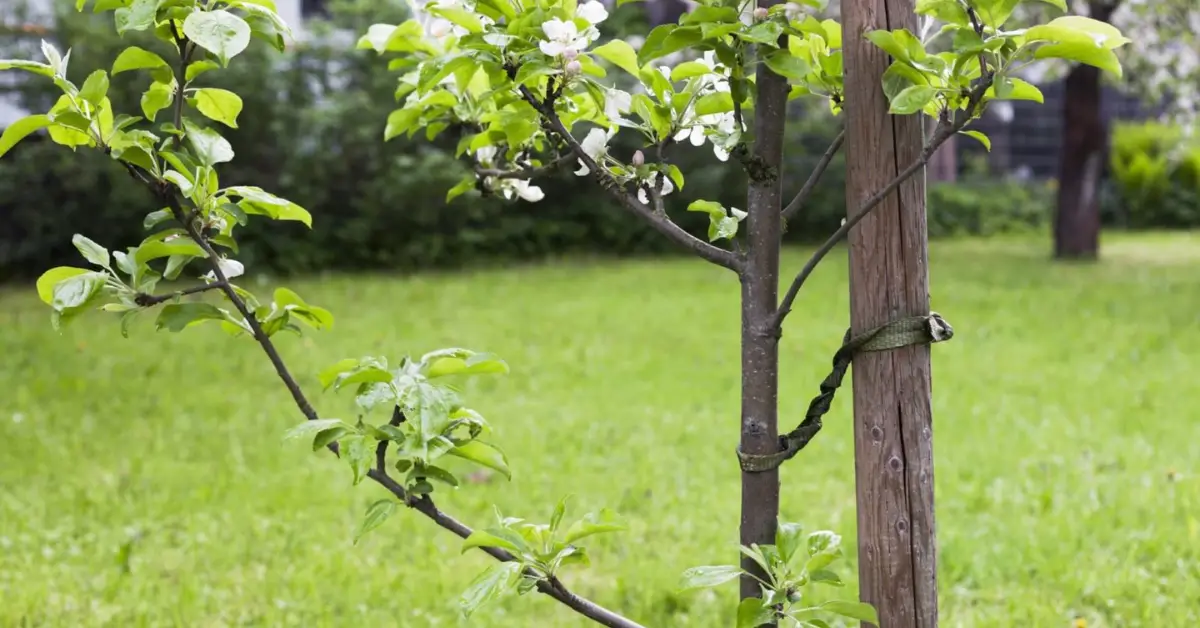
Young trees need support, but leaving stakes too long can stunt root growth. I usually:
- Check each tree and loosen or remove stakes if stable.
- Wrap vulnerable trunks with protective guards.
- Secure guards to prevent rubbing or damage.
This step lets your trees establish naturally while minimizing your ongoing involvement.
Raise containers, protect frost-sensitive plants, tidy tools
Containers and tools are easy to prep in November:
- Move pots to sheltered spots or elevate them off the ground.
- Cover frost-sensitive plants with breathable material.
- Clean and oil tools to prevent rust over winter.
A little prep now means less hassle during the colder months and a smoother start in spring.
Low‑Maintenance Wildlife & Ecosystem Support — Passive Garden Benefits
One of my favorite parts of “set and forget” gardening is creating habitats that benefit wildlife without constant maintenance.
Leave seedheads & leaf litter for wildlife
Instead of tidying every leaf, I leave seedheads and some leaf litter. Research from Texas A&M AgriLife shows that leaving leaf litter alone helps overwintering insects and supports a healthier garden ecosystem.
- Identify plants that provide seeds for birds or shelter for insects.
- Let leaves accumulate in designated areas rather than bagging everything.
This simple step allows your garden to work for you and wildlife with minimal effort.
Create simple brush/stone piles & feeders for habitats
Even leftover materials can create wildlife-friendly habitats:
- Pile stones or sticks to provide shelter for insects and small animals.
- Add a bird feeder or water dish in a protected area.
These low-maintenance additions enhance biodiversity while adding interest and beauty to your garden.
Quick Checklist: Your “One-Time” November Garden Setup
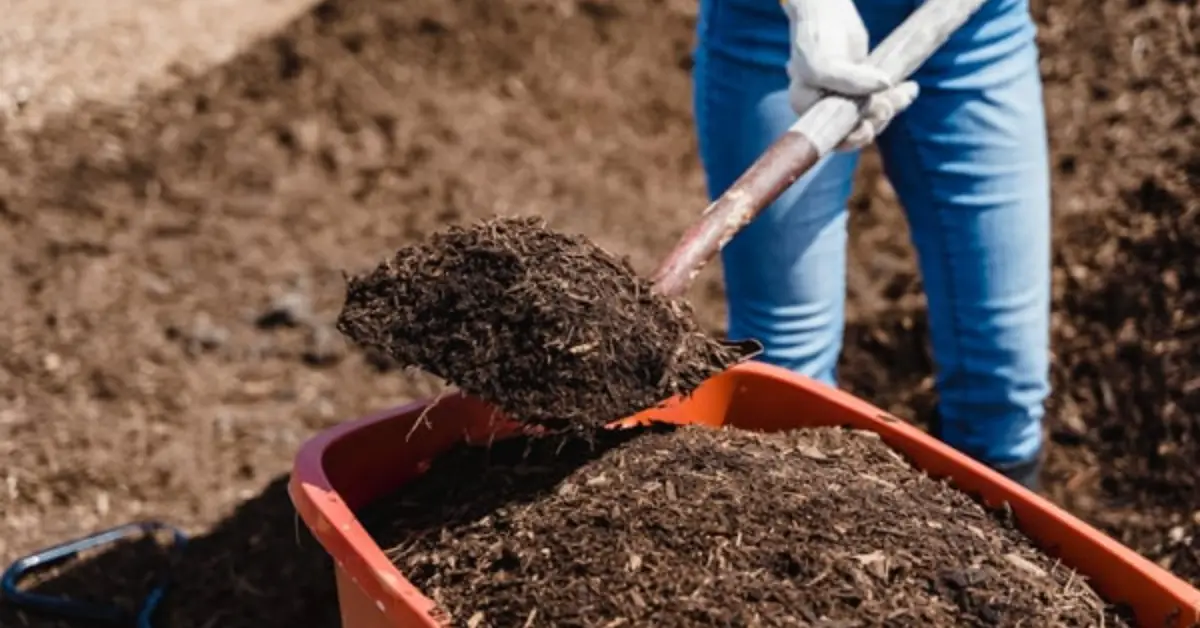
To make it actionable, here’s my go-to November checklist:
- Amended soil with compost or manure
- Mulch applied
- Bare-root trees or shrubs planted
- Spring-flowering bulbs in the ground
- Irrigation serviced / rain-barrel setup
- Frost-sensitive plants protected
- Leaves and seedheads left in beds
- Simple wildlife shelters created
- Tools cleaned and stored
This checklist ensures you cover all key tasks in one session, making your November garden setup truly “set and forget.”
Timing & Region Notes
Not all Novembers are created equal—your garden tasks depend heavily on your USDA Hardiness Zone. What works in a warm zone 8 or 9 could be too late or risky in colder zones 4–6. I always tailor my “set and forget” jobs to my own region, and I recommend you do the same.
Here’s a simple guideline:
| Zone | Recommended November Tasks | Notes |
|---|---|---|
| 4–6 | Mulch beds, plant bare-root trees, service irrigation, protect frost-sensitive plants | Expect early frosts; avoid planting tender bulbs outside |
| 7–8 | Mulch, plant spring bulbs, sow cover crops, wildlife prep | Longer growing season, some late planting possible |
| 9–10 | Mulch lightly, plant hardy shrubs, maintain containers, wildlife prep | Frost rare; focus on soil health and low-maintenance plantings |
This ensures you’re doing the right work at the right time for your region, and avoids wasted effort or damaged plants. For a more detailed step-by-step guide on preparing your garden for winter in November, you can follow our full November gardening tips: how to prepare your garden for winter.
Mistakes to Avoid (So You Don’t Waste Time Later)
Even with a “set and forget” mindset, there are common traps that can undo your efforts:
- Over-tidying: Clearing every leaf and seedhead may look neat, but it removes valuable habitat for insects and pollinators.
- Planting bulbs too shallow or in poorly drained soil: Can lead to rot or weak blooms.
- Leaving tree stakes too long: Restricts natural root growth.
- Neglecting irrigation prep: Leads to spring stress for your plants.
Avoiding these mistakes keeps your garden low-maintenance and thriving through winter and into spring.
What Next? Minimal Spring Check-In
The beauty of November “set and forget” tasks is that spring requires only a quick look:
- Inspect mulch and top up if needed.
- Check new plantings for growth and health.
- Spot any early weeds and remove them before they spread.
These few minutes in spring reinforce all your hard work from November, without turning into a full garden overhaul.
I’d love to hear how your garden is shaping up this November. Have you tried any “set and forget” tasks yet? Drop a comment below and share your experience—your tips might help fellow gardeners!
Also, for more hands-on advice, seasonal checklists, and smart gardening tips, visit Plant Care Dairy. Your garden deserves the easiest path to thriving with the least effort, and we’re here to guide you every step of the way.
Disclaimer: This article provides general gardening guidance based on typical conditions in the US. Always consider your local climate, soil type, and plant varieties before implementing tasks. For zone-specific advice, consult your local extension service or garden expert.