

I still remember the first cold snap that hit my foxtail fern. One light frost, and those lush, bushy fronds collapsed overnight. If you’ve had that “uh‑oh” moment too, you’re not alone.
In this guide, I’ll cut through the confusion and show you exactly how to prep foxtail ferns for fall and winter—indoors and out. You’ll learn when to move pots, how to protect beds, what to prune, and which mistakes to avoid so your plants bounce back strong in spring.
Foxtail Fern 101: Why Winter Prep Matters
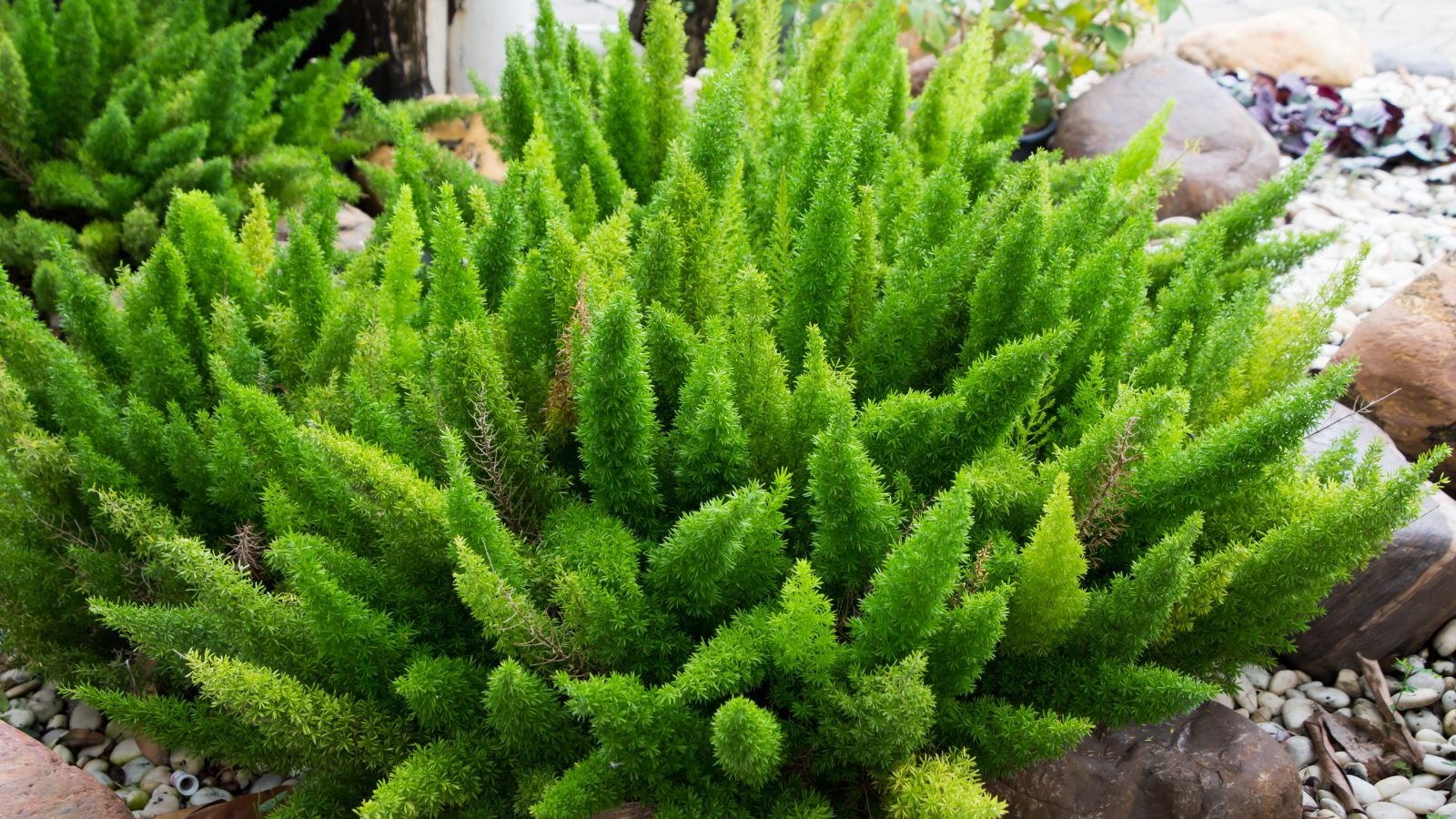
Foxtail ferns are gorgeous year-round in mild climates, but they don’t love deep freezes. A little planning now prevents heartbreaking winter damage later.
What are foxtail ferns?

Despite the name, foxtail ferns are not true ferns—they’re Asparagus densiflorus, a cousin of edible asparagus (but not edible themselves). I grow them primarily as ornamentals for their vivid, evergreen texture. Curious about their edible relative? How cold affects foxtails
These plants are typically hardy in USDA Zones 9–11. Fronds often die back after light frost, while roots are only marginally hardy around 20–25°F (-7 to -4°C). If your winters dip below that, plan to bring pots indoors before frost.
Fern look‑alikes and growth habit
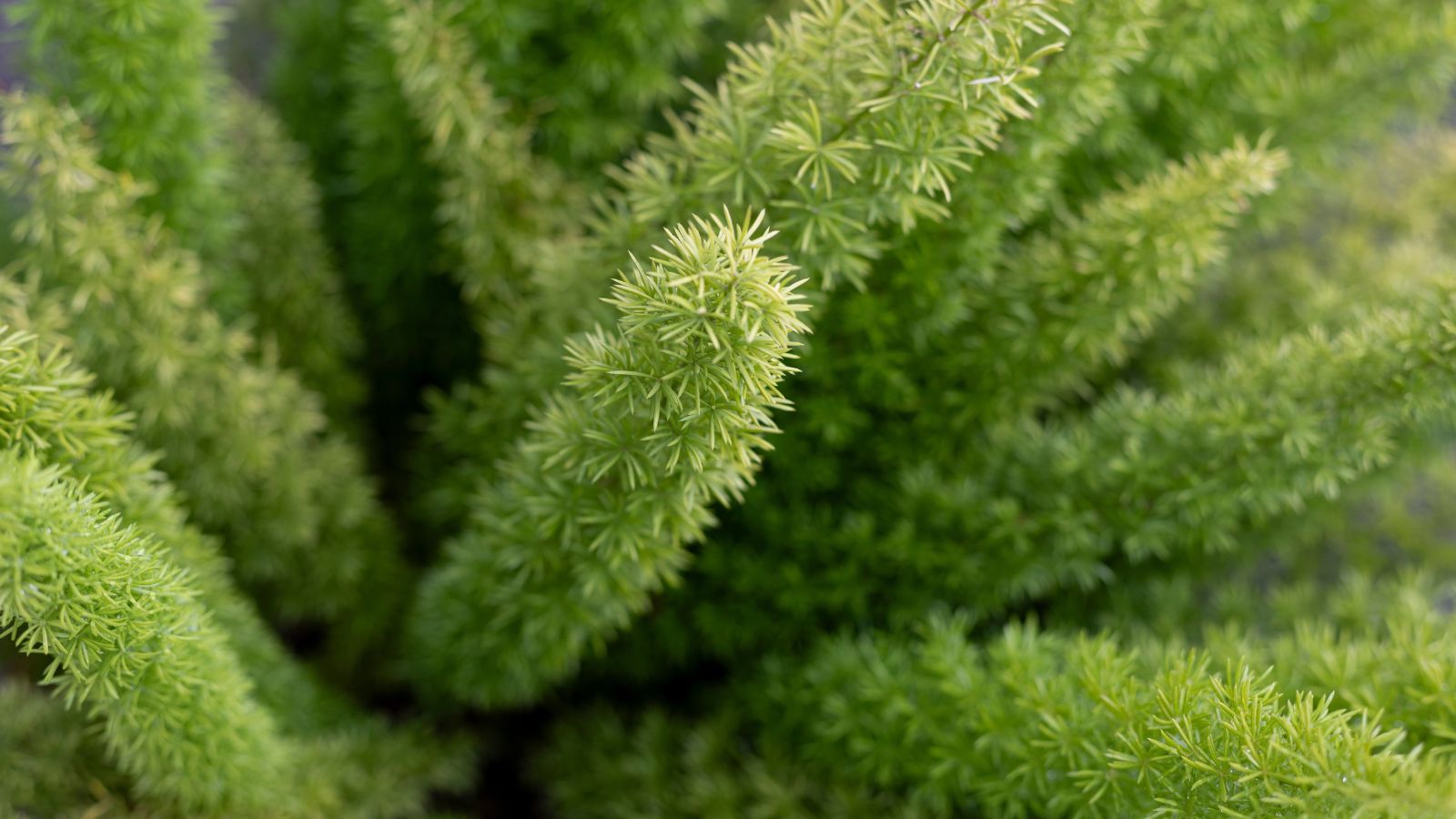
Foxtails mimic ferny texture thanks to dense, needle-like leaves on arching stems. Thick, tuberous roots regenerate new fronds if old ones die back. For compact growth, I’ll snip frond tips or cut leggy stems to the base and keep soil evenly moist as they rebound.
Varieties worth growing
- ‘Myersii’ (aka ‘Meyersii’): The classic upright foxtail—about 2 feet tall—with dense, tidy plumes. It earned the RHS Award of Garden Merit.
- ‘Sprengeri Compacta’: Shorter overall with arching, floppy fronds—great for hanging baskets.
- ‘Sprengeri’: Larger and looser; let those stems spill over the pot edge.
Move and Manage Potted Plants Indoors
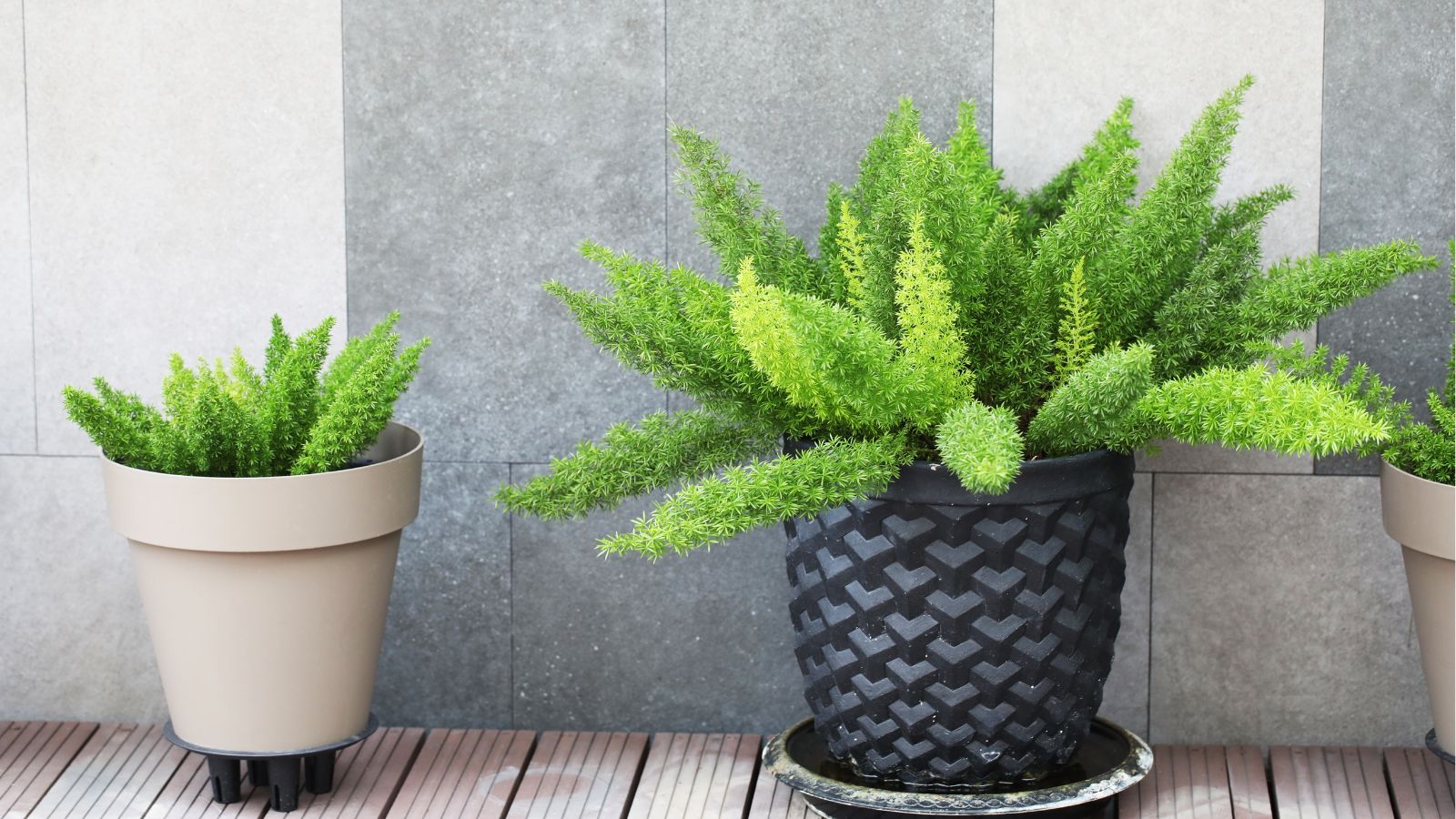
Bringing pots inside is the easiest insurance policy against a hard freeze. Here’s how I make the move smooth for my plants (and my floors!).
When to bring them inside
- Watch the forecast: Move plants indoors before first frost or if lows trend under 30°F (-1°C).
- Acclimate gradually: Shift pots to bright shade for a few days, then indoors to reduce shock.
Light and water inside
- Light: Give bright, indirect light near a window or use grow lights in darker rooms.
- Water: In fall/winter they need less moisture. I use the finger test—water only when the mix is dry an inch down, and never let pots sit in saucers of water.
- Drainage: Use a well‑draining potting mix to avoid root rot when growth slows.
Trim before you move
- Light tidy‑up: Snip frond tips to keep plants compact indoors.
- Big reset: If stems are too long, cut a few back to the base while leaving some foliage to photosynthesize.
Transplant In‑Ground Ferns Before Frost
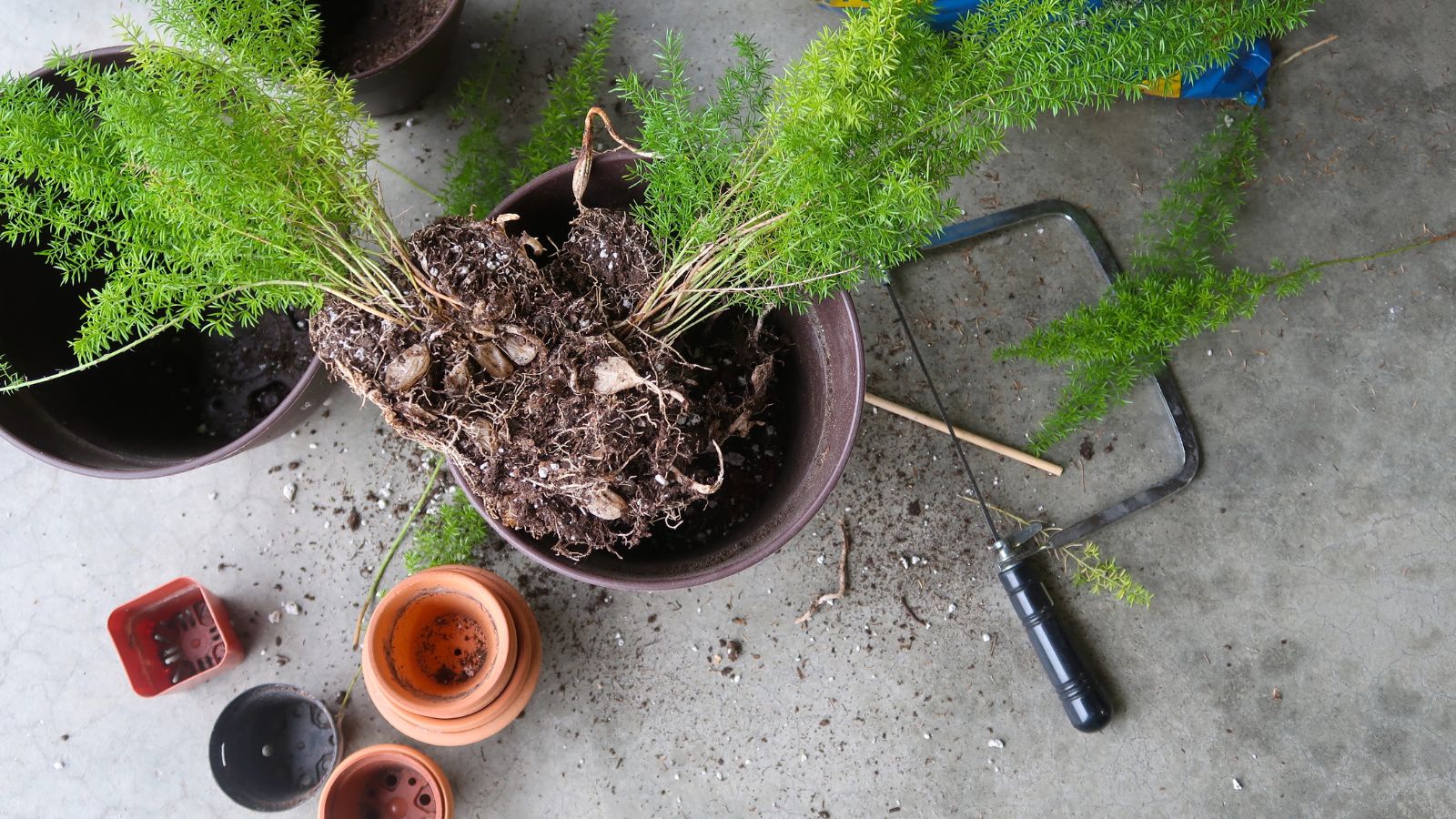
If you garden in Zone 8 or colder, dig and pot foxtails for a cozy winter indoors. I aim to do this well ahead of the first cold snap.
Dig and lift without damage
- Outline the root zone: Start a few inches beyond the frond line to capture the thick roots.
- Lift gently: Keep fronds attached if possible to reduce stress during the move.
Divide and repot like a pro
- Divide big clumps: Use a sharp knife or pruners to split into healthy sections.
- Fresh mix and pots: Plant divisions in containers with fresh, well‑draining soil and water thoroughly.
Acclimate for two weeks
- Partial shade first: Let newly potted plants settle in bright shade outdoors for ~2 weeks.
- Then move inside: Bring them in before frost; resume the indoor light/water routine.
Protect Outdoor Specimens All Winter

Keeping foxtails outside? You’ll need insulation and quick covers on frosty nights. This simple setup has saved my plants more than once.
Mulch beds for insulation
- Layer organic mulch: Use compost, leaf mold, or straw to buffer roots against temperature swings.
- Top up as needed: Maintain a 2–3 inch layer all winter for steady protection.
Shield containers on cold nights
- Wrap and cover: Add mulch on top of the soil, wrap pots with burlap, and drape over foliage on frigid nights.
- Move close to walls: Tuck containers near house walls or under eaves for extra warmth.
After dieback: patience pays
- Don’t panic: Fronds may brown and collapse in cold, but roots often survive to resprout in spring.
- Keep protecting: Maintain mulch and covers until consistent warmth returns.
Troubleshooting and Winter Watchlist
Get ahead of pests and common winter mistakes so you’re not dealing with bigger problems inside.
Treat for pests before plants come inside
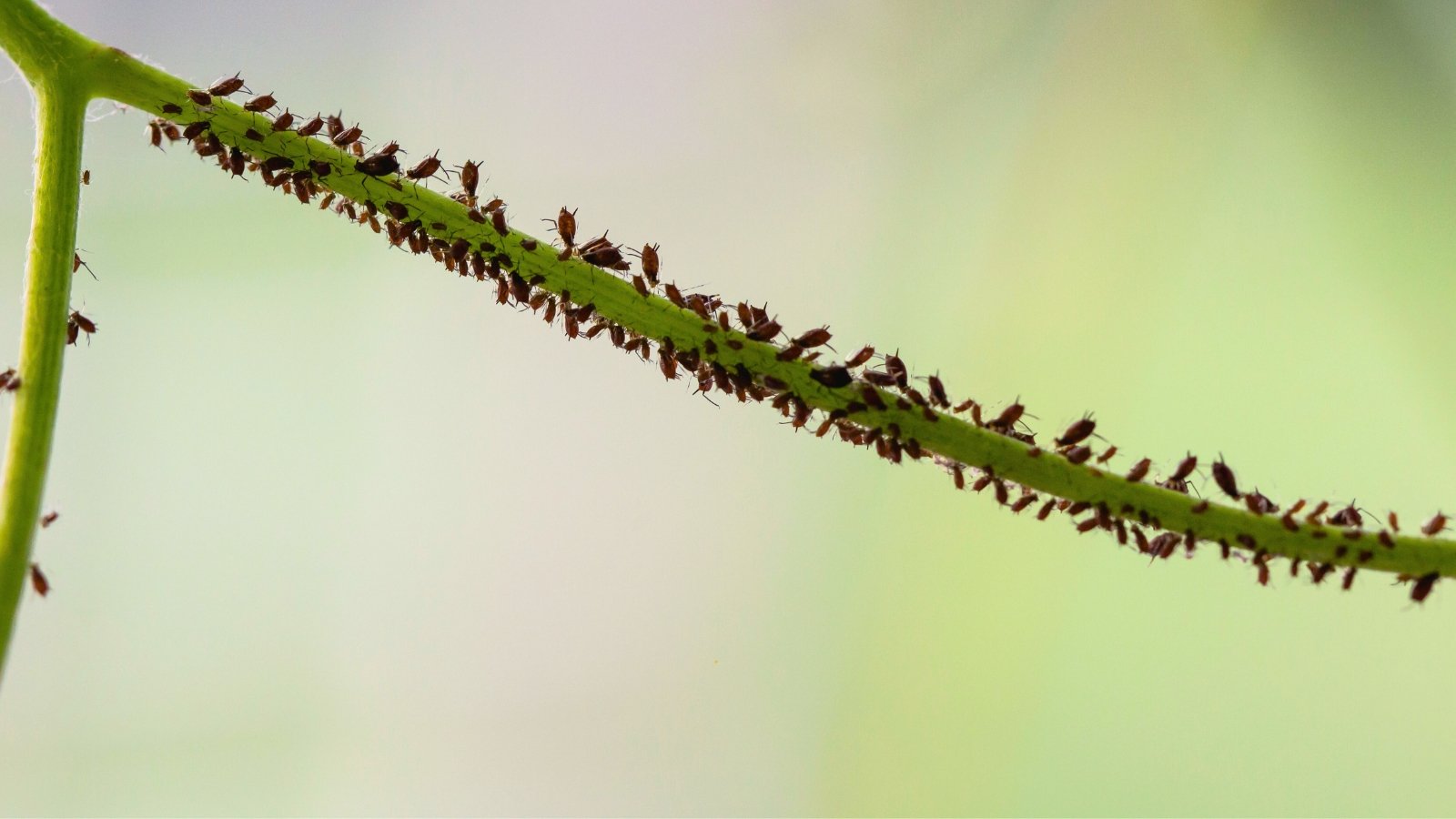
- Rinse thoroughly: Hose foliage daily for a week to dislodge spider mites, mealybugs, and aphids.
- Check hiding spots: Look under pots for slugs/snails and remove them.
- Prune out trouble: Trim heavily infested or damaged fronds and let fresh growth replace them.
- Bonus prep: Before any plant comes indoors, follow a quick sanitation routine
Skip fertilizer until spring
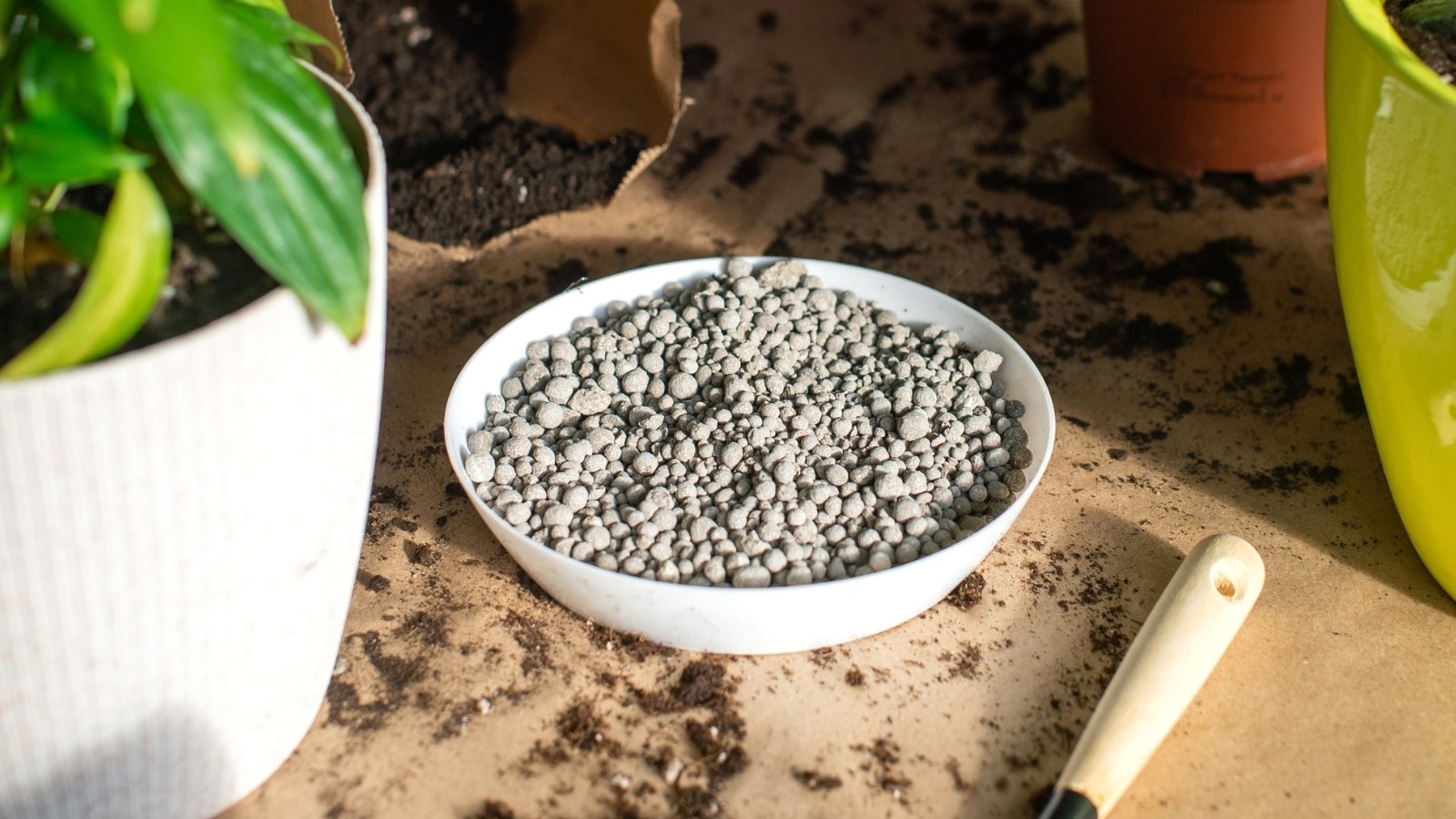
- Hold the feed: In fall/winter, plants slow down; fertilizer forces tender growth that’s easily damaged by cold.
- Resume later: Wait until active spring growth to start a gentle, balanced feeding program.
Key takeaways + quick checklist
- Prep early: Start moving/covering plants well before the first frost.
- Think drainage: Use well‑draining mix and avoid waterlogged pots—especially indoors.
- Protect, don’t push: Insulate roots, cover fronds on cold nights, and skip fertilizer until spring.
- Contain spread: In regions where foxtail fern can be invasive, keep it in containers and choose cultivars like ‘Myersii.’
| Situation | What to Do in Fall/Winter | Why It Helps |
|---|---|---|
| Zones 9–11, in-ground | Mulch 2–3″; cover fronds with frost cloth on cold nights | Insulates roots; prevents frost burn on foliage |
| Zones 8 and below, in-ground | Dig, divide if needed, pot up, acclimate, then move indoors | Keeps roots above lethal temps and reduces transplant shock |
| Any zone, potted outdoors | Wrap containers, add mulch on top, move near walls, use frost cloth | Buffers soil temps and shields fronds on frosty nights |
| Indoors (any zone) | Bright indirect light; water less frequently; no fertilizer | Matches slower winter growth; prevents rot and weak growth |
Smart gardening mindset: I always plan for the cold I actually get, not the cold I hope for. With a few simple habits—timely moves, protective mulch, lighter watering—you’ll set your foxtail ferns up for a lush comeback in spring.
Want more plant‑smart, season‑by‑season tips? Explore detailed care guides at plantcaredairy.com.