
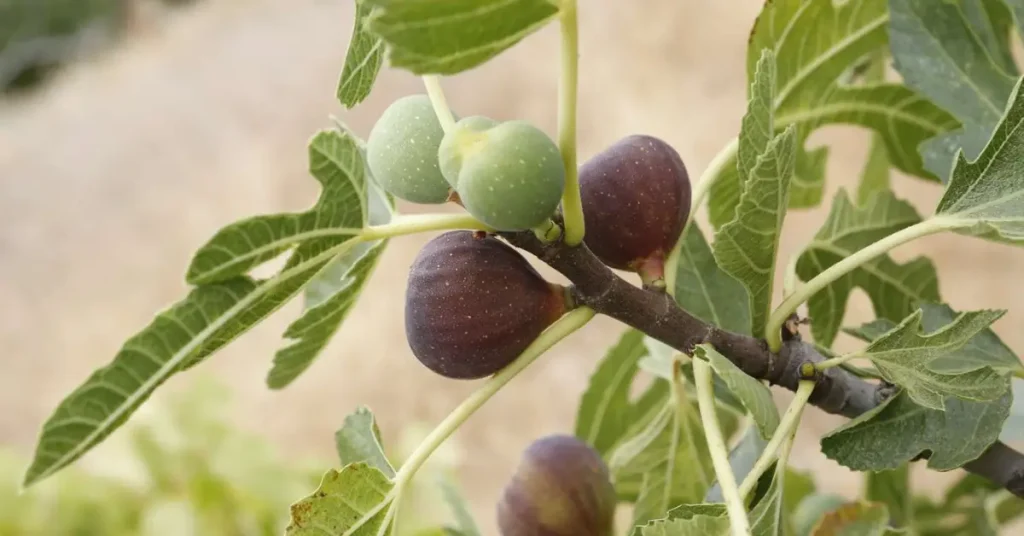
When I planted my first fig tree, I honestly didn’t expect much. I just wanted a few sweet figs for breakfast bowls and maybe a little shade in the corner of my yard. But by the next summer, that small stick I had pushed into the soil had turned into something remarkable — wide green leaves, a honey scent in the air, and the first few soft figs that tasted better than anything I’d ever bought.
If you’ve ever thought about growing your own fig tree at home, I’ll tell you this: it’s not complicated, but it does require a bit of understanding — the right spot, a little patience, and some care at the right time. The good news is that once a fig tree settles in, it practically looks after itself. You can grow it in your backyard, on a balcony, or even in a large pot if you live in a cooler area.
In this guide, I’ll walk you through how to choose the right variety, plant it correctly, care for it through the seasons, and harvest those golden fruits without overcomplicating things. You’ll also learn a few lessons I wish I knew earlier — like why fig roots need space to breathe and what happens when you water them too much.
Before we start, tell me — have you ever tasted a sun-warmed fig straight off the tree? Because once you do, you’ll understand why growing your own is absolutely worth it.
Why Grow a Fig Tree at Home?
When I tell people that figs are one of the easiest fruit trees to grow, they usually think I’m exaggerating. But if you’ve ever tasted a sun-ripened fig straight from your own garden, you’ll know why so many home gardeners swear by them. They’re beautiful, forgiving, and produce fruit that tastes like dessert straight from nature.
Growing a fig tree at home isn’t just about the harvest — it’s about bringing a small piece of the Mediterranean warmth right to your backyard or balcony. Whether you have a full garden bed or just a sunny corner on your patio, a fig tree adapts better than most fruit trees ever will.
Let’s look at why it’s worth making space for one.
Taste and Health Benefits of Figs
Figs are proof that something delicious can also be incredibly good for you. They’re naturally sweet but packed with fiber, calcium, magnesium, and antioxidants. Eating them fresh supports digestion, while dried figs offer a natural energy boost without any processed sugar.
When you grow them yourself, you get:
- Better flavor: Fresh figs taste nothing like store-bought ones — they’re softer, juicier, and far more fragrant.
- More control: You decide when to pick them, ensuring perfect ripeness.
- Pure fruit: No wax coating or long storage time — just natural sweetness from your own tree.
I’ve found that the satisfaction of picking figs from a tree you planted yourself makes you appreciate every bite more deeply.
Fig Trees’ Suitability for Home Gardens and Containers

One of the reasons I recommend figs to new gardeners is how versatile they are. You can grow them directly in the ground if you have space, or keep them in a large pot on a patio or balcony. And if you love experimenting with compact, productive plants, you might also enjoy growing cherry tomatoes at home — they thrive beautifully in containers and add a fresh pop of color right next to your fig tree.
Here’s what makes them perfect for both situations:
- Compact growth: Most varieties can be pruned to stay manageable in size.
- Decorative value: Broad, sculptural leaves make them as attractive as any ornamental plant.
- Low maintenance: Once established, fig trees are surprisingly drought-tolerant and need little attention beyond watering and occasional feeding.
- Container-friendly: Their shallow root systems adapt well to pots, and container growing helps control root spread.
If you live in a cooler state, you can even roll your container fig indoors during winter and back outside in spring — no need to give up on fresh figs because of the weather.
Things to Check: Climate, Space, Zones, and Root Spread
Before planting, you need to make sure your space suits a fig’s basic needs. Figs love the sun, warmth, and a bit of breathing room for their roots. Here’s what to keep in mind:
- Sunlight: Choose a spot that gets at least 6–8 hours of direct sunlight daily.
- Soil: Well-drained, loamy soil is ideal. If your soil stays soggy, plant in a raised bed or container.
- Hardiness zones: In the U.S., most figs thrive in Zones 7–10. In cooler areas, stick to cold-hardy varieties or grow in pots you can move.
- Root space: Fig roots spread wide, so if planting near walls or driveways, give them several feet of space.
According to the Penn State Extension, fig trees need full sun and soil that drains well to produce sweet, abundant fruit — and that’s the foundation of a healthy, long-lived fig.
Before moving to the next step, take a quick walk around your yard or balcony. Find the sunniest, most sheltered spot — that’s likely where your fig tree will be happiest.
Selecting the Right Fig Tree Variety and Spot
Choosing the right fig tree isn’t just about picking a plant — it’s about matching your growing space and climate to the right variety so you actually get fruit, not frustration. Let’s narrow it down together.
Popular Varieties for Home Growing
There are dozens of fig types out there, but only a few are reliable for most U.S. gardeners. Here are some proven options:
- Brown Turkey: A hardy favorite that tolerates cooler temperatures; produces two crops a year in mild climates.
- Celeste: Small but sweet fruit; great for warm regions with humid summers.
- Chicago Hardy: One of the most cold-tolerant varieties; perfect for northern gardeners growing in containers.
- Kadota: Mild, honey-flavored fruit ideal for drying or preserves.
- Black Mission: Classic dark-purple figs with rich flavor, perfect for fresh eating.
When choosing, think about your goals: do you want something cold-resistant, prolific, or ornamental? The right match makes growing easier from day one.
Indoor vs. Outdoor vs. Container: Pros and Cons
Each setup has its own rhythm. Here’s a quick breakdown so you can choose what fits your lifestyle:
Outdoor (in-ground)
- Best for warm to mild climates (Zones 8–10)
- Produces larger harvests
- Minimal winter care needed
Container / Patio Growing
- Ideal for limited space or cooler climates
- Easy to move indoors during frost
- Roots stay contained, making pruning simpler
Indoor Growing
- Works only if you have strong sunlight (south-facing window) or a grow light
- Great for smaller dwarf varieties
- Keeps the tree safe year-round but yields are smaller
If you’re unsure, start with a container fig. It’s the easiest to control and lets you learn the tree’s needs before committing to an in-ground planting.
Best Location: Sun, Soil Type, and Protection
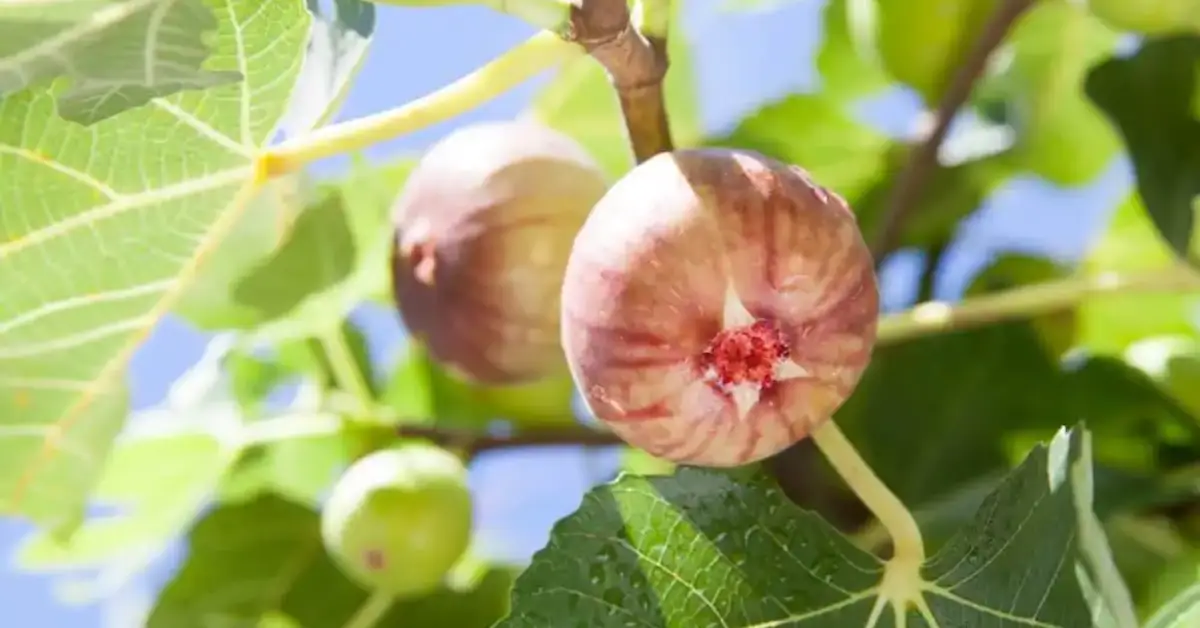
Where you plant often matters more than what you plant. Fig trees are sun-seekers — the more light they get, the sweeter the fruit.
Follow these quick rules:
- Pick a south-facing wall or fence if you’re in a cooler state. It traps heat and shields the tree from cold winds.
- Keep soil slightly moist but never soggy. Add compost or perlite if your soil feels heavy.
- Avoid deep shade — even a few hours of lost sunlight can mean fewer figs.
- Give space for airflow around the tree to prevent mildew and pests.
I like to think of fig trees as sun-lovers with deep roots in warm soil — give them that, and they’ll reward you every season.
Quick Reference Table
| Variety | Best Zones | Container Friendly | Notes |
|---|---|---|---|
| Brown Turkey | 7–10 | Yes | Hardy, dependable, mild flavor |
| Celeste | 8–10 | Moderate | Sweet and compact |
| Chicago Hardy | 5–9 | Excellent | Cold-resistant, great for pots |
| Kadota | 8–10 | Moderate | Golden fruit, ideal for preserves |
| Black Mission | 8–10 | Moderate | Classic flavor, needs warmth |
Have you already decided where your fig will go — in a pot by the window or out in the yard? Think it through, because that single choice will shape everything about how your fig grows and produces fruit.
Planting Your Fig Tree the Right Way
When it comes to figs, planting isn’t just about digging a hole and hoping for the best. How you start decides everything — how fast your tree grows, how healthy it stays, and how soon you’ll taste your first fruit. I’ve seen new gardeners skip these small details, only to spend years wondering why their tree never quite took off. So, let’s do this the right way from the start.
When to Plant
Timing is everything. The best time to plant your fig tree is in spring, right after the last frost. That’s when the soil starts to warm up, and the young roots can settle in without the stress of freezing nights.
If you live in a region with mild winters (Zones 8–10), you can also plant in early fall, giving roots enough time to establish before dormancy.
A quick tip: don’t rush into planting just because the nursery shelves look tempting in late winter. Wait until your soil feels slightly warm when you touch it. Cold soil slows root growth and can cause transplant shock.
For a detailed planting calendar by region, the University of Georgia Extension provides an excellent breakdown that matches fig planting windows with local frost dates — a helpful reference before you start digging.
Preparing the Soil and Hole
Healthy roots start with healthy soil. Figs love well-drained, loamy soil — something that stays moist but never soggy. If your ground is heavy clay, mix in compost and coarse sand or perlite to loosen it up.
Here’s how to get the spot ready:
- Dig a hole twice as wide and about as deep as the root ball.
- Mix in compost or aged manure to enrich the soil.
- Check drainage by filling the hole with water — it should drain within a few hours.
- Form a small mound at the bottom of the hole so roots can spread naturally.
If you’re planting in poor soil, consider raising the bed or using a large container — figs hate wet feet.
Planting In-Ground vs. Pot: Technique Differences
The process changes slightly depending on where your fig will live.
For in-ground planting:
- Gently remove the tree from its nursery pot, teasing apart any tightly wound roots.
- Place it so the top of the root ball is level with the ground — not buried too deep.
- Backfill with the loosened soil, pressing lightly to remove air pockets.
- Water thoroughly to help the soil settle.
For container planting:
- Choose a 20–24 inch wide pot with good drainage holes.
- Use a light, well-aerated potting mix — garden soil alone is too dense.
- Place a few stones or coarse gravel at the bottom to improve drainage.
- Position the pot where it’ll get full sun for most of the day.
Container figs tend to grow faster initially but may need root pruning or repotting every 2–3 years. Don’t worry — it’s simpler than it sounds, and I’ll walk you through it later.
Watering Immediately and Initial Care After Planting

Once your fig is in the ground or pot, water deeply right away. That first soak helps roots connect with the soil. Afterward, keep the soil evenly moist (not soaked) for the first month.
Here’s a quick 4-week care checklist:
- Week 1: Water every 2–3 days if no rain.
- Week 2: Light mulch around the base to retain moisture (but keep mulch off the trunk).
- Week 3: Check leaves — light wilting midday is fine, constant droop means overwatering.
- Week 4: Start spacing out watering to every 4–5 days; let topsoil dry slightly before re-watering.
Avoid fertilizing right away. Let your fig adjust first — early fertilizer can shock young roots.
By the end of the first month, your fig tree should have settled in, pushing out a few new leaves. That’s your sign you did things right.
When I planted my first fig, I kept a small notebook to track watering and sun exposure for the first few weeks — and it taught me exactly how my soil behaved. Try it. A little observation early on will save you seasons of guesswork later.
So, where are you planning to plant yours — out in the yard or in a big pot near the window?
Caring for Your Fig Tree to Maximise Growth and Fruit
Once your fig tree is planted, the real journey begins. The first year is about helping it settle, but after that, your job shifts to guiding growth, balancing water, and shaping the tree for consistent harvests. A fig tree that’s cared for properly will reward you with fruit year after year — and sometimes even twice a season.
Watering Schedule: Young vs. Established Trees
Watering a fig tree sounds simple, but too much or too little can make all the difference between a thriving plant and a struggling one.
In the first year, your goal is to help the roots spread evenly:
- Spring to early summer: Water deeply two to three times a week.
- Mid-summer onward: Let the top few inches of soil dry before watering again.
Overwatering is one of the most common mistakes new growers make. A little stress, especially during ripening, actually concentrates the sugars and improves flavor.
Once your fig tree is established (after the first year):
- Water once every 5–7 days during warm months.
- In cooler or rainy seasons, cut watering back to once every two weeks or less.
- Container figs need slightly more frequent watering since pots dry out faster.
If leaves start yellowing from the bottom or fruit splits before ripening, it’s usually a sign you’ve been too generous with the hose.
Soil, Drainage, and Mulching
Healthy soil equals healthy figs. Figs prefer a slightly acidic to neutral soil with a pH between 6.0 and 6.5, and excellent drainage.
A few ground rules:
- Never let your fig sit in standing water — soggy soil suffocates roots.
- Mix in compost once a year to keep nutrients balanced.
- Use organic mulch (like straw or shredded leaves) to regulate moisture and suppress weeds, but keep it an inch away from the trunk to prevent rot.
- Every spring, loosen the topsoil gently around the base to improve aeration.
For container figs, refresh the top few inches of potting mix annually with compost or organic fertilizer to keep the soil alive and nutrient-rich.
Fertilizing: What, When, and How
Figs don’t need heavy feeding, but the right nutrients at the right time can make a big difference. Think of fertilizer as a boost, not a crutch.
Here’s a simple breakdown:
- Early spring: Apply a balanced fertilizer (10-10-10) to kickstart leaf and root growth.
- Mid-summer: Shift focus to phosphorus and potassium (low nitrogen) to encourage fruiting.
- Avoid fertilizing after late summer — it pushes new growth that won’t harden before winter.
If you notice too many leaves but few fruits, cut back on nitrogen. Figs thrive when you let them work a bit for their food — it keeps their energy focused on producing sweet fruit instead of lush foliage. As you plan your seasonal care routine, you might also check out which plants benefit most from fall fertilizing — it’ll help you time nutrients right for healthier growth across your garden.
Pruning, Training, and Container Repotting
Don’t be afraid to prune — it’s the secret to a manageable and productive fig tree.
- Winter (dormant season): Cut away dead or crossing branches. Aim for an open shape so sunlight reaches all parts of the tree.
- Summer: Lightly thin out new shoots to improve air flow and direct energy toward fruiting branches.
- Espalier training: If space is tight, you can train your fig along a wall or fence — it saves space and helps absorb more warmth.
For container trees:
- Every 2–3 years, remove the fig from its pot, trim back up to one-third of the roots, and refresh the soil.
- Choose a new pot only one size larger if roots are crowded — too much space can cause uneven moisture levels.
A well-pruned fig looks clean and balanced, and it rewards you with bigger, sweeter figs year after year.
Winter Protection and Overwintering
Figs may love the sun, but cold snaps can damage young wood and buds. If you live in Zones 6–7 or cooler, protect your fig tree before the frost hits.
For in-ground trees:
- Wrap the lower trunk with burlap or frost cloth.
- Add 6–8 inches of mulch at the base to insulate the roots.
- In extreme cold, build a simple chicken-wire cage around the tree and fill it with dry leaves for insulation.
For container trees:
- Move the pot into a garage, basement, or enclosed porch where temperatures stay above freezing (ideally 40–50°F).
- Water sparingly — just enough to keep the soil from drying completely.
Come spring, slowly reintroduce your tree to sunlight over a week to prevent shock.
Pro Tip: Common Mistakes to Avoid
- Overwatering or waterlogging roots
- Using heavy clay soil with poor drainage
- Ignoring pruning or skipping winter protection
Each of these mistakes can delay fruiting or even kill young trees — and they’re all preventable with a bit of attention.
Harvesting Your Figs and What Comes After

Growing figs is one thing; harvesting them at their peak is another art entirely. The best part? Once a tree starts producing, you can expect baskets of figs each summer — sometimes two crops a year if the weather’s right.
How to Tell When Figs Are Ripe
The trick is to let the tree tell you when it’s ready. Ripe figs usually:
- Droop slightly on the branch
- Feel soft when gently squeezed
- Show a color shift (green to brown, purple, or honey-gold depending on variety)
- Sometimes release a tiny drop of nectar from the base
Never pick figs that still point straight up — they’ll stop ripening once removed. According to Better Homes & Gardens, figs do not continue ripening after harvest, so patience is worth it.
How to Harvest
When figs are ready, hold the fruit gently and twist upward instead of pulling down. Use gloves if your tree releases a bit of milky sap — it can irritate the skin.
Harvest in the morning before the sun gets too strong, and handle figs carefully. Their skin is delicate, and even a small bruise can shorten shelf life.
Storage and Preservation Options
Figs are best eaten fresh, but they can be stored or preserved in a few ways:
- Refrigerate: Keep fresh figs in a shallow container lined with paper towels for up to 3 days.
- Freeze: Slice and freeze on a tray, then store in airtight bags for up to 6 months.
- Dry: Dehydrate at low heat (135°F) until leathery; store in sealed jars.
- Preserve: Make jam, compote, or honeyed syrup for longer shelf life.
Common Pests, Diseases, and How to Handle Them
Even healthy fig trees can face a few issues. The most common include:
- Root rot: Caused by overwatering; fix by improving drainage.
- Scale insects: Wipe branches with neem oil or mild soapy water.
- Nematodes: Plant marigolds nearby or grow in containers if your soil is infested.
- Rust (orange leaf spots): Remove affected leaves and avoid overhead watering.
Quick Troubleshooting Table
| Problem | Likely Cause | Fix |
|---|---|---|
| Yellowing leaves | Overwatering | Let soil dry, improve drainage |
| Fruit splitting | Inconsistent watering | Keep moisture consistent |
| No fruit | Too much nitrogen or lack of sunlight | Adjust feeding, relocate if shaded |
| Drooping leaves | Underwatering or heat stress | Deep soak, mulch base |
| Brown leaf edges | Salt buildup or overfertilizing | Flush soil with clean water |
There’s a kind of satisfaction in watching your fig tree go through the seasons — from bare branches to full green leaves and finally, the heavy droop of ripened fruit. Once you’ve picked your first bowlful, you’ll understand why gardeners fall in love with figs.
So tell me — what’s your plan for your first harvest? Eat them fresh, or turn them into jam to share with friends?
Growing Fig Trees When Space or Climate Is Limited
Not everyone has a sprawling garden — and honestly, you don’t need one to grow figs successfully. With the right approach, even a small patio, balcony, or sunny indoor corner can become a home for a thriving fig tree. Figs are surprisingly adaptable, and once you learn how to balance light, soil, and warmth, you can enjoy homegrown fruit no matter where you live.
Top Varieties for Containers and Small Gardens
If you’re working with limited space, focus on varieties that stay compact yet still produce plenty of fruit:
- ‘Brown Turkey’ – A tough, forgiving variety with sweet bronze fruit. Great for beginners.
- ‘Celeste’ – Compact, early-fruiting, and perfect for warm regions or patios.
- ‘Chicago Hardy’ – Known for surviving cold winters (down to Zone 5) and regrowing strongly each spring.
- ‘Petite Negra’ – A true dwarf variety that fruits when it’s barely knee-high — perfect for indoor setups.
These figs are bred for adaptability, making them ideal for container growing or smaller suburban yards.
Container Planting Guide: Pot Size, Soil Mix, and Moving Indoors
A fig’s health starts with how it’s planted — especially in a pot.
- Choose the right pot: Start with one at least 20–24 inches wide, with solid drainage holes. Terracotta or fabric grow pots work well because they “breathe.”
- Use the right mix: A 1:1:1 blend of compost, potting soil, and perlite creates that ideal balance of moisture and air.
- Water smartly: Figs in pots dry out faster — water when the top inch of soil feels dry.
- Sun exposure: Give your fig at least 6–8 hours of sunlight daily.
- Winter care: Before frost, move the pot indoors to a cool, sheltered space like a garage or basement (40–55°F).
Once spring returns, gradually reintroduce it to sunlight over a week to avoid leaf shock.
Growing in Cooler Zones: Extending the Season
If you live in the northern U.S. (Zones 5–7), you can still grow figs — it just takes a little planning.
- Use a south-facing wall: Positioning your pot near a south-facing wall adds warmth and protects from wind.
- Leverage microclimates: Place your pot near heat-reflective surfaces like brick or stone.
- Cover in cold snaps: Use frost cloths on unexpectedly chilly nights.
- Grow in containers: This allows you to move your fig indoors easily once temperatures drop.
These tricks help you stretch your fig season weeks beyond what’s typical for your area. If you’re drawn to growing unique or tropical fruits, take a look at our step-by-step guide to growing dragon fruit at home — it shares a lot of the same warmth-loving habits as figs.
Indoor Growing: Light, Temperature, and Pruning
If you’d rather grow your fig entirely indoors, it’s possible — but you’ll need to mimic natural light and warmth.
- Light: Provide 6–8 hours of direct sunlight or use a full-spectrum grow light.
- Temperature: Keep between 65–75°F for steady growth.
- Humidity: Moderate humidity (40–60%) keeps leaves from drying.
- Pruning: Pinch back tall shoots to encourage a bushier shape and focus the plant’s energy on fruit instead of leaves.
- Pollination: Most modern varieties like Brown Turkey and Celeste are self-pollinating, so you don’t need to worry about wasps or insects.
Your Fig Tree Journey Starts Now
If you’ve read this far, you’re already ahead of most beginners. Growing a fig tree isn’t complicated — it’s about patience, attention, and understanding what your plant needs as it grows. Whether you’re planting one in your backyard or keeping it by your apartment window, the joy of seeing your first ripe fig never fades.
Here’s how to keep your momentum going:
- Choose your variety based on your space and local climate.
- Plant this season — the earlier you start, the faster your tree settles.
- Observe and adjust — figs tell you what they need if you pay attention.
- Be consistent — small, steady care always beats overthinking.
If you want more practical, experience-backed growing tips, head over to Plant Care Dairy — where I share detailed guides and real-world advice that works for every type of home gardener.
So, where will your first fig tree live — on your balcony, your backyard, or right beside your kitchen window?
Disclaimer: This guide is for general educational purposes only. Always consider your local climate, soil conditions, and regional planting guidelines before growing fig trees. For personalized advice, consult your nearest agricultural extension or certified horticulturist.