
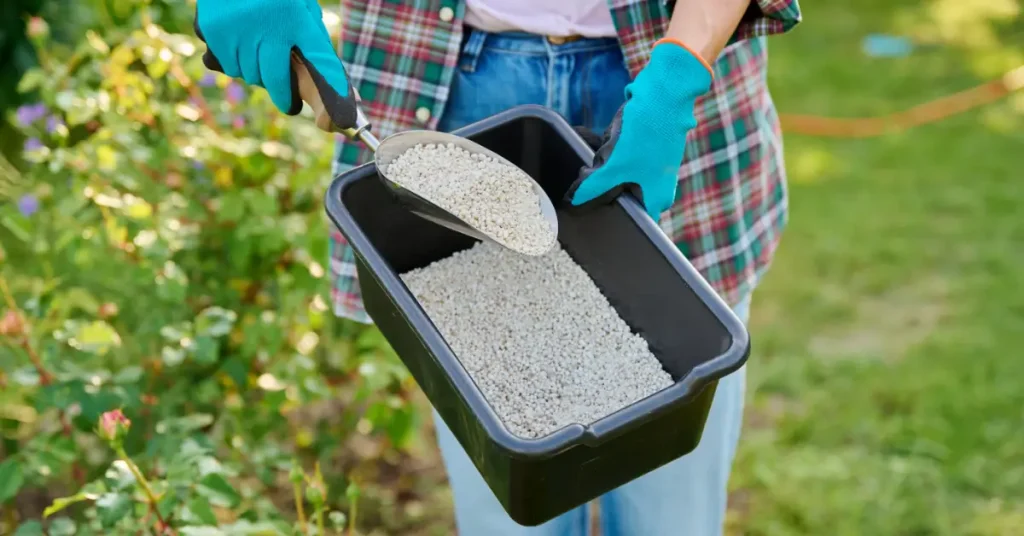
As the crisp air of fall settles in, you might think your gardening work is winding down. But here’s the truth: fall is actually one of the most crucial times to give your plants the nutrients they need to thrive in the upcoming seasons. Fertilizing during this time boosts their root systems and sets them up for strong growth when spring arrives.
If you’ve been neglecting your garden’s fall needs, now’s the perfect time to change that. Think about it—just like us, plants need a little extra support to handle the challenges that winter brings. The right fall fertilization can make all the difference, ensuring your garden bounces back even stronger next year. But, not all plants need the same care, and knowing which ones to prioritize can be tricky.
In this article, I’m going to walk you through the best plants to fertilize in fall, explain why it’s important, and give you some simple tips for getting the most out of your fall fertilization routine. Whether you’re a seasoned gardener or just starting out, this guide will help you get your plants ready to thrive—now and in the months ahead.
Why Fall Fertilization is Crucial for Your Garden’s Health
Fertilizing your plants in fall might seem like an afterthought, but trust me—this is the time when your plants need it the most. Why? Fall fertilization plays a critical role in preparing plants for the colder months and ensures they have a strong foundation for growth come spring. When temperatures drop, plants start to slow down, and their focus shifts toward root growth instead of top growth. That’s where fall fertilization comes in.
For example, if you’re thinking of adding more vegetables to your garden, you might find our Fall Vegetable Planting Guide helpful to decide what to plant for the best seasonal growth.
By fertilizing in fall, you’re helping plants strengthen their root systems. This means they’ll be more resilient during winter, able to absorb nutrients better when the soil warms up again, and will bloom stronger when spring hits. Without it, your plants could struggle to survive the winter, affecting their overall health and future growth.
Best Plants to Fertilize in Fall: Top 7 Choices for a Healthier Garden
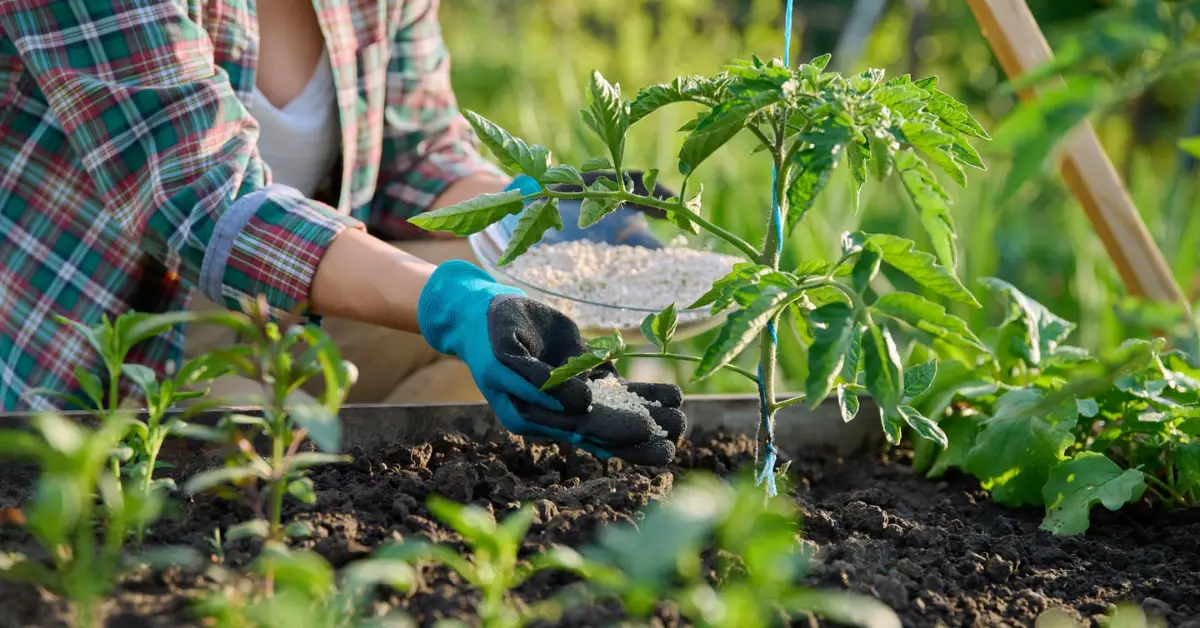
Now that we understand why fall fertilization is so important, let’s dive into the specific plants that will benefit the most from a little fall TLC. These plants are all prime candidates for fall fertilization, each with its own unique needs that make them perfect for this time of year.
- Perennials (e.g., Hostas, Daylilies)
Perennials are excellent candidates for fall fertilization because they benefit from the extra nutrients as they prepare to go dormant. By boosting their nutrient stores now, you ensure a vibrant return in the spring. Hostas and Daylilies, in particular, thrive after fall feeding, as it promotes healthy root development. - Fruit Trees (e.g., Apple Trees, Pear Trees)
Fruit trees, especially apple and pear varieties, are heavy feeders, and fall fertilization helps them store enough energy to push out healthy new growth next season. This is especially important for young fruit trees, as their root systems are still developing. - Vegetables (e.g., Kale, Spinach)
If you’re growing cool-season veggies like kale or spinach, fall fertilization is essential to support their growth into winter. These vegetables continue to grow in cooler temperatures, so feeding them before the coldest months ensures they remain strong and healthy throughout. - Shrubs (e.g., Boxwood, Azalea)
Boxwood and Azalea shrubs, in particular, benefit from a balanced fertilizer in the fall. Fall feeding helps these shrubs develop strong roots that are less prone to winter damage, promoting fresh growth in the spring. If you’re interested in growing shrubs in pots or containers, check out our guide on the 10 Best Shrubs to Grow in Pots and Containers, where we cover beginner-friendly varieties perfect for small spaces or balconies. - Lawns (e.g., Fescue, Kentucky Bluegrass)
A well-timed fall fertilization can work wonders on your lawn. Grasses like fescue and Kentucky bluegrass thrive when they’re fertilized in fall, as the nutrients boost root development, ensuring they stay healthy through the winter and bounce back stronger when the weather warms up. - Evergreens (e.g., Pines, Spruces)
Evergreens are a great choice for fall fertilization because they continue to take in nutrients even as the weather cools. Fertilizing now helps them endure the winter and ensures they emerge vibrant and strong the following spring. - Flowering Plants (e.g., Mums, Chrysanthemums)
Fall-blooming plants like mums and chrysanthemums also benefit from the extra nutrients. Fertilizing in fall gives them the strength they need to survive the colder months and continue blooming when the weather warms up.
Note: For a deeper understanding of fall care for these plants, check out Gardeners’ World, which provides additional tips on how fall fertilization benefits your garden.
Understanding the Best Fertilizer for Each Plant
Not all fertilizers are created equal, and the type of fertilizer your plants need depends on their specific requirements. In this section, I’ll break down which fertilizers are best suited for the different types of plants we’ve discussed and why they’re important for their growth.
- Perennials: For plants like hostas and daylilies, a balanced fertilizer with equal amounts of nitrogen, phosphorus, and potassium (NPK) is ideal. This will support root development and overall health, especially as the plant enters dormancy.
- Fruit Trees: Fruit trees require a fertilizer that’s rich in potassium and phosphorus to promote flowering and fruiting. Look for fertilizers designed for fruit trees, as they’ll provide the nutrients needed for strong growth and fruit production.
- Vegetables: Vegetables like kale and spinach thrive with a fertilizer that’s high in nitrogen to support leafy growth. However, it’s important to avoid too much nitrogen in late fall, as it could encourage unwanted growth that won’t survive winter.
- Shrubs: Boxwoods and azaleas benefit from a slow-release fertilizer that releases nutrients gradually, supporting healthy root systems throughout the cooler months. A fertilizer with a balanced NPK ratio works well for these shrubs.
- Lawns: Fertilizing lawns with a nitrogen-heavy fertilizer in the fall helps them store energy for the upcoming season. A product high in potassium is also great for increasing drought tolerance and winter hardiness in grasses like fescue and Kentucky bluegrass.
- Evergreens: For evergreens such as pines and spruces, choose a fertilizer with a high concentration of potassium to help them maintain healthy foliage and strong root growth throughout the winter months.
- Flowering Plants: Flowering plants like mums and chrysanthemums do well with a balanced fertilizer, ensuring they have enough nutrients to support their blooming process in the fall and well into the next spring.
Note: For a more detailed guide on choosing the right fertilizer, you can check out Borst Landscape’s Fertilizer Guide.
How Fall Fertilization Improves Soil Health and Root Development
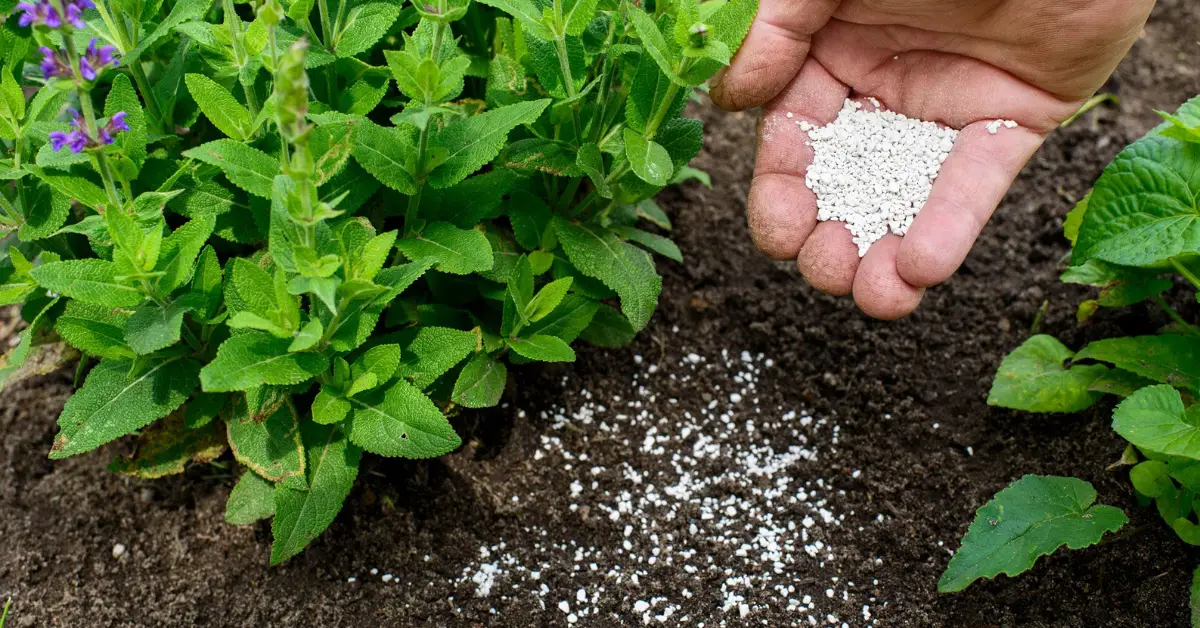
When we talk about fall fertilization, it’s not just about feeding the plants. It’s also about enriching the soil and preparing it for the long-term health of your garden. Many gardeners overlook this aspect, but fertilizing in fall can significantly improve soil health and enhance root development.
Fertilizing in fall ensures that your plants are not only well-fed but that the soil also gets the nutrients it needs to support future growth. For an example of how you can support your indoor plants with better root health and consistent blooming, have a look at our article on How to Make Your Schlumbergera Bloom Every Year Indoors. As temperatures drop, plants focus more on building strong roots rather than growing above ground. By providing them with nutrients in the fall, you’re encouraging deeper root growth, which helps your plants become more resilient to harsh winter conditions.
In addition to root development, fertilizing in fall helps improve soil structure. Over time, fertilizers can help enhance soil fertility and water retention, which are crucial for plant health in the spring. Healthy soil also means your plants will have a better chance of absorbing the nutrients they need when the growing season arrives.
Note: For more insight on how fall fertilization impacts soil health and root growth, refer to Growing A Greener World.
By using the right fertilizers and timing your application for the fall, you’re not just setting your plants up for immediate success; you’re ensuring they will thrive for years to come. The benefits of fall fertilization stretch far beyond the colder months, laying the groundwork for a vibrant, healthy garden when the warmer weather returns.
Common Mistakes to Avoid When Fertilizing Plants in Fall
While fertilizing your garden in fall is essential for its health, it’s easy to make some common mistakes that can hurt more than help. Avoiding these errors ensures that your plants get the right nutrients, at the right time, and in the right amounts.
- Over-fertilizing
One of the biggest mistakes gardeners make is using too much fertilizer. Over-fertilization can cause nutrient imbalances in the soil, harming your plants rather than helping them. Excessive nitrogen, for example, can lead to unhealthy, weak growth, and may even make plants more vulnerable to winter stress. To avoid this, always follow the manufacturer’s recommendations for fertilizer application. - Fertilizing the Wrong Plants
Not all plants benefit from fall fertilization. Some plants, particularly those that are dormant in the fall (like certain trees), don’t need the extra nutrients at this time. Applying fertilizer when the plant doesn’t need it can lead to wasted effort and potentially even damage the plant. It’s crucial to research and understand each plant’s specific needs before fertilizing. - Fertilizing Too Late in the Season
Timing is key when fertilizing in the fall. Applying fertilizer too late, especially when the soil temperature is too low, can prevent the nutrients from being absorbed properly. Fertilizer works best when the plants are still actively growing, so make sure to fertilize well before the first frost hits, usually 4-6 weeks before the average first frost date in your region. - Not Watering After Fertilization
Fertilizer needs water to activate and reach the plant’s root system. If you forget to water after applying fertilizer, it can stay on the surface, potentially causing damage to your plants. Be sure to give your plants a good drink after fertilizing to help the nutrients soak into the soil and reach the roots.
By avoiding these common pitfalls, you ensure that your fall fertilization routine is effective and beneficial for your plants. Proper application will give your garden a solid foundation for the upcoming seasons, helping plants thrive with minimal effort.
Timing Your Fall Fertilization for Maximum Impact
The timing of your fall fertilization can make a huge difference in the results. Fertilizing too early or too late can undermine your efforts, so it’s important to understand when the best time is to apply fertilizer.
The ideal time to fertilize is when the soil is still warm, typically about 4 to 6 weeks before your area’s first expected frost. This allows plants to absorb the nutrients and store them in their roots, giving them the strength to withstand the winter. Early fall is usually the best time for most plants, as they are still actively growing and can make use of the nutrients.
Timing also varies depending on your location. In colder climates, you should fertilize early in the fall when temperatures are still mild. In milder climates, fertilizing slightly later in the season can be effective as the plants are still in their active growth phase.
Always pay attention to the weather patterns in your area and aim to apply fertilizer just before temperatures drop too much. This ensures that the fertilizer will be absorbed before the ground freezes, giving your plants the best chance of benefiting from it.
By timing your fertilization right, you’ll maximize the benefits of fall feeding and set your garden up for a healthier, more vibrant spring.
Fertilizer Alternatives: Organic and Natural Options for Fall
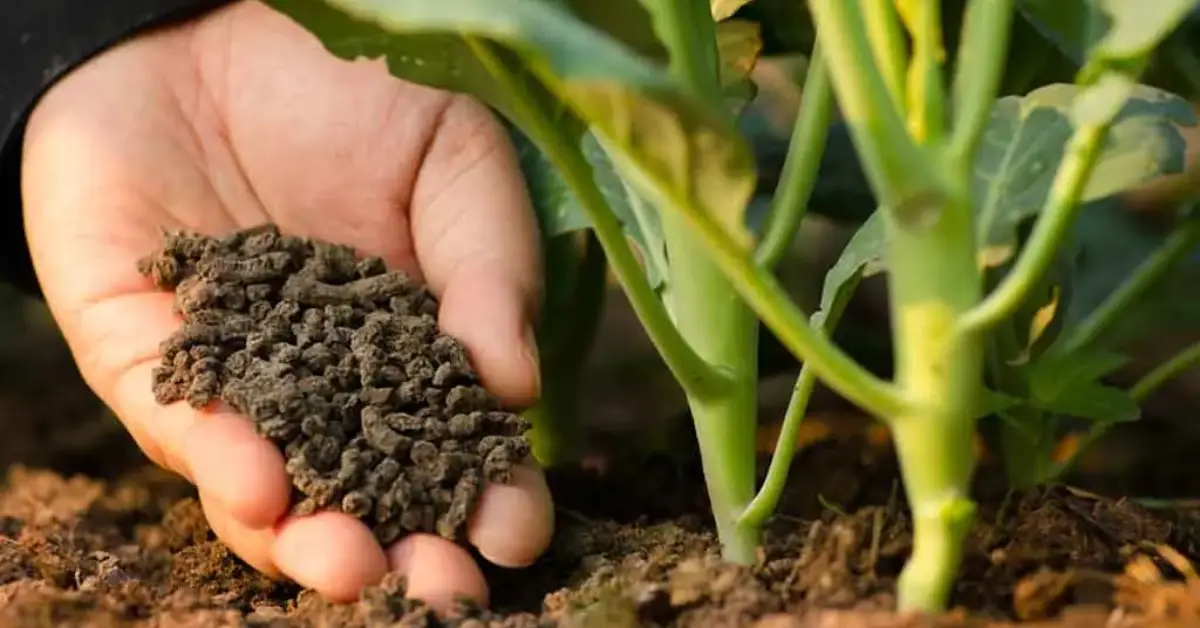
If you’re looking to go the eco-friendly route with your garden care, organic and natural fertilizers are a great option. More gardeners are shifting toward these alternatives, not only because they are better for the environment, but also because they provide long-lasting benefits to your soil and plants without harmful chemicals.
- Compost
Compost is one of the best organic fertilizers you can use. It’s rich in essential nutrients and helps improve soil structure, water retention, and microbial activity. Using compost in the fall gives your plants a slow release of nutrients over time, perfect for prepping them for winter. - Fish Emulsion
Fish emulsion is a liquid fertilizer made from fish byproducts and is rich in nitrogen, phosphorus, and trace minerals. It’s an excellent choice for boosting plant growth without synthetic chemicals, making it a perfect option for your fall garden. - Bone Meal
Bone meal is a great source of phosphorus, which helps promote strong root development, making it especially beneficial for perennials, shrubs, and trees. Applying bone meal in fall ensures that plants have the nutrients they need to establish strong roots over the winter. - Blood Meal
Blood meal is a natural fertilizer that is rich in nitrogen, which is essential for plant growth. It’s especially useful for leafy vegetables like spinach and kale. However, be cautious with the amount, as too much nitrogen can harm your plants.
These organic alternatives are a great way to nourish your plants and improve soil health without relying on chemicals. They help your garden thrive in a more sustainable and eco-conscious manner, aligning with the growing trend of natural gardening.
How to Apply Fertilizer: Step-by-Step Guide
Now that you know which fertilizers are best for your plants, let’s walk through the simple steps to apply fertilizer in your garden this fall. Here’s a practical guide to ensure you’re getting the most out of your fall fertilization.
- Choose the Right Fertilizer
First, pick the appropriate fertilizer for your plants. Refer to the previous section to determine which fertilizer suits your garden’s needs. - Prepare the Area
Before applying fertilizer, make sure the soil is slightly moist, but not waterlogged. This helps the fertilizer to absorb better. If you’re using granular fertilizer, you can apply it after a light watering. - Apply the Fertilizer
Follow the instructions on the fertilizer packaging for the correct application rate. Scatter the fertilizer evenly around the base of your plants, ensuring it’s spread to the root zone. Avoid placing it directly against the plant stems or tree trunks, as it can cause burning. - Water After Fertilizing
Once the fertilizer is applied, water the plants thoroughly to help the nutrients soak into the soil and reach the roots. Watering also prevents any potential fertilizer burn from dry application. - Mulch for Protection
Adding a layer of mulch after fertilizing helps retain moisture, regulates soil temperature, and protects the fertilizer from washing away in heavy rain.
By following these steps, you’ll ensure your fall fertilization is effective and your plants are primed for the months ahead. It’s that simple to help your garden flourish.
Conclusion: Achieve a Healthier Garden with Fall Fertilization
Fall is one of the most important seasons to focus on your garden’s health. By applying the right fertilizer at the right time, you’re setting your plants up for stronger roots, healthier growth, and a beautiful garden come spring. Remember, timing and proper application are key to getting the best results. Whether you choose traditional or organic options, taking care of your plants now will pay off later.
Are you ready to give your garden the nutrients it needs for a vibrant year ahead? Share your own fall fertilization tips in the comments below or visit Plant Care Dairy for more gardening advice. Let’s grow together!
Disclaimer: The information provided in this article is for general gardening advice. Results may vary based on local climate, soil conditions, and specific plant needs. Always follow the manufacturer’s instructions on fertilizers, and consult with a local gardening expert if you have specific concerns.