

Growing orchids in water might sound like a bold idea, but trust me, it’s not only possible—it can be incredibly rewarding. If you’ve ever struggled with soil-based orchids or simply want a cleaner, low-maintenance way to keep these beautiful plants, water culture could be your answer.
I get it, though. The thought of growing an orchid without soil might feel a bit strange at first. But what if I told you that with just a few simple adjustments, you can enjoy healthier, longer-lasting orchids? In this guide, I’ll walk you through everything you need to know about growing orchids in water, from choosing the right container to understanding the benefits and common mistakes to avoid. Whether you’re new to orchids or a seasoned plant parent looking for a change, I’ve got you covered.
Are you ready to let your orchids thrive in water? Let’s dive in!
What You Need to Know Before Growing Orchids in Water
Before jumping into growing orchids in water, let’s clear up a few things. Orchids are usually associated with soil-based growing methods, but did you know they can thrive just as well in water? Water culture is a method where orchids are grown in a nutrient-rich water solution, instead of the typical soil medium. Sounds a little unconventional, right? But believe me, many orchids actually prefer it.
In fact, water culture offers a cleaner, more controlled environment for your orchids, and if done correctly, it can lead to healthier and longer-lasting plants. If you’ve ever struggled with keeping your orchids alive or just want to try something new, this could be a great option for you.
Common Misconceptions About Growing Orchids in Water
I’ve heard a lot of people say that orchids can only survive in soil, and that water is a big no-no. But that’s not entirely true. While soil does provide certain benefits, many orchids, especially epiphytes, actually prefer to have their roots exposed to air and moisture instead of sitting in heavy soil. Water culture mimics their natural environment and can be an ideal way to grow them.
Some common myths include:
- Orchids Need Soil to Survive: Orchids like Phalaenopsis and Dendrobium have adapted over centuries to grow in environments where their roots aren’t submerged in soil, but rather in the air, receiving nutrients from water and organic matter around them.
- Water Culture is Complicated: It sounds intimidating, but with just a bit of care and the right setup, growing orchids in water can be incredibly simple and rewarding.
Before you get started, it’s essential to consider the safety of orchids if you have pets around. Did you know that some orchids are safe for cats, while others may pose a risk? If you’re a pet owner, it’s worth checking out this guide to ensure your orchid-growing experience is safe for your furry friends.
Common Orchid Varieties That Thrive in Water Culture
Not all orchids are suited for water culture, but several varieties love it! If you’re thinking of making the switch, these orchids are great options to start with:
- Phalaenopsis (Moth Orchid): One of the most popular and beginner-friendly orchids, Phalaenopsis thrives in water culture. Their roots don’t mind sitting in water as long as they’re not continuously submerged, making them perfect for this method.
- Dendrobium: Known for their vibrant, long-lasting blooms, Dendrobiums do well in water culture too. These orchids naturally grow in trees, so they’re adapted to having their roots in moist environments.
- Cattleya: These beautiful orchids, often known for their fragrant flowers, also do well when grown in water culture, provided they get adequate light and humidity.
Starting with these varieties is a good way to build confidence before experimenting with more delicate species. Check out this guide from Epic Gardening for more orchid varieties suited to water culture.
By understanding the basic principles of water culture and choosing the right orchids, you’re already on the right track. It’s all about providing the right balance of light, air, and water. Now, let’s dive into how you can start your water culture journey. Ready?
Step-by-Step Guide to Growing Orchids in Water

Now that you’ve decided to grow orchids in water, let’s walk through the steps. Don’t worry—growing orchids in water isn’t as tricky as it might sound. With the right setup and a little care, your orchids will thrive. Let’s get started!
Step 1: Selecting the Right Container for Water Culture
The first step in this process is choosing the right container. You want something that lets you easily see the roots and provides enough room for air circulation. This is where clear containers come into play.
- Clear Glass Vases: The best choice for water culture is a clear glass container. Not only will it allow you to see your orchid’s roots, but it also looks aesthetically pleasing and gives your orchid a beautiful, airy vibe.
- Wide Opening for Air Circulation: Make sure the container has a wide opening. Orchids need good airflow around their roots to stay healthy. If the container is too narrow, the roots may become suffocated, leading to potential rot.
Step 2: Preparing Your Orchid for Water Culture
Now that you have your container, it’s time to prepare your orchid. This part requires a little gentleness and care to ensure your orchid doesn’t suffer any stress during the transition.
- Remove the Soil Gently: Carefully remove your orchid from its pot, gently loosening the soil around the roots. Avoid pulling the roots too harshly—this can damage them.
- Rinse the Roots: Once the soil is removed, rinse the roots thoroughly with lukewarm water to ensure all the soil is washed away. This is also a good time to check the roots for any signs of rot or pests. Healthy roots should look firm and white or light green.
- Pest Check: Make sure to inspect the roots for pests like aphids or fungus. If you find any, gently rinse them off and consider soaking the roots in a mild solution of water and insecticidal soap for a few minutes.
Step 3: Setting Up Water Culture
With your orchid prepped and ready, it’s time to set up its new home in water. The key here is to provide clean, stable water that supports growth.
- Water Type: The best water for orchids is either filtered or distilled. Tap water may contain minerals or chemicals that can harm the plant over time, so it’s best to use water that’s free from chlorine and other contaminants.
- Maintaining Water Levels: You don’t want to drown your orchid. The roots should be just submerged in the water, not sitting in it entirely. It’s important to maintain a steady water level, so check the water every few days and top it off if needed.
- Changing the Water: Regularly change the water to prevent stagnation. A good rule of thumb is to change the water once a week. Make sure the water temperature is room temperature—avoid using cold water, as it can shock the roots.
Step 4: Positioning Your Orchid
Finally, positioning your orchid in the right location will make all the difference in its health and growth. Orchids in water need proper light and the right temperature to thrive.
- Light Conditions: Orchids in water need bright, indirect light. Direct sunlight can scorch the leaves and damage the plant. Find a spot near a window that gets filtered light or use sheer curtains to diffuse the sunlight.
- Temperature and Humidity: Orchids prefer a consistent temperature between 65°F and 75°F (18°C – 24°C). They also thrive in humid environments. If your home is dry, you can increase humidity by placing the orchid container on a shallow tray filled with pebbles and water (make sure the water level is below the bottom of the pot to avoid root rot).
With these steps, you’re now ready to start growing your orchids in water! Stay consistent with water changes, check the roots regularly, and make sure your orchid gets the right amount of light and temperature, and it will soon thrive in its new aquatic home.
When positioning your orchids, make sure to avoid placing them near other plants that may not get along. For example, some plants can be harmful to orchids if they’re grouped together. To learn more about which plants should never be placed together, check out this expert guide.
How to Care for Orchids Grown in Water
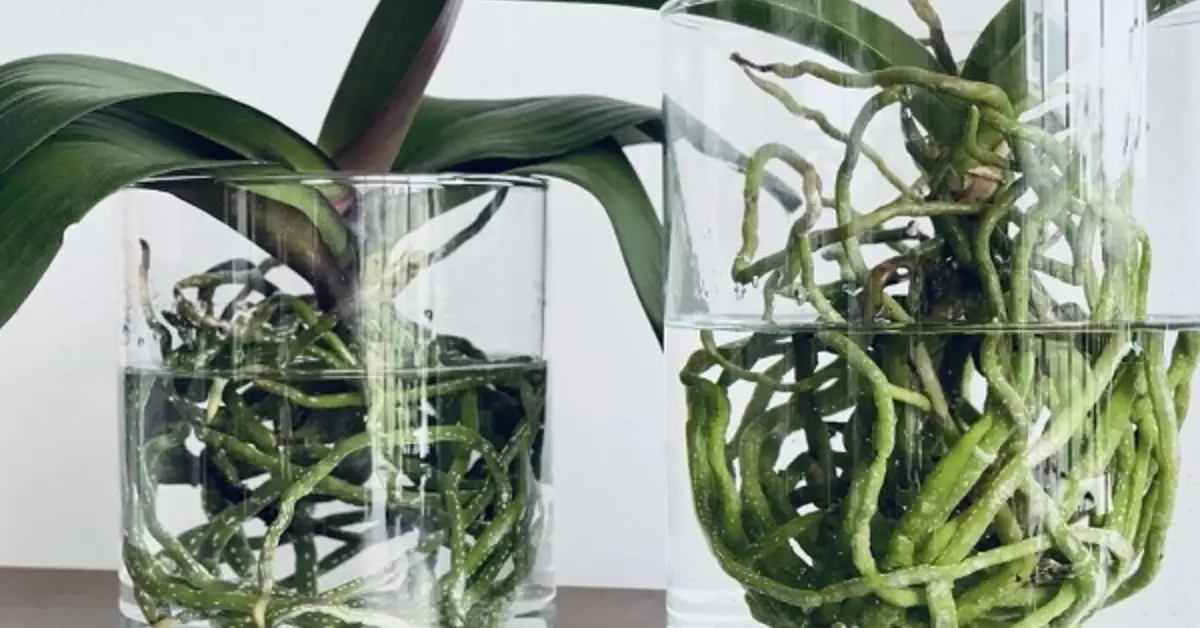
Taking care of orchids in water is slightly different than caring for those in soil. It’s important to maintain proper water levels, check the roots, and keep the leaves healthy to ensure your orchids thrive. Let’s dive into the key aspects of caring for your water-grown orchids.
Watering and Changing Water
Water culture isn’t a “set it and forget it” method; it requires regular attention to keep the water fresh and the orchid healthy.
- How Often to Change the Water: You should change the water every 1-2 weeks to avoid stagnation. Over time, the water can become contaminated with minerals, bacteria, or even algae, which can harm your orchid. Fresh water ensures that your orchid’s roots stay healthy and absorb nutrients effectively.
- Adding Nutrients: Orchids grown in water still need nutrients to grow strong. Use water-soluble fertilizers, which are designed to be diluted in water. Add a diluted solution (about 1/4 strength) to the water every 2-4 weeks, depending on how much light your orchid receives. Too much fertilizer can lead to root damage, so go easy on it.
Root and Leaf Care
Orchids are quite resilient, but their roots and leaves need regular monitoring to prevent issues.
- Monitoring the Roots for Rot or Disease: Root rot is one of the most common problems for orchids grown in water. Check the roots every time you change the water. Healthy roots should be firm, plump, and white or light green. If they start to feel mushy or brown, they may be rotting. In that case, carefully trim off the affected roots using sterilized scissors.
- Keeping Leaves Healthy and Clean: Orchids’ leaves can accumulate dust and water droplets over time, which may lead to fungal or bacterial growth. Gently wipe the leaves with a damp cloth to remove any buildup. Keep in mind that orchids don’t like overly wet leaves, so avoid spraying them directly with water. Instead, focus on keeping the environment humid to support the plant.
Once your orchids are settled in water, it’s important to continue giving them the right care to keep them blooming beautifully throughout the year. For tips on keeping your orchids healthy and thriving, check out this article that covers essential orchid care techniques.
Common Problems and How to Solve Them
While growing orchids in water is relatively easy, there are a few common problems that can arise. But don’t worry; each issue has a straightforward solution!
Root Rot in Water Culture
Root rot is a major concern, especially in water culture. When roots sit in water for too long without proper oxygen or if the water quality is poor, it can cause rot.
- Causes of Root Rot: Root rot occurs when water sits stagnant for too long or when the orchid’s roots are submerged in water without proper air circulation. Poor-quality water can also encourage fungal growth, leading to rot.
- How to Spot Root Rot Early: You’ll notice soft, mushy, or brown roots. If left untreated, the rot can spread to healthy roots.
- Step-by-Step to Save Orchids with Rotting Roots:
- Remove the orchid from the water and carefully inspect the roots.
- Trim off all affected roots using sterilized scissors.
- Rinse the healthy roots gently under lukewarm water to remove any remaining debris.
- Repot the orchid into fresh water and make sure the water level is below the roots to prevent reoccurrence.
Algae Growth in Water Containers
Algae can be a common problem in water culture, especially in containers that don’t allow enough light control.
- Why Algae Grows: Algae thrive in the warm, nutrient-rich water, especially if the container is exposed to too much sunlight. Algae can harm the roots by blocking oxygen and nutrients.
- How to Prevent Algae Growth: Use opaque containers or cover the water with an opaque material to limit sunlight exposure. You can also add a small amount of activated charcoal to the water to help keep it clean and prevent algae growth.
- Best Cleaning Practices for Containers: Clean your orchid container every time you change the water. Use a mild soap solution and rinse it thoroughly before refilling it with fresh water.
Signs of Underwatering and Overwatering
Just like in traditional soil-based orchid care, getting the water balance right is essential.
- Underwatering Symptoms: If the water level drops too low, the roots may dry out, causing the orchid to wilt. You’ll notice the leaves drooping or becoming soft.
- Overwatering Symptoms: Too much water can suffocate the roots, leading to yellowing leaves, root rot, and general orchid decline. Keep the water level just below the roots to ensure proper air circulation.
Adjust the water levels according to the orchid’s needs and the surrounding environment. If the water evaporates quickly, check the humidity levels in the room and consider adding a humidity tray to keep the air around the orchid moist.
For more insights on how to balance watering, check out this guide from Gardening Know How.
Benefits of Growing Orchids in Water vs Soil

When it comes to growing orchids, water culture offers a cleaner, more efficient alternative to traditional soil-based methods. If you’re considering making the switch, it’s important to understand the unique advantages—and a few trade-offs—of growing orchids in water.
Cleaner, More Efficient Growing Method
Growing orchids in water eliminates the mess that often comes with soil. Soil can become compacted over time, which restricts root growth and drainage. In contrast, water culture allows for:
- Simplicity: You don’t need to worry about potting mixes or soil amendments. Just set up your orchid in a clear glass container with clean water, and you’re good to go.
- Easy Root Inspection: With water culture, you can easily monitor your orchid’s roots for health issues like rot or disease. The transparency of the container allows for better visibility and more proactive care.
- Less Mess: Soil can often spill or get messy when repotting, but water-grown orchids stay cleaner, making maintenance and care simpler.
Longer Lasting and Healthier Orchids
One of the key benefits of growing orchids in water is that it can actually result in healthier, longer-lasting plants.
- Environmental Benefits: Water culture reduces the need for potting soil, which in turn can help lower your ecological footprint. Orchids in water don’t need frequent repotting, making them a sustainable choice.
- Healthier Roots: Water-grown orchids benefit from a steady supply of moisture, and the consistent water level helps prevent over-drying of roots, which can be a problem in soil. Plus, the roots get more access to oxygen and nutrients than they might in compacted soil.
- Lower Pest Risk: Water culture tends to have fewer pests like root mealybugs or fungus gnats compared to soil-based growing, reducing the need for pesticides and creating a cleaner growing environment.
Final Thoughts and Call-to-Action
Growing orchids in water offers many benefits, from reduced mess and easier maintenance to healthier, more sustainable plants. If you’re ready for a change and want to enjoy orchids with minimal effort, water culture could be the perfect solution for you. Whether you’re a seasoned orchid grower or just getting started, water culture can help you grow vibrant, lasting orchids with fewer worries.
Have you tried growing orchids in water? Share your experiences in the comments below, and don’t forget to explore more gardening tips on Plant Care Dairy!
Disclaimer: The information provided in this article is for general gardening guidance and is not a substitute for professional advice. Always consider your specific growing conditions and seek expert help if needed.