

If you’re like me, you love the beauty of orchids. They add such a unique touch to any room. But, if you’re also a cat owner, you may have wondered: Are orchids safe for my furry friend? It’s a valid concern. After all, we want our homes to be safe and beautiful for both our pets and ourselves.
Here’s the good news: Not all orchids are toxic to cats. In fact, many types are perfectly safe. But that doesn’t mean you should throw caution to the wind. Some orchids can cause mild discomfort if ingested by your cat, and it’s always better to be safe than sorry.
In this article, I’ll walk you through the facts about orchids and their potential risks to cats. I’ll also share some practical tips on how to keep your orchids safe around your pets. Let’s dive in and make sure your home stays both pet-friendly and stunning with your beloved orchids!
Common Orchid Varieties and Their Toxicity to Cats
As a cat owner and orchid enthusiast, I know how tricky it can be to keep a delicate balance between having beautiful plants and making sure our pets stay safe. Orchids are stunning, but when you have curious cats around, it’s crucial to know which varieties are safe and which ones might cause a bit of trouble.
Let’s break it down, so you can make informed decisions about the orchids you bring into your home.
1. Phalaenopsis Orchids: Generally Safe for Cats
Phalaenopsis orchids, also known as “moth orchids,” are one of the most popular types. The good news for cat owners is that they are generally non-toxic to cats. You don’t have to worry about your furry friend munching on the leaves or petals.
- If your cat tends to nibble on plants, Phalaenopsis is a great option because it poses little to no risk.
- Even if a cat does nibble on a Phalaenopsis orchid, the worst-case scenario is mild gastrointestinal upset (like drooling or mild vomiting).
So, you can rest easy with these beautiful blooms around your cat.
2. Cattleya Orchids: A Safe Choice, But Watch for Overeating
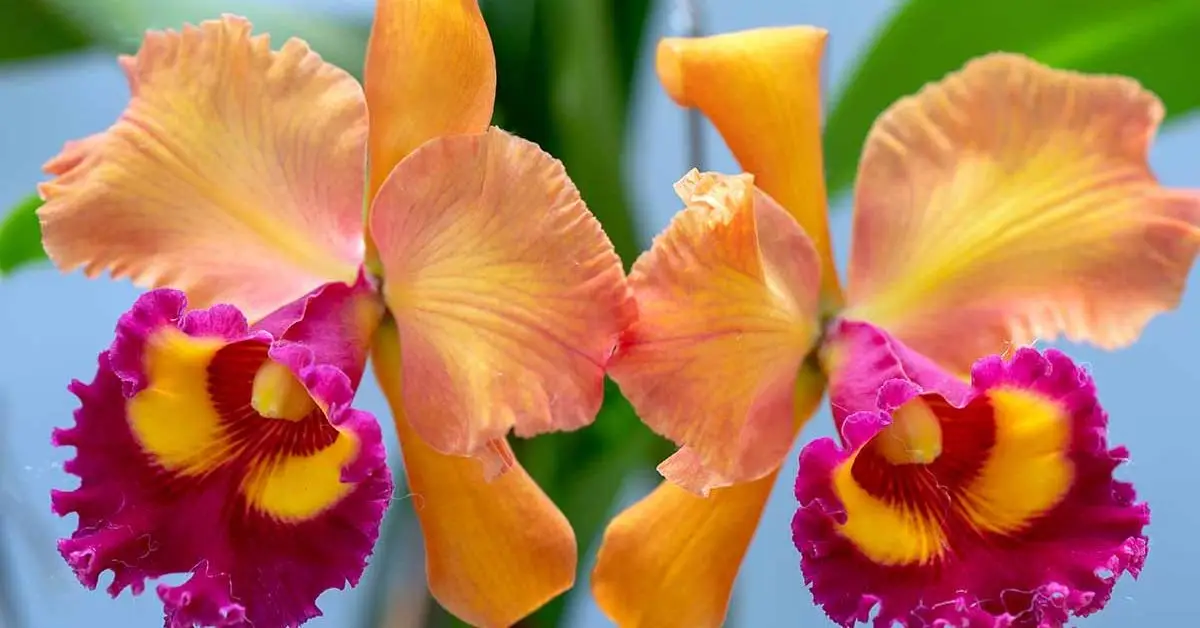
Cattleya orchids are well-known for their large, fragrant flowers, making them a popular choice for both beginner and experienced orchid growers. Like Phalaenopsis, Cattleyas are generally non-toxic to cats.
- Cattleya orchids provide vibrant colors and a lovely fragrance while being safe for your pets.
- What to note: While these orchids aren’t toxic, they can still cause mild upset if your cat eats too many of the leaves. It’s always best to discourage plant eating altogether.
Cattleyas make an excellent addition to a cat-friendly home, but moderation is key if your cat is a frequent plant-chewer.
3. Dendrobium Orchids: Be Cautious
Dendrobium orchids are another common variety, but here’s where things get a bit tricky. These orchids may cause mild symptoms in cats if they are ingested, like vomiting or drooling.
- Dendrobium orchids are safe for cats in the sense that they’re not highly toxic, but they can still cause discomfort if eaten.
- Although they’re not deadly, it’s best to prevent your cat from eating Dendrobium parts, as the plant’s chemicals can irritate their stomach and digestive system.
You don’t have to banish Dendrobium orchids from your home, but it’s essential to keep them out of your cat’s reach.
4. Other Orchid Varieties: What You Need to Know
There are countless orchid varieties, and most of them fall somewhere between non-toxic and mildly irritating to cats. Some species, such as Vanda and Oncidium, are typically considered safe for cats, but just like any plant, ingestion can cause minor gastrointestinal issues like vomiting or diarrhea.
- Being informed about the specific varieties helps you choose the right orchids for your home without unnecessary risks to your cat’s health.
- What to do: If you’re unsure about a specific variety, it’s always a good idea to research the plant first and, when in doubt, ask your veterinarian.
Where to Place Orchids for Maximum Safety
While most orchids aren’t highly toxic, they can still cause mild discomfort if your cat gets too curious. To keep things safe:
- Keep orchids on high shelves or out of your cat’s direct reach.
- Consider hanging planters or decorative orchid arrangements that your cat can’t easily access.
In short, understanding which orchid varieties are safe for your cat can give you peace of mind while still enjoying their beauty. If you’re ever unsure about a particular orchid, resources like The Spruce offer reliable guidance on how to keep your plants and pets happy together.
If you’re concerned about your orchids attracting pests like slugs, consider reading our guide on How to Get Rid of Slugs in Your Garden Without Chemicals to ensure your plants remain healthy and pet-friendly.
Pro Tip: Always keep an eye on your cat’s behavior, and if you suspect they’ve ingested any part of a plant, reach out to your vet right away.
Key Symptoms of Orchid Poisoning in Cats: What to Watch For

While orchids are often safe for cats, it’s always good to be vigilant. Even though many orchids are non-toxic, ingestion of any part of the plant can cause mild symptoms that might worry you as a pet owner. Here’s a list of symptoms to watch for if you suspect your cat has ingested an orchid:
- Drooling: Excessive drooling is one of the first signs of a mild toxic reaction. If your cat starts drooling more than usual after being around your orchids, it could be a sign they’ve eaten part of the plant.
- Vomiting: If your cat is vomiting shortly after chewing on an orchid, it’s an indicator that the plant’s chemicals are upsetting their stomach.
- Lethargy: If your normally energetic cat seems unusually tired or less active after interacting with the orchid, it could be a sign of mild poisoning or discomfort.
- Gastrointestinal Upset: Cats may experience diarrhea or loss of appetite if they’ve ingested part of an orchid. Mild gastrointestinal issues are common when a cat consumes something that doesn’t sit well with them.
In case you suspect your cat might be dealing with pests in your houseplants, it’s essential to keep your plants safe from potential infestations. Learn more about How to Naturally Get Rid of Fungus Gnats in Your Houseplants: DIY Solutions to protect both your plants and pets.
If your cat exhibits any of these symptoms, it’s best to contact your veterinarian for advice.
How to Safely Keep Orchids in a Home with Cats
Now, you might be wondering: How can I enjoy my orchids without worrying about my cat’s safety? Don’t worry—there are plenty of ways to keep both your plants and your pet safe. Here are a few tips:
- Place Orchids on High Shelves: One of the simplest ways to keep your orchids out of your cat’s reach is by placing them on high shelves. Cats can be surprisingly resourceful, but keeping your plants elevated makes it harder for them to nibble on the flowers.
- Use Hanging Planters: Another great option is hanging your orchids in planters. This not only keeps the plants safe but also adds a unique aesthetic to your space. Your cat will have a hard time reaching them!
- Terrariums and Closed Spaces: For extra protection, you can place your orchids in a terrarium or a closed glass space. This creates a physical barrier that keeps your cat from accessing the plant.
- Designate Cat-Free Zones: If you have certain areas where your cat is not allowed, like a specific room or shelf, you can keep orchids there. Make sure it’s an area your cat can’t explore.
If you’re looking for more ways to ensure your home and garden are safe for both your plants and pets, consider using Beneficial Nematodes for Pest Control as a natural solution to keep unwanted pests at bay while preserving the health of your orchids.
Many pet owners keep orchids in hanging planters or away from areas their cats frequent to prevent any potential issues. This simple measure can make a huge difference in preventing accidents.
By taking these precautions, you can enjoy your beautiful orchids without constantly worrying about your cat. Keep your plants in safe spaces, and always keep an eye on how your pet interacts with new items in your home.
The Best Pet-Friendly Alternatives to Orchids for Cat Owners
If you’re a cat owner who loves plants but wants to make sure your pets are safe, you don’t have to give up on having greenery in your home altogether. There are plenty of pet-friendly plants that can brighten up your space without posing any risk to your feline friends. Here are some of the best options you can consider:
1. Spider Plants (Chlorophytum comosum)
Spider plants are not only pet-friendly but also easy to care for, making them a popular choice for pet owners. These plants are non-toxic to cats and are known for their air-purifying properties. Spider plants also have long, arching leaves that look beautiful in hanging baskets or on shelves.
2. Bamboo Palm (Chamaedorea seifrizii)

The Bamboo Palm is another great option for cat owners. This tropical plant thrives in low light and is non-toxic to both cats and dogs. Bamboo palms are known for their beautiful, feathery leaves and can grow quite large, adding a lush, exotic touch to your home.
3. Boston Fern (Nephrolepis exaltata)
Boston ferns are a perfect choice if you’re looking for a low-maintenance, non-toxic plant that’s safe for cats. Known for their vibrant green fronds, these ferns thrive in humid conditions, making them ideal for bathrooms or kitchens.
4. Areca Palm (Dypsis lutescens)
Another safe alternative is the Areca Palm, which is non-toxic to cats. This plant is easy to grow and adds a touch of tropical flair to your living space. Areca palms are often used in offices or living rooms due to their graceful appearance and relatively low maintenance.
5. Calathea (Calathea spp.)
Calatheas are known for their beautiful, patterned leaves and vibrant colors. These plants are also non-toxic to cats and dogs, making them a safe and stunning addition to your home decor.
By choosing pet-friendly plants, you can fill your home with greenery without constantly worrying about your cat’s safety. Plants like the ones mentioned above are safe alternatives that offer the same beauty as orchids, but without the potential risks.
Incorporating these plants into your home will not only create a soothing environment for both you and your cat but will also keep your home stylish and green. With the right plants, you don’t have to compromise between aesthetics and safety.
Should You Consult Your Veterinarian About Orchids?
When it comes to the safety of your pets, especially cats and plants like orchids, it’s always a good idea to err on the side of caution. While many orchids are generally safe, every cat is different. If you notice any unusual behavior after introducing orchids into your home, such as drooling, vomiting, or lethargy, it’s best to consult a veterinarian for peace of mind.
Your vet can provide personalized advice based on your cat’s health and specific situation. If you’re ever in doubt about a plant’s safety, reaching out to a professional can save you a lot of worry and ensure your cat stays safe.
Expert advice is essential in these cases. As veterinarians often say, “Veterinarians can provide valuable insight if you’re unsure about any specific plant’s safety for your pets.” If you suspect your cat has ingested part of an orchid, a quick call to your vet can give you the guidance you need.
For more information on plant toxicity and how to keep your pets safe, you can check out ASPCA’s Animal Poison Control.
Conclusion: Making the Best Decision for Your Cat and Your Orchids
So, should you keep orchids in your home if you have cats? The answer is: Yes, but with caution. When handled properly, most orchids are safe for cats. The key is to understand the varieties that are non-toxic and to take precautions like placing orchids in areas where your cat can’t easily access them.
Orchids can be a stunning addition to your home without compromising your cat’s safety. As long as you stay vigilant and keep an eye on your pet’s behavior, there’s no reason you can’t enjoy the beauty of orchids while ensuring your cat’s well-being.
If you’ve had any experiences with orchids and cats, or have your own tips on keeping plants safe around pets, I’d love to hear from you! Drop your thoughts and questions in the comments below.
Also, if you’re passionate about plants and want more tips on caring for them, be sure to check out Plant Care Dairy, where we share expert advice on keeping your plants and pets happy and healthy!
Disclaimer: The information provided in this article is for general informational purposes only. While every effort has been made to ensure accuracy, it’s important to consult a veterinarian for personalized advice on plant toxicity and pet safety. Always monitor your cat’s health and seek professional guidance if needed.