

If you’re a plant parent, you’ve probably faced the frustrating problem of fungus gnats. These tiny, pesky insects seem to show up out of nowhere, swarming around your indoor plants and ruining the beauty of your green space. What’s worse, they don’t just hang around for the ride — their larvae can damage your plant roots, causing stunted growth and even plant death.
But don’t worry. You’re not alone, and you don’t need harsh chemicals to tackle these unwanted visitors. There are natural, DIY solutions that you can use right away, and they won’t harm your plants or the environment. From simple changes in how you water your plants to using ingredients you probably already have at home, this guide will walk you through effective ways to get rid of fungus gnats once and for all.
Ready to take back control of your houseplants? Let’s dive in.
What Are Fungus Gnats and Why Are They a Problem for Your Plants?
If you’ve ever noticed tiny black flies buzzing around your houseplants, chances are you’re dealing with fungus gnats. These small, mosquito-like pests are more than just a nuisance — they can wreak havoc on your plants if left unchecked.
Fungus gnats thrive in moist environments, laying their eggs in the top layer of damp soil. While the adult gnats are annoying to deal with, it’s their larvae that pose the real threat. Fungus gnat larvae feed on organic matter in the soil, but they also have a preference for your plant roots. As they munch away, they can cause significant root damage, stunting your plant’s growth and making it more susceptible to other diseases.
Here’s why fungus gnats are a big problem for your plants:
- Root Damage: Gnat larvae feed on plant roots, damaging them and hindering nutrient absorption. This can lead to wilting, yellowing leaves, and overall poor plant health.
- Stunted Growth: With the roots compromised, your plants will struggle to grow and develop properly. You might notice slower growth or smaller leaves than usual.
- Spreading Fungus: Fungus gnats are also known to carry fungal spores. As they move through the soil and around your plants, they can introduce harmful fungi that may cause even more damage to your plants.
If you’ve been struggling to keep your plants healthy despite your best efforts, fungus gnats might be the hidden culprit. These pests can go unnoticed until they’ve done significant damage, so it’s crucial to act quickly.
For more information on how to deal with houseplant pests, you can always check out trusted plant care guides like GardenersWorld for expert tips.
Understanding the Root Cause: Why Fungus Gnats Love Your Houseplants
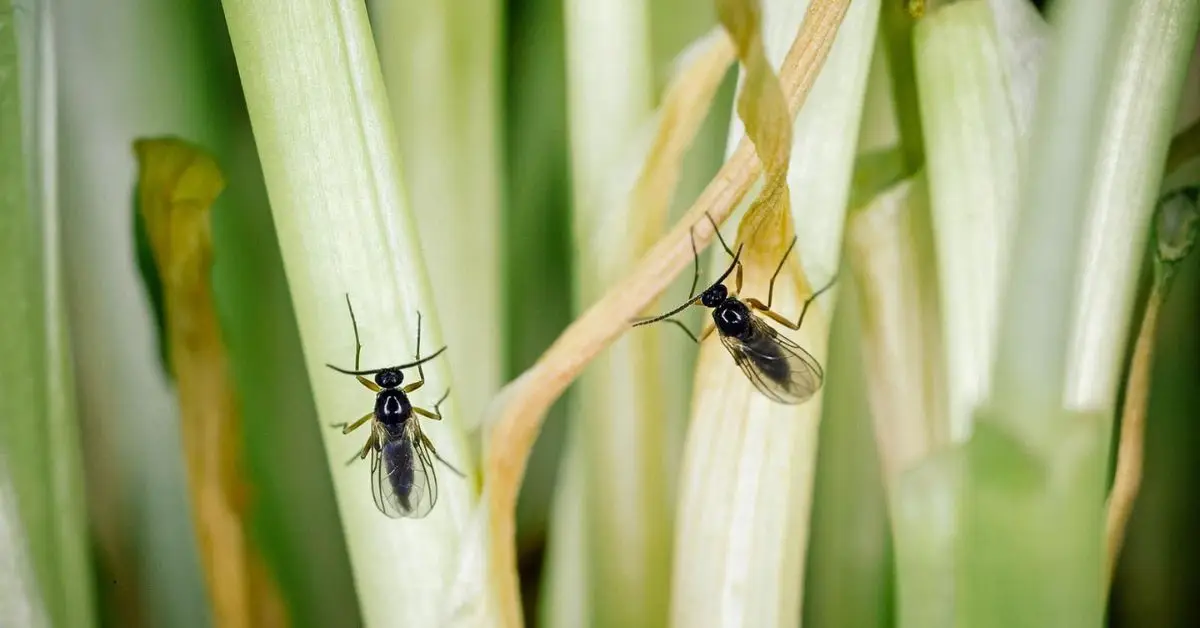
Now that you know how destructive fungus gnats can be, let’s look at why they’re so drawn to your houseplants in the first place. Understanding the root cause of an infestation can help you avoid future problems and keep your plants thriving.
Fungus gnats are attracted to certain environmental factors that create the perfect breeding grounds for them. By adjusting a few things in your plant care routine, you can make your home less inviting to these pests.
Here are the main causes of fungus gnat infestations:
- Over-Watering: Fungus gnats thrive in moist, damp soil. If you’re watering your plants too frequently or letting water sit in the saucer, you’re creating the ideal environment for them to lay their eggs. Always let the soil dry out between waterings to prevent fungus gnats from taking up residence.
- Damp Soil: Consistently wet soil provides the perfect breeding grounds for fungus gnats. Avoid keeping your soil too soggy and consider using a well-draining potting mix to help regulate moisture levels.
- Poor Drainage: Without proper drainage, excess water will collect in the bottom of your plant pots. This stagnant water can cause the soil to stay too wet, encouraging fungus gnat larvae to thrive. Make sure your pots have drainage holes and that water isn’t accumulating in the saucer.
- Low Air Circulation: Poor air circulation can also contribute to fungus gnat problems. Without airflow, the soil may stay moist longer than necessary, which is exactly what gnats are looking for.
By addressing these environmental factors, you’ll not only make your houseplants healthier but also reduce the chances of fungus gnats making an appearance. It’s all about creating the right balance of moisture and air circulation for your plants to thrive naturally.
DIY Solutions to Combat Fungus Gnats: Step-by-Step Guide
Fungus gnats may seem small, but they can cause big problems for your houseplants. Luckily, there are several natural, easy-to-implement, and environmentally friendly ways to tackle the issue. These solutions will help you get rid of the pests without resorting to harmful chemicals, ensuring both your plants and the environment stay safe.
Let’s dive into the most effective DIY methods you can use right now.
Solution 1: Allow Soil to Dry Out Between Waterings
Fungus gnats thrive in damp soil, making over-watering one of their favorite conditions. Allowing your soil to dry out between waterings deprives the gnats of their ideal breeding environment.
By letting the top layer of soil dry out, you’ll make it much harder for larvae to survive, reducing their population. This simple change in watering habits will not only keep the gnats at bay but will also promote healthier plant growth overall. If you’re interested in learning more about how proper watering can benefit your plants, check out how ice cubes can hurt your indoor plants and the dangers of using cold water for your plants.
For expert tips on managing soil moisture, check out Olive and June Home, where they recommend soil-drying techniques that work wonders in controlling gnats.
Solution 2: Use Yellow Sticky Traps to Catch Adult Gnats
Yellow sticky traps are one of the easiest ways to reduce the adult gnat population in your home. These traps attract the adult gnats, which get stuck to the surface and are unable to reproduce. By using them consistently, you’ll prevent the gnats from multiplying, which is a crucial step in controlling the infestation.
If you’re dealing with stubborn pests or other unwanted garden visitors, you might also be interested in reading about how to get rid of dandelions in your garden with simple and effective methods in this guide on getting rid of dandelions.
This method is not only effective but also non-toxic, making it safe for both your plants and the environment.
Solution 3: Apply a Homemade Mosquito Dunks Solution

Mosquito dunks are a biological control method that is completely safe for your plants. These dunks contain Bacillus thuringiensis israelensis (BTI), a bacteria that targets the larvae of fungus gnats without harming your plants or pets. When dissolved in water, they act as a natural insecticide, killing larvae before they can develop into adult gnats.
This solution is easy to apply and very effective, making it a must-try for anyone dealing with fungus gnats.
Note: You can purchase mosquito dunks from local garden centers or online stores. Simply follow the instructions on the packaging for the best results.
Solution 4: Use Natural Insecticidal Soap or Neem Oil
Insecticidal soap and neem oil are non-toxic solutions that work wonders in combating fungus gnats. Both products are derived from natural sources and are safe for your plants. They kill pests on contact and can also prevent further infestations when applied regularly.
If you want to know more about natural ways to enhance plant health, check out our guide on using sea salt for plants, which can also help strengthen your plants and keep them thriving. How to Use Sea Salt for Plants provides useful insights into using sea salt safely.
Neem oil, in particular, has the added benefit of being a natural fungicide, so it tackles both pests and potential fungal issues that might arise in your plants.
Solution 5: Diatomaceous Earth for Soil Coverage
Diatomaceous earth (DE) is a natural substance made from the fossilized remains of tiny aquatic organisms. It acts as a physical barrier on the soil’s surface, preventing fungus gnat larvae from emerging. DE is harmless to your plants but lethal to insects, making it an excellent tool for keeping pests at bay.
When sprinkled on the top of your soil, DE dries out the larvae and disrupts their lifecycle, preventing them from developing into adult gnats.
These DIY solutions offer a safe, effective, and environmentally friendly way to tackle fungus gnats in your houseplants. By combining these methods, you’ll be able to manage and prevent infestations, keeping your indoor garden healthy and thriving.
Prevention Tips to Keep Your Plants Fungus Gnat-Free Long Term
After tackling a fungus gnat problem, the last thing you want is for them to return. By implementing a few preventive measures, you can ensure that your plants stay healthy and gnat-free for the long haul. It’s about creating the right environment where gnats can’t thrive, giving you peace of mind and a thriving garden.
Let’s dive into the best practices that will help you keep fungus gnats away for good.
Improve Drainage and Potting Conditions
Fungus gnats love moist soil, which is why they often invade pots with poor drainage. If the soil stays too wet, it creates an ideal breeding ground for them. By improving drainage, you ensure that excess water doesn’t linger in the pot, keeping the soil dry and inhospitable for gnats.
Here’s how to improve drainage:
- Use pots with drainage holes.
- Choose well-draining potting mixes.
- Elevate pots slightly to allow water to escape.
By improving your plant’s drainage conditions, you’re not only preventing gnats, but also creating a healthier growing environment for your plants overall.
Repot Plants Regularly
Over time, soil can become compacted, and fungal spores or gnat larvae can take refuge in the old soil. Repotting refreshes the soil, removes any potential larvae, and ensures that your plant roots have space to grow. It’s a simple yet effective way to stop fungus gnats from re-infesting your plants.
Make a habit of repotting your plants at least once a year, or whenever they show signs of needing a bigger pot or fresher soil. This ensures they stay healthy and fungus gnat-free.
Monitor Watering Habits
Over-watering is a leading cause of fungus gnat infestations. Fungus gnats thrive in damp conditions, so it’s crucial to adjust your watering habits to avoid creating the perfect environment for them.
Tips for better watering practices:
- Let the top 1–2 inches of soil dry out between waterings.
- Use a moisture meter to ensure you’re not over-watering.
- Consider watering your plants from the bottom to keep the soil surface dry.
By practicing mindful watering, you’ll not only keep fungus gnats away but also encourage your plants to develop strong, deep roots.
Use a Soil Topper (e.g., Sand or Gravel)

A soil topper like sand or gravel creates a physical barrier over the soil that makes it difficult for fungus gnats to lay their eggs. The top layer acts as a shield, preventing larvae from emerging and disrupting their life cycle before they can become a problem.
You can easily add a thin layer of sand, small gravel, or even decorative stones on top of your plant’s soil. Not only does it look great, but it’s also an excellent natural deterrent against gnats.
When to Seek Professional Help for Fungus Gnat Infestation?
While DIY solutions work great for most fungus gnat problems, there are times when infestations get out of hand. If you’ve tried everything and still notice persistent gnat activity, it might be time to call in the professionals.
When to seek help:
- Severe Infestation: If the fungus gnat population is overwhelming, and your plants are showing signs of major damage (like significant root damage or leaf drop).
- Persistent Issues: If your DIY methods have failed or if new gnats keep appearing despite preventive measures.
- Larger Scale Problems: In cases where you have many plants or a larger indoor garden, the problem may be too widespread for DIY to handle effectively.
Professionals can offer targeted treatments that might be harder to implement on your own. Don’t hesitate to contact pest control experts who specialize in plant-friendly pest management.
For more guidance on when to seek expert pest control, you can refer to trusted sources like Learning With Experts for advice on effective pest management strategies.
By following these prevention tips and knowing when to escalate the situation, you can keep your plants healthy, fungus gnat-free, and thriving year-round. Let me know if you need any more tips or want further details on any of these methods!
Additional Common Gnat-Related Problems and How to Tackle Them
While fungus gnats are the most common pests you’ll encounter in your indoor garden, they’re not the only ones that can cause issues. Other gnat-related problems can arise, often showing similar symptoms but requiring different treatment methods. Let’s take a look at some of the most common pests that could affect your plants, how to identify them, and how to tackle them.
Fruit Flies
Identification: Fruit flies are often mistaken for fungus gnats due to their small size and similar flying patterns. However, they are usually attracted to overripe fruits or decaying organic matter rather than plant roots. You might notice them flying around your plants or food sources.
Treatment:
- Apple Cider Vinegar Trap: Place a small dish with apple cider vinegar and a drop of dish soap near the infested area. The flies are attracted to the vinegar and get trapped in the solution.
- Cleanliness: Remove any decaying organic matter from your plants or surrounding areas, as fruit flies love damp, decomposing organic material.
Thrips

Identification: Thrips are tiny, elongated insects that can be challenging to spot with the naked eye. They feed on the plant’s sap, leaving behind silvery or discolored patches on the leaves. You might notice deformed flowers or stunted growth in your plants.
Treatment:
- Neem Oil or Insecticidal Soap: Apply neem oil or insecticidal soap to your plants to kill thrips on contact. These natural solutions are effective for both preventing and treating infestations.
- Yellow Sticky Traps: Just like for fungus gnats, yellow sticky traps can help capture adult thrips and reduce their population.
Root Aphids
Identification: Root aphids are another pest that targets plant roots. Unlike fungus gnat larvae, which prefer organic matter, root aphids feed directly on the plant roots, causing stunted growth, yellowing leaves, and wilting.
Treatment:
- Beneficial Nematodes: These microscopic worms attack aphids and other root-dwelling pests. You can apply them to your soil to naturally control root aphid populations.
- Repotting: As with fungus gnats, repotting your plants with fresh, sterile soil can help get rid of aphids that have taken hold in the roots.
By staying vigilant for these pests, you can address them early and keep your plants healthy. Always check the symptoms and treatments carefully to ensure you’re dealing with the right issue.
Conclusion: Healthy, Happy Plants Are Just a Step Away
Fungus gnats might seem like a minor inconvenience, but they can quickly turn into a major problem if not managed properly. Luckily, with the tips and solutions we’ve shared in this guide, you’re more than equipped to keep these pests at bay and create a thriving indoor garden.
Remember, plant care is an ongoing process. By maintaining good watering habits, improving drainage, and monitoring your plants regularly, you’ll prevent fungus gnats and other pests from ever becoming a major issue again. Make these practices a part of your regular routine, and your plants will reward you with lush growth and vibrant health.
Have you struggled with fungus gnats or other pests in your plants? Share your experiences or additional tips in the comments below! And for more plant care advice and expert solutions, check out Plant Care Dairy for all the resources you need to keep your indoor garden flourishing.
Disclaimer: The information provided in this article is intended for general guidance and should not replace professional advice. Results may vary depending on the type of plant and specific conditions. Always follow product instructions and consult an expert if you’re dealing with severe infestations or plant health issues.