

I know the feeling—stepping into a room and being instantly captivated by the lush, vibrant beauty of a Calathea Zebrina. The striking zebra-like patterns on its leaves make it a showstopper in any indoor space. But if you’ve recently brought one home, you might also be wondering how to keep it thriving.
Calathea Zebrina, often called the “zebra plant,” is a tropical beauty that’s relatively easy to care for once you understand its needs. Unlike some houseplants that are fuss-free, this one does have a few quirks. Don’t worry though—I’ll walk you through exactly what your Calathea needs to stay happy and healthy, from light to watering, and everything in between.
Whether you’re a seasoned plant parent or a first-timer, the joy of keeping a zebra plant isn’t just about its beauty—it’s also about the satisfaction of creating the perfect environment for it. Ready to get started? Let’s dive into the essentials of Calathea Zebrina care.
Understanding Its Natural Habitat
When you bring a Calathea Zebrina into your home, you’re essentially trying to recreate the tropical environment it thrives in. Native to the rainforests of Brazil, this plant is accustomed to warm, humid conditions with plenty of filtered light. Understanding where it comes from is key to making sure it feels at home in your space.
In the wild, Calatheas grow beneath the canopy, which means they rarely experience direct sunlight. Instead, they enjoy soft, filtered light that diffuses through the taller trees. The forest floor also provides them with plenty of moisture and humidity, making them ideal candidates for homes with similar conditions. So, the first step to keeping your zebra plant healthy is to mimic its natural surroundings as much as possible.
Here’s what you need to keep in mind:
- Light: Bright, indirect light is essential for this plant. Direct sunlight can scorch its delicate leaves, leading to brown edges and discoloration. If you can, place it near a window with sheer curtains to soften the light.
- Humidity: Calatheas thrive in high humidity, and that’s not just for show. In their native habitat, humidity levels can soar to 80% or higher. While your home might not be a rainforest, it’s important to maintain humidity around 60-70%. You can achieve this by placing the plant in a bathroom with a window or using a humidifier in drier spaces.
- Soil and Drainage: Just like its native forest floor, Calathea Zebrina enjoys soil that is well-draining and consistently moist but never soggy. Make sure your pot has drainage holes to prevent water from accumulating at the bottom, which can lead to root rot. For a soil mix, go for something light and airy, like a peat-based potting mix mixed with perlite or pine bark.
For more information on creating the perfect environment, you can check out the full care guide at Better Homes & Gardens.
By replicating these conditions—filtered light, high humidity, and well-draining soil—you give your Calathea Zebrina the best shot at thriving indoors.
Watering – The Lifeblood of Your Zebra Plant

When it comes to Calathea Zebrina, watering is an art. Too little, and the plant will become stressed; too much, and you risk root rot. Here’s how to strike the perfect balance:
Calatheas like to be kept moist, but not soaking wet. Their tropical roots are used to a constant supply of moisture, so regular watering is a must. However, standing water is their enemy. Here are a few tips to keep your zebra plant hydrated without going overboard:
- Water Frequency: Depending on the humidity and temperature in your home, you’ll need to water your Calathea every 5 to 7 days. In warmer months, you might need to water more often, while in cooler months, less frequent watering is fine. Always check the top inch of soil before watering. If it feels dry, it’s time to water.
- Water Quality: Calatheas are sensitive to the chemicals found in tap water, especially chlorine and fluoride. It’s best to use room-temperature distilled or filtered water. If you only have tap water, letting it sit out for 24 hours helps the chemicals dissipate.
- Watering Method: Water your Calathea thoroughly, ensuring that the water drains out of the bottom of the pot. Avoid letting it sit in water, as this can cause root rot. Make sure the soil stays consistently moist but not soggy. If you’re noticing pests around your Calathea Zebrina, it might be a good idea to check for aphids, which can sometimes appear if your watering habits attract them. To learn how to get rid of aphids on houseplants naturally, check out our guide on how to get rid of aphids on houseplants without chemicals.
- Signs of Overwatering: If the leaves start to yellow or feel soft and mushy, it might be a sign that you’ve been overwatering. Let the soil dry out slightly between waterings to avoid this issue.
A quick tip—if your home tends to be on the dry side, consider placing your zebra plant on a pebble tray with water or using a humidity tray. This will help keep the moisture levels around your plant where they need to be.
Temperature & Humidity – Creating a Tropical Oasis Indoors
Creating the perfect tropical environment for your Calathea Zebrina starts with the right temperature and humidity. This plant is a native of the tropical rainforests of Brazil, and it’s used to warm and humid conditions year-round.
- Ideal Temperature Range: Calathea Zebrina loves warmth, so it thrives in temperatures between 65°F and 75°F (18°C to 24°C). It’s important to avoid placing it in areas where temperatures fluctuate dramatically—like near air conditioners or heaters. Cold drafts can cause the leaves to wilt or discolor.
- Humidity Requirements: High humidity is crucial for Calathea Zebrina’s well-being. As a rainforest dweller, it needs moisture in the air to maintain its health. If your home has dry air, especially during winter, you may want to invest in a humidifier. Aim for a humidity level of 60-70%. You can also increase humidity by grouping plants together or using a humidity tray beneath the pot.
If you’re wondering how to measure humidity levels, a simple hygrometer (available at most gardening stores or online) can help you keep track.
Don’t forget that the plant’s environment needs to be as stable as possible. Sudden changes in temperature or dry, hot air from a heater can cause stress and even lead to the plant’s demise.
By creating a warm, humid environment with consistent temperatures, you’re giving your Calathea Zebrina the best chance at thriving indoors.
Light Requirements – Balancing Brightness and Protection
Light is one of the most crucial factors in keeping your Calathea Zebrina happy, but it’s also where many plant parents go wrong. This plant loves bright, indirect light. Too much direct sunlight, however, can scorch its delicate leaves, turning them brown and crispy.
- Indirect Light is Key: Place your Calathea Zebrina near a window, but avoid direct sun. The perfect spot is one where it gets plenty of natural light, but the sun’s rays don’t hit the leaves directly. If you notice the leaves turning brown or yellow, it could be a sign of too much direct sunlight.
- Low Light Tolerance: While Calatheas can tolerate lower light, the lack of bright indirect light may lead to slower growth and less vibrant colors. So, if your plant isn’t doing well in a dim corner, try moving it closer to a window, but still out of the direct sunlight.
- Signs of Poor Light: If the plant isn’t getting enough light, you may notice the leaves becoming pale or the plant becoming leggy, with long spaces between leaves. Consider adjusting its position to give it the light it craves.
To learn more about optimizing light for your houseplants, check out The Spruce, where they dive deeper into light requirements for indoor plants.
Soil & Potting – Foundation for Healthy Roots

Soil and proper potting are essential for Calathea Zebrina’s health. In its natural environment, the plant grows in well-draining, airy soil that retains moisture without becoming waterlogged. Replicating this in your home will keep the roots healthy and prevent common issues like root rot.
- Well-Draining Soil: Use a peat-based potting mix to give the plant the airy texture it needs. A mix of perlite or orchid bark helps ensure proper drainage. Calatheas don’t like sitting in stagnant water, so good drainage is a must.
- Pot Size: Choose a pot with drainage holes that’s slightly larger than the root ball. This allows the roots to expand, while preventing water from accumulating at the bottom. Repot your Calathea every 1–2 years to refresh the soil and give it more room to grow.
- Avoid Overpotting: Don’t pick a pot that’s too large. A pot that’s too big will retain too much moisture, which can cause the roots to rot. Stick with a pot just one or two inches bigger than the current one.
By providing the right soil and pot, you’re giving your Calathea Zebrina the foundation it needs to thrive and grow strong. Choosing the right soil mix for your Calathea Zebrina can help you avoid common plant pests. For example, making sure the soil stays well-draining is key to preventing issues like root rot, which can sometimes make your plants vulnerable to pests. Learn how to keep your houseplants pest-free and healthy by reading more about natural ways to eliminate aphids here.
Fertilizing – Nourishing Your Plant for Growth
Fertilizing your Calathea Zebrina isn’t as complicated as it sounds, but it does require some attention to detail. These plants have a fairly moderate feeding schedule, so let’s dive into how you can nourish them for lush, healthy growth.
- Choose the Right Fertilizer: Use a balanced, water-soluble fertilizer with equal parts nitrogen (N), phosphorus (P), and potassium (K), like a 10-10-10 blend. This ensures that your plant gets the nutrients it needs without any imbalance.
- Fertilizing Frequency: During the growing season (spring and summer), fertilize your Calathea once a month. In the fall and winter, when the plant is dormant, it’s best to reduce fertilization or stop completely.
- Signs of Overfertilization: If the plant’s leaves start to turn yellow or develop brown tips, it could be a sign of too much fertilizer. Always dilute the fertilizer to half the recommended strength if you’re unsure.
Regular, balanced feeding will promote strong growth and keep your zebra plant looking vibrant. The nutrients support everything from leaf health to overall vitality.
Pruning & Maintenance – Keeping Your Plant in Top Shape
Pruning your Calathea Zebrina isn’t just about keeping it looking neat—it’s a key part of maintaining its overall health. Removing dead or damaged leaves will encourage new growth and help the plant focus its energy on thriving. Plus, it keeps your plant looking its best!
- Dead or Damaged Leaves: Regularly inspect your plant for any yellowing or crispy leaves. Gently trim these away with a clean pair of scissors or pruning shears. This helps the plant redirect its energy to the healthier parts.
- Cutting Back for Shape: If your Calathea starts growing unevenly, you can cut back some of the longer stems to encourage a more balanced shape. Be sure to cut just above a leaf node to promote new growth.
- Clean the Leaves: Dust can build up on the large leaves, blocking sunlight and affecting photosynthesis. Gently wipe the leaves with a damp cloth to keep them clean and shiny.
- Sterilize Tools: Always sterilize your pruning shears to avoid spreading any potential disease between plants. Simply wipe them with rubbing alcohol before and after use.
Proper pruning not only enhances your plant’s appearance but also contributes to its overall health and vigor.
Troubleshooting – Addressing Common Issues
Even the best plant parents encounter problems from time to time. But the good news is that most issues with Calathea Zebrina can be easily fixed if you know what to look for. Here’s a quick guide to troubleshooting some common problems:
- Browning Edges: One of the most common issues with Calatheas is brown leaf edges. This can happen due to underwatering, too much direct sunlight, or low humidity. To fix this, ensure you’re watering regularly, providing indirect light, and increasing humidity around the plant.
- Yellowing Leaves: Yellow leaves often signal overwatering or poor drainage. Check your plant’s soil and make sure it isn’t soggy. If it’s staying too wet, repot with fresh, well-draining soil.
- Curling Leaves: If the leaves start curling, it could be a sign of too much heat or dryness. Move your plant to a cooler, more humid spot, and make sure it’s not too close to a heater or air conditioner.
- Stunted Growth: If your Calathea isn’t growing as fast as it should, it could be a sign that it’s not getting enough light or nutrients. Move it to a brighter spot and start fertilizing it monthly during the growing season.
For more common issues and solutions, visit Gardening Know How, where they share expert advice on plant care. If you’ve noticed your Calathea Zebrina isn’t growing as expected or you’re facing some pests around the leaves, consider that it might be due to insufficient light or humidity levels. If you want to explore how to help your indoor herbs thrive, our smart tips for growing herbs indoors can be helpful for managing the overall conditions in your home.
Propagation – Expanding Your Plant Family
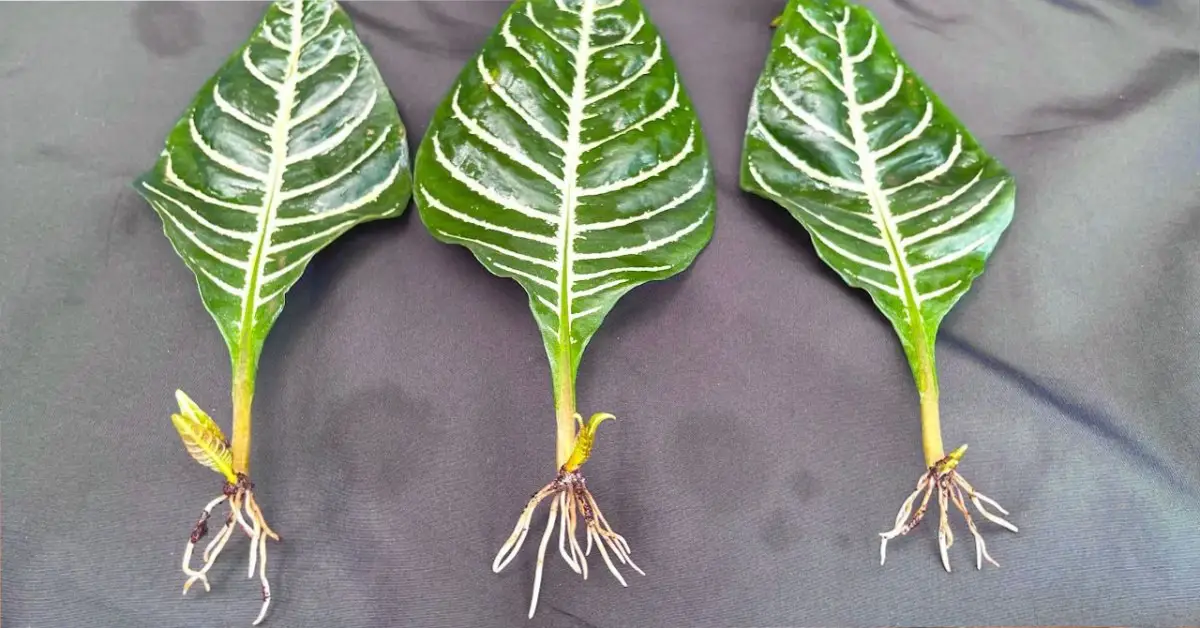
If you’re enjoying your Calathea Zebrina and want to expand your plant family, propagation is the way to go. Luckily, this plant is relatively easy to propagate by division, and it’s a rewarding way to grow more of these beautiful plants.
- Dividing the Plant: The best time to propagate your Calathea Zebrina is during the spring or early summer when it’s actively growing. Gently remove the plant from its pot and inspect the root ball. Look for natural divisions, where the roots are already separated into smaller sections. Carefully separate these sections and plant each one in its own pot with fresh soil.
- After Division: Water each new plant thoroughly after potting and place them in a warm, humid location with bright, indirect light. They will need extra attention while they establish new roots, so be patient.
- Sharing with Friends: Propagating is a great way to share your love for Calathea Zebrina with friends and family. They’ll appreciate having their own little piece of your beautiful plant!
By propagating, you not only grow more plants for yourself but also share the joy of plant care with others.
Conclusion – Embracing the Beauty of Calathea Zebrina
Calathea Zebrina is more than just a plant; it’s a living piece of art that can transform your space. With its stunning zebra-like patterns and graceful movement, this plant adds an unmatched touch of elegance to any room. But beyond its beauty, caring for it is a deeply rewarding experience. By creating the right environment, watering properly, and staying on top of pruning and fertilizing, you’re not just nurturing a plant—you’re forming a connection with nature right in your own home.
The joy of indoor gardening comes from watching your plants thrive and evolve, and with Calathea Zebrina, that’s easy to do when you follow the right care tips. So, take pride in your plant’s growth and let it remind you of the beauty that nature brings into our lives, even indoors.
If you have any experiences, tips, or questions about caring for your Calathea Zebrina, feel free to leave a comment below—I’d love to hear how you’re doing with your plant care!
For more helpful plant care tips and advice, be sure to check out Plant Care Dairy, where I share everything you need to keep your plants happy and thriving.
Happy gardening!
Disclaimer: The care tips shared in this article are based on personal experience and general plant care guidelines. Results may vary depending on environmental conditions. Always monitor your plant’s specific needs and consult a professional if you encounter persistent issues.