

If you’re like me, you might have looked at traditional gardening and thought, “That’s too much work!” I get it – soil, weeding, pests, and unpredictable weather. But what if there was a way to grow fresh herbs, vegetables, and even fruit right in your home, without needing a patch of dirt or worrying about the weather? That’s where hydroponic gardening comes in.
Starting a hydroponic garden might sound a little intimidating at first, but trust me, it’s easier than you think – and it’s a perfect way to get into gardening if you’re short on space or time. Hydroponics allows you to grow plants in a water-based solution with added nutrients, cutting out the need for soil altogether. Plus, the results are faster growth, healthier plants, and less mess.
Whether you’re looking to grow basil for your pasta or lettuce for your salads, hydroponics can provide you with fresh, homegrown produce all year round. So, let’s dive in and explore how you can set up your own hydroponic garden right at home. Ready to grow? Let’s get started.
Why Start a Hydroponic Garden at Home?
If you’re tired of dealing with soil, pests, and unpredictable weather, hydroponics might just be the solution you’ve been looking for. Hydroponic gardening is a method where plants are grown without soil, using a water-based solution that provides the nutrients they need to thrive. It’s an innovative way to bring gardening into your home, and the best part? You can grow a wide range of plants, from leafy greens to herbs, all year round.
Hydroponics 101: What is Hydroponic Gardening?
Hydroponics is essentially soil-free gardening. Instead of relying on dirt, plants grow in nutrient-rich water. The roots are submerged in this solution, which provides them with all the minerals and nutrients they would normally get from soil. The idea is simple, but effective – and it’s been used in various forms for centuries. However, it’s only in recent years that hydroponics has become more accessible to the average person looking to start a home garden.
What makes hydroponics different from traditional gardening? Well, unlike traditional soil-based methods, hydroponics eliminates many of the challenges we face in conventional gardening, like soil erosion, pests, and the need for constant watering. Plus, it can be done indoors, which is perfect for those of us who don’t have a backyard or the ideal outdoor space for gardening.
Why is Hydroponics Gaining Popularity?
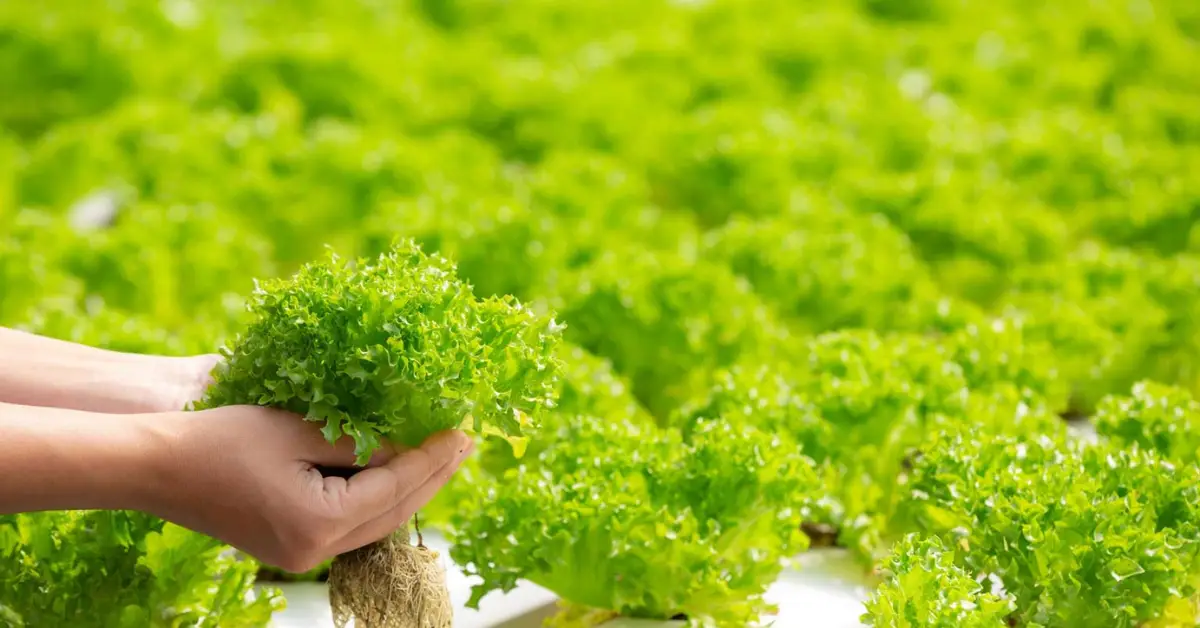
There’s a reason why hydroponics has been getting so much attention lately – it’s quick, efficient, and sustainable. Here’s why it’s taking off:
- Quick Setup: Setting up a hydroponic system doesn’t require weeks of preparation or an advanced degree in gardening. With just a few supplies and some simple instructions, you can start growing your own plants in no time.
- Water Conservation: Traditional gardening requires a lot of water, especially in the summer months. Hydroponics uses a fraction of the water compared to soil-based gardening, making it an eco-friendly choice. The water is recycled within the system, so there’s minimal waste.
- Space Efficiency: Don’t have a backyard or garden plot? No problem! Hydroponic systems can be set up in small spaces – even in apartments. Whether it’s a countertop, a balcony, or a windowsill, you can grow plants anywhere with the right setup.
Key Benefits for Beginners
As someone just starting out, you’ll love the simplicity and advantages of hydroponic gardening. Here’s why it’s perfect for beginners:
- No Soil Required: With hydroponics, you don’t have to deal with soil, which means no mess and no weeds. Plus, the plants get all their nutrients directly from the water, so you can focus on growing, not on managing soil.
- Space-Saving Solutions for Urban Dwellers: If you live in a city or a small apartment, you may think gardening is out of reach. But with hydroponics, you can grow your own food in a compact, efficient system. Imagine fresh herbs for cooking or leafy greens just a few feet away from your kitchen!
- Faster Plant Growth and Higher Yields: Hydroponics is known for accelerating plant growth. Plants in a hydroponic system tend to grow faster than those in soil, and they can yield more produce, even in small spaces. This means you get a quicker return on your investment – whether you’re growing food to eat or just enjoying the beauty of healthy plants.
Hydroponic gardening isn’t just a trend – it’s a smart, efficient, and sustainable way to grow plants at home. Whether you’re limited by space or looking for a more eco-friendly gardening solution, hydroponics provides a way to grow fresh, healthy food with minimal effort.
By taking the leap into hydroponics, you’re not only embracing a modern gardening technique, but you’re also making a choice that’s both good for your space and the environment.
For more on how hydroponics works and its benefits, check out this detailed beginner’s guide here.
Types of Hydroponic Systems You Can Build
When it comes to setting up your hydroponic garden, choosing the right system is crucial. Each type of hydroponic system has its own set of benefits, and the best choice for you will depend on your space, budget, and what you plan to grow. Here’s a breakdown of the most common systems you can build:
1. Deep Water Culture (DWC)
Why It’s Great for Beginners:
Deep Water Culture is one of the easiest and most beginner-friendly hydroponic systems. In this system, plants are suspended in a solution of nutrient-rich water with their roots submerged. A simple air pump oxygenates the water, ensuring the plants get enough air to thrive.
- Best For: Leafy greens, herbs, and small vegetables.
- Setup: A container, air pump, and net pots are all you need to get started.
This system is great for beginners because it’s low-maintenance, cost-effective, and you can easily scale it to suit your growing space.
2. Nutrient Film Technique (NFT)
Perfect for Leafy Greens:
NFT is a more advanced hydroponic technique, but it’s still relatively easy to set up once you understand the process. Plants are placed in a sloped channel where a thin film of nutrient solution flows over the roots, providing nutrients and oxygen.
- Best For: Leafy greens like lettuce, spinach, and herbs.
- Setup: Requires a sloped channel and a pump to circulate the water.
NFT allows for faster growth and higher yields because the roots are constantly exposed to the nutrient solution, making it ideal for growers with limited space.
3. Wick Systems

Ideal for Small Setups or Apartments:
Wick systems are the simplest of all hydroponic systems, and they’re perfect if you’re working with limited space. This system uses a wick (often a piece of rope or fabric) to draw the nutrient solution from a reservoir up to the plants’ roots.
- Best For: Small plants like herbs, strawberries, or flowers.
- Setup: Just a container, wick, and a water reservoir.
While it’s not as high-yielding as other systems, it’s low-cost, easy to maintain, and perfect for people who want a no-fuss way of growing small plants in tight spaces.
4. Aeroponics
For the Advanced Gardener:
Aeroponics is one of the most advanced hydroponic systems. In this system, plant roots hang suspended in the air, and the nutrient solution is misted onto the roots at regular intervals. The system provides the roots with both nutrients and oxygen, encouraging faster plant growth.
- Best For: High-yielding plants like tomatoes, cucumbers, and even fruiting plants.
- Setup: Requires a misting system and a proper frame to suspend the plants.
Aeroponics requires more equipment and attention but offers the potential for the fastest growth and highest yields.
Essential Supplies for Starting Your Hydroponic Garden
Getting started with hydroponic gardening doesn’t require a lot of complex tools, but having the right supplies will ensure your success. Here’s a breakdown of everything you’ll need to set up your garden:
1. Hydroponic Kits: Do You Need One?
While you don’t have to buy a pre-made kit, many beginners find them helpful. These kits include everything you need to set up a simple system, often with step-by-step instructions. However, if you prefer a more hands-on approach, you can build your own system using individual components.
- Popular Kits for Beginners:
- The Hydrofarm Active Aqua Kit is a great option for those new to hydroponics.
- General Hydroponics® Hydroponic System is another popular choice that offers quality components for small setups.
You can easily find these on platforms like Amazon or check with your local gardening center for kits and individual supplies.
2. Choosing the Right Growing Medium
Unlike soil-based gardening, hydroponics uses different mediums to support plant roots. Some common choices include:
- Clay Pebbles: These are lightweight and provide excellent aeration for the roots.
- Perlite: A very common choice, perlite is light, sterile, and provides great drainage.
- Vermiculite: Good for water retention but can get heavy over time.
Each medium has its pros and cons, so choose one based on the plants you’re growing and the system you’re using.
3. Nutrient Solutions
In a hydroponic system, your plants get their nutrients from the water, so it’s important to use a quality nutrient solution. These solutions typically contain essential minerals such as nitrogen, potassium, and calcium, which your plants need to thrive.
- Recommended Nutrient Solutions:
- General Hydroponics Flora Series is a trusted brand for nutrient solutions.
- Hydrofarm FloraFlex Hydroponic Nutrient Solution is another popular option.
4. Lighting: Indoor vs. Outdoor Growing
If you’re growing indoors, you’ll need grow lights to mimic natural sunlight. Choosing the right lighting system can make all the difference in the growth rate and health of your plants.
- LED Grow Lights are energy-efficient and work well for all types of plants.
- Fluorescent Grow Lights are great for small plants or low-light systems.
- High-Pressure Sodium (HPS) Lights are best for fruiting plants that need a lot of light.
Setting Up Your Hydroponic Garden at Home: Step-by-Step

Now that you understand the basics of hydroponics and the different types of systems available, it’s time to dive into setting up your own hydroponic garden. This section walks you through the entire process, from assembling your system to caring for your plants, with practical tips along the way.
Step 1: Choose Your System Type
Remember the different types of systems we discussed earlier? Now it’s time to decide which one is the best fit for your space and needs. Whether you’ve chosen Deep Water Culture (DWC) for its simplicity or Nutrient Film Technique (NFT) for more advanced growth, your first task is to gather the necessary materials and make sure you have everything you need.
If you missed the system breakdown, head back to the previous section to revisit your options.
Step 2: Set Up Your Hydroponic System
Whether you’re assembling a DIY system or using a pre-made kit, setting up your hydroponic system is the next step. Here’s how to do it:
- Build or Assemble Your System: If you’re building your own system, follow the specific instructions for your chosen method. For instance, in a DWC system, you’ll need to create or purchase a container, air pump, and net pots.
- Positioning Containers: The containers where your plants will grow need to be positioned in a way that allows the roots to be submerged in the nutrient solution. Ensure that your system is level, so the water is distributed evenly.
- Adding the Nutrient Solution: Prepare your nutrient solution according to the instructions on your chosen nutrient mix. Pour the solution into the container and make sure the water level is right for your system type.
- Adjusting the pH: This is crucial! Plants in hydroponic systems rely on a specific pH range to absorb nutrients effectively. The ideal pH for most hydroponic systems is between 5.5 and 6.5. Use a pH testing kit to monitor and adjust the pH level. You can use pH up or pH down solutions to make adjustments.
Step 3: Adding Plants
Now that your system is set up and your nutrient solution is ready, it’s time to add your plants. As a beginner, it’s best to start with plants that thrive in hydroponic systems and are easy to care for.
- Best Plants for Beginners:
- Lettuce: It grows quickly and doesn’t require much light.
- Spinach: Another leafy green that loves hydroponic environments.
- Herbs: Basil, mint, and cilantro are great choices to start with.
Plant your seeds or seedlings in the net pots and gently place them into the system, ensuring the roots make contact with the nutrient solution.
Step 4: Maintaining Your Hydroponic Garden
After setting up, the next step is maintenance. While hydroponics is low-maintenance compared to traditional gardening, it still requires regular attention:
- Monitor Water Levels: Make sure your system has enough water at all times. If the water level drops, top it off with fresh nutrient solution.
- Check Nutrient Concentration: The nutrient concentration can vary, so be sure to check and adjust the nutrient solution regularly.
- Monitor Light Cycles: Plants need light for photosynthesis, so make sure your grow lights are on for 12-16 hours a day, depending on the plant type. If you’re growing indoors, consider using a timer to automate light cycles.
Common Mistakes to Avoid When Starting Your Hydroponic Garden
Even the most seasoned gardeners can make mistakes, and beginners are no exception. Here are some common errors to watch out for when starting your hydroponic garden, along with tips on how to avoid them:
1. Not Choosing the Right System
One of the biggest mistakes is not selecting the right hydroponic system for your needs. Each system has its strengths and weaknesses, and using the wrong one can waste time and resources. For example, if you’re growing small herbs in an apartment, a Wick system might be your best bet. But for faster-growing plants like lettuce or spinach, DWC or NFT could yield better results.
2. Skipping pH Monitoring
Many new hydroponic gardeners neglect pH levels, but this is a crucial part of success. If the pH is too high or low, your plants won’t be able to absorb nutrients properly, which can lead to poor growth or even plant death. Always monitor your system’s pH and adjust it as needed. You can find pH testers and adjusters online or at your local garden center.
3. Under or Overwatering
Hydroponic systems are more efficient with water than traditional gardening, but that doesn’t mean they can function without regular checks. Make sure that your plants’ roots are consistently in contact with the nutrient solution, but avoid letting them sit in stagnant water. Under or overwatering can stunt growth or lead to root rot.
4. Poor Lighting
Whether you’re growing indoors or outdoors, lighting plays a vital role in plant health. Too little light can cause stunted growth, while too much light can lead to scorching or dehydration. If you’re growing indoors, make sure to use the right type of grow lights, and ensure your plants get adequate exposure.
How to Harvest and Care for Your Hydroponic Garden
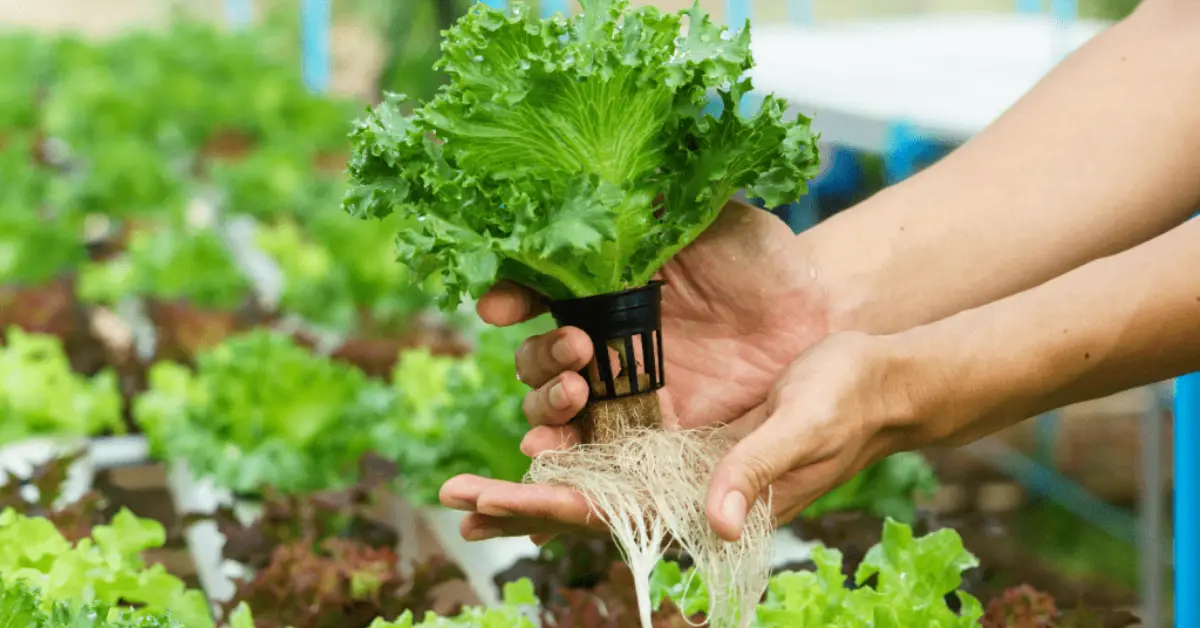
Now that you’ve successfully set up your hydroponic garden, it’s time for the most rewarding part: harvesting your plants! But before you get too excited, there are a few key things you need to know about harvesting and long-term care to ensure your plants continue to thrive.
When to Harvest: What to Look for When Your Plants Are Ready
Each plant has a different growing cycle, but there are some general signs to look for to know when your hydroponic crops are ready to be harvested:
- Leafy Greens (e.g., Lettuce, Spinach): These can be harvested when they reach a good size, but you don’t want to wait too long. Pick the outer leaves first, allowing the inner ones to continue growing.
- Herbs (e.g., Basil, Mint): Harvest herbs before they flower to get the best flavour and growth. Cut the leaves just above a leaf node to promote new growth.
- Fruiting Plants (e.g., Tomatoes, Peppers): These plants will tell you when they’re ready – fruits will change colour and become firm to the touch. Harvest when they’re fully ripe to enjoy the best taste.
When you’re ready to harvest your plants, it’s important to understand how they breathe and how environmental factors can affect their growth. Learn how plants breathe and how this process impacts your harvest timing.
How to Harvest Without Damaging the Plants
Proper harvesting techniques are key to maintaining the health of your plants:
- Use Clean, Sharp Tools: Always use sterilized scissors or pruning shears to cut your plants. This prevents introducing bacteria or pathogens to your system.
- Don’t Pull or Tug: Gently cut the plant at the base of the stem to avoid damaging the roots or nearby leaves. Tugging or pulling can cause injury, hindering future growth.
- Leave Some Growth Behind: For most plants, leave a few leaves or stems behind to encourage regrowth. For example, when harvesting basil, trim just the top leaves to allow the plant to continue producing.
Proper care when harvesting ensures your plants continue thriving. Just as plants have unique ways to protect themselves from pests, they also have their own growth processes that need careful handling. Discover how plants protect themselves from pests and how this defense mechanism can make your garden healthier for the next cycle of growth.
Long-Term Care: How to Continue Growing Year-Round
Now that you’ve harvested your first crops, it’s time to focus on long-term care to keep your hydroponic garden thriving year-round:
- Regular Nutrient Solution Changes: Change your nutrient solution every 1-2 weeks to ensure your plants get fresh nutrients. Regularly monitor the pH and nutrient concentration.
- Lighting: As the seasons change, ensure your grow lights are set to provide the right amount of light for your plants. You may need to adjust the intensity or timing of the lights to accommodate changing daylight hours.
- Prevent Pests and Diseases: While hydroponic systems are generally less prone to pests, it’s still important to inspect plants regularly for any signs of damage. If needed, use organic pest control methods to avoid harming the system.
To keep your garden thriving, it’s important to keep learning about the fundamentals of plant care. For example, many of us wonder, are strawberries truly berries? Explore the science of berries and how understanding this can give you more insight into your garden’s produce.
Final Thoughts and Your Next Steps
By now, you’ve learned everything you need to start your own hydroponic garden, from system setup to harvesting and maintenance. The beauty of hydroponic gardening is that it’s not only beginner-friendly but also offers a sustainable way to grow fresh, healthy food right at home.
Starting a hydroponic garden is far easier than you might think. With just a few simple supplies and some patience, you can be growing your own herbs and vegetables in no time. You don’t need to be an expert gardener to make it work!
As you continue, don’t be afraid to experiment with different plants and systems. Every plant is different, and your hydroponic garden will grow with you as you learn. Patience is key – the more you care for your system, the more rewarding it becomes.
If you’re looking for more detailed guides, step-by-step tutorials, or want to connect with other hydroponic enthusiasts, check out the resources on our website, Plant Care Dairy. You’ll find everything you need to continue your hydroponic journey, from advanced techniques to troubleshooting tips.
Share your experiences in the comments below! Have you started your own hydroponic garden? Or do you have any tips and tricks to share? Let’s talk about your gardening journey and the plants you’re growing!
Disclaimer: The information provided in this article is for general guidance only. While hydroponic gardening can be a rewarding and efficient way to grow plants, results may vary depending on individual conditions. Always follow product instructions and consult experts when needed. We are not responsible for any loss or damage incurred from using the information provided here.