

Plants don’t just sit there and hope for the best when predators come knocking—they fight back. You may think of plants as passive, rooted organisms, but they have evolved some incredible ways to defend themselves against pests and animals that threaten their survival. From creating toxic chemicals to even calling for help, plants are far more strategic than they seem.
In this article, we’ll dive into nine fascinating ways plants protect themselves. We’ll look at everything from physical defenses like thorns and spines to the chemical tactics that keep herbivores at bay. You’ll also see how plants talk to each other and even team up with animals to ward off their enemies.
So, how do plants manage to do all this? And what can we learn from their survival strategies? Let’s explore these incredible methods and uncover the secrets behind how plants keep themselves safe.
1. Physical Armor: Thorns, Spines, and Trichomes
Plants aren’t as defenseless as they might seem. To protect themselves from herbivores, many have evolved physical barriers that act as natural armor. These defenses are often the first line of protection, making it difficult or painful for pests to feast on them.
Why They Work:
Plants like cacti and rose bushes have thorns and spines that are sharp and uncomfortable. These structures make it harder for herbivores to reach their leaves, stems, or flowers. But it’s not just about poking and prodding; these defenses are incredibly effective at deterring animals that rely on plant material for food.
Some plants also have trichomes, tiny hair-like structures that cover their surfaces. These can be irritating or sticky, making it uncomfortable or even dangerous for pests to land on or eat the plant.
You’ve probably noticed the sharp thorns on a rose bush—those aren’t just for show. In fact, they are part of the plant’s defensive armor. If you’re curious about why roses have thorns in the first place, check out this groundbreaking discovery that explains it all.
Examples to Consider:
- Cactus: The spines of cacti are an iconic example. Not only do they deter animals from approaching, but they also help the plant conserve water in harsh desert environments.
- Rose bushes: Those thorns aren’t just there to ruin your gardening gloves. They serve a critical role in keeping animals from nibbling on the tender stems.
- Nettles: You’ve probably felt the sting of a nettle. Its hair-like structures inject irritating substances into your skin, which can cause pain and discomfort.
These examples show how plants utilize physical defenses in different ways. Some have evolved long, sharp spines, while others rely on more subtle barriers like the tiny, invisible trichomes.
Pro Tip: Next time you see a thorny plant, take a moment to appreciate the strategy behind its defense. It’s not just there for decoration—it’s a critical survival tactic.
2. Chemical Warfare: Toxic Compounds and Enzymes
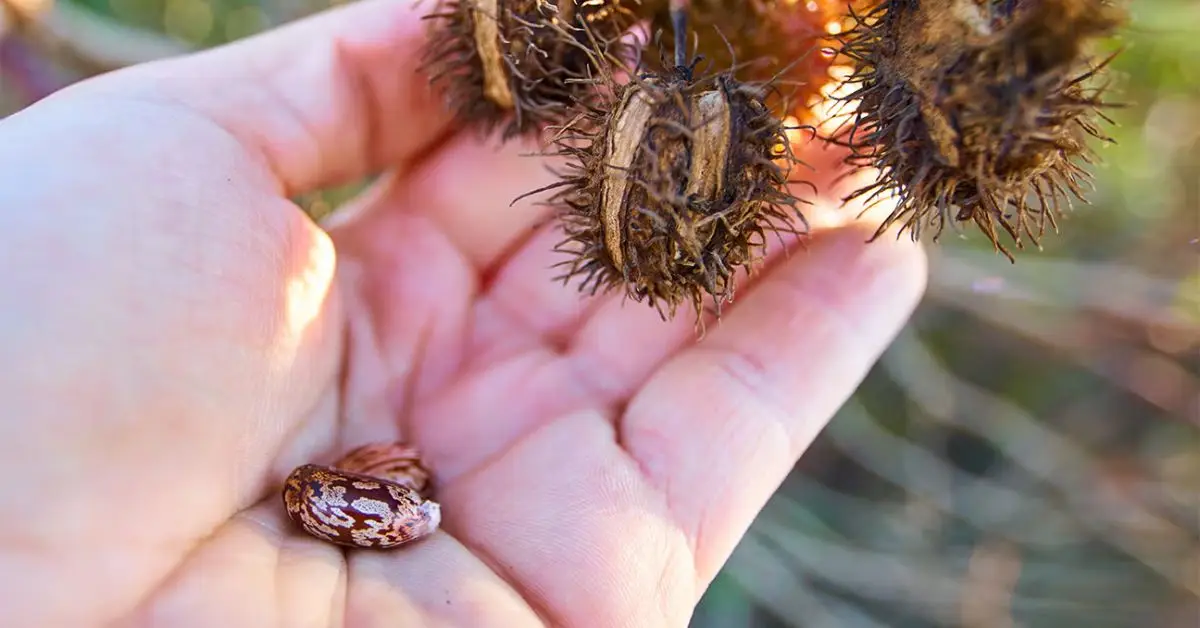
Plants have a secret weapon that goes beyond physical defense: chemical warfare. Many plants produce toxins or enzymes that disrupt the digestive systems of herbivores, making the plant taste bad or even poisonous. It’s like a plant’s way of saying, “Stay away, or you’ll regret it.”
Why They Work:
Through the production of secondary metabolites like alkaloids, terpenoids, and flavonoids, plants can create toxic environments for herbivores. These compounds can make plants unpalatable or even harmful to animals that try to consume them.
- Toxins: Some plants, like the deadly ricin from castor beans, are highly toxic when consumed. They disrupt the digestive system, causing illness or death in the animal.
- Proteinase inhibitors: Plants can also produce enzymes that inhibit the digestion of proteins in herbivores, making them less likely to continue feeding on the plant. Speaking of how plants respond to changes in their environment, have you ever wondered how plants know when it’s hot? The answer lies in sugar signals—a fascinating process plants use to adjust to temperature changes.
In nature, this kind of defense has been highly effective in keeping plants safe from grazing animals. The more a plant can deter herbivores with its toxicity, the more likely it is to survive and reproduce.
Fun Fact: The tomato plant uses these biochemical defenses. The green parts of the plant contain tomatine, a natural chemical compound that makes it toxic to insects and animals that might try to eat it.
By using these chemical methods, plants don’t just fight back—they make it a risky proposition for herbivores to even think about taking a bite.
Recommended Read: To dive deeper into how plants deploy chemical defenses, check out this research on plant defense mechanisms from Frontiers for Young Minds.
3. Mimicry and Camouflage: Deceptive Survival Tactics
Sometimes, the best defense is a good disguise. Many plants have evolved to mimic other organisms or even environmental features in order to avoid being eaten. These deceptive tactics help plants stay unnoticed by herbivores that would otherwise consume them.
Why They Work:
Plants that blend in with their surroundings or imitate the appearance of other creatures are less likely to be targeted by pests. This strategy reduces the likelihood of herbivores finding and attacking them.
- Leaf Mimicry: Some plants have leaves that look like bird droppings or other inedible objects. These clever disguises confuse herbivores, making them think the plant is something else entirely. Mimicry and camouflage are often used by plants to avoid predators. It’s amazing how plants use these deceptive strategies. On a related note, plants’ ability to thrive in unique conditions even extends to unconventional environments. For instance, did you know that classical music can actually help your plants grow better? Check out the research on how music impacts plant growth.
- Thorns Mimicking Spider Webs: Certain plants have evolved thorn-like structures that resemble spider webs. Since many herbivores avoid plants with spiders, this mimicry helps keep the plant safe.
- Bark Camouflage: Other plants have bark that looks like the surrounding environment, effectively blending in with tree trunks or rocks.
Examples:
- Lily of the valley: Some species of this plant mimic the appearance of bird droppings, making them nearly invisible to grazing animals.
- Passionflower: The plant’s leaves are often covered in spots and patterns that resemble the eyes of a large predator, deterring herbivores like caterpillars from feeding.
Mimicry and camouflage allow plants to play the ultimate game of hide and seek. By blending into their surroundings, these plants avoid detection, keeping themselves safe from hungry animals.
Quick Tip: When walking through a forest or garden, keep an eye out for plants that look a little too perfect at blending into their surroundings. You might be looking at a survivor’s clever disguise.
4. Induced Defenses: Responding to Attacks
Plants don’t just sit idle while herbivores feast on them—they can activate their own defense systems when under attack. These induced defenses allow plants to respond dynamically to threats, often escalating their defense mechanisms when needed. Think of it as a plant hitting the panic button and going into full defense mode.
Why They Work:
When a plant is damaged by an herbivore, it triggers a series of chemical signals that instruct it to ramp up its defenses. One of the most important signaling pathways involved in this is jasmonic acid. This plant hormone acts as a signal that activates various defense genes, including the production of toxins and protective proteins.
- Jasmonic acid: This hormone plays a pivotal role in activating defense mechanisms. When a plant detects physical damage (like a bite), jasmonic acid levels rise, signaling other parts of the plant to produce protective compounds like proteinase inhibitors.
- Systemic Acquired Resistance (SAR): Some plants also activate defense responses in parts of the plant that haven’t yet been attacked. This allows the plant to preemptively prepare other areas for future assaults.
These activated responses can help a plant survive herbivore attacks and prevent further damage. It’s like a plant’s own alarm system going off when danger is near.
Quick Insight: This is why some plants can “learn” from herbivore attacks. After one successful defense activation, they become more prepared for future threats.
For an in-depth look at how plants respond to stress, check out this PMC article on plant responses to herbivory.
5. Root Defenses: Underground Protection

en.wikipedia.org
While we often think of plants defending themselves above ground, their real defense system lies beneath the soil. Root defenses are just as critical, yet they’re often overlooked. Roots are the plant’s first point of contact with underground pests like nematodes, insects, and fungi.
Why They Work:
Plants have evolved specific mechanisms to protect their roots from these hidden threats. Chemical defenses produced in the roots can inhibit pests or disrupt their life cycles, while root architecture itself can deter or slow down attackers.
- Chemical defenses in roots: Some plants secrete chemicals that make their roots unpalatable or toxic to pests. These compounds might include alkaloids, phenolics, or other secondary metabolites.
- Root architecture: The structure of a plant’s root system also plays a role in defense. For example, some plants have dense root networks that make it harder for pests to penetrate and access the roots.
Pro Tip: Ever noticed how certain plants grow better in soils that seem too harsh for other species? Their root systems are designed not just to find water and nutrients, but also to ward off underground attackers.
6. Volatile Signals: Calling for Help
When a plant is under attack, it can send out a volunteer signal to summon help. That might sound strange, but many plants emit volatile organic compounds (VOCs) when stressed—chemicals that attract predators of their attackers. It’s like a plant calling for backup when it’s under siege.
Why They Work:
When herbivores start munching on a plant, the plant can release VOCs into the air that act like a beacon, drawing in predators that will eat the herbivores. Think of it as a plant sending an SOS signal to nearby predators, like wasps, that will take care of the pests causing the damage.
- Volatile organic compounds (VOCs): These are chemicals plants produce in response to damage. The plant might release them into the air, where they can be detected by predators of the herbivores attacking the plant.
- Plant communication: Not only do plants call for external help, but they can also communicate with other plants nearby. When one plant releases these VOCs, neighboring plants may “prepare” themselves for an attack by ramping up their own defenses.
By broadcasting distress signals, plants not only defend themselves but also help protect their community. It’s like having a built-in alarm system that alerts everyone in the neighborhood.
Fun Fact: The next time you see a plant surrounded by beneficial insects, it’s likely sending out these signals to invite them over for lunch (herbivore lunch, that is).
7. Symbiotic Relationships: Allies in Defense
Plants don’t just rely on their own defenses—they often team up with other organisms to help protect themselves. These symbiotic relationships are a form of mutual protection, where both the plant and the partner organism benefit from the arrangement. This cooperation can take many forms, from teaming up with ants to forming partnerships with beneficial microbes.
Why They Work:
Symbiosis in plants allows them to leverage the skills and abilities of other species to enhance their defenses. By teaming up with the right allies, plants can fend off pests, improve nutrient uptake, and even boost their own immunity.
- Ant-plant mutualism: Certain plants, like acacia trees, have developed relationships with aggressive ants. These ants protect the plant from herbivores by attacking any insects or animals that try to eat the leaves or stems. In exchange, the plant provides the ants with food and shelter.
- Microbial partnerships: Plants also rely on beneficial microbes in the soil, such as mycorrhizal fungi, that help protect their roots. These microbes can outcompete harmful pathogens and boost the plant’s resistance to stress.
Pro Tip: Next time you see a tree with ants crawling all over it, don’t just brush them off. They might be providing a life-saving service to that plant!
8. Evolutionary Arms Race: Adaptations and Counter-Adaptations
Plants and herbivores are locked in an evolutionary arms race, where each side constantly develops new strategies to outwit the other. Over time, plants have evolved complex defense mechanisms to fend off herbivores, while herbivores, in turn, adapt new ways to overcome those defenses. This back-and-forth battle is ongoing and drives the evolution of both plant and animal species.
Why It Works:
This evolutionary arms race pushes both plants and herbivores to become more specialized in their strategies. For example, while some plants may evolve thicker leaves or more toxins, herbivores may evolve specialized enzymes that allow them to detoxify those chemicals.
- Counter-adaptations by herbivores: Many herbivores evolve ways to neutralize or avoid the toxins in plants. For instance, caterpillars have evolved the ability to detoxify the chemicals in certain plants, making them less toxic and more palatable.
- Plant adaptations: In response, plants continue to evolve new chemicals, physical defenses, or strategies to deter herbivores. Some plants, for example, may become more toxic or develop new physical barriers like thicker leaves.
Fascinating Fact: This never-ending game of adaptation and counter-adaptation drives the complexity and diversity we see in both plant and herbivore species.
For more insights into the co-evolutionary dynamics between plants and herbivores, check out this article on evolutionary ecology.
9. Human Applications: Harnessing Plant Defenses

As humans, we’ve been learning to harness these plant defense mechanisms to improve agriculture, medicine, and even pest control. By understanding how plants defend themselves in nature, we can apply these principles to create more sustainable farming practices, develop new medicines, and reduce our reliance on harmful chemicals.
Why It Works:
By studying plant defenses, scientists can find ways to mimic these natural strategies in human applications. Whether it’s creating natural pesticides or discovering new compounds for medicine, plant defenses offer a wealth of opportunities.
- Sustainable pest control: Many of the toxins and chemicals plants produce to defend themselves can be used as natural pesticides, reducing the need for harmful chemical treatments.
- Pharmaceutical discoveries: Some plant chemicals have medicinal properties that are used in human medicine. For example, the paclitaxel from the yew tree is a well-known cancer treatment.
- Improved crops: Understanding plant defense pathways can help scientists engineer crops that are more resistant to pests, reducing the need for chemical pesticides and leading to healthier, more sustainable food production.
Pro Tip: Imagine a future where we rely less on synthetic chemicals and more on nature’s own strategies for pest control and health. That’s the promise of studying plant defenses.
Conclusion – Plants: Silent Warriors of the Natural World
As we’ve seen, plants are far from passive victims in the natural world. They are active defenders, constantly employing a wide range of fascinating tactics to protect themselves from predators and pests. From sharp thorns and toxic compounds to clever mimicry and symbiotic partnerships, plants have evolved incredible survival strategies that allow them to thrive in a world full of threats.
These defense mechanisms not only showcase the complexity and ingenuity of nature but also highlight the intricate balance between plants, herbivores, and the environment. By understanding these mechanisms, we gain a deeper appreciation for how plants interact with the world around them and how they continue to adapt and survive through evolution.
So next time you encounter a thorny bush or a plant covered in ants, remember: it’s not just nature being “difficult.” It’s a survival tactic. Plants are true warriors, constantly fighting to protect their existence in a world full of challenges.
What do you think about the incredible ways plants defend themselves? Share your thoughts in the comments below—we’d love to hear your perspective!
For more fascinating insights into nature and the world around us, visit Plant Care Dairy for more articles, tips, and expert advice.
Disclaimer: The information in this article is for general purposes only. While efforts are made to ensure accuracy, results may vary. Always consult a professional for specific advice related to plant care or pest management.