

I’ll be honest — when I first heard people say that playing music helps plants grow, I thought it was just another feel-good myth from the internet. But as I started digging into the science behind it, I realized: this isn’t just gardening folklore. There’s real research, especially around classical music, that shows how it can influence growth, stress response, and even flowering.
The most interesting part? It’s not about plants “liking” Mozart. It’s about how sound waves and vibrations interact with plant cells — triggering hormonal shifts, affecting growth patterns, and sometimes making a visible difference in just a few weeks.
If you’ve ever wondered whether your playlist could be helping or hurting your plants, you’re not alone. I’ve pulled together current studies, weird-but-true plant behavior, and some real-life stories that might change how you care for your green friends.
Have you ever played music for your plants? If yes, what kind? Drop your experience in the comments — I’m curious.
What Science Says — From the 1960s to 2025
If you’ve ever rolled your eyes at the idea of playing music for your plants — you’re not alone. But the truth is, this topic has roots that go way back, and over time, the research has gotten a lot more serious. From quirky early experiments to today’s controlled lab studies, the science is starting to tell a clear story.
Early Experiments — T.C. Singh and Dorothy Retallack
Back in the 1960s, an Indian botanist named Dr. T.C. Singh ran a series of experiments playing classical music to plants. His results were dramatic: some species grew 20% taller, with up to 72% more dry weight. The idea was that sound waves somehow stimulated growth.
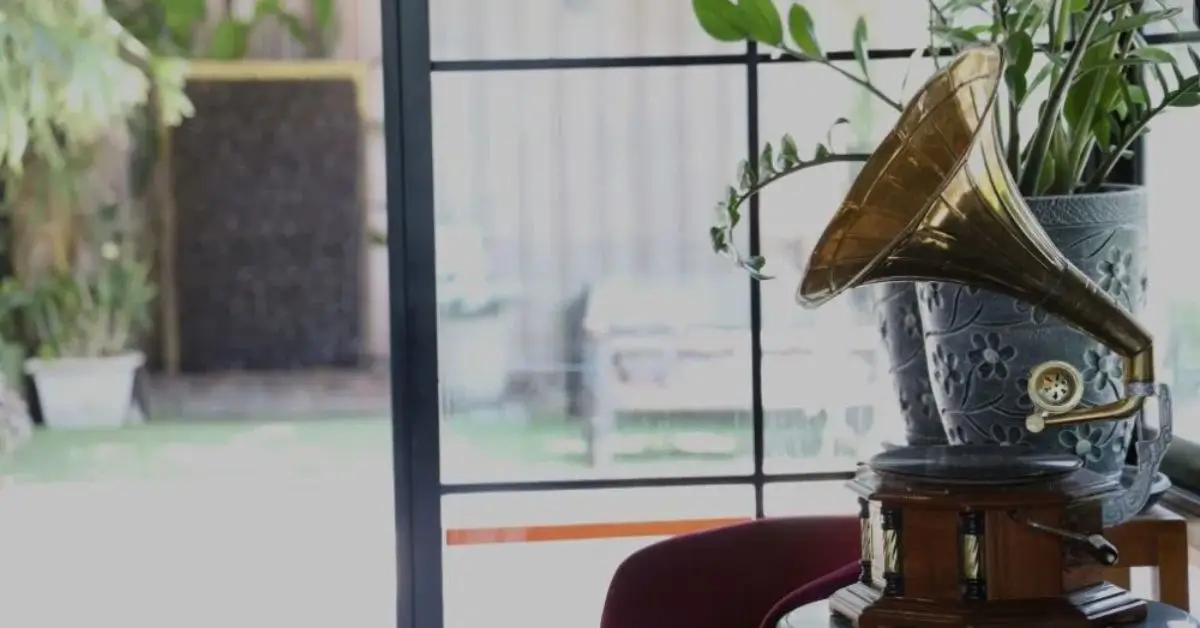
Here in the U.S., Dorothy Retallack made headlines in the ‘70s for her music-and-plant experiments using a BioSonic Control Chamber. She found that plants exposed to classical or jazz tended to grow upright and thrive, while those “listening” to heavy rock often leaned away from the speakers — or wilted faster.
These early studies were far from perfect. The environments weren’t strictly controlled, and sample sizes were small. But they sparked a wave of interest — and raised a key question: Could sound actually influence how plants grow?
Modern Controlled Experiments — Pak Choi, Beans, and More
Today, we’ve got better tools to answer that question — and some of the latest studies are genuinely eye-opening.
A 2025 study out of Oxford University tested the effects of classical music, rock, and silence on pak choi plants (a leafy green similar to bok choy). In a fully controlled environment, the plants exposed to classical music grew faster, looked healthier, and showed higher chlorophyll levels. Rock music? Not so much. Plants exposed to it had shorter stems, less leaf mass, and some stress signs.
Closer to home, smaller lab experiments in the U.S. have studied mung beans, tomatoes, and even cannabis. The pattern keeps repeating: soft, rhythmic, lower-frequency music tends to promote better growth metrics — including root length, stem height, and flowering.
These modern studies are tightly controlled for variables like light, temperature, soil, and watering — meaning the observed results are much more trustworthy.
How It Works — Hormones, Cells, and Sound Vibes
Okay, so how exactly does sound help plants grow?
Turns out, plants can “feel” sound vibrations — even if they don’t have ears. Certain frequencies have been shown to:
- Trigger growth hormones like auxin (IAA)
- Lower stress hormone levels (like abscisic acid)
- Improve chlorophyll production
- Speed up cytoplasmic streaming
- Change gene expression tied to growth and flowering
Music affects what’s happening inside the plant at a biochemical level — not just how it “looks” on the outside.
The idea might sound strange, but there’s growing evidence that music — especially classical — can play a real, measurable role in how plants grow. It’s not about emotion. It’s about biology.
Beyond the Melody — Why Plants “Like” Certain Sounds
It’s one thing to know that music helps plants grow. But the real question is: why? What exactly makes one genre beneficial — and another potentially harmful? Let’s break down how different types of sound affect plants in very different ways.

Frequency, Tone, and Genre Matter More Than You Think
Across multiple experiments, one pattern keeps showing up: plants seem to respond best to soft, harmonious, low-frequency sounds. Classical music — especially instrumental pieces with slow tempos — is the consistent winner. Even jazz and ambient nature tracks have been shown to promote healthy growth.
On the flip side, plants exposed to loud, erratic, or high-frequency music — like heavy metal or hard rock — often show signs of stress. Slower growth, weaker stems, or even wilting. The theory? These aggressive sounds disrupt the plant’s natural rhythms, possibly interfering with its internal signaling processes.
Put simply: gentle sounds tend to nourish, while chaotic ones may overstimulate or damage.
Plants Can Detect Sound — Even Without Ears
Here’s where it gets fascinating. Although plants don’t have ears or a nervous system, they’re still incredibly responsive to sound. Researchers now know that plants can sense vibrations — whether it’s music, wind, or even the buzzing of a bee.
Some species have been observed bending or changing growth direction in response to specific sound frequencies. Roots may grow toward gentle, rhythmic sound sources — a phenomenon known as phonotropism. Others react to pollinator-like vibrations by adjusting nectar flow or opening flowers more fully.
This ability to detect and “use” sound in their environment isn’t just a fun fact — it’s a powerful evolutionary tool.
What’s Happening Inside — Hormones and Genes Reacting to Sound
Beyond surface-level changes, music can actually affect what’s happening inside the plant — at a molecular level.
When exposed to certain frequencies, plants have been shown to increase levels of growth hormones like auxin and decrease stress hormones like abscisic acid. That means music isn’t just background noise — it’s a kind of stimulus that plants translate into real action.
Even more interesting: studies have observed changes in gene expression, especially those tied to flowering, root development, and photosynthesis. In some cases, genes associated with defense mechanisms also activate — almost like the plant is preparing itself for external stimuli.
Plants don’t just “like” music in some vague, poetic way. They react to sound physically, chemically, and biologically. And while they may never clap for your playlist, they’re definitely listening.
How to Use Music for Thriving Plants?
Okay, you’ve seen the research. Now here’s the part that matters most: how do you actually apply this in real life? You don’t need lab gear or a greenhouse. Just a speaker, a little intention, and a few simple steps.

1. Pick the Right Playlist
Start with what works: calm, instrumental classical music. Think solo piano, light strings, or even soft jazz. Aim for mellow tempos, minimal percussion, and low frequencies.
You can easily find ready-made playlists labeled “music for plants” or “plant growth classical” on Spotify or YouTube. Don’t overthink it — just keep it calm and non-jarring.
Avoid loud, fast, or aggressive genres like heavy rock, metal, or EDM. The data shows those can do more harm than good.
2. Volume and Timing Matter
Just like you wouldn’t blast music around a newborn, don’t do it to your plants either. Keep the volume low to medium — loud music can actually stress plants by creating unnatural vibration levels.
You also don’t need to play it all day. 1–3 hours a day is plenty, ideally during daylight hours when the plant is actively photosynthesizing. Some growers use timers to automate it.
Bonus tip: Rotate genres once a week to see how plants respond. Some enjoy soft nature sounds too.
3. Observe and Track
You don’t have to be a botanist to spot progress. Start simple:
- Measure height every few days
- Watch for leaf size, color, and curl
- Track budding, blooming, or branching
- Note resilience during watering cycles or after stress
Even basic observations can show you if something’s working. Over time, you’ll develop an intuitive sense of how your plants “respond.”
4. Try a Mini Experiment
If you’re curious (or just a bit nerdy), run a low-key experiment:
- Group A: Classical music
- Group B: Silence
- Group C: Another genre (like ambient or acoustic)
Track all three over a few weeks. Compare height, leaf spread, and overall health. You might surprise yourself.
You can even vary frequency (Hz) using tone-generating apps, or change duration of exposure. Think of it as DIY science — without the lab coat.
The goal here isn’t perfection — it’s attention. Plants may not speak, but they respond when you treat them with intention. Sound is just one more tool you can use to create a healthier, more vibrant environment.
Should You Play Piano for Your Plants? A Balanced View
If you’ve made it this far, you might be wondering: “Okay, but is this just feel-good gardening… or real science?” Honestly? It’s a little bit of both — and that’s not a bad thing.

Yes, there’s a growing body of evidence showing that gentle music can stimulate plant growth, from hormone shifts to better chlorophyll production. Multiple studies — past and present — are pointing in the same direction. The science is moving forward, not backward.
But let’s also be real: this is still a developing field, and the research isn’t perfect yet. Sample sizes are often small. Methodologies vary. There’s no global consensus. We’re not talking about miracle-grow magic here.
What we do know is this: plants are sensitive, responsive, and more aware of their environment than we once believed. And music — particularly calm, rhythmic, classical or jazz — is one tool that may quietly support their natural rhythms.
So should you play piano for your pothos or Mozart for your monstera?
Absolutely. But do it with curiosity, not pressure.
Treat it as a form of plant care that’s rooted in connection, not just performance. You’ll enjoy the process — and chances are, your plants will too.
Final Thought — Your Playlist Might Be Growing More Than You Think
In the end, whether you’re a seasoned plant parent or just trying to keep a pothos alive, here’s what matters: plants respond to care — in light, in water, and yes, maybe even in sound.
This isn’t about turning your home into a lab. It’s about tuning into the small things that help life flourish. Playing music for your plants isn’t a guarantee — but it’s a low-effort, high-reward habit that just might make your space greener, softer, and more alive.
And let’s be honest — a little Debussy in the background never hurt anyone.
Try it out: Pick one plant. One soft playlist. Track it for a few weeks. You might just hear your plants quietly thriving.
Want more tips like this? Visit Plant Care Dairy for real-world plant advice, science-backed insights, and everyday green care that actually works.
Disclaimer: This article is for informational purposes only and is not intended as scientific or medical advice. While based on published research, results may vary depending on plant type and environment. Always observe your plants and adjust care methods accordingly.