

If you’ve got a wood-burning stove or fireplace, you’ve probably looked at that pile of soft grey ash and thought—could this help my garden? I did too.
A lot of gardeners swear by wood ash as a natural fertilizer, but others say it can ruin your soil if you’re not careful. The truth? It’s not that simple. Wood ash can be incredibly helpful or quietly harmful, depending on what kind of soil you’re working with, what plants you’re growing, and how you apply it.
Most of the guides I found either sugarcoat the benefits or throw vague warnings without details. But if you actually want to know when wood ash helps—and when to avoid it completely—you’re in the right place.
I’ll walk you through what’s really in wood ash, how it affects your plants (good and bad), and exactly how to use it without messing up your soil’s health. This is practical, tested info—not just theories.
Have you ever used wood ash in your garden? Did it help, or did it cause issues? Share your thoughts or questions below.
What Exactly Is in Wood Ash? Composition & Variability
Before we talk about whether wood ash is “good” or “bad” for your plants, let’s look at what’s actually in it—because it’s not just dust.
Wood ash is mostly made up of calcium carbonate—the same stuff you’ll find in agricultural lime. That’s what gives it the power to raise soil pH. But beyond that, it also contains a mix of essential plant nutrients like:
- Potassium (K) – important for flowering and fruiting
- Calcium (Ca) – helps with cell wall strength and root development
- Magnesium (Mg) and Phosphorus (P) – crucial for photosynthesis and energy transfer
You’ll also find trace amounts of micronutrients like zinc, iron, boron, and copper. But here’s where it gets tricky: the exact composition of wood ash depends heavily on the type of wood burned.
- Hardwoods like oak or maple usually produce ash that’s higher in nutrients, especially potassium.
- Softwoods like pine tend to have lower nutrient content and more resins, which can make the ash more alkaline.
- Ash from treated wood or painted materials? That’s a hard no—those can contain toxic residues and heavy metals.
So, while wood ash can add a nice nutrient boost to your garden, it’s not a one-size-fits-all amendment. The source really matters.
According to the University of Wisconsin Extension, wood ash can contain up to 20–25% calcium carbonate, 3–7% potassium, and smaller amounts of phosphorus and magnesium.
The Benefits: Nutrients, pH Adjustment & Plant Growth
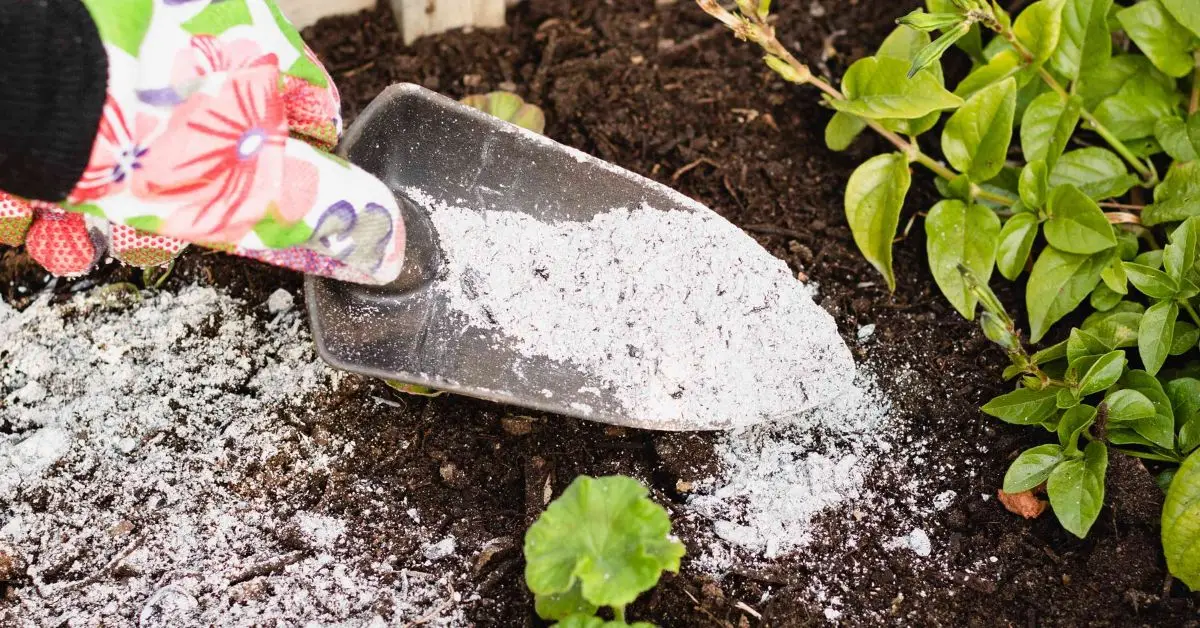
Wood ash isn’t just a leftover from your fireplace—it’s actually packed with useful nutrients your soil can use, especially if you garden organically or want to reduce synthetic inputs. But the benefits go beyond just feeding plants. Here’s what makes it worth considering:
Essential Nutrients: Calcium, Potassium & More
One of the biggest upsides of using wood ash is its mineral content. It’s particularly rich in calcium, often making up 20–25% of the total ash—great for root development and soil structure.
It also contains potassium (about 3–5%), which is key for flowering, fruiting, and building strong, disease-resistant plants. You’ll also get small amounts of magnesium, phosphorus, and micronutrients like boron and zinc.
So, while it’s not a complete fertilizer, wood ash can supplement the nutrients your garden might be missing—especially if your soil’s been heavily used.
Raising Soil pH Naturally
If your soil is acidic, wood ash can help bring it back into balance—naturally.
Because it’s alkaline, wood ash works a lot like garden lime, helping neutralize acidity. This is especially useful if you grow vegetables that prefer a slightly alkaline or neutral pH, like broccoli, beans, or lettuce.
In fact, ash from clean hardwoods can have a pH between 10 and 12, making it a powerful tool if used correctly. Just be cautious—it’s easy to overdo it, especially in already neutral soils.
Improved Plant Growth & Drought Resilience
This part often gets missed in gardening blogs, but the science is clear: wood ash doesn’t just feed plants—it helps them cope with stress.
In field studies, crops like maize showed better root and shoot growth when ash was applied correctly. Another study with komatsuna (a leafy green) found that wood ash improved biomass production and water retention, thanks largely to the potassium content.
A peer-reviewed study published in Frontiers in Plant Science confirmed that controlled wood ash use led to stronger, more drought-tolerant plants.
What to Avoid: Risks and Misuse
Wood ash might sound like a miracle amendment, but if you’re not careful, it can do more harm than good. Most problems come from overuse, using the wrong type of ash, or applying it to the wrong plants.
Here’s what you need to avoid.
Too Alkaline? Potential Nutrient Imbalance & Plant Damage
The biggest risk with wood ash is that it’s highly alkaline. Use too much, and you can swing your soil’s pH so far that plants start to suffer—especially in neutral or slightly acidic soils.
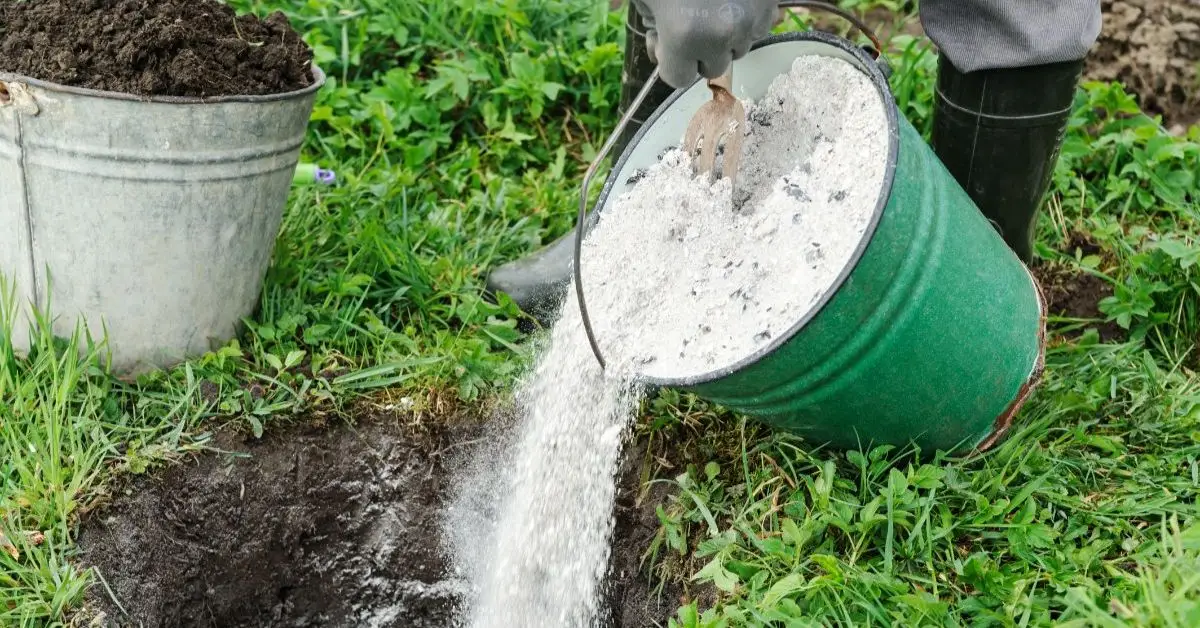
When the pH rises too high, plants can’t absorb key nutrients like iron, manganese, or phosphorus. That leads to chlorosis (yellowing leaves), weak growth, and frustrated gardeners wondering what went wrong.
Melinda Myers, a gardening expert, recommends using wood ash only after a proper soil test—and skipping it entirely if your pH is already in the ideal range. It’s one of those amendments that only helps in the right context.
Unsuitable for Acid-Loving Plants
This one’s simple but often overlooked: wood ash is not for everything.
Plants like blueberries, azaleas, hydrangeas, and rhododendrons love acidic conditions. Adding ash to their soil can backfire, making the soil too alkaline and blocking the nutrients they depend on.
If you’re growing acid-loving ornamentals or fruits, skip the ash and stick to compost or acid-friendly amendments.
Heavy Metals & Source Concerns
Not all wood ash is “clean.” Some ashes—especially from old painted wood, pressure-treated lumber, or plywood—can contain trace amounts of heavy metals like chromium or copper. These build up over time and could become toxic, especially in food gardens.
Even in clean wood ash, trace metals can be present in small amounts. The key is to use it sparingly and not year after year in the same spot.
Using Ash from Treated or Charcoal Sources
This one’s non-negotiable: never use ash from treated wood, painted surfaces, or charcoal briquettes.
Treated wood can release chemicals like arsenic or formaldehyde. Charcoal briquettes may include binders, additives, and even lighter fluid residue. These have no place in your soil—especially if you’re growing food.
If you’re not 100% sure what the wood was, it’s better to toss the ash than risk it in the garden.
How to Use Wood Ash Safely and Effectively
Wood ash can be a smart, natural addition to your garden—but only if you use it the right way. A lot of people skip the basics and end up damaging their soil without even realizing it.
Here’s how to use wood ash correctly, step by step.
Soil Testing First
This is non-negotiable. Before you even think about applying wood ash, test your soil’s pH. If your soil is already neutral or slightly alkaline, adding ash might push it too far—hurting more than it helps.
You can pick up a basic pH testing kit at any garden center, or get a proper lab test done if you’re dealing with larger beds. Many seasoned gardeners learn this the hard way—too much trust, not enough testing.
Recommended Application Rates & Timing
Even if your soil is acidic, more ash doesn’t mean more benefits.
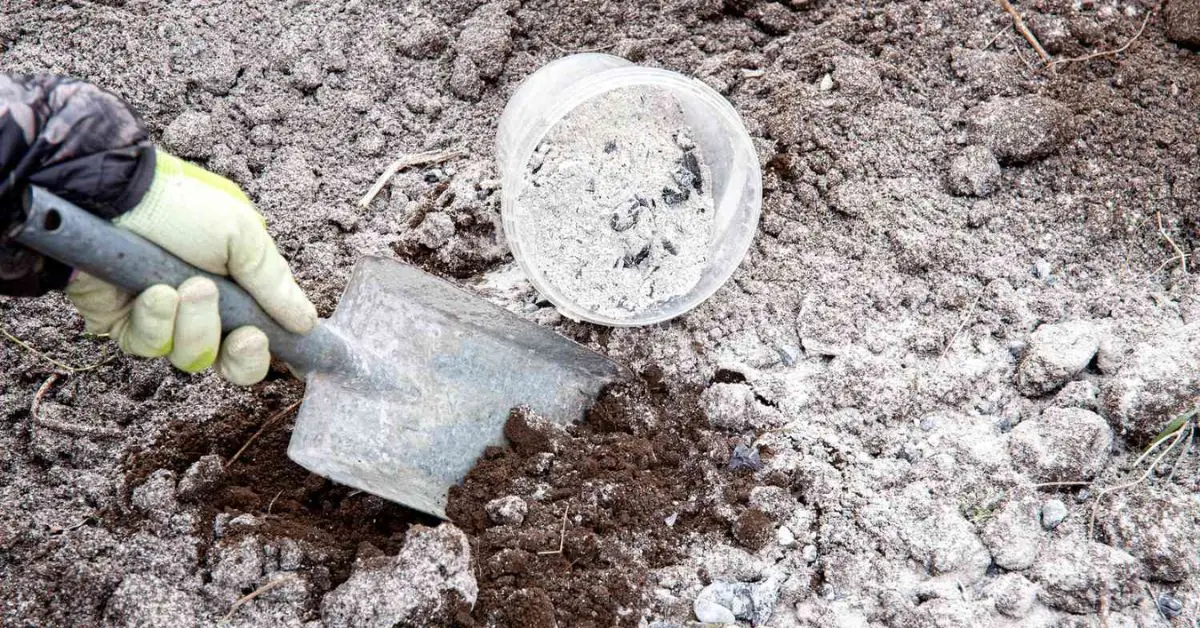
Experts recommend applying no more than 15–20 pounds per 1,000 square feet per year—that’s about a 5-gallon bucket spread across a typical garden. For smaller spaces, think in handfuls, not scoops.
The best time to apply wood ash is in late fall or winter, when beds are resting. This gives it time to settle and mix in before spring planting.
Best Practice: Compost First or Mix into Soil
If you’re nervous about burning roots or overcorrecting your pH, one safe bet is to add wood ash to your compost pile.
Ash helps neutralize acidity in compost and improves nutrient balance without shocking your plants. You can also mix a small amount directly into the top few inches of soil—but always water it in well and keep it away from seedlings.
Many experienced gardeners suggest composting first to make the ash more balanced and less risky.
Safety Measures for Handling & Storage
Wood ash is alkaline and can irritate skin or eyes. Always wear gloves when handling it, and avoid windy days—it’s light and goes airborne fast.
Store leftover ash in a metal container with a tight lid, away from moisture. Never use plastic—it can melt if embers are still present, and water can turn ash into lye, which is highly caustic.
The Royal Horticultural Society advises using no more than 50–70g per square meter, applying in winter, and storing ash in a dry place until use.
Common Myths & Misconceptions
Wood ash often gets thrown around like a cure-all, but let’s clear the air on some common misunderstandings.
Myth 1: “Wood ash is the same as lime.”
Not exactly. While both raise soil pH, lime is made of calcium carbonate, while ash contains calcium oxide, plus a mix of potassium, magnesium, and trace minerals. Ash works faster, but its effects are less predictable—and it doesn’t last as long.
Myth 2: “It’s good for all plants.”
Definitely not. Acid-loving plants like blueberries, azaleas, and camellias hate the alkalinity. Adding ash here does more damage than good.
Myth 3: “More is better.”
Actually, too much ash can block essential nutrients. More isn’t better—it’s riskier. Use it like a supplement, not a staple.
Myth 4: “Throw it straight on the soil.”
That’s risky, especially for young plants. It’s safer to compost it first or mix it gently into fallow beds.
When Is Wood Ash Not the Best Choice?
Even though wood ash offers benefits, it’s not always the right fit for your garden.
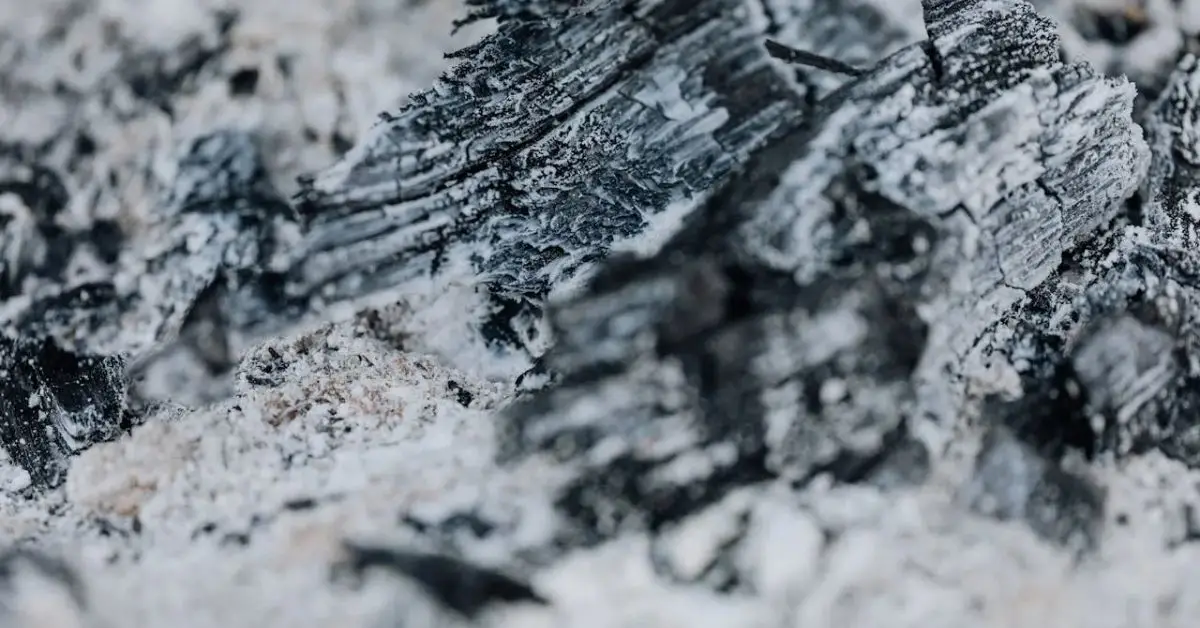
If your soil is already neutral or slightly alkaline, adding ash can swing it too far and disrupt nutrient availability. This can lead to iron and manganese deficiencies, especially in vegetables and ornamentals.
If your soil is high in calcium or potassium, ash may tip the balance, creating nutrient lockouts. In those cases, a balanced organic fertilizer or compost gives better results.
Melinda Myers warns that ash offers minimal benefits in already-balanced soils—and in some cases, it just clutters up the garden without adding value. Sometimes, the best move is to skip it entirely.
Smart Gardener’s Checklist: Using Wood Ash Responsibly
Let’s wrap up with a quick checklist to help you use wood ash the smart way—not just because it’s “natural,” but because it actually fits your soil’s needs.
- Test your soil before applying anything
- Only use clean, untreated wood ash
- Avoid ash on acid-loving plants
- Apply no more than 15–20 lbs per 1,000 sq ft per year
- Mix into compost or topsoil, never on seedlings
- Wear gloves and store ash in a dry metal container
- Skip ash if your pH is already balanced
Using wood ash in the garden isn’t about being trendy—it’s about understanding your soil and making informed choices.
Have you tried using wood ash before? What worked—or didn’t—for you? Share your experience below. Let’s learn from each other.
Have you tried using wood ash in your garden? What worked—or didn’t—for you? Share your experience below, and visit Plant Care Dairy for more smart, soil-friendly tips.
Disclaimer: The information in this article is for general educational purposes only and should not be considered professional agricultural or environmental advice. Always test your soil and consult local extension services or certified experts before making changes to your gardening practices.