
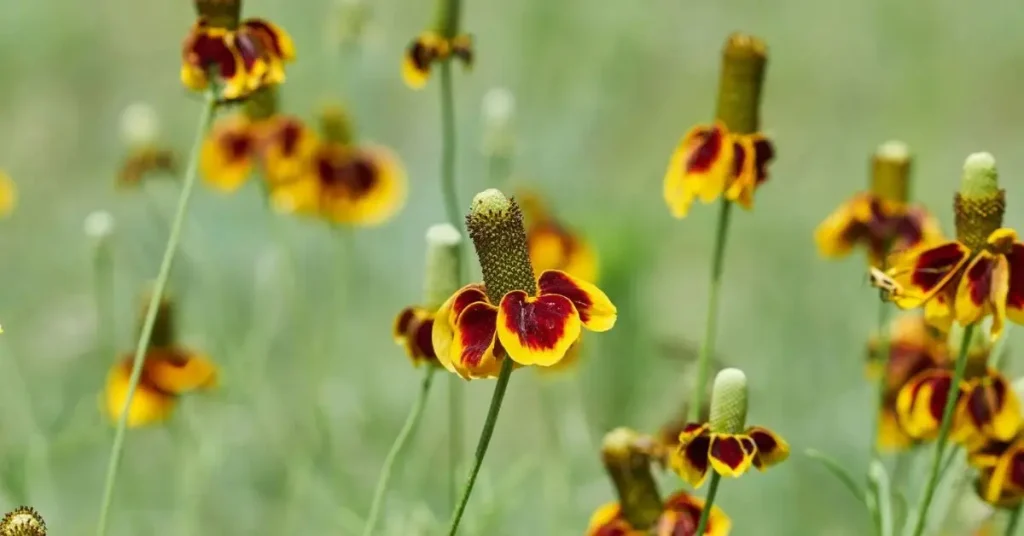
When I first encountered Mexican Hat Flowers, I was struck by their unique beauty — a crown of yellow-tipped, reddish-orange petals framing a long, cylindrical center, like a tiny sombrero. But what really caught my attention was how resilient they are. These flowers thrive in harsh, dry conditions, making them a perfect fit for drought-tolerant gardens.
Whether you’re a seasoned gardener or a beginner, the Mexican Hat Flower (Ratibida columnifera) can add a bold, striking touch to your garden without demanding constant care. In fact, their tough nature actually makes them easier to manage than many other flowering plants. Imagine a garden that looks beautiful, supports local pollinators, and requires minimal watering — sounds like a dream, right?
But like any plant, it’s crucial to know the right way to grow it. That’s exactly what we’re diving into here. From understanding the perfect growing conditions to planting tips, this guide will show you how to get the most out of your Mexican Hat Flowers — all while keeping your garden low-maintenance and eco-friendly. So, let’s get started!
Ideal Growing Conditions
When you’re planning to grow Mexican Hat Flowers, the key to their success is making sure they’re in the right environment. This plant thrives in specific conditions that mimic its native habitat, and once you get it right, it practically takes care of itself.
Sunlight and Temperature
- Sun Exposure: Mexican Hat Flowers are sun lovers. They thrive in full sun, so aim for at least 6–8 hours of sunlight every day. This is essential to encourage healthy growth and vibrant blooms. Without enough sun, the plant may become leggy and fail to flower properly. As mentioned by gardening experts, these flowers need that constant exposure to do their best.
- Temperature Range: These flowers love heat. They do best in hot, dry climates and can withstand temperatures in USDA zones 4–9. If you live in a warm, arid region, you’re in luck—Mexican Hat Flowers will thrive in your garden! They’re ideal for regions with long summers and moderate winters. If you live in a cooler region, though, no worries! Mexican Hat Flowers can still grow in those areas, but you’ll need to give them some extra attention during colder months, maybe bringing them inside for the winter if temperatures drop too low.
Soil Preferences
- Soil Type: Mexican Hat Flowers are low-maintenance when it comes to soil. They can adapt to loam, sandy loam, and even clayey loam, but they prefer well-drained soils that aren’t too compact. The key is good drainage to avoid root rot. These flowers thrive when the soil isn’t waterlogged, as gardeners recommend.
- Watering Needs: While they’re quite drought-tolerant, they do need some water to keep them blooming. Water deeply, but only when the top inch of soil feels dry. Deep watering encourages the plant to establish strong roots while minimizing water waste. During their growing season, water them moderately, and make sure not to overdo it. These plants are built for survival in dry conditions, but too little water in the early stages can stunt their growth, so be mindful of their hydration needs.
Planting Mexican Hat Flowers
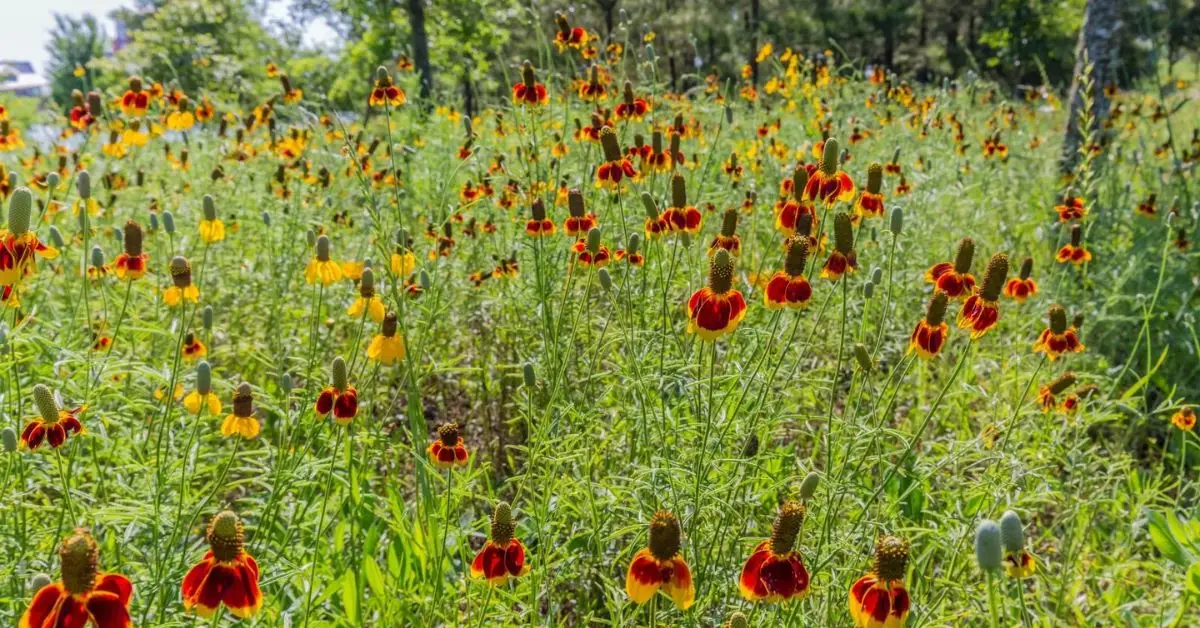
Planting Mexican Hat Flowers is an exciting process, and it’s key to getting the best out of your garden. If you’re starting from scratch, it’s important to follow the right steps to ensure success from seed to bloom.
Starting from Seeds
- Cold Stratification: Before you plant your seeds, you’ll need to give them a cold treatment for about 2–4 weeks. This mimics the natural process and helps break seed dormancy. You can store the seeds in the fridge in a moist paper towel to speed up the process.
- Germination: Once stratified, your seeds will begin to germinate in 68–86°F (20–30°C) conditions. The best part? Germination usually happens within 2 days—you don’t have to wait long! This fast start will help your plants get off to a strong beginning. Just like expert growers suggest, these seeds are quick to sprout when the conditions are right.
- Sowing Depth: When you’re ready to plant the seeds, make sure to lightly cover them with soil, just enough to protect them while they sprout. Thin seedlings to about 12–24 inches apart once they’re large enough. This gives them enough space to grow and bloom without overcrowding.
Transplanting and Spacing
- Transplanting: After the seedlings have grown large enough and the danger of frost has passed, it’s time to transplant them outdoors. Harden off the seedlings by gradually exposing them to the outdoors for a few hours a day, increasing the time each day, before planting them in their final spots.
- Spacing: To allow your Mexican Hat Flowers room to grow and spread out, be sure to maintain 12–24 inches of space between each plant. This will give them enough space to develop fully and allow air to circulate, preventing mildew or pest issues.
These steps are essential in giving your Mexican Hat Flowers the best start in life. So, let’s get planting! The process might take a little patience, but the rewards of seeing these colorful blooms thrive in your garden are well worth the effort.
Care and Maintenance
Caring for your Mexican Hat Flowers is straightforward once you know the basics. From watering to pruning, these flowers require minimal effort, making them perfect for busy gardeners or those looking for low-maintenance blooms.
Watering and Mulching
- Watering: Mexican Hat Flowers are drought-tolerant, but they still need some water to thrive. Water deeply but infrequently, letting the soil dry out between waterings. Be cautious not to overwater as it can lead to root rot. A deep watering encourages stronger root systems, making the plant more resilient.
- Mulching: Mulching is a simple yet effective way to retain soil moisture and regulate temperature, especially during hotter months. Apply a layer of organic mulch around the base of the plant, ensuring it doesn’t touch the stem. This helps keep the soil moist and cool, allowing the plant to grow optimally.
Pruning and Deadheading
- Deadheading: To keep your Mexican Hat Flowers looking their best, remove spent blooms regularly. This process, known as deadheading, encourages the plant to produce more flowers and extend the blooming period. It’s an easy way to ensure continuous color in your garden.
- Pruning: In early spring, cut back any dead or damaged stems. This helps the plant focus energy on new growth, keeping it healthy and strong throughout the growing season. Pruning encourages the plant to grow more vigorously, especially after a long winter dormancy.
Pest Management
- Common Pests: Keep an eye out for pests like aphids and Japanese beetles, which can damage your plants. While these pests are generally manageable, early detection is key to preventing damage. Regularly check the leaves, especially the undersides, for any signs of infestation.
- Control Methods: Use organic methods to control pests, like applying neem oil or manually removing bugs. Ensuring proper spacing between plants also promotes good air circulation, which can help reduce pest and disease issues. Healthy plants are more resistant to pests, so maintaining proper care is essential.
Propagation and Longevity
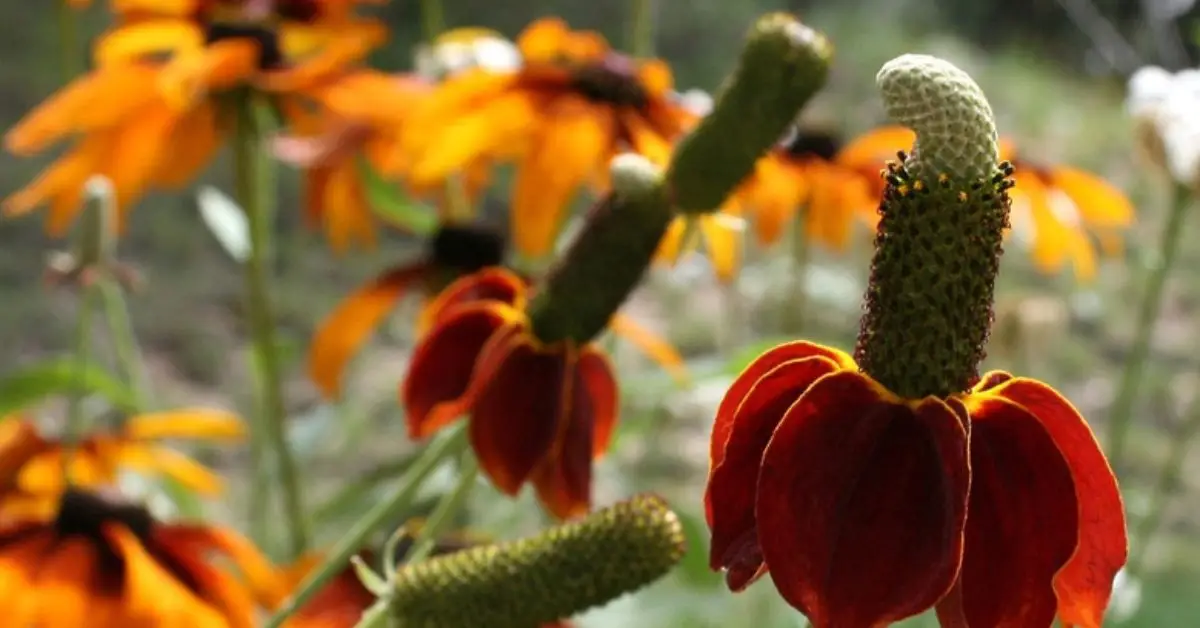
Mexican Hat Flowers are relatively easy to propagate and maintain. Understanding how they reproduce and how to extend their life in your garden will help you enjoy their beauty for years to come.
Self-Seeding and Division
- Self-Seeding: Mexican Hat Flowers are self-seeding, meaning that if you leave the seed heads to mature, they will naturally reseed themselves. Allow the seed heads to dry on the plant, then scatter the seeds where you want them to grow. This is a low-effort way to fill your garden with new plants each year.
- Division: Every 3–4 years, divide the root clumps of your Mexican Hat Flowers. This helps maintain plant vigor and encourages new growth. If the plant becomes too crowded, it can lead to poor flowering, so dividing it ensures a healthier, more robust plant.
Lifespan and Resilience
- Lifespan: While Mexican Hat Flowers are typically short-lived perennials, they can live 2–3 years in optimal conditions. If you want to keep the plant in your garden longer, focus on healthy growth and propagation methods, such as dividing the plant regularly.
- Resilience: One of the main reasons to grow Mexican Hat Flowers is their resilience. They are incredibly drought-tolerant and can adapt to a wide range of soil types. This makes them perfect for xeriscaping or any garden in a dry, arid region, where other plants may struggle. As noted by gardening experts, they thrive even in the most challenging conditions (Homes and Gardens).
These care, maintenance, and propagation tips will help you enjoy a thriving garden of Mexican Hat Flowers, making your garden both beautiful and sustainable. Whether you’re just starting out or looking to expand your collection, these flowers are sure to be a standout in your landscape.
Sure! Here are all three sections with the changes applied, including the natural integration of the external link:
Attracting Pollinators and Wildlife
Mexican Hat Flowers aren’t just beautiful; they play a crucial role in attracting and supporting a wide variety of pollinators and wildlife.
- Pollinators: These vibrant flowers are a favorite among bees, butterflies, and hummingbirds, which makes them an excellent choice for enhancing your garden’s pollination activity.
- Wildlife Support: Once the blooms fade, the seeds provide a valuable food source for small birds, making these plants not just pretty, but also an important part of the local ecosystem. For tips on how to keep plants alive during a heatwave, check out our guide on keeping your garden thriving through the hottest months.
Companion Plants and Garden Design
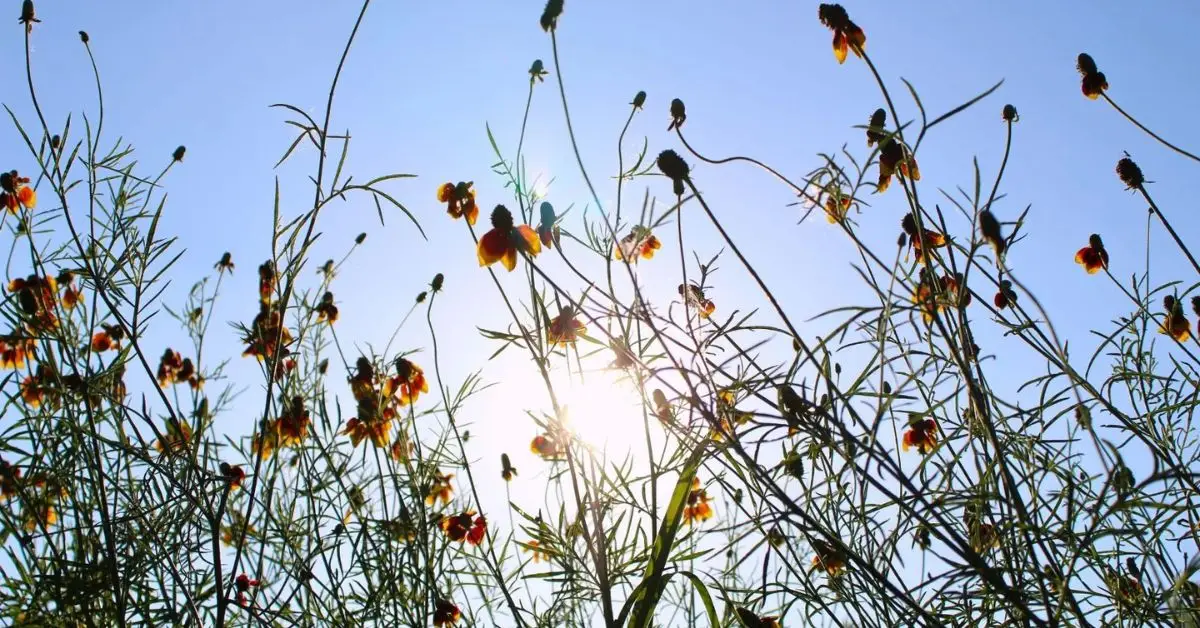
Mexican Hat Flowers are not only beautiful on their own but can also enhance the beauty of other plants in your garden.
- Companion Plants: They pair wonderfully with Black-eyed Susan, Little Bluestem, and Purple Coneflower, creating a stunning, natural aesthetic in your garden. Choosing the right companion plants is key, but understanding how to prune your roses for optimal health can also be an important factor in maintaining a beautiful, balanced garden. Understanding how to prune your roses for optimal health can also be an important factor in maintaining a beautiful, balanced garden.
- Garden Design: These flowers are perfect for wildflower meadows, xeriscaping, and pollinator gardens. Their resilience to dry conditions makes them an ideal choice for low-maintenance gardens. As gardening experts from The Spruce suggest, incorporating these flowers into your garden design can help create a sustainable, wildlife-friendly space.
Quick Care Checklist
For a quick reference on how to keep your Mexican Hat Flowers flourishing, here’s a simple checklist:
- Sunlight: Ensure they get full sun exposure for at least 6–8 hours per day.
- Soil: Well-drained soil is key. Slightly alkaline soils are preferred for healthy growth.
- Watering: Water deeply but infrequently, as this helps promote strong root growth and prevents overwatering, which can be harmful to your Mexican Hat Flowers. For more tips on watering, The Spruce offers great advice on maintaining the right balance.
- Mulching: Apply mulch around the base to help retain moisture and regulate soil temperature.
- Pruning: Regularly deadhead spent blooms and prune in spring to promote new growth.
- Pest Control: Keep an eye out for aphids and beetles. Regularly check the plant to prevent infestations.
If you’re also dealing with tomato plant problems, addressing those early on will keep your entire garden healthier, which complements the needs of your Mexican Hat Flowers. If you’re also dealing with tomato plant problems, addressing those early on will keep your entire garden healthier, which complements the needs of your Mexican Hat Flowers.
Conclusion
Mexican Hat Flowers are a vibrant addition to drought-tolerant gardens, offering both beauty and ecological benefits with minimal maintenance. Whether you’re looking to enhance the biodiversity of your garden or just want a low-maintenance, stunning plant, these flowers are a fantastic choice. Their resilience and ability to thrive in tough conditions make them perfect for any garden, especially in areas where water conservation is key.
Are you already growing Mexican Hat Flowers in your garden, or are you planning to add them? Share your experiences or any tips you have in the comments below!
For more helpful gardening tips, visit Plant Care Dairy and explore our latest articles and guides.
Disclaimer: The information provided in this article is for general gardening guidance only. Individual results may vary based on climate, soil conditions, and local environment. Always consider consulting a professional gardener or horticulturist for personalized advice.