
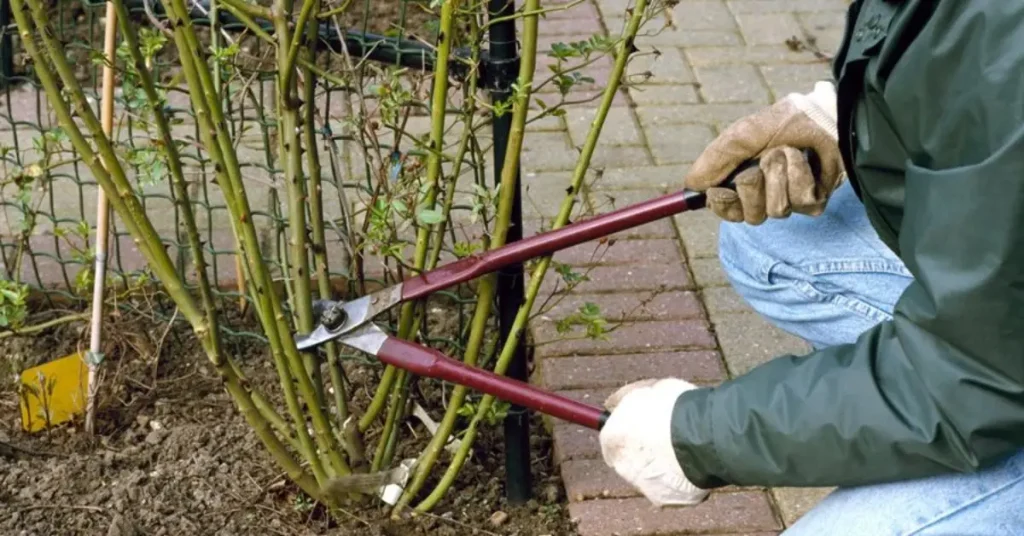
I still remember the first time I held a pair of pruning shears, staring at my overgrown rose bush and wondering where to even begin. Roses can be beautiful, but without proper pruning, they often look messy, produce fewer blooms, and become more prone to disease. That’s why learning how and when to prune roses isn’t just a gardening task—it’s a skill that transforms your garden.
When you prune correctly, you’re not just shaping the plant—you’re encouraging stronger stems, more flowers, and healthier growth. And trust me, nothing beats the feeling of seeing a once-lanky rose bush burst into a lush, flower-filled spectacle. In this guide, I’ll walk you through the exact timing, tools, and techniques you need, along with practical tips that go beyond generic advice. By the end, you’ll feel confident snipping your way to a thriving rose garden.
When to Prune Roses – Timing is Everything
Understanding Dormancy and Growth Cycles
When I first learned about rose pruning, I realized that timing is everything. Roses have natural dormancy periods, usually during the colder months, when their growth slows down. Pruning during this phase actually helps the plant focus its energy on healthy new growth once the weather warms up.
Here’s what you should keep in mind:
- Late winter or early spring is typically the ideal time to prune, just before the plant breaks dormancy.
- Pruning too early may risk frost damage, while pruning too late can reduce flower production.
- Roses respond differently depending on local climate and seasonal changes, so it’s worth observing your own garden closely.
For more details on pruning times and growth cycles, I often refer to this helpful guide from The Spruce that explains timing for various climates.
Signs It’s Time to Prune
You don’t always have to wait for a calendar date—your rose bush gives you signals. I look for these signs before picking up my shears:
- Swelling buds: Indicates the plant is about to start new growth.
- End of frost season: Ensures your cuts won’t be damaged by cold weather.
- First signs of new shoots: Shows the plant is ready to put energy into fresh stems and flowers.
Paying attention to these natural cues ensures you’re pruning at just the right moment for maximum blooms.
How to Prune Roses – Step-by-Step Guide

Essential Tools for Pruning
Before you start, I always make sure I have the right tools. Using proper equipment makes the process safer and more effective:
- Sharp pruners for smaller stems
- Loppers for thicker branches
- Protective gloves to avoid thorns
- Disinfectant to clean tools and prevent spreading disease
Having these tools ready saves frustration and ensures clean cuts that help your roses thrive.
Pruning Techniques
Once you’re ready, I follow these simple techniques to keep my roses healthy and productive:
- Correct cutting angles: I cut stems at a 45° angle, just above an outward-facing bud, so new growth opens away from the center.
- Remove dead, diseased, or crossing branches: This improves air circulation and prevents disease from spreading.
- Don’t over-prune: I aim to keep the bush balanced and allow enough healthy stems for flowering.
If you want detailed step-by-step visuals, Better Homes & Gardens has a great guide that shows proper cuts and techniques.
Pruning Different Types of Roses
Not all roses are the same, and I always adjust my approach depending on the variety:
- Hybrid teas: Usually pruned hard to encourage big blooms.
- Floribundas: I remove only about one-third of growth to maintain shape.
- Climbers: Focus on training canes along supports, removing old or weak stems.
- Shrub roses: Light pruning works best to keep a natural, bushy appearance.
By recognizing the type of rose you’re working with, you can give each plant exactly what it needs to flourish.
Aftercare – Nurturing Your Roses Post-Pruning

Fertilization and Mulching
After pruning, I always focus on helping my roses bounce back stronger. This is where proper fertilization and mulching play a huge role:
- Balanced Fertilizer: I apply a rose-specific fertilizer or a balanced NPK fertilizer to provide essential nutrients for recovery and flowering.
- Organic Options: Compost, well-rotted manure, or organic rose feed not only enrich the soil but improve its texture and moisture retention.
- Mulching: I spread a 2–3 inch layer of organic mulch around the base of each plant. This helps:
- Retain soil moisture
- Prevent weed growth
- Regulate soil temperature during seasonal changes
- Timing: I usually fertilize a few days after pruning, giving the plant a little time to recover from the initial stress.
For detailed guidance on pruning and caring for English shrub roses, I often refer to this David Austin Roses guide. It’s practical and easy to follow.
Watering and Monitoring
Pruning is stressful for roses, so watering and monitoring become crucial in the first few weeks:
- Deep Watering: I water deeply 1–2 times a week depending on rainfall and temperature, ensuring the roots get enough moisture.
- Check Soil Moisture: I stick my finger 1–2 inches into the soil. If it feels dry, it’s time to water.
- Signs of Stress: Watch for:
- Wilting leaves
- Yellowing or browning foliage
- Slow growth or weak shoots
- Pest and Disease Watch: Regularly inspect for black spots, aphids, or powdery mildew. Early detection prevents bigger problems.
With attentive watering and observation, you can make sure your roses recover quickly and thrive throughout the season.
Common Pruning Mistakes to Avoid
Over-Pruning

Over-pruning is a mistake I see gardeners make often. It can weaken the plant and reduce flowering:
- Risk: Removing too much foliage at once stresses the plant.
- How I Avoid It:
- Remove no more than one-third of the bush at a time.
- Focus on dead, diseased, or crossing branches first.
- Step back frequently and check the bush’s shape before making final cuts.
Incorrect Cutting Angles
Cutting at the wrong angle can lead to water settling on the cut, increasing the risk of disease:
- Technique: Always cut at a 45° angle, just above an outward-facing bud.
- Benefit: Encourages new growth to grow outward, improving air circulation.
- Tool Tip: I use sharp, clean pruners to make precise cuts that heal quickly.
Neglecting Dead or Diseased Wood
Dead or diseased wood can sap energy from your rose plant and spread infections:
- Why It Matters: Ignoring these parts allows pests and diseases to attack healthy growth.
- My Approach:
- Remove any dead or weak stems immediately.
- Dispose of diseased cuttings away from the garden.
- Sanitize tools between plants to prevent spreading infection.
By following these simple steps, I keep my roses healthy, productive, and blooming beautifully all season.
Enhancing Rose Growth with Proper Care
Seasonal Care Tips
I’ve learned that roses respond best when I adjust my care based on the seasonal changes. Here’s how I handle it throughout the year:
- Spring:
- Apply a balanced fertilizer to encourage new growth.
- Keep an eye on emerging buds and remove any weak shoots.
- Summer:
- Water deeply during hot spells to prevent stress. For more ways to protect and nourish your garden during the hot months, check out these 10 late-summer gardening tips every gardener should know.
- Deadhead spent blooms regularly to encourage continuous flowering.
- Autumn:
- Reduce fertilization as growth slows.
- Begin light pruning to prepare for dormancy.
- Winter:
- Protect roots with a thick layer of mulch.
- Prune only if necessary, avoiding frost-damaged areas.
Adjusting your care like this ensures your roses look healthy and produce more blooms year-round.
Companion Planting and Pest Management

I’ve also found that strategic companion planting and proactive pest management make a big difference in garden health:
- Companion Plants:
- Planting marigolds, lavender, or garlic nearby helps repel pests naturally.
- Herbs like thyme or basil can attract beneficial insects. If you want to expand your gardening indoors too, these 5 smart tips for growing herbs indoors are a great starting point.
- Pest Monitoring:
- Check leaves regularly for aphids, spider mites, or black spot.
- Use organic sprays or insecticidal soap when needed to avoid harming pollinators.
- Encourage Pollinators: Bees and butterflies help increase flower production while keeping the garden lively.
By combining seasonal care with smart companion planting, I keep my roses thriving and low-maintenance without relying heavily on chemicals.
Let Your Roses Shine – It’s Your Turn to Prune and Care
Pruning and caring for roses doesn’t have to feel intimidating. When you understand the timing, tools, and techniques, your garden can transform into a lush, flower-filled haven. I’ve shared the steps I follow, from pruning the right way to nurturing your roses after the cut, all based on tried-and-tested methods and expert guidance.
Now it’s your turn! Try these tips in your garden, and watch your roses reward you with vibrant blooms and healthy growth. And if you want to bring greenery inside as well, explore these 7 soil-free indoor plants that will beautify your home.
I’d love to hear about your experience:
- What’s your favorite pruning tip?
- Which rose variety do you enjoy growing the most?
Drop your thoughts in the comments below—I always enjoy reading and responding to fellow plant lovers.
For more expert gardening tips, care guides, and practical advice, visit Plant Care Dairy and keep your garden thriving all year round.
Disclaimer: The information provided in this article is for general gardening guidance. Results may vary depending on your local climate, soil, and rose varieties. Always use caution when handling tools and chemicals, and consult a local gardening expert if needed.