

Late summer in the garden feels like a gentle pause between the frantic rush of midsummer and the cooler calm of fall. The scorching heat starts to ease, but your garden still needs plenty of care to stay healthy and productive.
Over my 20+ years of gardening, I’ve realized that the work you put in during this phase can make a huge difference. It’s not just about maintenance; it’s about setting your garden up for success in the coming months. Whether it’s nourishing the soil, pruning wisely, or planning your next planting, every step counts.
In this article, I’ll share 10 practical late summer gardening tips that I’ve seen work time and again for gardeners. These tips aren’t complicated—they’re doable, effective, and tailored to help your garden thrive as the seasons change.
So, if you want to keep your plants strong, extend your harvest, and enjoy a beautiful garden well into fall, keep reading. I promise these ideas will make your gardening life easier and more rewarding.
1. Refresh Soil Nutrients with Compost & Mulch
By late summer, I’ve often noticed my garden soil starts feeling tired—and if you’ve been gardening for a while, you might see the same. After months of growing, plants have sucked up a lot of nutrients, leaving the soil depleted. If you don’t refresh it now, your plants won’t get the energy they need to stay healthy and keep producing.
Here’s what I do to bring the soil back to life:
- Apply a 2-inch layer of compost: Compost is like a superfood for your soil. It adds organic matter, feeds beneficial microbes, and improves soil texture. For even better soil health, you can also explore how wood ash benefits plants and what to avoid when using it.
- Cover with mulch: Mulch helps keep moisture locked in, so you don’t have to water as often. It also suppresses weeds that compete with your plants for nutrients.
Doing this not only helps your current plants bounce back but also preps your garden for a strong finish to the growing season. Plus, healthy soil means healthier plants next year too.
Actionable tip: When you’re ready, spread that compost evenly over your garden beds, then top it with mulch like shredded leaves, straw, or bark chips. Your plants will thank you!
2. Deadhead & Prune for Continued Blooms
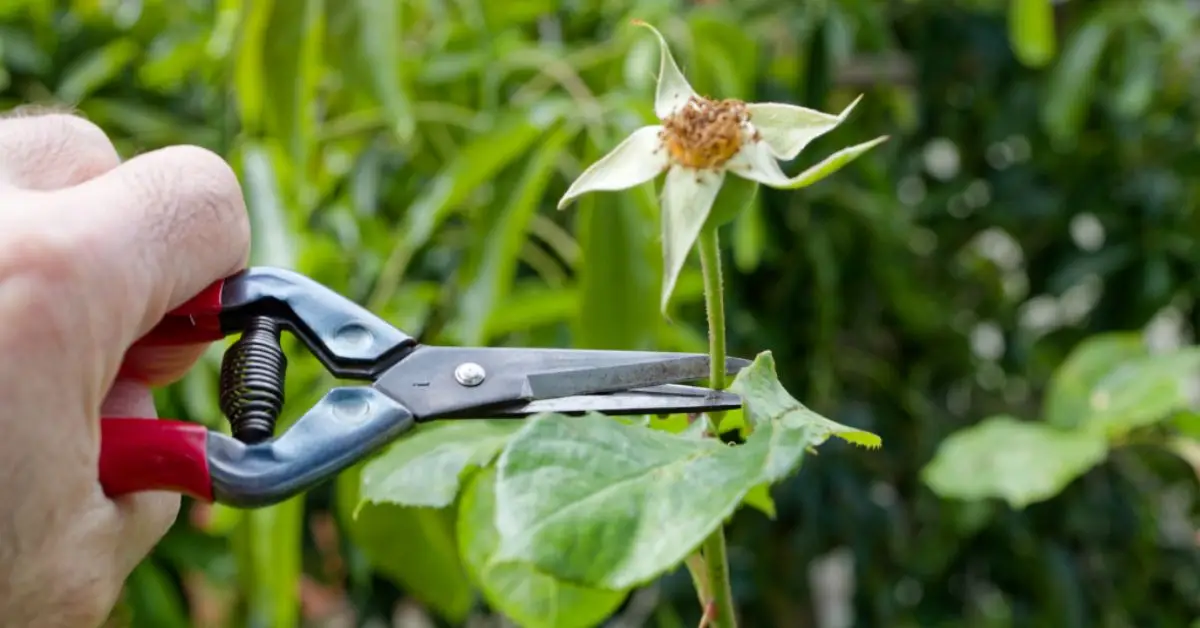
If you love seeing your garden full of flowers, I’ve got a simple trick for you: don’t let those spent blooms stick around. When flowers fade and you leave them on the plant, the plant shifts its energy from making new flowers to producing seeds. That means fewer flowers for you to enjoy.
Here’s how I keep my garden blooming longer:
- Deadhead regularly: That means pinching or snipping off the old flowers just as they start to fade. This little act tells your plants, “Keep flowering, not seeding!”
- Prune leggy growth: Sometimes plants get a bit wild and scraggly. Trimming back those long, leggy stems helps encourage fresh, compact growth and more blooms.
You don’t need to do this every day—once every week or two works great. I find this routine keeps my garden looking vibrant and alive when others start to fade.
Actionable tip: Grab your pruning shears or just use your fingers, and go flower by flower. It’s a quick step that pays off in beautiful color and more life.
3. Divide Perennials to Promote Vigorous Growth
If you’ve got perennials in your garden, you might notice after a few years they start looking crowded or less lively. I’ve seen this happen many times. Dividing these plants every 3 to 4 years is one of the best ways to keep them healthy and growing strong.
Why? Overcrowded plants compete for nutrients and space, which can make them weaker and more prone to diseases. When you divide them, you give each section room to breathe and thrive again.
Here’s what I do:
- Dig up the clump carefully without damaging roots.
- Use a sharp spade or knife to split the plant into smaller sections.
- Replant each section with some fresh soil and water well.
It’s a bit of effort, but the boost your garden gets is worth it. You’ll see more vigorous growth, better blooms, and a healthier overall garden.
Actionable tip: Try to divide your perennials on a cool day in late summer or early fall to reduce stress on the plants.
4. Transition to Fall-Friendly Herbs
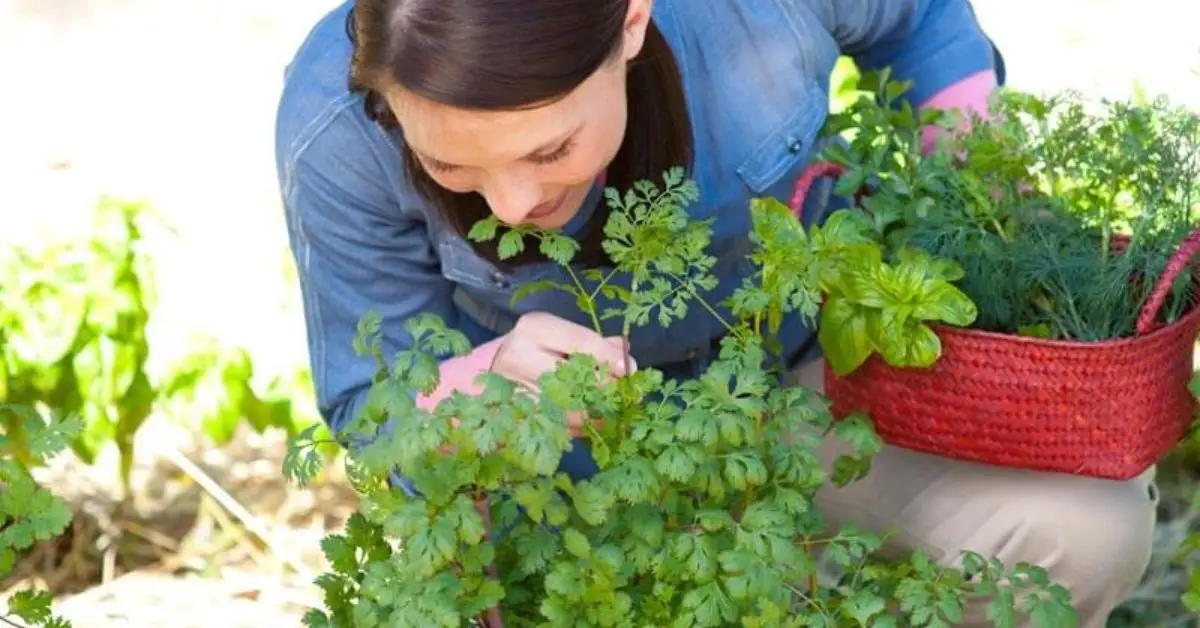
Late summer is the perfect time to start thinking about fall herbs. I always switch gears here because some herbs actually love the cooler weather. Herbs like cilantro, dill, and parsley do best when temperatures drop, so planting them now can extend your fresh herb harvest well into autumn. If you want to keep your herbs growing indoors during colder months, these smart tips for growing herbs indoors can help you maintain a thriving kitchen garden.
What you want to do is:
- Plant seeds or young transplants of these cool-season herbs in your garden or containers.
- Choose a spot that gets some afternoon shade to protect them from lingering heat.
- Keep the soil moist but not soggy to help them establish quickly.
I found that making this transition smoothly means you won’t have to rely on dried herbs later, and your kitchen stays stocked with fresh flavors.
For more on the best herbs to plant in late summer and fall, check out this helpful guide from Sunset Magazine.
Actionable tip: Start seeds indoors if you don’t have space outside, then move the seedlings out once the weather cools.
5. Extend the Harvest Season
If you want to enjoy fresh, homegrown veggies longer, extending your harvest season is a game-changer. I’ve noticed that without some protection, early frosts can quickly end the growing season, cutting your yields short.
Thankfully, there are simple ways to push your garden’s productivity well into fall. Using season extension tools like row covers, cold frames, or hoop houses creates a shield against cold nights, keeping plants safe and healthy.
Here’s how you can do it:
- Use lightweight row covers to trap heat and protect tender plants from frost.
- Build or buy a cold frame—these mini-greenhouses are perfect for seedlings and young plants.
- Hoop houses, which are like tunnels over garden beds, create a warm microclimate that lets you grow even longer.
I usually start setting these up as soon as night temperatures hover near 50°F to give my plants the best chance to keep producing.
Actionable tip: Keep a close eye on the weather forecast in late summer and prepare your season extenders before the first cold snap hits.
6. Refresh Container Gardens for Fall

Containers are a fantastic way to add bursts of color and interest to your outdoor spaces. But by late summer, the summer annuals often look tired or are starting to fade. I always find that refreshing container gardens with fall-appropriate plants brings back that vibrant energy.
Fall bloomers like mums and pansies thrive in cooler weather and keep your patio or porch lively when summer plants fade away.
Here’s my go-to process:
- Gently remove any spent or dying summer plants without damaging the container.
- Add fresh potting soil or some compost to replenish nutrients.
- Plant cool-season flowers like chrysanthemums, pansies, or ornamental kale.
- Water well and place containers where they get morning sun but some afternoon shade.
Refreshing your containers this way is quick and gives you weeks of added color and charm.
Actionable tip: Choose plants that are labeled for fall or cool-weather planting to ensure they’ll thrive as temperatures drop.
7. Plan for Fall Planting
Late summer is the perfect time to get a jumpstart on your fall garden. I always recommend planting cool-season crops now because they can grow steadily as temperatures cool down, giving you fresh produce right when summer veggies are done.
Vegetables like lettuce, kale, spinach, and radishes are favorites—they grow fast and handle the cooler weather well.
Here’s how I approach fall planting:
- Find a sunny spot in your garden with well-draining soil.
- Plant seeds or transplants of cool-season crops.
- Keep the soil consistently moist until seedlings are established.
- Use row covers if frost is expected early to protect your plants.
Getting your fall crops in now means you won’t have to wait until spring for fresh greens again.
For a detailed planting calendar and tips on what to plant when, check out this excellent guide from The Old Farmer’s Almanac.
Actionable tip: Plan your fall garden in sections—start with fast-growing crops like radishes, then plant leafy greens a bit later to keep the harvest going.
8. Monitor for Pests & Diseases
Late summer is when pests and diseases often become more active in the garden. I’ve found that catching these problems early can save a lot of trouble later on. If you ignore small signs, infestations can spread fast and cause damage that’s hard to fix.
Here’s how I keep an eye on my plants:
- Look closely at leaves and stems for holes, discoloration, or spots.
- Check underneath leaves and near the soil where bugs like to hide.
- Identify pests or diseases early so you can pick the right treatment—whether it’s organic sprays or natural remedies.
Making pest checks a weekly habit helps me stay ahead without stressing too much.
Actionable tip: Keep a notebook or app handy to track any pest sightings and treatments you try.
9. Mulch to Conserve Moisture

As the weather starts to cool but the sun is still strong, watering can be tricky. When temperatures soar, knowing how to keep plants alive during a heatwave becomes crucial to protect your garden from stress. I rely on mulch as my garden’s moisture saver. It works like a cozy blanket that keeps the soil damp and temperature steady, which plants love.
Mulching also stops weeds from stealing water and nutrients from your plants.
Here’s my simple mulch routine:
- Spread a 2-inch layer of organic mulch like shredded leaves, straw, or bark around your plants.
- Keep mulch a few inches away from plant stems to avoid rot or pests.
- Refresh the mulch layer if it gets thin or blown away by wind.
This small step saves you watering time and keeps your plants healthier as the season cools.
Actionable tip: Try to use locally sourced organic mulch—it supports your garden ecosystem better than synthetic materials.
10. Harvest Summer Crops Promptly
One of the best ways to keep your garden productive and healthy is by harvesting your summer fruits and veggies as soon as they’re ready. I’ve seen that leaving produce on the plant too long can attract pests and cause the plant to slow down production.
Picking promptly means you get the best flavor and encourage the plant to keep making more.
Here’s what works for me:
- Check your garden every couple of days for ripe fruits and vegetables.
- Learn how to recognize when each crop is perfectly ripe—color, size, firmness all matter.
- Harvest carefully to avoid damaging the plants or unripe produce.
If you end up with extra, consider sharing with friends or preserving it through freezing or canning to enjoy later.
Actionable tip: Set a regular harvesting schedule to keep your garden in top shape and avoid waste.
Wrapping Up: Make the Most of Your Late Summer Garden
Late summer is one of the most important times in your gardening calendar. It’s the perfect window to prepare your garden for a successful fall season. By applying these 10 essential tips, you’re giving your plants the care they need to stay strong, healthy, and productive as the weather changes.
From refreshing soil nutrients to timely harvesting, each step helps you extend your growing season and enjoy a richer, more bountiful harvest. I’ve found that a little extra attention now pays off big when cooler days arrive.
Remember, gardening is a journey, and late summer is your chance to set the stage for continued growth and beauty.
What late summer gardening tip do you find most useful? Or do you have a secret trick to share? Drop your thoughts in the comments below—I’d love to hear from you!
For more expert advice and gardening inspiration, visit Plant Care Dairy—your trusted companion for all things gardening.
Happy gardening, and here’s to a thriving garden all season long!