

I don’t know about you, but I spend a huge part of my day indoors—at home, in the office, or even in cafes. And honestly, the quality of the air we breathe inside often gets overlooked. It’s not just about fresh air outside; indoor air can be packed with dust, chemicals, and pollutants that quietly affect our health.
That’s why I’ve always believed in adding a simple, natural solution to my space: easy-to-care indoor plants. These green companions don’t just brighten up a room—they actively help clean the air you breathe. And the best part? You don’t have to be a plant expert or spend hours caring for them.
In this article, I’ll share the easiest indoor plants that improve air quality without demanding much attention. If you’ve been thinking about freshening up your space with plants but worried about maintenance, I promise this guide will make it straightforward and enjoyable.
Best Low-Maintenance Plants That Purify the Air
If you’re like me and want cleaner air without spending hours on plant care, these indoor plants are your best friends. Not only do they remove harmful toxins from the air, but they also require very little effort to keep alive. NASA’s Clean Air Study even backs these plants as some of the most effective air purifiers you can have at home. Let me walk you through the top picks that work great and won’t stress you out.
1. Spider Plant (Chlorophytum comosum)
Spider plants are a favorite for beginners—and for good reason. They filter out toxins like formaldehyde, xylene, and toluene from your indoor air. What I like most is how easy they are to grow—they thrive in indirect sunlight and tolerate a wide range of temperatures.
- Benefits: Removes formaldehyde, xylene, and toluene
- Care: Indirect sunlight, moderate watering, adaptable to temperature
- You can check out NASA’s Clean Air Study on this here.
2. Snake Plant (Sansevieria trifasciata)

If you want a plant that pretty much takes care of itself, snake plant is your go-to. It tackles formaldehyde, benzene, xylene, toluene, and nitrogen oxides effectively. It doesn’t mind low light and you don’t need to water it often. Honestly, it’s perfect if you’re busy or new to plants.
- Benefits: Removes a range of pollutants including formaldehyde and benzene
- Care: Tolerates low light and infrequent watering
- Pro tip: It’s one of NASA’s top picks for air purification.
3. Peace Lily (Spathiphyllum)
Peace lilies look stunning with their white flowers, but their real power lies in cleaning indoor air. They remove formaldehyde, benzene, trichloroethylene, xylene, and ammonia. You’ll need to keep their soil consistently moist and place them in indirect light—but trust me, the extra care is worth it for the air quality boost.
- Benefits: Filters out a wide range of toxins including ammonia
- Care: Prefers consistently moist soil and indirect sunlight
- More care tips: Garden Health offers great advice here.
4. Aloe Vera (Aloe barbadensis miller)
Most people know aloe vera for its skin benefits, but it’s also great for your indoor air. It removes formaldehyde and benzene effectively. Aloe prefers bright, indirect sunlight and only needs watering occasionally—so it’s pretty low fuss. Plus, it’s handy to have around if you ever need a natural remedy for minor cuts or burns.
- Benefits: Removes formaldehyde and benzene
- Care: Bright indirect light, infrequent watering
5. ZZ Plant (Zamioculcas zamiifolia)
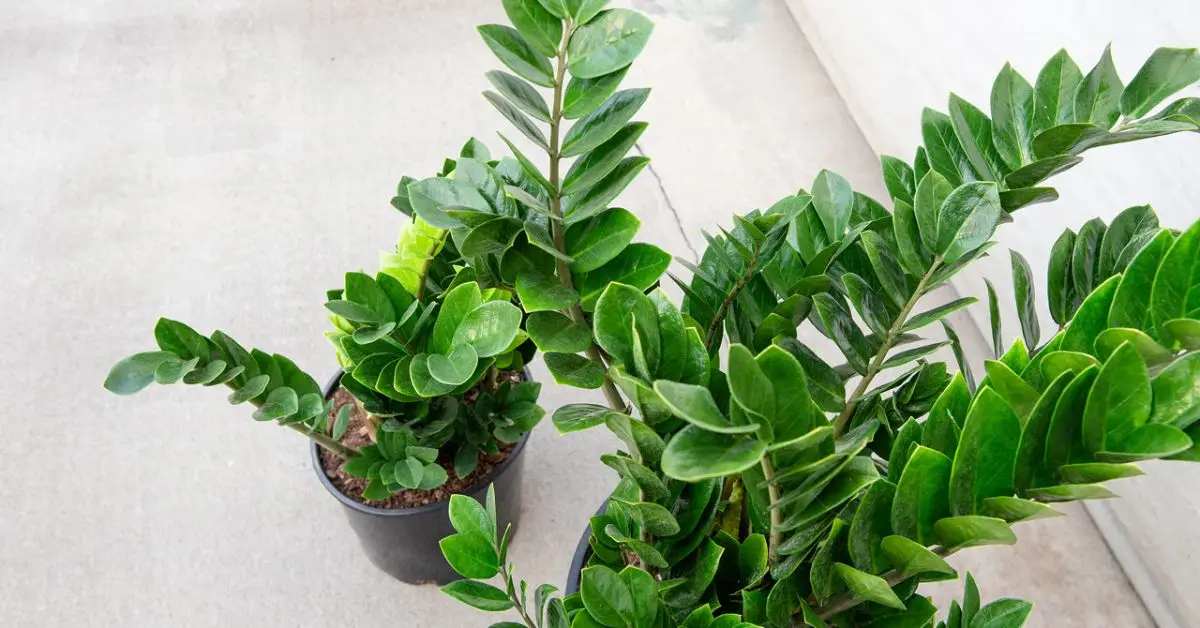
The ZZ plant is a true survivor—it tolerates drought and low light better than most. It absorbs toxins like xylene, toluene, and benzene. I’ve found it perfect for darker corners of my home where other plants struggle.
- Benefits: Absorbs xylene, toluene, and benzene
- Care: Low light tolerant and drought-resistant
6. Boston Fern (Nephrolepis exaltata)
Boston ferns are fantastic if you want a plant that improves humidity as well as cleans the air. They love indirect light and higher humidity, so placing them in your bathroom or kitchen works really well. They help remove formaldehyde and other indoor pollutants too.
- Benefits: Removes formaldehyde and boosts humidity
- Care: Prefers high humidity and indirect light
7. Calathea (Calathea spp.)

Calatheas are beautiful plants known for their patterned leaves and ability to regulate indoor humidity. They thrive in humid spots like bathrooms or kitchens and help purify the air around them. If you want a plant that’s as visually appealing as it is functional, Calathea is a great choice.
- Benefits: Regulates humidity and purifies air
- Care: Thrives in humid, indirect light
The Mechanism Behind Air Purification by Plants
You might have heard that plants make the air fresher, but have you ever wondered how they actually do it? Understanding the science behind it can help you appreciate these green wonders even more—and make better choices for your space. Here’s the lowdown on how plants purify the air indoors:
1. Photosynthesis: Breathing New Life Into Your Space
At its core, plants take in carbon dioxide from the air and release oxygen through photosynthesis. This simple process naturally boosts the oxygen levels in your home, making the air feel fresher and easier to breathe. It’s like having a mini oxygen factory right in your living room!
2. Absorption of Toxins: More Than Just Oxygen
Some indoor plants don’t just stop at producing oxygen—they actively absorb harmful chemicals through their leaves and roots. These toxins include formaldehyde, benzene, and ammonia, which are common in household products and furniture. Once absorbed, plants either neutralize these pollutants or store them safely, helping reduce the overall toxicity inside your home.
3. Humidity Regulation: Moisture Matters
Another way plants improve air quality is by releasing moisture back into the air through a process called transpiration. This natural humidity boost can reduce airborne pollutants and dust, making the environment more comfortable—especially in dry or air-conditioned spaces.
Simple Care Tips to Keep Your Air-Purifying Plants Thriving
I get it—sometimes keeping indoor plants alive feels like a challenge, especially when life gets busy. But honestly, with a few simple habits, you can make sure your air-purifying plants not only survive but actually thrive. Here’s what I follow, and I’m sure you’ll find it easy too.
1. Watering: Less Is More
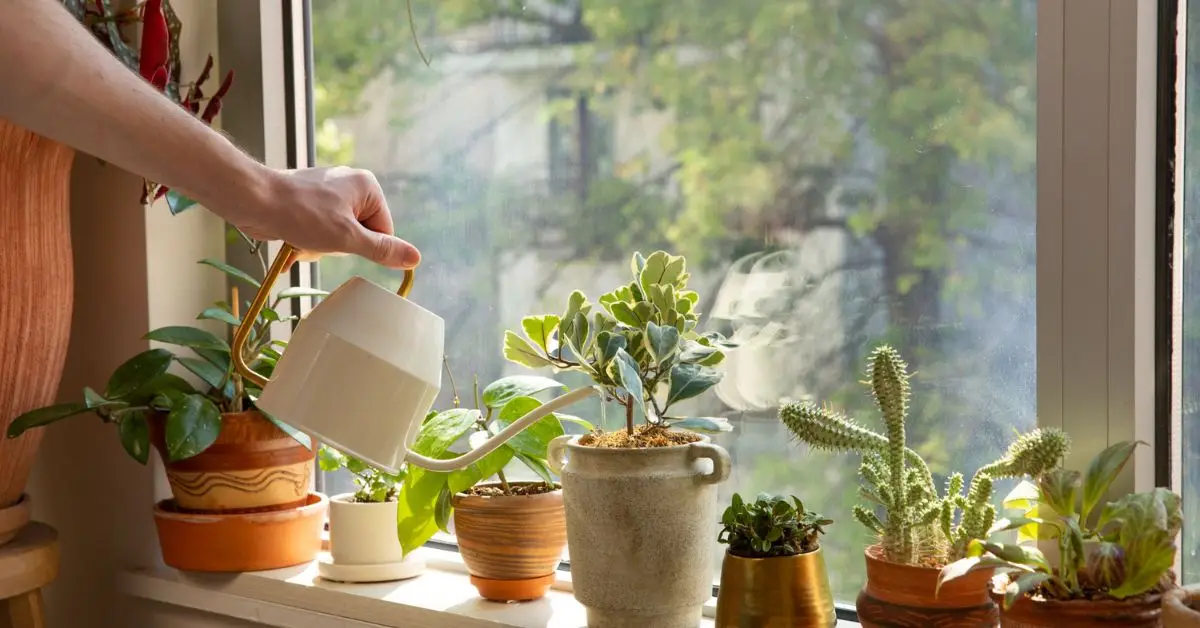
One of the biggest mistakes we make is overwatering. During hot spells, keeping your plants healthy can be a challenge — check out my guide on 5 essential tips to keep plants alive in a heatwave to help your greenery thrive. Most air-purifying plants like snake plants or spider plants prefer their soil to dry out a bit between waterings. So instead of watering on a strict schedule, check the soil with your finger—if it feels dry an inch below the surface, it’s time to water. Trust me, your plants will thank you.
2. Lighting: Find the Sweet Spot
Lighting can be tricky because not every plant likes direct sunlight. Most of the plants that clean the air prefer bright, indirect light. If you’re interested in expanding beyond air-purifying plants, you might also enjoy my guide on how to grow herbs indoors with easy, smart tips to get started. Think of placing them near windows with filtered light or in rooms that get a good amount of natural light without harsh sun rays. That way, you’re giving them what they need without risking burnt leaves.
3. Humidity: Keep It Comfortable
Some plants, like Calathea and Boston Fern, really love humidity. If you live in a dry climate or use air conditioning, try misting these plants occasionally or placing a humidity tray nearby. It’s a small step that can make a big difference in their health and their ability to purify your air.
4. Cleaning: Dust Off for Better Breathing
Have you noticed your plants looking a bit dull? Dust on leaves can block sunlight and reduce their ability to clean your air. I make it a habit to gently wipe down leaves with a damp cloth every couple of weeks. It keeps them healthy and functioning at their best. If you’re concerned about chemicals near your plants, consider these natural, plant-based pest control solutions I’ve shared here.
Trusted Sources for Purchasing Air-Purifying Plants

Finding the right plants is half the battle, and buying from reliable sources ensures you get healthy, thriving greenery that’ll actually clean your air. Here are some places I trust and recommend:
1. Local Nurseries: Support Your Community
There’s nothing like visiting a nearby garden center or nursery. You get to see the plants up close, ask questions, and often find varieties that do really well in your local climate. Plus, it supports local growers!
2. Online Retailers: Convenience at Your Fingertips
If you prefer shopping from home, I often turn to The Home Depot because they offer a solid selection of easy-to-care, air-purifying indoor plants. Their site provides helpful care details and customer reviews, which makes choosing the right plants much easier.
3. Specialized Online Stores: Curated Quality
You can also explore specialized stores focused on air-purifying plants, which often come with expert tips and stylish pots to get you started on the right foot.
Enhance Your Indoor Air Quality with Minimal Effort
Bringing easy-to-care indoor plants into your living space isn’t just about decoration—it’s a simple way to breathe cleaner air every day. These plants work quietly to remove harmful toxins and add a touch of calm to your home, all without demanding too much from you.
Honestly, you don’t need a jungle to feel the benefits. Start small—with just one or two plants—and see how they brighten your space and freshen your air. You might be surprised at how much of a difference a little green can make.
I’d love to hear about your plant journey! Whether you’re a seasoned green thumb or just getting started, share your experiences in the comments or tag me on social media. Let’s swap tips, successes, and even those funny plant fails—because growing together makes it all more fun.
For more tips and ideas on caring for your indoor plants, visit Plant Care Dairy.
Disclaimer: The information provided in this article is for educational purposes only. While we strive to share accurate and up-to-date advice, individual plant care needs may vary based on your environment. Always consult with a local plant expert or nursery if you have specific concerns or questions about your indoor plants.