
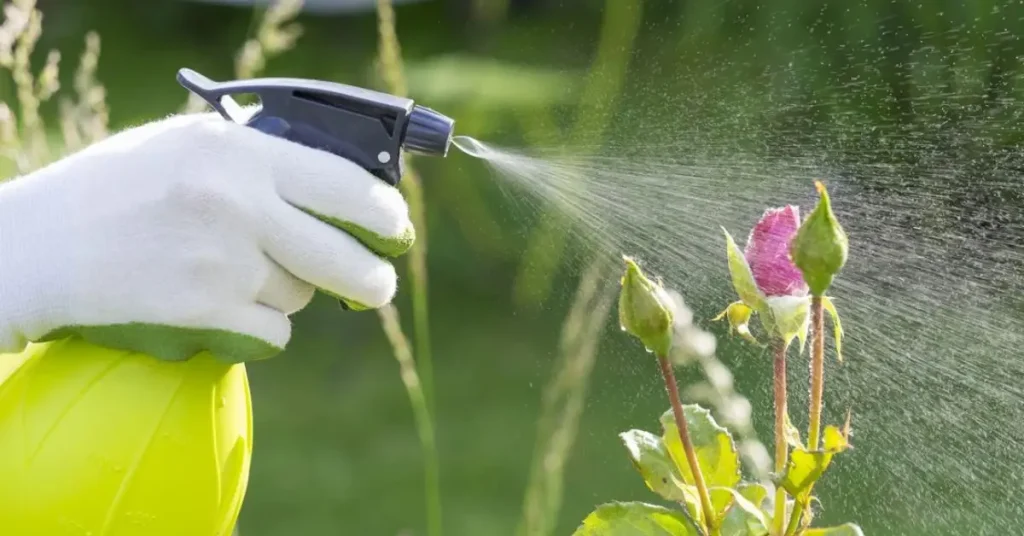
Let’s be real—when I first decided to ditch chemical pesticides, I thought switching to natural alternatives would be simple. But what I found instead was a jungle of conflicting advice, half-baked DIY sprays, and vague claims that never really worked in my garden.
If you’re here, I’m guessing you’re tired too. Tired of bugs chewing through your plants. Tired of labels you can’t pronounce. And definitely tired of wondering whether your “organic” fix is actually helping—or just giving you false peace of mind.
I’ve been through that loop. That’s why I dug into what actually works when it comes to plant-based pest solutions—not just what sounds good. What you’ll find in this guide isn’t fluff. These are 7 proven, safe, and practical methods that real gardeners (including me) trust and use. From repelling pests with common herbs to a little-known mushroom trick that’s catching fire among garden pros—this is your no-BS breakdown.
By the end, you’ll have options that are easy to try, safe for your family and pets, and backed by either science, experience—or both.
But before we get to the list—have you tried any “natural” pest fix that actually worked for you? I’d love to hear in the comments.
How Pests Find Their Hosts—and How Plants Confuse Them
Most people don’t realize this, but pests don’t randomly attack your garden. Insects are wired to follow scent trails, plant signals, and even stress markers from weak plants. That’s how they decide where to feed or lay eggs.
But plants have their own defense systems. Some give off strong-smelling oils that interfere with a pest’s ability to find them. Others grow in ways that block, distract, or repel insects. That’s where companion planting comes in—pairing certain plants together to protect the ones that matter most.
For example, basil near tomatoes can help keep whiteflies away. Marigolds confuse aphids and nematodes. Garlic, mint, and lavender all deter different types of bugs just by releasing natural compounds that pests don’t like or can’t detect properly.
Then there’s trap cropping. Instead of trying to eliminate every pest, you grow plants they prefer even more—pulling them away from your actual crops. Mustard, nasturtiums, or castor bean plants can act like decoys, taking the hit so your vegetables don’t have to.
And don’t ignore the weeds. Some so-called nuisance plants actually help by masking the scent of your food crops, creating a kind of natural camouflage.
The real goal isn’t to wipe out all the insects—it’s to make your garden less obvious and harder to target. Once you understand how pests operate, plant-based solutions stop feeling like guesses and start feeling like strategy.
Seven Proven Plant-Based Pest Solutions You Can Try Today
There’s no shortage of “natural” pest remedies floating around online. But through trial, error, and research-backed testing, these seven plant-based methods have stood out—not just for being safe, but because they actually work.
Each one is easy to try, affordable, and doesn’t need a chemistry degree to apply. Let’s break them down.
1. Aromatic Pest-Repelling Plants
If you’ve got herbs or flowers growing already, good news—you might be pest-proofing without even knowing it. These strong-smelling plants confuse or repel insects through the oils they release into the air.

Marigolds deter aphids and nematodes. Lavender pushes back moths and whiteflies. Mint and citronella are known to repel mosquitoes. And garlic? It’s one of the oldest pest deterrents used in traditional farming.
They’re also pollinator-friendly, low-maintenance, and bring beauty into your space. If you only try one solution, start here. If you’re growing herbs inside your home and want the same pest-repelling benefits, here’s a helpful guide on how to grow herbs indoors that walks you through setup, sunlight, and care.
2. Neem Oil and Soap-Based Sprays
Neem oil has been used for centuries in organic farming—and for good reason. It contains azadirachtin, a compound that interrupts insect hormones, stops reproduction, and makes pests lose their appetite.
When combined with a mild soap, it creates a spray that suffocates soft-bodied insects like aphids, mealybugs, spider mites, and even whiteflies. It also has light fungicidal properties, so it helps with mildew and black spot.
As Treehugger explains, neem oil is one of the few organic options that work across multiple pest types while remaining safe for beneficial insects.
3. Chili-Garlic and DIY Soap Sprays
If you’ve got chili powder, garlic, and dish soap in your kitchen, you’ve got everything you need for a powerful homemade bug spray.
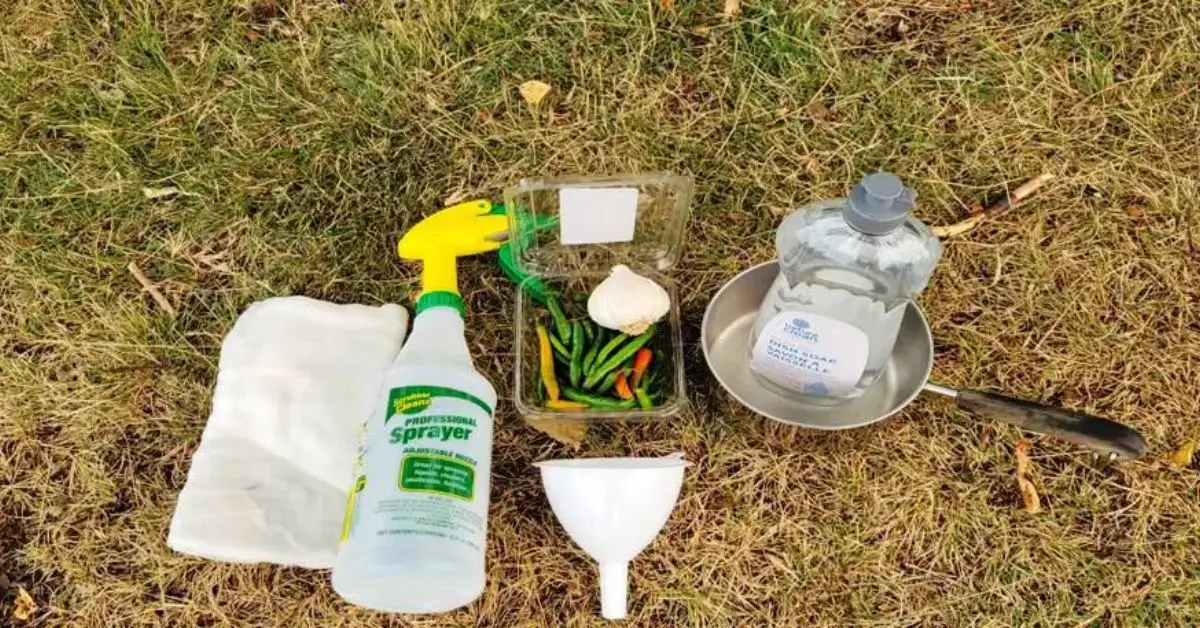
Chili and garlic work as irritants—strong enough to drive pests away without harming your plants. Add a few drops of mild liquid soap to help the spray stick to leaves and bugs alike.
This combo is especially good for caterpillars, beetles, and soft-bodied insects. Just be sure to test on a few leaves first—some sensitive plants may react.
4. Diatomaceous Earth + Vinegar Traps
Let’s talk low-tech but high-impact. Diatomaceous earth (DE) is made from crushed fossilized algae. When sprinkled on soil, it acts like microscopic razor blades to crawling insects—cutting into their bodies and drying them out.
Apple cider vinegar traps can take care of flying pests like gnats and fruit flies. Just pour some in a shallow dish with a drop of dish soap, and let it do its thing.
Together, this combo is great for indoor plants and pet-safe zones.
5. Kaolin Clay Spray
This one’s underrated. Kaolin clay forms a thin white film on plant leaves when mixed with water and sprayed. It creates a barrier that insects don’t want to land or feed on, and it also protects plants from sunburn and some diseases.
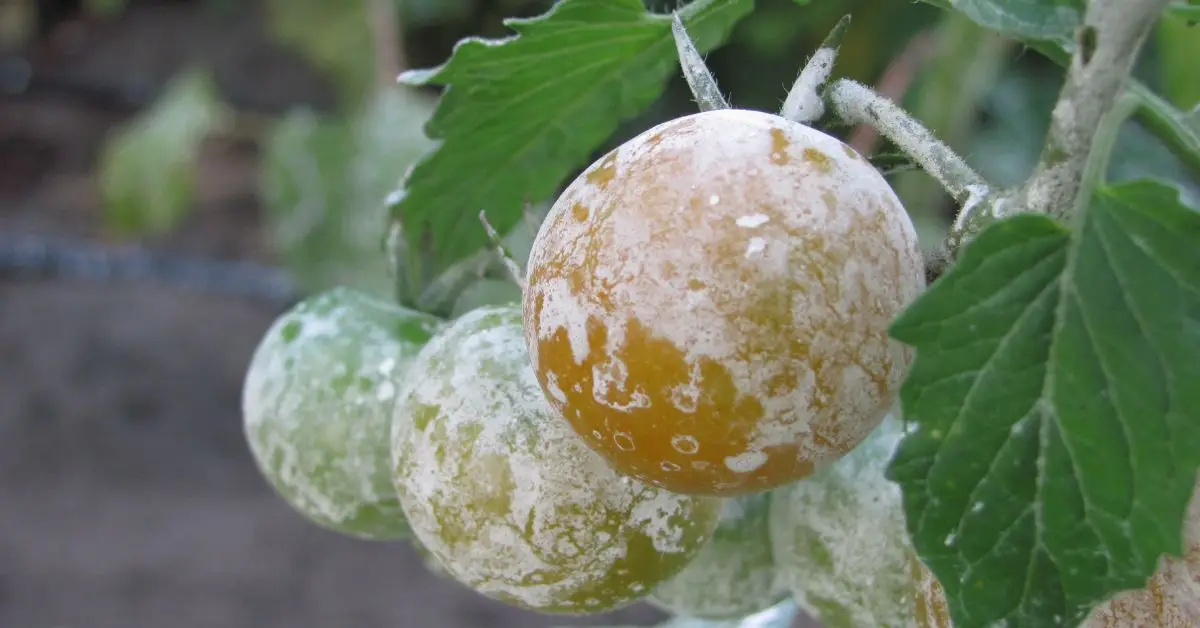
Farmers use it to reduce infestations in orchards and vineyards. In home gardens, it’s great for vegetables prone to chewing insects or disease pressure.
It doesn’t kill anything—it just makes your plants really unattractive to pests.
6. Mushroom-Based Sprays
This is one of the most surprising but exciting methods I’ve come across. Certain mushrooms—like oyster, button, and shiitake—have natural compounds that repel aphids, slugs, and beetle larvae, while being completely safe for pollinators.
As highlighted by Tom’s Guide, this method is gaining traction among gardeners who want something innovative and eco-safe.
Some make their own mushroom extract sprays, while others compost mushroom scraps into the soil for long-term benefit.
7. Trap Crops & Beneficial “Weeds”
Sometimes the best way to win is to distract. Trap crops are plants that pests love more than your actual crops. Think of it as giving the enemy a decoy.
Mustard, nasturtiums, sunflower, and castor bean are popular trap crops that draw bugs away from tomatoes, lettuce, or peppers. Just plant them at a distance and let them take the hit.
And don’t be so quick to pull out every weed. Some beneficial weeds help mask the scent of food crops, confusing pests and adding cover to your garden ecosystem.
Why “Plant-Based” Is Not Always “Harmless”
We often assume that if something’s “natural,” it’s automatically safe. But here’s the truth: plant-derived pesticides can still harm people, pets, or pollinators if misused.
Many plants produce toxins as a natural defense. For example, pyrethrins (from chrysanthemums) and rotenone (from legumes) are both plant-based but can be dangerous in high doses. Even neem oil—when overused—can affect aquatic life and sensitive insect species.
According to EPA New Zealand, natural doesn’t mean non-toxic. It all comes down to dosage, application, and timing.
So yes, plant-based is better—but only when used with care, proper dilution, and understanding of what you’re spraying.
Smart Application Tips for Safe, Effective Results
Even the best pest solution fails without smart application. Here’s how seasoned gardeners get the most out of their natural tools—without hurting their plants, soil, or pollinators.
1. Healthy Soil = Fewer Pests
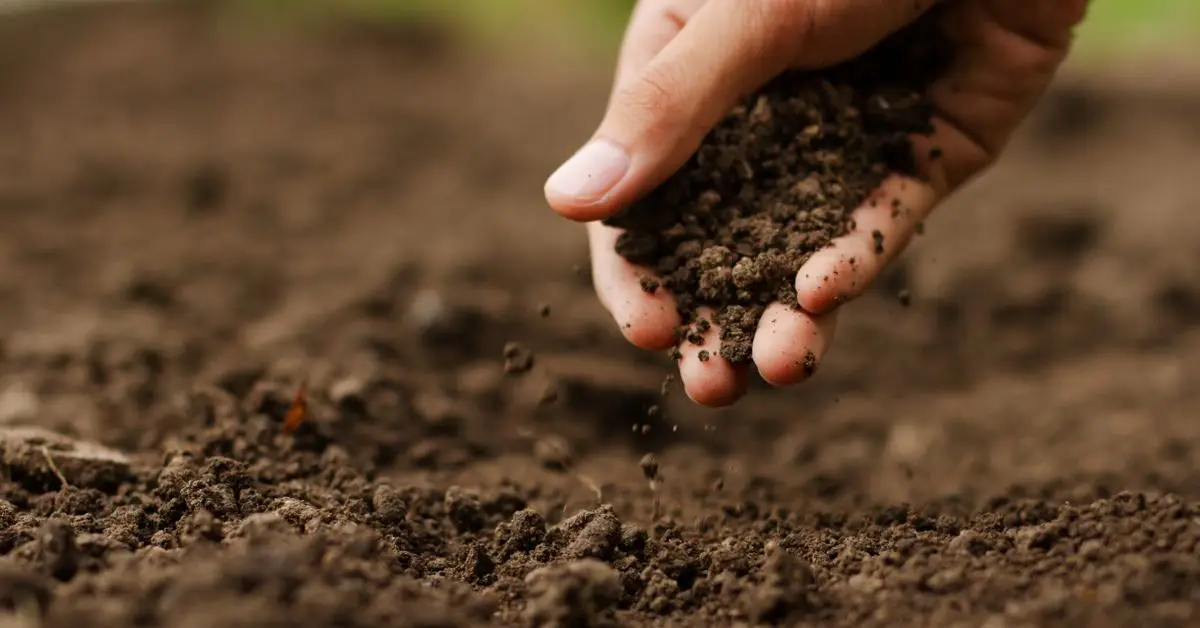
Many Reddit gardeners agree on this: strong, balanced soil naturally resists pests. Instead of constantly fighting bugs, build your soil with compost, mulch, and natural fertilizers. Healthy plants can fend off infestations better than stressed-out ones. Some gardeners even use natural amendments like wood ash to enrich the soil—if you’re curious, read more on is wood ash good for plants before applying it.
2. Spray at the Right Time
Never spray during the heat of the day—it can burn leaves and evaporate too fast. Instead, go for early morning or late evening, when the air is cooler and bees aren’t active.
This protects both your plants and the beneficial insects that keep your garden thriving.
3. Rotate Methods Often
No matter how effective one method is, don’t keep using the same spray every week. Pests adapt fast. By rotating between different solutions—like neem oil one week, garlic spray the next—you keep them guessing.
It also reduces the risk of buildup on leaves and keeps your ecosystem balanced.
Choose the Right Plant-Based Strategy for Your Garden
Not sure which natural method to use for your specific problem? Here’s a fast breakdown to help you match common pests with proven plant-based defenses.
| Pest Type | Plant-Based Strategy | Notes |
|---|---|---|
| Aphids | Marigolds, Neem Spray, Chili-Garlic Spray | Target soft-bodied pests; rotate for best results |
| Whiteflies | Lavender, Neem Spray, Mushroom-Based Spray | Avoid overwatering; morning sprays work best |
| Spider Mites | Rosemary, Neem + Soap Spray, Diatomaceous Earth | Control with humidity + direct contact sprays |
| Fungus Gnats | Vinegar Trap, Garlic Spray, Healthy Soil Practices | Let soil dry between watering |
| Slugs & Snails | Diatomaceous Earth, Oyster Mushroom Spray | Apply DE dry and reapply after rain |
| Caterpillars | Chili-Garlic Spray, Trap Crops (e.g., Nasturtium) | Hand-picking helps too; watch for eggs |
| Beetles | Neem Oil, Kaolin Clay Spray, Trap Crops | Rotate sprays weekly to prevent resistance |
| Mosquitoes | Citronella, Mint, Lavender | Use around seating areas or moist zones |
| Root Nematodes | Marigolds, Mustard Trap Crops | Rotate crops seasonally for long-term suppression |
How to use it:
Scan down the Pest Type column, find your issue, and try 1–2 of the strategies listed. Rotate and observe—nature works best when you work with it, not against it.
Your Next Steps—Real Action, Started Today
You don’t need to change your entire garden overnight. But if you’re still relying on chemical sprays or unsure what to do about pests—now’s the time to try something smarter.
Here’s what I’d suggest:
- Pick one pest you’re currently struggling with
- Choose one plant-based method from the list above
- Try it out this week—keep it simple, observe, and adjust
- Keep a small garden journal if you’re into that (it helps more than you think)
And if you’ve already been using natural methods, share what’s worked for you. What didn’t? What surprised you?
If you’re into experimenting beyond just pest control, you might enjoy this science-backed insight on can your plants thrive on music—a surprisingly calming garden practice.
Which plant-based method are you planning to try first?
Let me know—I’d love to hear how it goes. Your story might just help someone else make the switch too.
Want more natural gardening tips? Visit Plant Care Dairy for guides, tools, and updates that actually work—no fluff, no chemicals.
Disclaimer: This content is for informational purposes only. Always test natural sprays before full use and consult an expert for severe pest issues. Use all remedies responsibly, especially around kids, pets, and pollinators.