
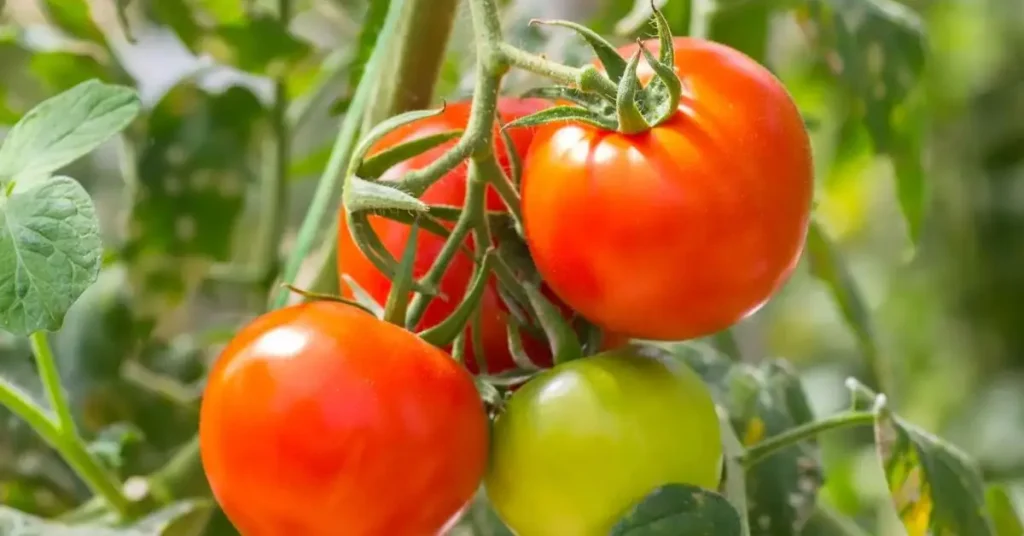
I’ve lost count of how many times this question has popped up at dinner tables, trivia nights, and even in heated online threads: “Is a tomato a fruit or a vegetable?” And honestly, I get why it keeps coming back—it sounds simple, but the answer pulls you into science, cooking, even law.
You might think it’s just a quirky fact to know. But if you cook, grow your own food, or care what goes into your body, this question matters. Because it’s not just about botany—it’s about how we think about food, how we label it, and who gets to decide what’s “right.”
In this article, I’m not just going to throw definitions at you. We’ll break it down—what the plant scientists say, how chefs treat tomatoes, and why the U.S. Supreme Court literally had to step in. No fluff, no overthinking—just real facts, useful takeaways, and maybe a new way to look at the tomato on your plate.
But first—what’s your take? Before we dive in, do you think tomatoes are fruits or vegetables? Drop your thoughts in the comments—let’s see where this goes.
Botanical Truth: A Tomato Is Technically a Fruit — a Berry
Let’s clear the confusion with plant science. In botany, a fruit is simply the part of a plant that develops from the flower’s ovary and holds seeds. Based on that, tomatoes are without question fruits.
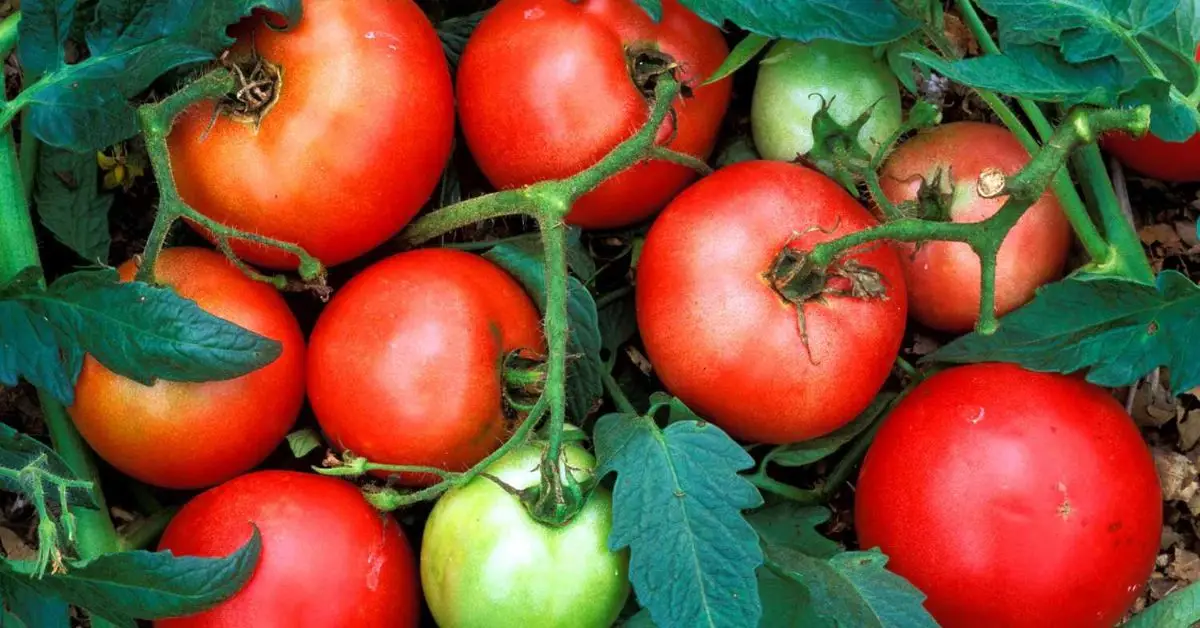
But it gets more specific—tomatoes aren’t just any fruit. They’re berries. Why? Because they form from a single ovary, have thin skin, fleshy insides, and contain seeds. That’s the textbook definition of a berry in plant terms.
This might sound strange if you usually think of berries as sweet things like strawberries or blueberries. But botanical categories have nothing to do with taste. It’s all about structure and how the plant grows.
So, from a scientific point of view, the tomato isn’t confused at all. We are.
Culinary Reality: Why We Call Tomatoes Vegetables
Let’s be honest—no one’s putting tomato slices in a fruit salad. And that’s exactly why most people instinctively call tomatoes vegetables.
In the kitchen, we don’t classify food the way botanists do. We go by taste, texture, and how it’s typically used. Tomatoes are savory, they show up in sauces, stews, salads—not desserts. That places them squarely in the “vegetable” camp, at least from a culinary point of view.
Even major organizations treat them this way. In nutrition guidelines and grocery labeling, tomatoes are grouped with vegetables because that’s how we eat them. And for most people, that practical context matters more than technical definitions.
So while tomatoes are fruits on paper, in everyday life—and on your dinner plate—they behave like vegetables. And that’s why we treat them as such.
Legal Twist: The Supreme Court Said “Vegetable” (1893 Ruling)
Now here’s the wild part: this fruit-vs-vegetable debate made it all the way to the U.S. Supreme Court.
Back in 1893, a case called Nix v. Hedden decided whether tomatoes should be taxed as vegetables or fruits. At the time, imported vegetables carried a tariff, while fruits did not. A tomato importer wanted to dodge the fee by arguing tomatoes were technically fruits.
But the court ruled against him. They sided with “common usage” instead of science, saying that tomatoes are usually served with dinner, not dessert. So legally—and financially—they were vegetables.
That one ruling locked tomatoes into the vegetable category in U.S. law and trade, even if science says otherwise.
Voices from Social Media — and Why They Spark Debate
Sometimes, it’s not scientists or chefs who fuel this debate—it’s regular folks online. And let’s be honest, the internet loves a good argument.
On Reddit, one user nailed it:
“Botanically, a tomato is a fruit. However, in common parlance it is a vegetable…”
This isn’t just semantics—it’s a clash between scientific accuracy and cultural habits. You’ll find passionate comments, playful memes, and heated debates that go surprisingly deep for something as everyday as a tomato.
Even casual polls on X (formerly Twitter) keep the fire going:
“Is tomatoe a fruit or vegetable? A) Fruit B) Vegetable.”
People vote, argue, retweet. Why? Because it touches something relatable—how we think about food, labels, and being “technically right” versus “commonly accepted.” It’s food science meeting internet personality.
Why This Classification Matters (To You)
At first glance, it might feel like just trivia—but what we call a tomato can actually impact how we live, eat, and grow.
Nutritionally, tomatoes are a powerhouse. They’re loaded with vitamin C, potassium, and lycopene—a bright red antioxidant that’s been linked to reduced risk of heart disease and certain cancers. If you’re looking for skin health, immune support, or anti-inflammatory benefits, tomatoes have your back.
If you’re curious about expanding your indoor garden beyond tomatoes, check out our 5 smart tips to grow herbs indoors and make your kitchen garden flourish year-round. You can learn more about their science-backed benefits right here.
In gardening, understanding that tomatoes are fruits in the nightshade family helps with crop rotation and pest control. And in cooking, knowing why it’s treated as a vegetable explains why it shows up in pasta sauces, not fruit bowls.
So yeah—what we call it matters. Not just to win arguments, but to make smarter choices in the kitchen and garden.
Plant‑Science Perspective You Won’t Find Elsewhere
Here’s a fresh angle: tomatoes belong to the Solanum genus in the nightshade family. This lineage links them to potatoes, eggplants, and peppers.

As a berry-type fruit, tomatoes evolved in a way that helps protect seeds and attract animals for dispersal. This evolutionary perspective explains why tomatoes have certain physical traits, like thin skin and juicy insides.
Fun fact: Research even suggests that plants like tomatoes can respond positively to sound waves—especially classical music—which might just give your garden a little extra boost. Learn more about how music helps plants thrive on Plant Care Dairy.
This deep dive into botanical heritage gives you a clearer picture of tomatoes beyond the kitchen or market—it’s plant science at its finest.
Did this plant science insight surprise you? Let me know in the comments!
Takeaways & Smart Uses
So, what’s the takeaway for you?
When writing labels, ordering at the store, or even debating with friends, it’s smart to say: “Tomato is a fruit from science, but a vegetable in cooking.” This simple line respects both perspectives without confusion.
Embracing both identities can open new possibilities—think about using tomatoes in sweet dishes like jams or desserts, as well as the usual savory recipes.
Here’s a fun tip: try green tomatoes for pickling or even baking into pies, and use ripe red ones in sauces and salads. This way, you get the best of both worlds.
How do you usually use tomatoes in your kitchen? Share your favorite tomato recipe or tip!
A Surprising Sweet Twist
For those curious about the sweeter side of tomatoes, there’s more than just ketchup and salsa.
Green tomato pies, tomato jams, and even sweet tomato confections are culinary surprises that show tomatoes can shine as desserts too.
This sweet twist challenges the usual perception and adds a delicious new way to enjoy tomatoes.
Would you try a sweet tomato dish? Tell us what you think!
For more interesting plant facts and gardening tips, visit Plant Care Dairy.
Disclaimer: This article is for informational purposes only and does not replace professional advice. Always consult experts for specific gardening or health concerns.