
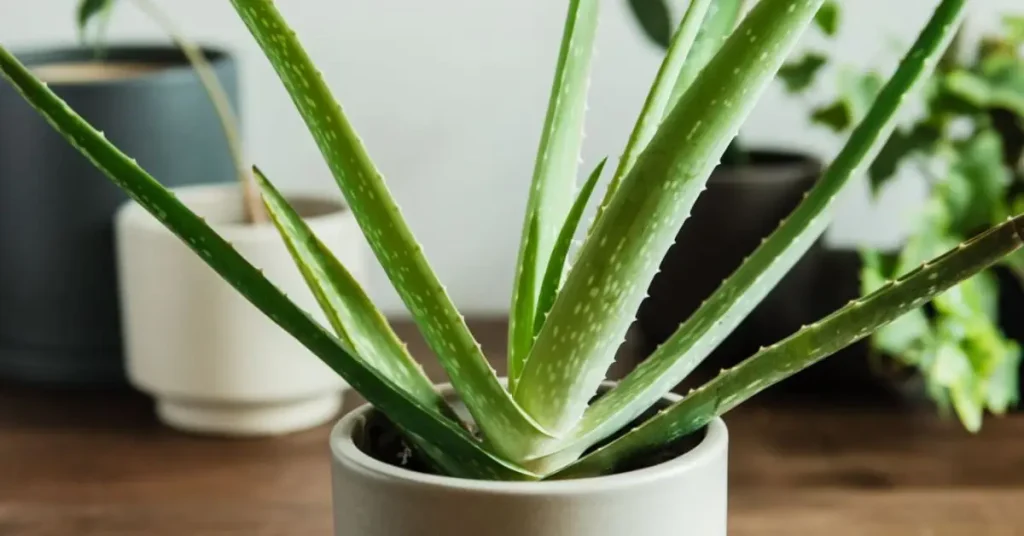
If you’re like me, you probably want a plant that’s low-maintenance but still adds a fresh, green vibe to your space. That’s where aloe vera shines. It’s not just any succulent—it’s a powerhouse of benefits. From purifying the air to soothing burns with its natural gel, aloe vera has earned its spot as a favorite in homes around the world.
What I love most is how forgiving it is. You don’t need a green thumb to keep it thriving. But there’s a bit of an art to getting it just right—too much water or the wrong light, and it starts to suffer. So, let’s dive into some practical, easy-to-follow tips that’ll help you keep your aloe healthy, happy, and growing strong.
Understanding Aloe Vera’s Natural Habitat
To truly care for your aloe vera, it’s important to understand where it naturally grows. Aloe vera originates from the dry, arid regions of the Arabian Peninsula and parts of northeastern Africa. This environment shapes exactly what the plant needs to survive and thrive.
Here’s what its natural habitat tells us about how to care for it at home:
- Hot and Sunny: Aloe vera loves bright sunlight. In the wild, it basks in full sun for most of the day. But indoors, direct harsh sunlight can sometimes scorch its leaves, so bright, indirect light is ideal.
- Well-Draining Soil: The desert soil where aloe grows drains quickly. Aloe roots don’t like sitting in waterlogged soil, which can cause root rot. So, a sandy or cactus mix soil works best.
- Minimal Water Needs: Since aloe stores water in its thick leaves, it can go long periods without being watered. Overwatering is a common mistake because it’s not used to constant moisture.
- Temperature Tolerance: Aloe thrives in warm temperatures—typically between 55°F and 80°F (13°C to 27°C). It’s not frost-tolerant and needs protection from cold drafts or freezing temperatures.
By keeping these natural preferences in mind, you’ll give your aloe vera a living environment similar to its original home—setting it up for long-term health and growth.
Essential Aloe Vera Care Tips
Taking care of aloe vera is simple once you understand its basic needs. Let me walk you through the most important things you should focus on to keep your plant healthy and thriving.
1. Light Requirements

Aloe vera is a sun lover but with some boundaries. It needs plenty of bright, indirect sunlight to grow well. Too little light, and your plant will stretch and become leggy; too much direct sun, especially harsh afternoon rays, can cause the leaves to scorch or turn brown.
- Place your aloe near a south- or west-facing window where it gets several hours of indirect light.
- If the leaves start turning reddish or brown, it’s a sign of sunburn—move the plant a bit away from direct sunlight.
- If the plant leans heavily toward the light, it needs a brighter spot.
2. Watering Guidelines
Watering aloe vera correctly is crucial because overwatering is the biggest killer. Aloe stores water in its thick leaves, so it’s drought-tolerant and needs only occasional watering.
- Water deeply but infrequently — generally once every 3 weeks or when the soil feels completely dry at least 2 inches down.
- Use pots with drainage holes to avoid water pooling, which causes root rot.
- In winter months, reduce watering even further because aloe goes into a semi-dormant state.
3. Soil and Potting Tips
Your aloe needs a well-draining, sandy soil to mimic its natural environment. Heavy or moisture-retentive soil can suffocate the roots.
- Use a cactus or succulent potting mix, or amend regular potting soil with sand or perlite. While preparing your aloe vera’s soil, you might consider natural amendments like wood ash—but be sure to understand its benefits and what to avoid by checking out this detailed guide on using wood ash for plants.
- Choose a pot that’s just slightly larger than the root ball, with good drainage holes.
- Repot every couple of years to refresh the soil and check root health.
4. Temperature and Humidity Preferences

Aloe vera prefers warm, stable temperatures and low humidity — conditions similar to its desert origins.
- Ideal temperatures range between 55°F and 80°F (13°C to 27°C).
- Avoid placing aloe near cold drafts, air conditioners, or heaters. If you live in a hot climate or face heatwaves, it’s crucial to protect your aloe vera. Here are 5 essential tips to keep plants alive in a heatwave that can help you manage temperature stress effectively.
- Normal household humidity is fine; aloe doesn’t need misting.
For more detailed advice on how to care for aloe vera and avoid common mistakes, I highly recommend this expert guide by Architectural Digest.
Common Aloe Vera Care Mistakes to Avoid
Even though aloe vera is pretty forgiving, I’ve seen many people trip up on a few simple things that can really hold their plant back. Let’s talk about the most common mistakes and how you can easily avoid them.
1. Overwatering
If you’re anything like me, it’s tempting to water your plant regularly thinking it needs lots of attention. But aloe vera actually hates sitting in wet soil. When you overwater, the roots start to rot, and you’ll notice the leaves getting soft, mushy, or yellowing.
The key? Let the soil dry out completely between waterings. I always remind myself to check the soil with my finger — if it still feels damp a couple of inches down, hold off on watering. And please, make sure your pot has drainage holes so water can escape easily. This simple step can save you a lot of trouble. If you want to keep your aloe vera healthy without harsh chemicals, you might also find these 7 plant-based pest solutions helpful to protect your plant naturally.
2. Insufficient Light
Aloe needs bright light to stay healthy and vibrant. If your plant starts stretching out or looking pale, it’s probably craving more sun. I’ve moved my aloe closer to a window on more than one occasion, and it really perked up.
If you don’t have a spot with enough natural light, you can also try a grow light. I found this especially helpful during darker winter months when sunlight is limited. Getting this right is crucial because without enough light, your aloe will just weaken over time.
3. Using the Wrong Pot Size
You might not realize how much pot size affects your aloe’s health. I’ve seen people put their aloe in pots way too big, thinking it’ll help the plant grow faster. But in reality, a big pot holds too much moisture in the soil, which can drown the roots.
Pick a pot that’s just a little bigger than the root ball, and always make sure it has good drainage. Repotting every couple of years also helps refresh the soil and gives your aloe room to grow properly.
If you want to dive deeper into these common care mistakes and how to fix them, The Spruce’s detailed guide is a fantastic resource that I often refer to.
Propagation and Repotting Aloe Vera
If you want your aloe vera to keep thriving and even multiply, learning how to propagate and repot it is a game-changer. Trust me, once you get the hang of these simple steps, you’ll feel more confident giving your plant a fresh start whenever it needs one.
Propagation: How to Grow New Aloe Plants
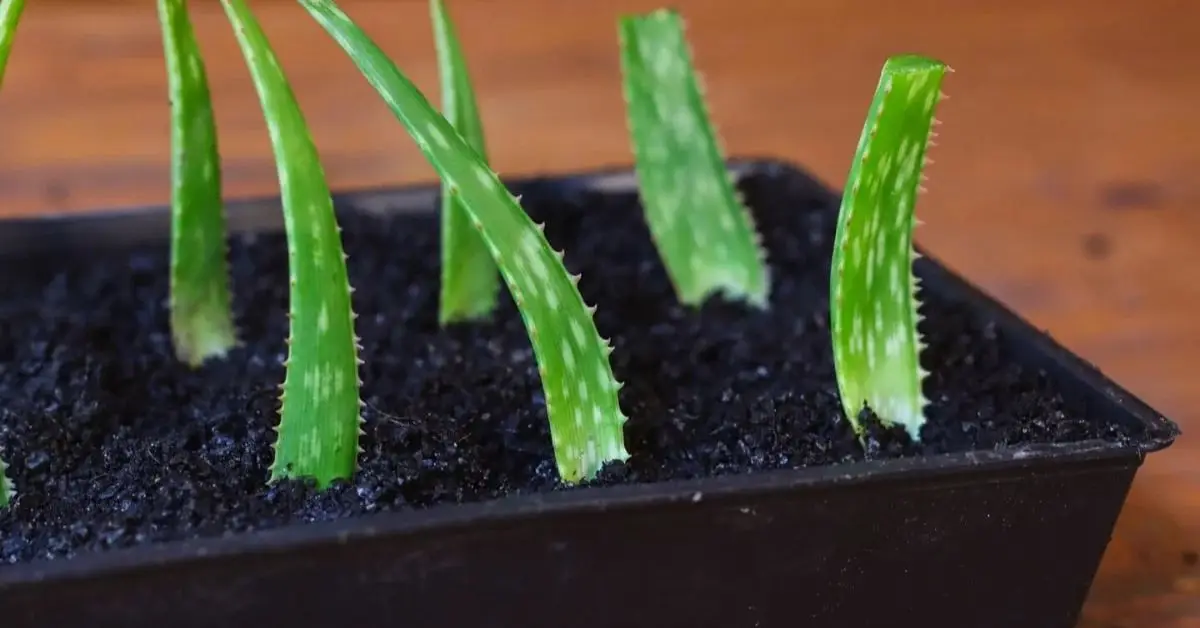
Aloe vera produces “pups” or offsets — little baby plants growing from the base. Here’s how to separate and replant them:
- Wait until the pups are about 3-4 inches tall and have their own roots.
- Gently dig around the base and carefully separate the pup from the mother plant, making sure to keep the roots intact.
- Let the pup dry out for a day or two to let any cuts callous over — this helps prevent rot.
- Plant it in a small pot with well-draining succulent soil.
- Water sparingly until it establishes roots and shows new growth.
Repotting: When and How to Refresh Your Aloe
Your aloe will outgrow its pot over time, and repotting gives it fresh soil and space to thrive.
- Repot every 2-3 years or when you see roots growing out of drainage holes.
- Choose a pot just one size bigger with drainage holes.
- Use fresh, well-draining soil designed for succulents.
- Remove the aloe gently, shake off old soil, and inspect roots for any rot—trim if needed.
- Place it in the new pot, fill around with soil, and water lightly.
Taking care of propagation and repotting not only helps your aloe stay healthy but also gives you new plants to gift or grow your indoor garden. For more detailed tips, the Plant Smile guide is a solid reference I recommend.
Troubleshooting Common Aloe Vera Issues
Even with the best care, sometimes your aloe vera can run into problems. Knowing what common issues look like and how to fix them will save you a lot of stress—and keep your plant thriving.
1. Yellowing Leaves
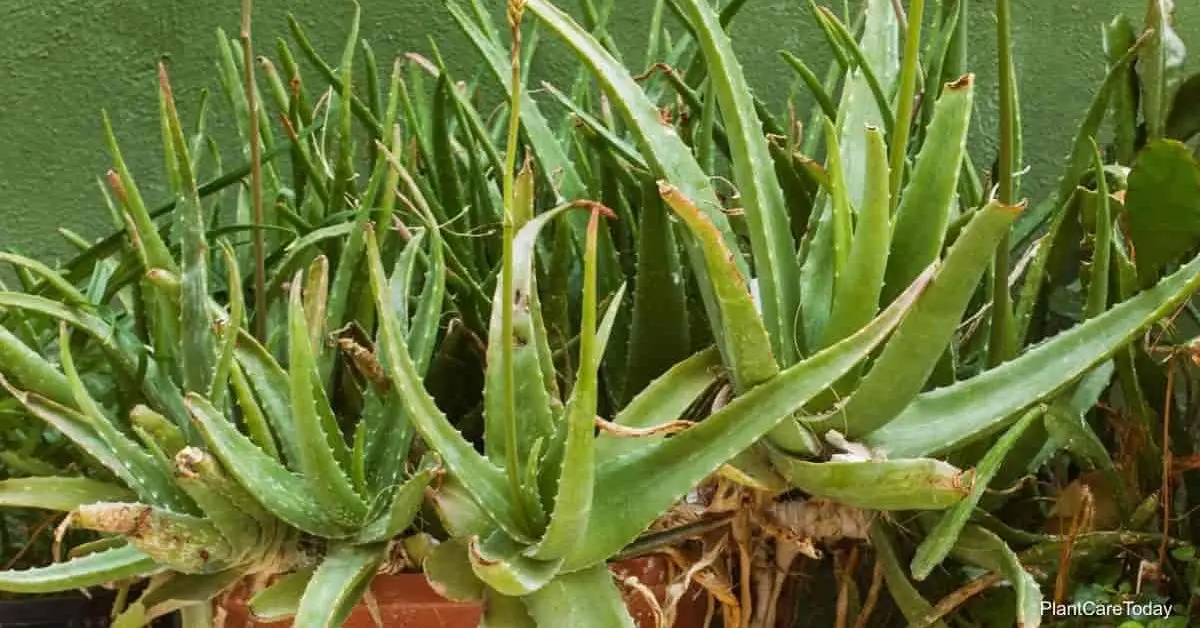
If you notice your aloe’s leaves turning yellow, it’s a clear sign something’s off. Usually, yellowing means overwatering, but it can also happen from too much direct sun or poor drainage.
- Check the soil moisture—if it’s soggy, hold off on watering and let it dry.
- Make sure your pot drains well to avoid root rot.
- If yellowing happens after moving the plant into bright light, give it some time to adjust but watch for sunburn spots.
- Removing yellow leaves helps the plant focus energy on healthy growth.
2. Drooping or Floppy Leaves
Drooping or floppy leaves usually mean your aloe is underwatered, but sometimes it can be from root problems or not enough light.
- Feel the leaves — if they’re soft but not mushy, try watering more regularly but don’t drown the plant.
- If they’re mushy and floppy, overwatering or root rot could be the cause. In that case, check the roots and repot if needed.
- Make sure your aloe is getting enough bright light; lack of sun weakens the leaves.
Final Thoughts: Keep Your Aloe Vera Thriving
Taking care of your aloe vera is a rewarding experience once you understand what it truly needs. Remember, it’s all about giving your plant the right light, watering sparingly, and choosing the right soil and pot. Don’t stress over every little thing—aloe vera is tough and forgiving, but it does appreciate consistent care.
When you watch for signs like yellow leaves or drooping, and act quickly, your plant will bounce back stronger. Plus, propagating and repotting can turn your single plant into a thriving little family!
I encourage you to enjoy this journey with your aloe vera. With just a little attention, you’ll have a beautiful, healthy plant that not only looks great but also gives you natural healing benefits.
So, what’s the first change you’re going to make in your aloe care routine? I’d love to hear your plan!
Ready to become an even better plant parent? Visit Plant Care Dairy
Disclaimer: The information provided in this article is for educational purposes only. While every effort has been made to ensure accuracy, individual results may vary depending on your plant’s environment and care routine. Always observe your plant closely and adjust care as needed. For specific medical or health-related uses of aloe vera, consult a qualified professional.