

If you’re like me and love having aloe vera around the house, you probably already know it’s a pretty low-maintenance plant. But getting the light right can be tricky. Aloe vera isn’t just any succulent—it thrives on a specific balance of sunlight, especially when kept indoors. Too much direct sun, and those fleshy leaves can burn. Too little, and your plant will stretch out, lose its vibrant green, and just look unhappy.
In this article, I want to clear up the confusion around how much indoor sunlight aloe vera really needs. I’ve dug through expert advice, real user experiences, and the latest care trends to give you practical, no-nonsense tips. By the end, you’ll know exactly where to place your aloe vera, how to tell if it’s getting the right light, and what to do when natural sunlight isn’t enough.
Let’s get your aloe thriving, not just surviving.
Aloe Vera’s Natural Habitat and Light Preferences
Aloe vera is native to arid, desert-like regions, where it grows naturally under the partial shade of larger plants and rocks. This environment exposes it to bright, filtered sunlight rather than harsh, direct sun all day long. Knowing this is key to recreating the right indoor conditions for your aloe to thrive.
Here’s what aloe vera’s natural habitat tells us about its light and temperature needs:
- Light Intensity: Prefers bright but indirect sunlight for about 6 to 8 hours daily. Direct afternoon sun can be too intense and may cause the leaves to burn or develop brown spots.
- Shade Tolerance: Can tolerate some shade but will grow slower and may become leggy if light is too low.
- Temperature Range: Thrives best in moderate indoor temperatures, ideally between 15°C and 25°C (59°F to 77°F). Temperatures below 10°C can stress the plant and slow growth.
- Humidity: Prefers dry air similar to its desert origins. High humidity or overly moist conditions can cause root rot and other issues.
By understanding where aloe vera comes from and how it naturally grows, you can better choose the perfect spot inside your home — a place with plenty of light but shielded from harsh direct sun, mimicking the gentle filtered light it’s adapted to.
Identifying the Right Indoor Spot for Aloe Vera

Finding the perfect spot inside your home can make all the difference in how well your aloe vera thrives. The goal is to give it plenty of bright, indirect light without risking leaf burn from harsh sun.
Here’s what you should keep in mind:
- Ideal Window Directions: South or west-facing windows usually offer the best balance of light, providing enough brightness without overwhelming your plant.
- Avoid Direct Midday Sun: The strongest sunlight around noon can scorch aloe’s leaves. It’s better to provide filtered or indirect sunlight during these hours.
- Use Sheer Curtains: If your only bright spot gets direct sun, sheer curtains can help diffuse the light, protecting your aloe from sunburn while still delivering enough brightness.
- Monitor Your Plant: Watch for signs like browning or curling leaves—these indicate too much direct sun, so consider moving your aloe to a slightly shadier spot.
For more detailed tips on indoor plant placement, check out this helpful guide on Aloe Vera Care from Epic Gardening.
Signs Your Aloe Vera Is Receiving the Right Amount of Light
Knowing how your aloe vera responds to its environment is crucial. The right amount of light shows up in its appearance and growth patterns. Here’s what to look for:
- Healthy Indicators:
- Leaves should be thick, fleshy, and firm, showing the plant is well-hydrated and healthy.
- A vibrant green color signals your aloe is happy with its light exposure and overall care.
- Signs of Insufficient Light:
- The plant may become leggy, with stretched-out stems as it reaches for more light.
- Leaves might turn pale or yellowish, indicating it’s not photosynthesizing enough.
- You may notice slow growth or a generally weak appearance.
- Signs of Excessive Light:
- Leaves develop brown or red-tipped edges, a clear sign of sunburn or stress from too much direct sunlight.
- The edges might feel dry and crispy, showing damage from intense heat or light exposure.
By watching these signals closely, you can fine-tune your aloe vera’s spot and care routine to keep it thriving. If you notice any of the warning signs, it’s time to rethink the plant’s placement or adjust the light exposure.
Adjusting Light Exposure for Seasonal Changes
As seasons change, the amount and intensity of sunlight your indoor aloe vera receives will also shift. Being mindful of these changes can prevent stress and keep your plant thriving year-round.
- Winter Adjustments: During the shorter, darker days of winter, move your aloe vera closer to windows to soak up as much natural light as possible. This helps compensate for reduced daylight hours.
- Summer Considerations: In summer, the sunlight can become too intense, especially in the afternoon. Shield your aloe from harsh direct rays to prevent leaf burn—using sheer curtains or relocating it slightly away from the window can help.
- Regular Rotation: Rotate your plant every few weeks to ensure all sides get equal light. This prevents uneven growth and keeps your aloe looking full and balanced. For more seasonal care advice and late summer gardening tips, check out this helpful guide to keep your plants thriving through changing weather.
For more tips on seasonal care and light adjustments, you can check out this guide on Optimal Light Requirements for Aloe Vera.
Supplementing Natural Light with Artificial Lighting

Not every home gets the perfect amount of sunlight, especially during darker months or in rooms without good window exposure. Artificial lighting can be a great way to fill that gap.
- LED Grow Lights: These are the best option for supplementing your aloe’s light needs. They provide the right spectrum of light without generating too much heat, making them perfect for indoor plants.
- Light Duration: Aim to give your aloe vera about 14 to 16 hours of artificial light daily. This mimics natural daylight cycles and supports healthy growth even in low-light conditions.
- Positioning: Place the grow lights about 6 to 12 inches above your plant. This ensures the light reaches all parts of the aloe evenly without risking leaf damage from heat.
Using artificial lights thoughtfully can keep your aloe thriving, even when natural sunlight just isn’t enough.
Common Mistakes to Avoid in Aloe Vera Light Care
Even though aloe vera is pretty tough, light care mistakes can really hold it back or cause damage. Here’s what I’ve seen most people slip up on:
- Overexposure: Moving your aloe straight into harsh, direct sunlight without giving it time to adjust often leads to ugly sunburn—those brown, crispy leaf edges nobody wants. A slow transition is key. rotecting your aloe from intense heat and sunburn is crucial—if you want detailed tips on keeping all your plants safe during heatwaves, this guide has you covered.
- Underexposure: If your plant isn’t getting enough light, it starts stretching out, becoming leggy and pale. It’s a clear cry for more brightness, or else your aloe will just stay weak and unhappy.
- Sudden Relocation: Changing your aloe’s light environment overnight can shock it. I always recommend easing your plant into new spots gradually—this way, it adapts without stress.
If you want a step-by-step on how to avoid these common pitfalls and keep your aloe looking its best, here’s a helpful guide I trust: Aloe Vera Light Care Tips.
Indoor Aloe Vera Care Tips Beyond Light
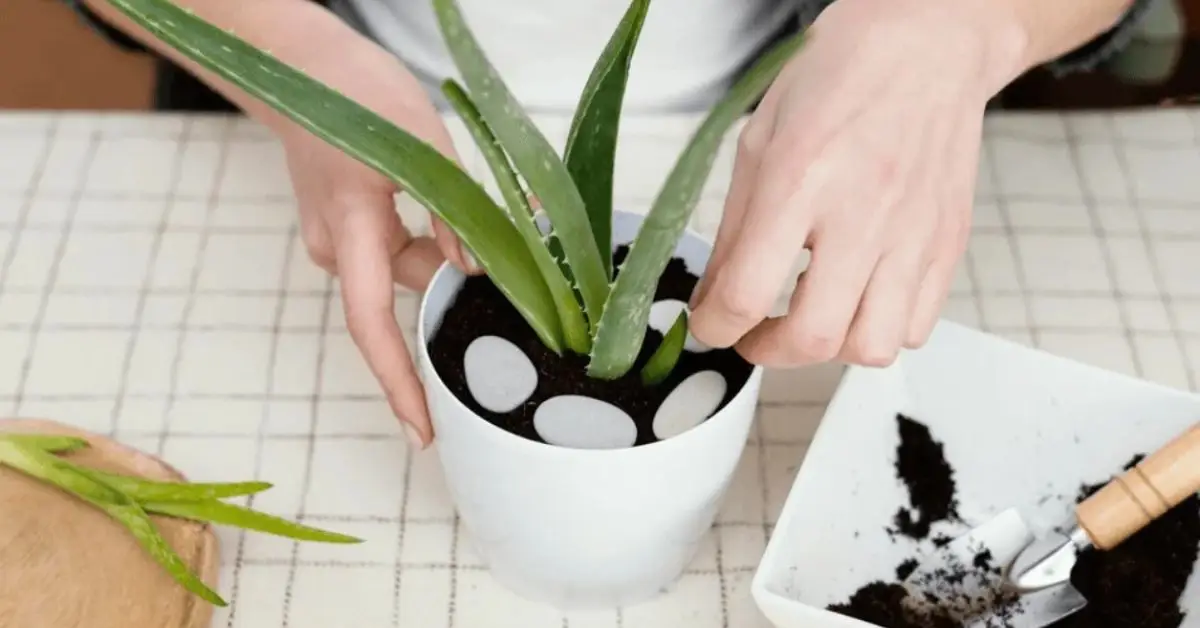
Light is just one part of the equation—your aloe needs the right watering, soil, and pot to really flourish. Here’s what I focus on beyond just sunlight:
- Watering: Aloe vera hates soggy roots. I always let the soil dry completely between waterings to avoid root rot, which is one of the most common issues indoor growers face.
- Soil Type: Use a well-draining soil mix, like cactus or succulent soil, to keep air flowing around the roots. This helps prevent waterlogging and keeps your aloe happy.
- Pot Selection: Choose a terra cotta pot with drainage holes. Terra cotta breathes, helping soil dry out faster, and the drainage holes stop excess water from sitting at the bottom, which can drown your plant. For a deeper dive into aloe vera care, including watering schedules and pest control, visit our comprehensive Aloe Vera Plant Care guide.
Combining these care tips with proper light exposure gives your aloe vera the best shot at growing strong and vibrant indoors.
Here’s the conclusion written to wrap up naturally and encourage reader engagement without sounding generic:
Wrapping It Up: Helping Your Aloe Vera Thrive Indoors
To keep your aloe vera happy indoors, remember it loves bright, indirect sunlight—about 6 to 8 hours a day—paired with proper watering, well-draining soil, and a good pot. When you get this balance right, your plant won’t just survive; it will flourish, adding a splash of green and even some natural healing benefits to your space.
Your aloe vera is tougher than it looks, but it does need your attention to light and care to look its best. So, find that sweet spot by your window, keep an eye on those leaves, and don’t hesitate to adjust as the seasons change.
What’s your aloe care routine like? Have you noticed any tricks that worked well for you? I’d love to hear!
For more easy and practical plant care tips, visit Plant Care Dairy—your go-to spot for everything green and growing!
Disclaimer: The information provided here is based on research and expert advice but is for educational purposes only. Plant care can vary depending on specific environments and conditions. Always observe your plant closely and adjust care accordingly.