

If you’re like me, your indoor plants aren’t just greenery—they’re little living companions that brighten up your space and mood. But winter? That’s when things get tricky. The cold, dry air, shorter days, and sudden temperature drops can really stress out your plants. They don’t just stop growing; they struggle to survive.
In this article, I’ll walk you through exactly how to protect your indoor plants during these tough months. You’ll learn practical tips that actually work—no fluff, no confusing jargon. Because keeping your plants healthy in winter isn’t just about saving them; it’s about keeping that fresh, lively energy flowing in your home when you need it most.
Ready to make sure your plants thrive all winter long? Let’s get started.
Understanding Winter’s Impact on Indoor Plants
Winter isn’t just cold—it changes the whole game for your indoor plants. I’ve seen many plants struggle when temperatures drop because cold can slow down their growth or even harm their delicate leaves and stems. Imagine how you feel on a chilly day—that’s how your plants feel too.
Then there’s the sunlight—or rather, the lack of it. In winter, you and I both get less daylight, and so do our plants. This means they can’t photosynthesize as much, which slows down their energy production. You might notice your plants looking a bit sluggish or less vibrant—that’s totally normal this time of year.
Another big one is the dry air inside our homes. When heaters kick in, the air gets super dry, and that dries out your plants’ leaves. I always remind myself to watch for crispy edges or dropping leaves—signs your plants are thirsty for humidity.
Finally, winter can bring pests and diseases that love these conditions. Things like spider mites or fungus gnats can sneak in quietly. If you spot tiny webs or unusual spots on your leaves, don’t ignore them. Catching these problems early can save your plants a lot of trouble.
Essential Winter Care Tips for Indoor Plants
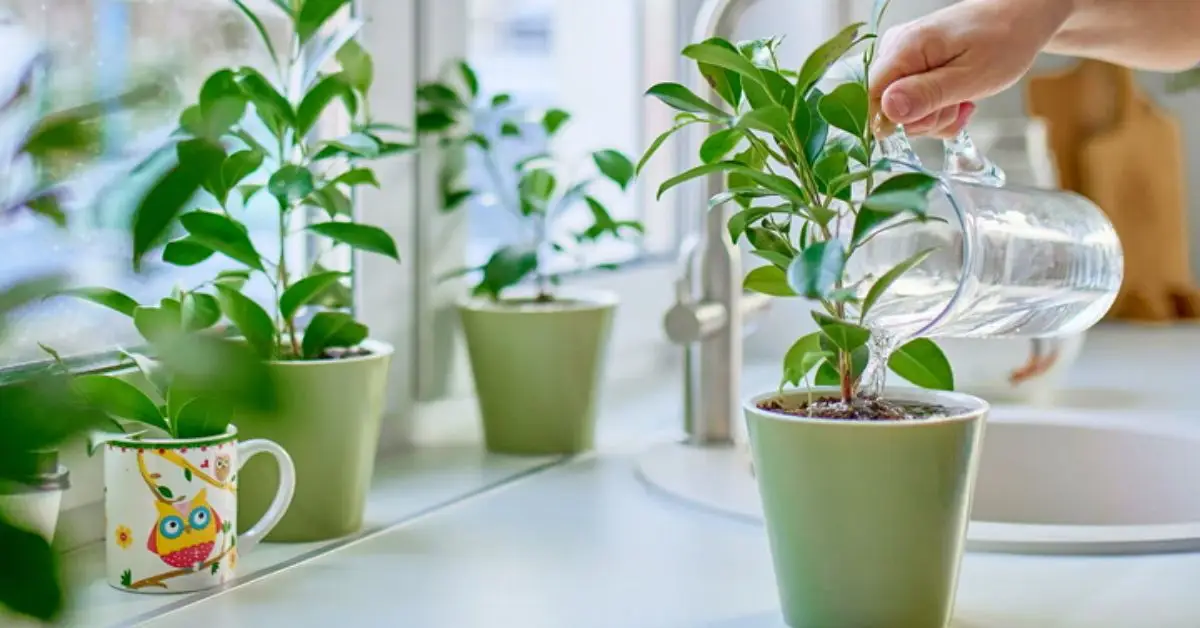
Winter can be a challenging time for indoor plants, but with a few thoughtful adjustments, you can help your green companions thrive. Here’s how I approach winter plant care:
- Adjust Your Watering Routine: During winter, plants generally require less water due to slower growth. I always check the soil moisture before watering—just stick your finger about an inch deep. If it feels dry, go ahead and water; if it’s still moist, hold off. Overwatering is a common mistake and can lead to root rot, so less is more during these months.
- Increase Humidity Naturally: Dry indoor air is a common issue in winter. To boost humidity around your plants, I use simple methods like placing a pebble tray filled with water beneath the pots. As the water evaporates, it increases the humidity around the plants. Grouping plants together can also create a micro-humid environment. For more detailed tips on increasing humidity, Better Homes & Gardens provides practical advice on winter houseplant care .
- Optimize Light Exposure: With shorter days and less sunlight, I reposition my plants to the brightest spots in the house. South- or east-facing windows are ideal. If natural light is insufficient, I consider using a grow light to supplement. This ensures my plants receive the necessary light for photosynthesis during the darker months.
- Protect from Cold Drafts and Temperature Swings: Sudden temperature changes can stress plants. I keep my plants away from doors, windows, and vents that might let in cold drafts. Even if the room feels warm, a blast of cold air can shock your plant and cause leaf drop or damage.
- Clean Leaves and Pots Regularly: Dust and dirt can block sunlight and harbor pests. I gently wipe down leaves with a damp cloth every few weeks and clean pots to prevent mold and pests. It’s a small task that pays off big in plant health.
Plant-Specific Winter Care Strategies
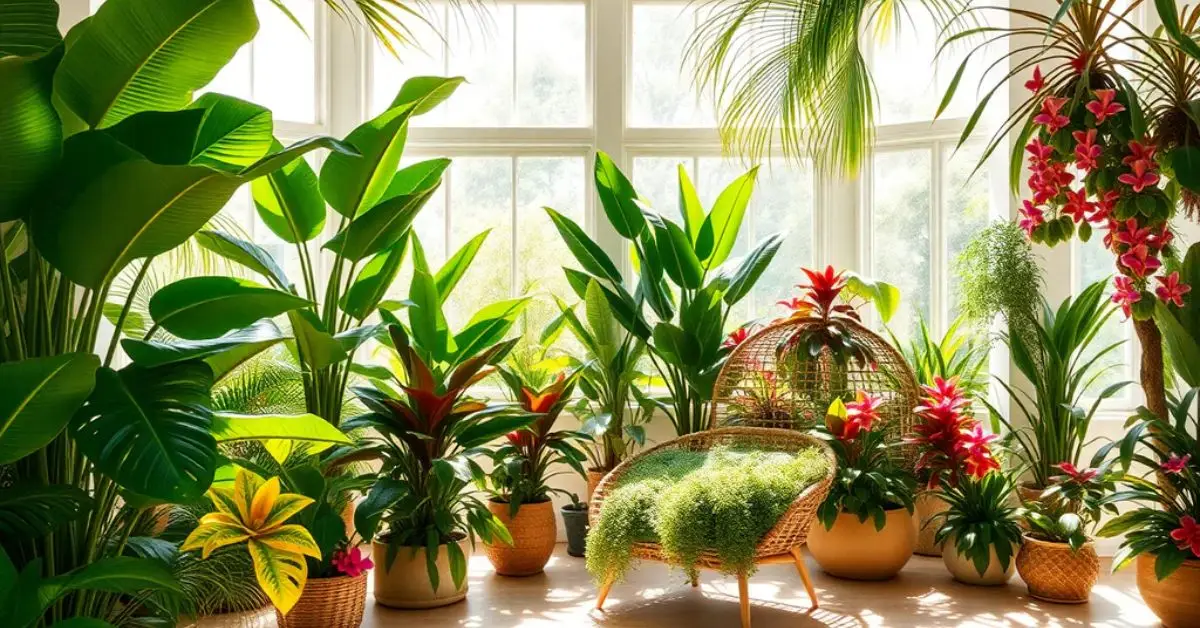
Not all plants are created equal—each type has its own winter needs. I’ve learned that tailoring care makes a huge difference. Here’s what I do for different groups:
- Tropical Plants: Humidity and Warmth Are Non-Negotiable: Tropical plants like ferns and palms love warm, humid environments. During winter, I keep them away from cold drafts and make sure humidity stays high—using pebble trays or a humidifier. If you don’t, they can get dry, brown leaf edges, which is a sign they’re stressed.
- Succulents and Cacti: Less Water, More Light: These drought-tolerant plants slow down their growth in winter, so I cut back watering significantly. But they still crave good light. I place mine near bright windows or supplement with a grow light. To keep your aloe vera healthy and thriving through the colder months, follow these Top Aloe Vera Plant Care Tips. Overwatering here is the fastest way to kill them, so I’m extra careful.
- Flowering Houseplants: Special Feeding and Light Needs: Plants like African violets and orchids may need a bit of extra love in winter. I reduce fertilizing but never stop it completely. Plus, I watch their light needs closely—sometimes moving them closer to windows or using artificial light to keep those blooms coming.
- Herbs and Edible Plants: Winter Harvesting and Care: If you grow herbs indoors, winter is a great time for harvesting and mindful care. For smart, beginner-friendly tips on how to grow and care for herbs indoors year-round, take a look at our article on How to Grow Herbs Indoors: Start with These 5 Smart Tips. I keep them in the brightest spots and water moderately. Some herbs like basil are more sensitive, so I watch for any signs of stress and adjust accordingly.
For more detailed, expert-backed advice on caring for specific indoor plants during winter, check out the Proven Winners winter care guide.
Technology and Tools to Support Winter Plant Care
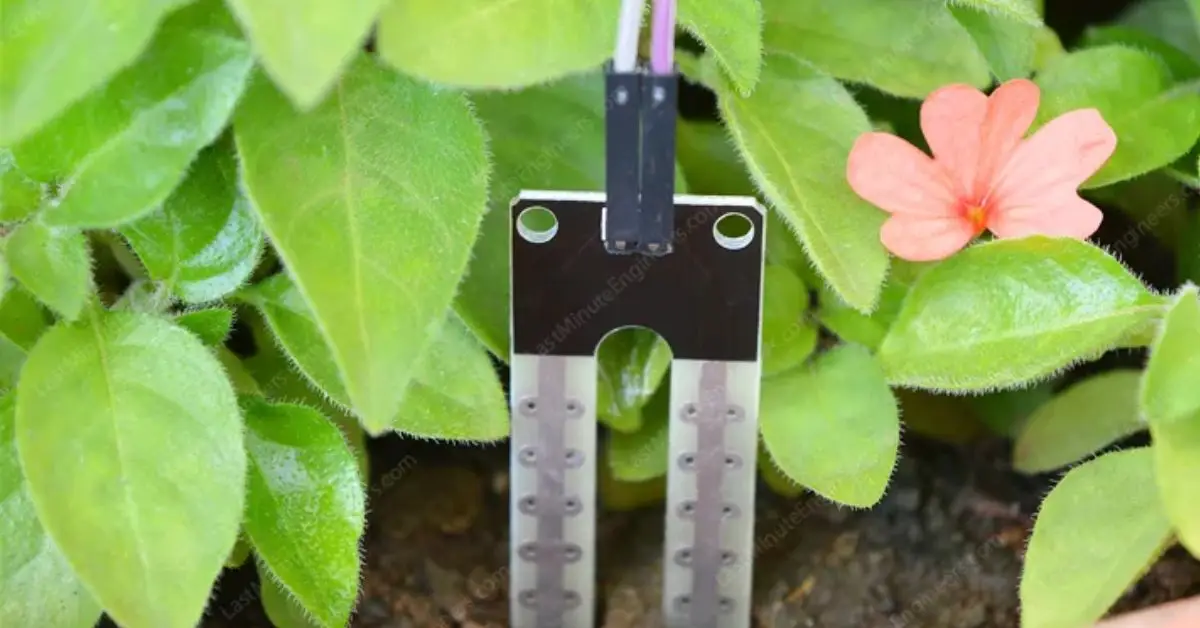
Winter plant care doesn’t have to be guesswork, especially if you’re a bit of a tech enthusiast like me. Here are some modern tools that make it easier to keep your plants thriving when the weather turns cold:
- Humidity and Temperature Sensors: I use small sensors that monitor the exact humidity and temperature around my plants. These gadgets give me real-time info so I can adjust my humidifier or move plants before any damage happens. It’s like having a personal plant assistant in your home.
- Apps for Watering Reminders and Light Tracking: Sometimes it’s tough to remember when to water or if your plants are getting enough light. Apps like Florish or PlantSnap help you track watering schedules and even analyze your lighting conditions using your phone’s camera. It’s a great way to stay on top without extra hassle.
- Energy-Efficient Grow Lights and Timers: Investing in LED grow lights with timers means your plants get consistent light even when days are short. I set mine on automatic schedules, so the lights come on and off without me thinking twice. Plus, these LEDs don’t use much electricity—good for both your plants and your bills.
- Integrating Smart Home Devices for Plant Care: If you’re already using smart home systems like Alexa or Google Home, you can integrate plant care too. Some smart plugs and sensors let you control humidifiers or lights with voice commands or automated routines. It’s a hands-free way to keep your plants cozy all winter.
Seasonal Pest Prevention and Early Detection
Winter might feel like a quiet time for pests, but they don’t take a break—and neither should you. Here’s what I watch for:
- Signs of Pests in Winter: Spider mites and fungus gnats are common winter pests that thrive in dry indoor air. I look for tiny webs, yellowing leaves, or unusual spots as early warnings. Catching these signs early can save your plants a lot of trouble.
- Safe Natural Treatments and Preventative Measures: I avoid harsh chemicals, especially indoors. Instead, I use natural remedies like neem oil sprays or insecticidal soap. Regularly wiping leaves and keeping the soil clean also helps keep pests away.
- Importance of Quarantining New Plants During Winter: Bringing new plants inside can introduce unwanted guests. I always keep new arrivals separated for at least two weeks to watch for any pest or disease signs before mixing them with my other plants.
Environmental & Psychological Benefits of Caring for Plants in Winter
Taking care of your plants in winter is more than just a chore—it’s good for your mind and the planet.

- How Indoor Plants Improve Mood During Dark Winter Months: I’ve noticed that tending to plants lifts my spirits when daylight is scarce. Plants reduce stress and boost focus, making those long, dark days feel a bit brighter and calmer.
- Eco-Friendly Care Tips: Caring for plants can be green in itself. I use natural materials like compost and avoid overusing electric devices. Choosing energy-efficient grow lights and reusing water when possible are simple ways to reduce your environmental footprint.
Indoor plants not only boost your mood during the dark winter months but also improve your home’s air quality. If you want to explore some easy-to-care indoor plants that help you breathe easy, check out this detailed guide on Breathe Easy: Easy-to-Care Indoor Plants for Clean Air.
Quick Winter Care Checklist & Interactive Care Schedule Idea
Let’s make winter plant care simple and stress-free. Here’s a quick checklist I keep handy:
- Do:
- Check soil moisture before watering
- Increase humidity with pebble trays or grouping plants
- Place plants near bright windows or use grow lights
- Protect plants from cold drafts
- Clean leaves and pots regularly
- Monitor for pests and act early
- Don’t:
- Overwater your plants
- Expose them to sudden temperature changes
- Ignore signs of stress or pests
- Use harsh chemicals indoors
To stay on top of it, I recommend creating a printable care schedule or using an app that sends reminders for watering, misting, and light adjustments. Tracking your plants’ progress helps you see what’s working and when to tweak your routine.
Final Thoughts — Keep Your Green Friends Thriving All Winter Long
Winter plant care isn’t just about survival—it’s about helping your plants thrive through the season. Remember these key points:
- Adjust watering and humidity carefully
- Optimize light and protect from cold drafts
- Watch for pests and clean regularly
- Tailor care to your plant’s unique needs
I’d love to hear your winter plant care tips—share them in the comments or on social media. Every plant is unique, so keep observing and adjusting your care. You’ve got this!
For more expert tips and seasonal plant care guides, visit Plant Care Dairy—your go-to place to keep your green friends happy all year round.
Disclaimer: The information provided in this article is for general educational purposes only. While I strive to offer accurate and up-to-date advice based on research and experience, individual plant needs may vary. Always observe your plants closely and adjust care accordingly. For specific concerns or serious plant health issues, consider consulting a professional horticulturist or plant specialist.