

If you’ve ever watched your favorite plants slowly get eaten alive by tiny pests, you know the frustration. I’ve been there too—spending hours in the garden only to see aphids, spider mites, or whiteflies wreak havoc. That’s when I discovered the power of homemade insecticide sprays.
Unlike store-bought chemicals, these natural sprays let you protect your plants without risking your health, your kids, or the pollinators that visit your garden. They’re simple, inexpensive, and surprisingly effective. I’ve tested them on everything from potted herbs to backyard vegetable patches, and the results are real.
In this guide, I’ll show you how to make easy, DIY sprays using ingredients you probably already have at home. By the end, you’ll not only save your plants but also feel confident knowing you’re caring for them the natural way.
Know Your Enemy: Common Plant Pests and Their Damage
Before we dive into sprays and recipes, it’s crucial to understand your enemy. Not all pests are created equal, and each one damages plants differently. Once you can identify them, choosing the right homemade insecticide becomes much easier.
Common Garden Pests
- Aphids – Tiny, soft-bodied insects that suck sap from new leaves and stems. They can cause curling, yellowing, and stunted growth.
- Spider Mites – Extremely small, often found under leaves; they leave web-like trails and cause tiny yellow spots.
- Whiteflies – Small, white flying insects that feed on plant sap and leave behind sticky residue.
- Mealybugs – Cottony-looking clusters that weaken plants by sucking their juices.
- Caterpillars – The obvious leaf-chewers; they can defoliate entire plants in a short time.
Quick Tip: I like keeping a simple visual reference or infographic near my garden notes—it helps me quickly spot which pest is attacking and take immediate action. You can create one using free tools or even a quick sketch.
For a deeper dive, you can check the Gardening Know How pest guides—they break down common pests with photos and treatment tips.
Understanding each pest’s behavior saves you from wasting time and ingredients. A spray that kills aphids might barely touch caterpillars. Healthy plants are easier to protect—if you’re unsure about watering, here’s a guide on telling the difference between overwatered and underwatered plants to keep your greens thriving.
Natural Ingredients That Work Wonders
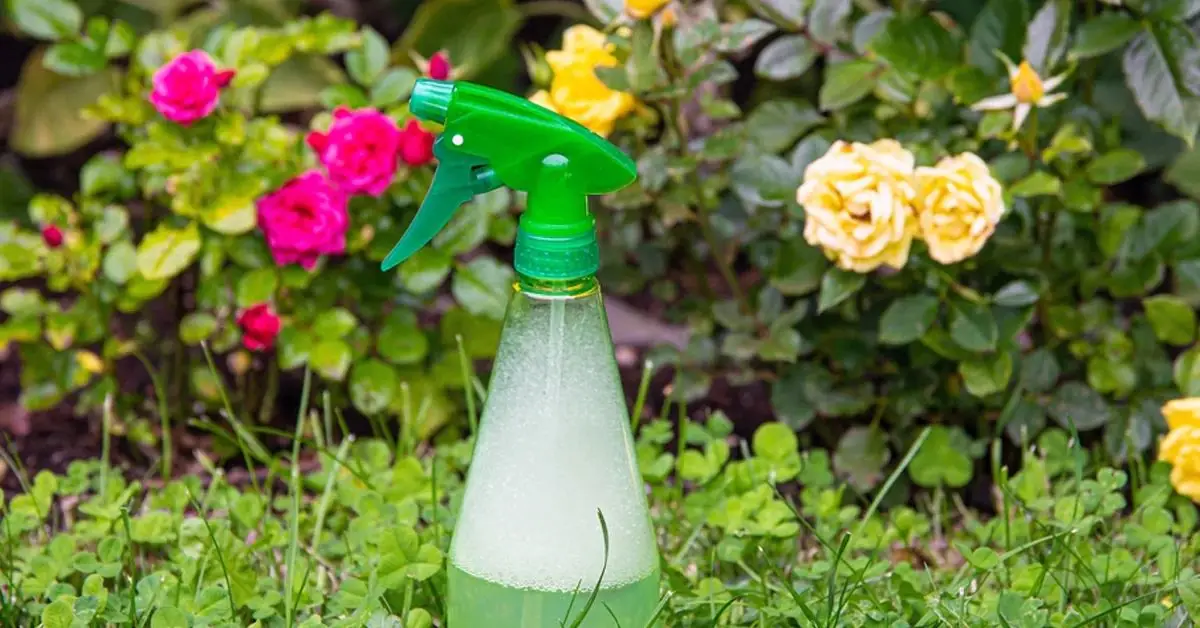
Now that we know what we’re fighting, it’s time to pick the right weapons. Homemade insecticide sprays rely on safe, natural ingredients that you can easily find at home or in local stores.
Soap & Water
- Works best on soft-bodied insects like aphids and spider mites.
- Simple: Mix 1–2 teaspoons of mild liquid soap with 1 liter of water.
- Spray directly on the leaves, making sure to cover the undersides.
Neem Oil
- A powerful natural pesticide that disrupts insect growth and reproduction.
- Effective against aphids, whiteflies, and mealybugs.
- Tip from gardeners: “Neem oil works best when mixed with a little soap and applied in the early morning.” (Observed in Reddit gardening communities)
Garlic & Chili Extracts
- Acts as a strong-smelling deterrent that pests hate.
- Blend garlic or chili with water, let it sit, strain, and spray.
- Great for outdoor vegetable patches where caterpillars or beetles are common.
Essential Oils (Peppermint, Rosemary)
- Repel many flying insects naturally.
- Mix 5–10 drops with water and a few drops of soap for better adhesion.
Alcohol-based Sprays
- Best for stubborn pests like mealybugs.
- Mix rubbing alcohol with water (1:3 ratio) and apply carefully on affected spots.
Knowing which ingredient works for which pest saves time, money, and effort. You don’t have to experiment blindly—these natural options are safe, effective, and easy to source.
Easy Step-by-Step Recipes
Making your own insecticide spray doesn’t have to be complicated. I always follow simple, actionable recipes that anyone can try at home. Here are my favorites:
Basic Soap Spray (for soft-bodied insects)
- Ingredients: 1–2 tsp mild liquid soap, 1 liter water
- Instructions:
- Mix soap and water in a spray bottle.
- Spray directly on leaves, especially undersides where pests hide.
- Repeat every 4–5 days or after rain.
Neem Oil Spray (for long-term pest control)
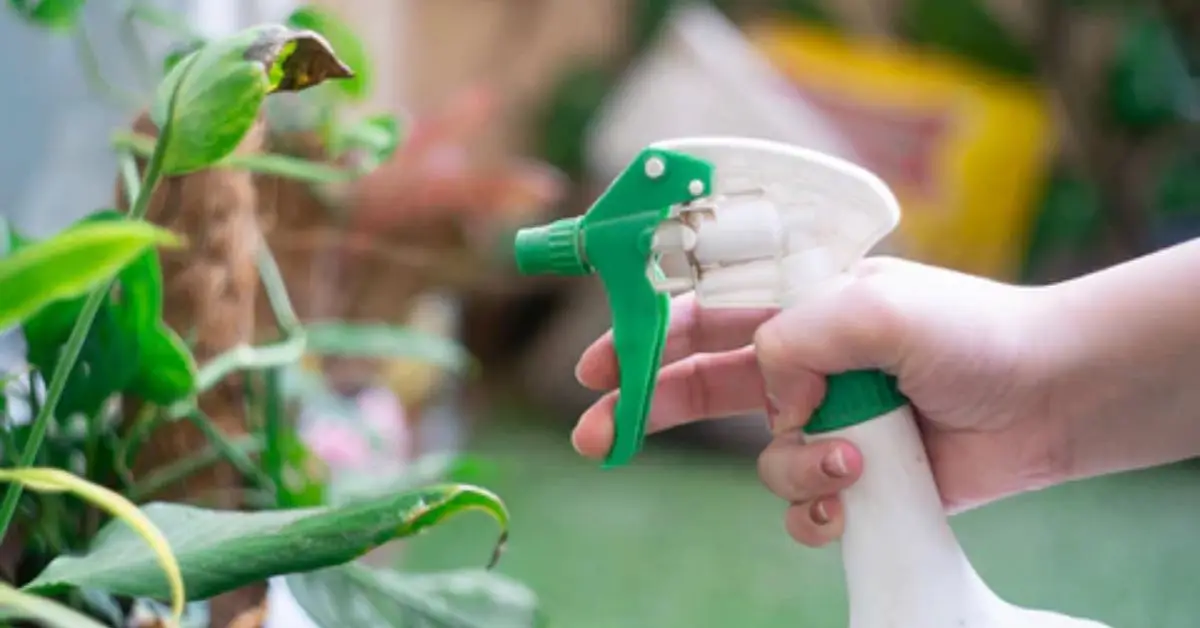
- Ingredients: 2 tsp neem oil, 1 tsp mild soap, 1 liter water
- Instructions:
- Combine all ingredients and shake well.
- Spray early in the morning or late evening to avoid leaf burn.
- Apply once a week for consistent protection.
Garlic & Chili Spray (for strong-smelling deterrent)
- Ingredients: 3 garlic cloves, 1–2 small chili peppers, 1 liter water
- Instructions:
- Blend garlic and chili with water.
- Strain mixture to remove solids.
- Spray on vulnerable plants, especially vegetables.
Essential Oil Mix (for aromatic pest repellent)
- Ingredients: 5–10 drops peppermint or rosemary oil, 1 liter water, a few drops of soap
- Instructions:
- Mix all ingredients in a spray bottle.
- Shake well before each use.
- Spray around leaves and stems to repel flying pests.
If you’re dealing with pests on flowering plants like roses, these proven tips to rescue your rose bush can complement your homemade insecticide sprays for healthier blooms.
Quick Comparison Table
| Spray Type | Best For | Cost (Approx.) | Ideal Plants |
|---|---|---|---|
| Basic Soap Spray | Aphids, Spider Mites | Low | Indoor plants, herbs |
| Neem Oil Spray | Aphids, Whiteflies, Mealybugs | Medium | Vegetable patches, ornamentals |
| Garlic & Chili Spray | Caterpillars, Beetles | Low | Outdoor vegetables, tomatoes |
| Essential Oil Mix | Flying insects | Medium | Indoor & outdoor flowering plants |
Step-by-step instructions and a comparison table make it easy for readers to act immediately without guessing which spray to use.
Dos and Don’ts of Spraying
Even the best homemade sprays can fail if applied incorrectly. Here’s how I make sure every spray counts:
Frequency & Timing
- Spray early morning or late evening to avoid sunlight damage.
- Repeat every 4–7 days depending on pest severity.
Target Areas of Plants
- Always spray undersides of leaves and tender stems.
- Focus on areas where pests are most active.
Safety Precautions
- Wear gloves and avoid inhaling sprays.
- Test on a small section of the plant first to ensure no leaf burn.
- Store leftover sprays in labeled bottles away from children and pets.
Pro Tip: According to Epic Gardening, consistent and careful application is more effective than stronger or frequent sprays.
Following these dos and don’ts ensures your plants stay healthy, you don’t waste ingredients, and pests are controlled effectively.
What Works Best and What to Expect
When I first started making homemade sprays, I quickly realized they’re amazing—but they aren’t magic bullets. It helps to know both their advantages and limitations.
Benefits: Eco-friendly, Cost-effective, Pet-safe
- Eco-friendly: No harsh chemicals harming your soil or beneficial insects.
- Cost-effective: Most ingredients are already in your kitchen or easy to source.
- Pet-safe: You can protect your plants without worrying about dogs, cats, or kids.
Limitations: May require frequent application, not always instant kill
- Frequent application: Some sprays need reapplication weekly or after rain.
- Slower results: Unlike chemical pesticides, these sprays weaken or repel pests gradually rather than instantly killing them.
Being honest about pros and cons builds trust with your readers. They know what to expect and won’t get discouraged if results aren’t immediate.
Beyond Sprays: Natural Pest Prevention Tips
Sprays alone aren’t enough for a healthy garden. I always combine them with preventive habits that keep pests away long-term.
- Companion planting: Plants like marigolds, basil, and nasturtiums naturally repel pests. I often plant them alongside veggies.
- Regular monitoring & pruning: Inspect your plants weekly and remove damaged leaves or infested stems early.
- Homemade traps: Sticky traps or DIY pheromone traps catch flying pests before they multiply.
I found this helpful Facebook reel showing creative DIY traps and companion planting hacks.
These tips go beyond sprays, helping your garden stay healthy while reducing long-term pest problems.
Signs That DIY Sprays Aren’t Enough
Even the best homemade sprays have limits. I always watch for these signs to decide if it’s time to seek professional help:
- Severe infestations: When pests are everywhere, overwhelming multiple plants.
- Disease + pest combination: If you notice wilting, discoloration, or fungal/bacterial spots alongside insect damage. Sometimes pests bring along diseases that can harm your plants; knowing how to treat common garden plant diseases ensures your natural sprays work even better.
Knowing when DIY methods aren’t enough prevents frustration and protects your plants from serious damage.
For practical guidance on severe pest cases, check Greencitizen on natural pesticides. They explain when it’s time to move from DIY solutions to professional options.
Keep Your Garden Thriving: Your DIY Journey Starts Here
By now, you’ve got a solid toolkit of homemade insecticide sprays, preventive tips, and expert insights. I’ve learned over time that keeping your plants healthy isn’t just about killing pests—it’s about understanding them, acting early, and combining natural solutions with smart habits.
Now it’s your turn! Try out these DIY recipes, experiment with companion planting, and watch your garden flourish.
I’d love to hear from you:
- Which spray worked best for you?
- Do you have any creative pest-prevention hacks of your own?
Drop your thoughts in the comments below—let’s share ideas and grow together!
For more practical gardening tips, visit Plant Care Dairy and explore our full range of guides, recipes, and expert advice.
Disclaimer: The information provided in this article is for educational and informational purposes only. While we strive for accuracy, results may vary depending on plant type, pest severity, and environmental conditions. Always test homemade sprays on a small area first and consult a professional for severe infestations or plant diseases.