

When I first started gardening, I thought watering and sunlight were all my plants needed. I quickly learned the hard way that even the most cared-for plants can fall prey to diseases. Common garden plant diseases aren’t just a minor inconvenience—they can stunt growth, ruin blooms, and even wipe out entire harvests if ignored.
You might notice a leaf turning yellow, spots appearing overnight, or stems wilting without any clear reason. That’s usually your garden trying to tell you something. Over the years, I’ve realized that understanding what’s happening beneath the surface—why a plant is sick, how it spreads, and what actually works to treat it—is what separates a struggling garden from a thriving one.
In this guide, I’ll walk you through the most common garden plant diseases, how to spot them early, and practical ways to treat and prevent them. By the time you finish reading, you’ll not only recognize the warning signs but also feel confident taking action to keep your garden healthy and vibrant.
Understanding Plant Disease Types
When it comes to keeping your garden healthy, the first step is understanding the different types of plant diseases. Each type behaves differently, spreads in unique ways, and requires specific treatments. Let’s break them down.
Fungal Diseases
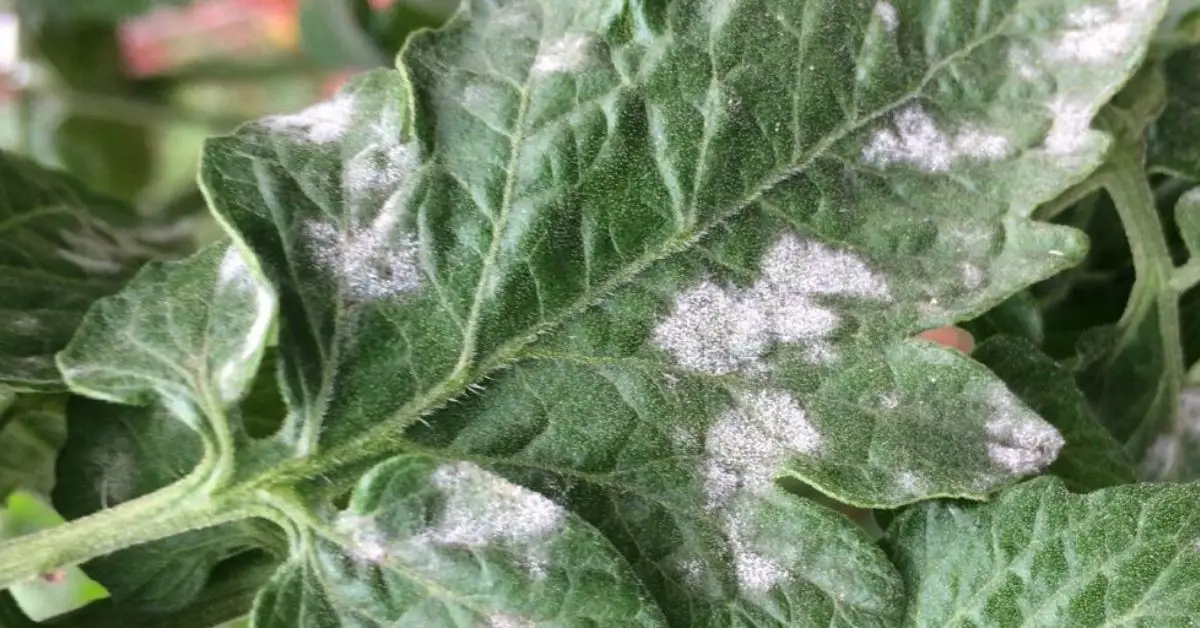
Fungal infections are the most common garden problems, and they often spread quickly in warm, damp conditions. Here’s what I’ve learned about the major types:
- Powdery Mildew
- Symptoms: White, powdery coating on leaves and stems
- Plants affected: Roses, cucumbers, squash, and many ornamental plants
- Prevention & Tips: Ensure good air circulation, avoid overhead watering, and prune infected leaves promptly
- Downy Mildew
- Symptoms: Yellow or pale spots on upper leaf surfaces; grayish mold underneath
- Plants affected: Lettuce, spinach, grapes
- Prevention & Tips: Use disease-resistant varieties, water early in the day, and remove affected leaves immediately
- Rust
- Symptoms: Orange or brown pustules on leaves and stems
- Plants affected: Beans, hollyhocks, roses
- Prevention & Tips: Remove and destroy infected plant debris, rotate crops, and keep leaves dry
- Leaf Spot
- Symptoms: Circular spots that may be brown, black, or tan
- Plants affected: Tomatoes, peppers, roses
- Prevention & Tips: Mulch to prevent soil splash, avoid overcrowding, and use fungicides only if necessary
Fungal infections spread fast, so knowing how to spot and prevent them early can save your entire garden. For more guidance, I often check reliable resources like Britannica’s plant disease guide to stay updated.
Bacterial Diseases

Bacterial infections behave differently than fungi—they often require precise hygiene and targeted treatments:
- Bacterial Wilt
- Symptoms: Sudden wilting of entire plants, often with dark streaks in stems
- Plants affected: Tomatoes, peppers, cucumbers
- Prevention: Avoid contaminated tools, rotate crops, and remove infected plants promptly
- Bacterial Blight
- Symptoms: Water-soaked spots on leaves that turn brown and dry
- Plants affected: Beans, cabbage, soybeans
- Prevention: Use certified disease-free seeds and maintain proper spacing
- Fire Blight
- Symptoms: Blackened shoots and leaves that appear scorched
- Plants affected: Apples, pears
- Prevention: Prune carefully, sterilize tools, and remove infected branches early
Misidentifying bacterial infections as fungal can lead to wasted fungicide sprays and worsening disease. Knowing the difference saves effort and protects your garden.
Viral Diseases
Viruses are tricky because once a plant is infected, it often can’t be cured, so prevention is key:
- Mosaic Virus
- Symptoms: Mottled or streaked leaves, stunted growth
- Plants affected: Tomatoes, cucumbers, peppers
- Prevention: Remove infected plants, control aphid populations, and use resistant varieties
- Tomato Spotted Wilt Virus
- Symptoms: Ring spots on leaves, bronzing, and stunted fruit
- Plants affected: Tomatoes, peppers, lettuce
- Prevention: Control thrips (tiny insects that spread the virus) and practice crop rotation
- Tobacco Rattle Virus
- Symptoms: Ring patterns, deformed leaves, slow growth
- Plants affected: Potatoes, radishes, tobacco
- Prevention: Avoid infected soil and control nematode populations
Viral infections are often irreversible, so identifying and stopping the spread early is critical.
Nematodes & Other Pests That Cause Disease-Like Symptoms
Sometimes, what looks like a disease is actually caused by pests or nematodes:
- Root-Knot Nematodes
- Symptoms: Galls or knots on roots, stunted growth
- Prevention: Rotate crops, use resistant varieties, and solarize soil
- Aphid-Transmitted Viruses
- Symptoms: Leaf curling, yellowing, and mottled patterns
- Prevention: Encourage natural predators like ladybugs, spray neem oil
Many gardeners confuse pests with diseases, leading to wrong treatments. Integrated management—combining pest and disease control—is essential for a thriving garden.
Recognizing Disease Symptoms
Catching problems early can save your plants from serious damage. Over the years, I’ve learned that observing your plants closely is key:
- Visual Signs
- Leaf spots, yellowing, wilting, or abnormal growth are often the first clues.
- Check both the top and undersides of leaves—some fungal infections start underneath.
- Growth & Behavioral Changes
- Stunted growth, premature leaf drop, or deformed flowers can indicate deeper issues.
- Compare your plant’s development to healthy specimens in your garden or local nurseries.
- Seasonal Patterns & Environmental Triggers
- Certain diseases flare during wet seasons, high humidity, or temperature extremes.
- Recognizing these patterns helps predict and prevent outbreaks.
By spotting early warning signs, you can act before infections spread, saving time, money, and frustration. For reference, Epic Gardening’s guide offers excellent examples of visual symptoms.
Diagnosis and Identification

Accurate diagnosis is the backbone of effective treatment. Misidentifying a disease often leads to wasted effort and worsening problems:
- Smartphone Apps & AI Tools
- Apps like Plantix or PictureThis help identify diseases from leaf photos.
- Always double-check results; apps are helpful but not foolproof.
- DIY Microscopy or Lab Tests
- For serious infections or high-value crops, simple lab tests can confirm the pathogen type.
- Local university extension programs often offer testing services.
- Common Mistakes
- Confusing nutrient deficiencies with diseases.
- Treating fungal infections with insecticides or vice versa.
Proper identification reduces trial-and-error, ensuring that your treatment works the first time and prevents further plant stress.
Treatment Strategies
Once you know the type of disease, it’s time to act. I always prefer a layered approach—using organic methods first, then chemicals if needed, while improving environmental conditions:
Organic & Home Remedies
- Neem Oil, Garlic, or Baking Soda Sprays
- Effective for mild fungal and bacterial infections.
- Apply consistently, especially after rain or high humidity.
- Compost Teas
- Boosts beneficial microbes that suppress pathogens naturally.
- Companion Planting & Natural Predators
- Plants like marigolds repel pests, and ladybugs control aphids.
Organic methods are safe, eco-friendly, and perfect for home gardeners who want long-term plant health. Before reaching for chemical sprays, you might want to try some plant-based pest solutions—they can tackle pests safely while supporting your garden’s long-term health. For more tips, check out EarthSally’s disease control guide.
Chemical Treatments
- Fungicides, Bactericides, Insecticides
- Use targeted products only when organic measures aren’t enough.
- Always read labels and follow safety instructions to avoid plant damage or resistance buildup.
- When & How to Apply
- Apply in the early morning or late evening to prevent leaf burn.
- Rotate chemicals to minimize resistance.
Gives you professional-grade options for serious infections, while teaching safe usage practices.
Cultural & Environmental Controls
- Crop Rotation & Soil Management
- Prevents pathogens from building up in the soil.
- Use compost and mulch to maintain soil health.
- Pruning, Proper Spacing, Watering Techniques
- Improves air circulation and reduces humidity around leaves.
- Water at the base rather than overhead to prevent fungal spread.
- Mulching & Improving Air Circulation
- Reduces weed growth and keeps roots healthy.
- Helps control temperature and moisture levels.
These practices prevent recurrence, address root causes, and ensure your garden stays healthy season after season.
Prevention – Best Practices for a Healthy Garden
From years of gardening, I’ve learned that prevention is always better than cure. A few simple habits can make your garden much more resilient:
- Choosing Disease-Resistant Plant Varieties
- Select plants bred to resist common infections in your region.
- This reduces the chances of recurring problems and makes maintenance easier.
- Seasonal Hygiene and Sanitation Practices
- Regularly remove dead leaves, fallen fruits, and debris.
- Disinfect your tools between plants to avoid spreading pathogens.
- Soil Health & Composting Tips
- Healthy soil encourages strong plant immunity.
- Add compost regularly and maintain proper drainage to prevent root diseases. If you’re looking to improve soil health and boost plant immunity naturally, using wood ash can be surprisingly effective—but you also need to know what to avoid to keep your plants safe.
- Preventing Cross-Contamination Between Plants
- Avoid moving infected plants or soil around the garden.
- Use separate gloves or containers when handling plants with symptoms.
These steps empower you to act proactively, saving time, money, and frustration while keeping your plants healthier.
Common Myths and Misconceptions

Even experienced gardeners can fall for common myths. Clearing them can save you a lot of wasted effort:
- “All Yellow Leaves Mean Disease”
- Yellowing can result from nutrient deficiency, overwatering, or natural leaf aging.
- “Chemical Treatments Always Cure Plants”
- Chemicals only work if the disease is correctly identified and applied at the right time.
- “Organic Solutions Are Ineffective”
- Properly applied organic sprays, compost teas, and companion planting can manage many common infections.
Busting these myths helps you make informed decisions and treat your plants effectively without unnecessary stress.
Extra Tips for Gardeners
Here are a few practical tips I always share to make daily gardening easier and more effective:
- Seasonal Disease Calendar
- Keep track of common diseases in spring, summer, and fall to anticipate problems.
- Adjust watering, pruning, and care routines according to the season.
- Quick Preventive Sprays & Care Checklist
- Maintain a small supply of safe sprays for early intervention.
- Check leaves weekly for subtle signs of trouble.
- Simple Monitoring Methods for Small Gardens
- Take photos over time to notice small changes in growth or leaf color.
- Keep a small log of watering, weather, and plant health for better tracking. For succulent lovers, understanding the specific care needs of plants like aloe vera can help prevent disease and ensure strong, healthy growth.
These tips provide actionable takeaways, making it easier to prevent disease and share your knowledge with fellow gardeners.
Keep Your Garden Thriving
Over the years, I’ve learned that healthy gardens aren’t just about treating problems—they’re about observing, preventing, and nurturing. By understanding the different types of plant diseases, recognizing early symptoms, and combining organic, chemical, and cultural strategies, you can protect your garden effectively.
Remember, every garden is unique. What works for one plant might not work for another, so stay curious, experiment safely, and trust your observations. Small habits like proper spacing, seasonal cleaning, and monitoring leaves can make a huge difference over time.
I’d love to hear from you: Which plant in your garden do you worry about the most, and what’s your favorite tip for keeping it healthy? Share your experience and let’s learn from each other.
Want more gardening tips and practical advice to keep your plants healthy? Visit Plant Care Dairy and explore our full range of guides, tips, and seasonal care checklists!
Disclaimer: This article is for general gardening guidance. Results may vary, so always test new methods carefully and consult local experts if needed.