

I’ve seen it happen so many times—people killing their favorite houseplants without realizing it’s often because of how they water them. You might think you’re helping your green buddies, but too much or too little water can stress them out or even kill them. The tricky part? Every plant is different, and watering isn’t just about “once a week” or “when the soil feels dry.” It’s about understanding what your plant really needs, the environment it’s in, and how to listen to the signs it gives you.
In this article, I’ll share exactly how you can water your houseplants correctly to keep them thriving. You’ll get clear, practical tips that go beyond vague advice, plus expert insights and real-life hacks. By the end, you’ll feel confident knowing when, how much, and how often to water—so your plants can grow healthy and happy, not just survive. Ready to become a watering pro? Let’s dive in.
Understanding Your Houseplants’ Water Needs
One of the biggest mistakes I see is treating all houseplants like they need the same amount of water. But the truth is, your watering routine needs to match the specific needs of each plant. A cactus or succulent, for example, stores water in its thick leaves and needs far less frequent watering than a fern, which thrives in consistently moist soil.
Then there’s the soil and pot your plant lives in. Some soils drain quickly, while others hold moisture longer. Clay pots tend to dry out faster than plastic or glazed ceramic ones because they’re porous. So, knowing what’s under your plant’s roots helps you figure out how often to water.
Don’t forget your home environment. If your plants are sitting by a sunny window, they’ll drink more water. If the air inside your house is dry—say, during winter heating season—you might need to water more often. During extreme heat or heatwaves, your watering routine needs extra attention — here are 5 practical tips to keep your plants alive in scorching heat that can help. Conversely, cooler, darker rooms with higher humidity slow down water loss.
To make this easier, here’s a quick way to categorize your plants by watering needs:
- Low water needs: Succulents, cacti, snake plants — water only when soil is completely dry
- Moderate water needs: Pothos, spider plants, peace lilies — water when top inch of soil feels dry
- High water needs: Ferns, calatheas, some tropical plants — keep soil consistently moist but not soggy
Understanding these basics helps you stop guessing and start watering smarter. Your plants will thank you for it.
Signs Your Houseplants Are Thirsty or Overwatered

Learning to read your plant’s signals can save it from serious damage. Here’s what to look for:
1. Signs of Underwatering
- Wilting or drooping leaves
- Dry, crumbly soil that pulls away from the pot edges
- Leaves curling inward or turning crispy at the edges
2. Signs of Overwatering
- Yellowing or soft, mushy leaves
- Mold or fungus growing on the soil surface
- Sour or musty smell coming from the soil
- Roots that appear black or rotten if you check
3. How to Use Touch and Smell
- Healthy soil should feel slightly moist but never soggy
- If the soil is wet and smells off, it’s a red flag to hold off watering
4. Easy DIY Moisture Tests
- Stick your finger about an inch deep into the soil; if it feels dry there, it’s time to water
- Use a wooden skewer: insert it into the soil and pull it out; if it’s clean and dry, your plant needs water
For more detailed tips on recognizing these signs and simple moisture testing, I found this Better Homes & Gardens guide very helpful when I was learning the ropes.
How to Water Houseplants Correctly — Step-by-Step Guide

Watering your houseplants might sound simple, but doing it right makes all the difference. Here’s how I approach it step-by-step:
1. Prepare Your Tools
- Use a watering can with a narrow spout for precise control
- Consider a moisture meter if you want to avoid guesswork—these gadgets can tell you exactly when your plant needs water
- Have a tray or saucer ready to catch excess water and protect your furniture
2. Master the Watering Technique
- Water slowly and evenly so the soil absorbs moisture without flooding
- Try bottom watering occasionally by placing your pot in a shallow tray of water for about 10–15 minutes—this lets roots soak up water naturally
- Avoid splashing water on leaves to prevent mold and pests
3. Prioritize Drainage
- Make sure your pots have drainage holes—this prevents roots from sitting in stagnant water
- If your pot doesn’t drain well, add a layer of small stones or broken pottery pieces at the bottom to improve flow
- Always empty excess water from saucers to stop root rot
4. Water Temperature & Quality Matter
- Use room-temperature water; cold water can shock roots and hot water can damage them
- If possible, use filtered or rainwater—tap water sometimes contains chemicals that may build up and harm plants. Also, if you’re thinking about natural additives or soil amendments to boost plant health, here’s a useful guide on the benefits and risks of wood ash for plants.
5. Create a Flexible Watering Schedule
- Watering frequency depends on plant type, pot size, soil, and environment—there’s no one-size-fits-all
- Check your plant’s soil moisture regularly instead of sticking rigidly to a calendar
- Adjust watering based on seasons—less in winter, more during growing seasons
For an easy-to-follow, in-depth guide on watering techniques and tools, I recommend this helpful resource from Joyus Garden. It’s packed with practical tips that helped me perfect my watering routine.
Seasonal Adjustments: Watering Tips for Each Season
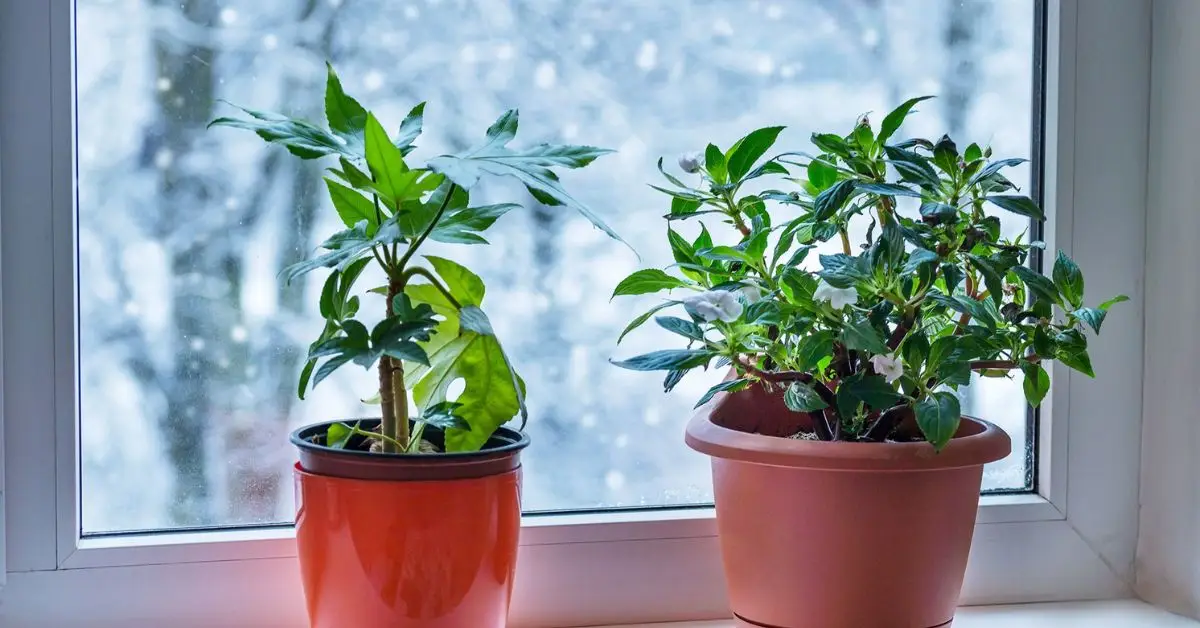
One of the biggest watering mistakes is treating every season the same, even indoors. But your plants notice the changes in temperature, light, and humidity just like you do—and they adjust their water needs accordingly.
1. Why Watering Changes with the Seasons
In winter, most houseplants slow down their growth and use less water. At the same time, indoor heating can dry out the air and soil, creating a tricky balance. In summer, longer daylight and higher temperatures mean plants drink more, but increased humidity can slow evaporation. If you want to understand more about how plants sense heat and adjust their water needs, check out this detailed article on how plants sense heat and adjust their water needs.
2. Adjusting Frequency and Volume
- Winter: Water less often and give smaller amounts. Let the top inch of soil dry out more than usual before watering again.
- Summer: Increase watering frequency and volume, but still watch for soggy soil—plants grow faster but roots can drown if overwatered.
3. Indoor Heating and Air Conditioning Impact
Heating systems dry out the air, causing soil to lose moisture quicker, so plants near heaters might need more frequent checks. On the flip side, air conditioning cools the air and can reduce evaporation, meaning watering needs might drop in AC-cooled rooms.
4. Keep an Eye on Light Changes
Shorter daylight in winter means less energy for plants to use water, while bright summer light boosts their water uptake. Position your plants accordingly and adjust watering based on how much natural light they get throughout the year.
Seasonal awareness is a simple but powerful way to keep your houseplants healthy year-round.
Common Watering Mistakes to Avoid
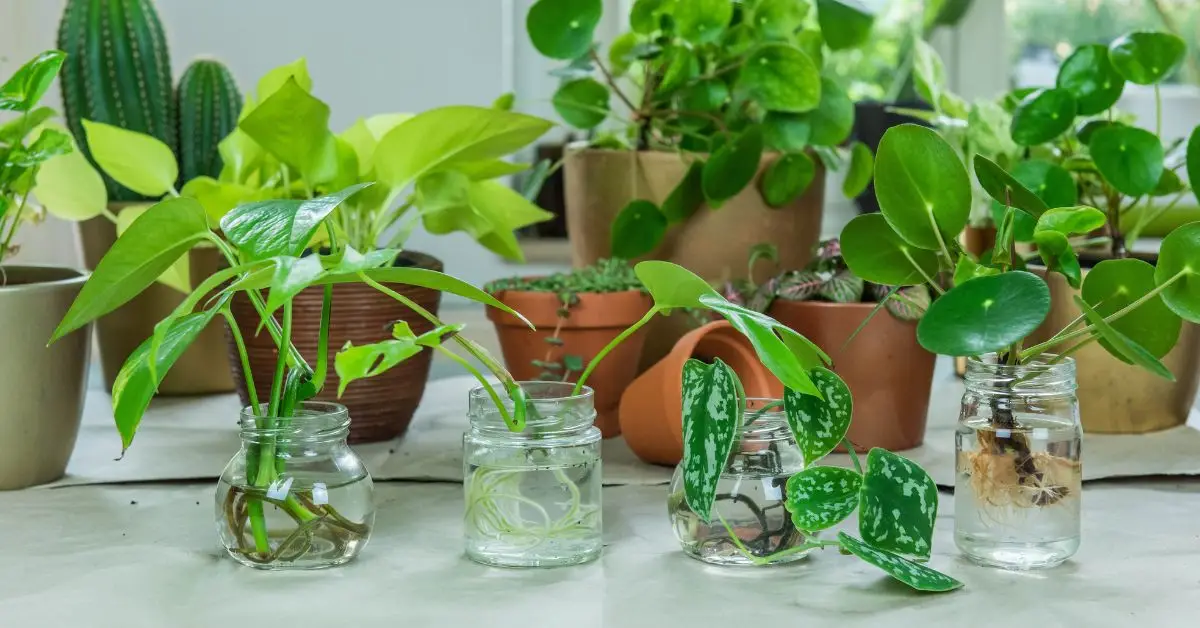
Even with the best intentions, watering errors can sneak in and harm your plants. Let’s talk about the biggest pitfalls so you can dodge them easily.
1. Overwatering — The #1 Killer
Most houseplant problems trace back to overwatering. It drowns roots, leads to rot, and invites pests and diseases. To avoid this, always check soil moisture before watering and make sure your pots drain well. Remember, it’s easier for a thirsty plant to recover than one that’s been waterlogged.
2. Watering at the Wrong Time of Day
Watering when your plants can’t use it properly is another common mistake. Early morning is ideal—it lets plants absorb water before the heat of the day. Avoid watering late in the evening or at night when excess moisture can encourage mold and fungus.
3. Using Tap Water Without Letting It Settle
Tap water often contains chlorine or other chemicals that can upset sensitive plants. Letting water sit out for 24 hours before using it allows these chemicals to dissipate, making it gentler for your plants.
4. Ignoring Pot Drainage or Soil Type
A pot without drainage holes is a recipe for disaster. Water needs somewhere to go, or your roots will sit in soggy soil. Also, different soil types hold water differently—knowing what you’re working with helps you water just right.
Avoiding these mistakes will save you frustration and keep your plants thriving longer.
Bonus: Smart Tools & Apps for Perfect Watering
If you’re into gadgets or just want a bit of tech help, there are some handy tools and apps that can make watering way easier and more precise.
1. Popular Moisture Meters and Smart Sensors
Devices like the Xiaomi Mi Plant Sensor or the Groove Smart Water Sensor measure soil moisture, light, and temperature, sending alerts straight to your phone. They take the guesswork out of watering, especially if you have lots of plants or a busy schedule.
2. Apps to Track Watering Schedules
Apps like Plant Nanny or Gardenia help you set reminders and keep track of watering, fertilizing, and general plant care. They’re great for staying consistent without overwhelming yourself.
3. DIY Moisture Meter Ideas
On a budget? You can make a simple moisture meter with household items like wooden skewers or chopsticks. Stick one into the soil and pull it out—the drier it is, the less moisture it’s holding.
If you want a quick look at some popular devices and their pros and cons, this Joyus Garden guide breaks them down nicely.
Summary & Action Plan — Water Your Plants Like a Pro
Let’s wrap this up with a quick checklist so you can start watering confidently right away:
- Know your plant’s specific water needs—no one-size-fits-all here
- Check soil moisture before every watering; trust your touch and nose
- Water slowly, evenly, and make sure excess drains away
- Adjust watering with the seasons and your indoor environment
- Avoid common mistakes like overwatering or watering at night
- Use tech tools or apps if you want extra help staying on track
- Stay patient and observe your plants—they’ll tell you what they need
Remember, healthy houseplants don’t come from rigid schedules but from paying attention and adapting. Start today, and you’ll see your green friends thrive.
How do you manage watering your houseplants? Do you have any tips or struggles you’d like to share? Drop a comment below—I’d love to hear your experience and help out!
For more expert tips and tricks to keep your plants thriving, visit Plant Care Dairy—your go-to place for everything houseplants!
Disclaimer: The information provided here is for general guidance only. Individual plant needs may vary based on species, environment, and care conditions. Always observe your plants closely and adjust care as needed. Plant Care Dairy is not responsible for any damage or loss resulting from following this advice.