
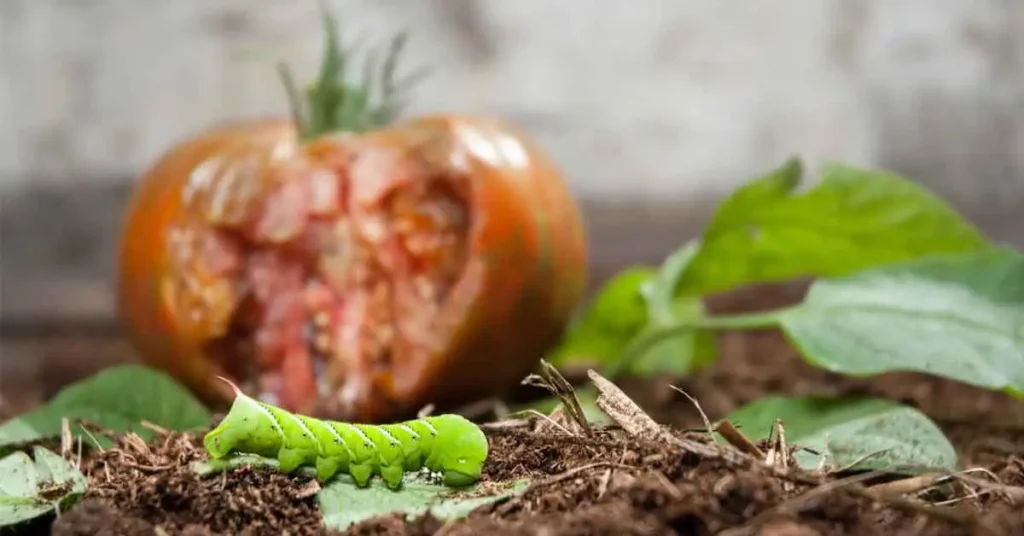
If you’ve ever seen your once-thriving tomato plants suddenly devoured by large, green caterpillars, chances are you’ve encountered the dreaded hornworm. These garden invaders are more than just an inconvenience — they can destroy your crops in the blink of an eye. As a gardener, you know the feeling of watching your hard work get undone in a matter of days, and that’s why controlling and preventing hornworms is essential for a successful harvest.
But don’t worry — it’s not all doom and gloom. By learning how to spot these pests early and implementing the right strategies, you can protect your plants and keep your garden healthy. And trust me, it’s easier than you think. In this guide, we’ll dive into everything you need to know to keep hornworms at bay and ensure that your garden stays vibrant and thriving. Let’s get started!
The Destructive Impact of Hornworms on Plants
Hornworms are one of the most destructive pests a gardener can face, especially when they target your tomatoes and other vegetables. These voracious eaters can defoliate plants within days, stripping them of leaves, stems, and even entire fruit. The real damage? Your plants don’t just look unhealthy — they struggle to produce the crops you’ve worked so hard to grow.
For example, a single hornworm can consume several square inches of leaf tissue every day. And while they start small, they grow fast, reaching up to 4 inches in length. Their favorite foods? Tomatoes, peppers, and even eggplant. If you’re growing any of these, you’re at risk.
The consequences of an unchecked hornworm infestation are serious:
- Reduced Photosynthesis: As they eat leaves, they limit the plant’s ability to produce food for itself, stunting growth and slowing down fruit production.
- Wilting and Stress: Plants that lose too much foliage will begin to wilt and stress, making them more susceptible to disease and other pests.
- Total Crop Loss: If the infestation is severe, hornworms can destroy entire crops, leaving you with empty, damaged plants and wasted time.
While hornworms can devastate your garden, they are just one of many pests and diseases that threaten plant health. To understand other common garden problems, check out our guide on common garden plant diseases and how to treat them.
How to Spot Hornworms Before It’s Too Late

Catching a hornworm infestation early is key to preventing long-term damage. The sooner you spot them, the better your chances are of saving your plants. But what should you be looking for? Here are a few telltale signs:
- Chewed Leaves: One of the first signs is missing or damaged leaves, especially on your tomato and pepper plants. If you see irregular holes or chunks missing, it’s time to inspect further.
- Green Caterpillars: Hornworms are large, green caterpillars that blend into your plants. They’re about 3-4 inches long and have a horn-like protrusion at the back of their heads, which is where they get their name.
- Black Droppings: Another sign of hornworms is their droppings. If you notice small, dark pellets around the base of your plants or on the leaves themselves, it’s a clear indicator that hornworms are feeding nearby.
If you’re familiar with hornworms, you’re probably also aware of other pests that can cause havoc in your garden. Learn how to spot and manage cabbage worms as well in our guide on identifying and defeating cabbage worms.
When to Act:
- Look for Hornworms Early: You don’t have to wait for your plants to be completely stripped. Check your plants regularly, especially during the growing season.
- Inspect Under Leaves: Hornworms often hide under leaves during the day. Gently lift the leaves to find these hidden pests.
- Check Late at Night: Hornworms are most active at night. If you want to catch them in action, take a flashlight and inspect your plants after sunset.
By catching hornworms early, you can save your plants from significant damage. For more detailed pest identification tips, check out this University Extension guide, which can help you spot these pests before they take over your garden.
Remember, the earlier you spot hornworms, the easier they are to manage. Keep an eye out for these signs and take action at the first sign of trouble — your plants will thank you for it!
Natural Solutions: Safe and Effective Control Methods
When it comes to controlling hornworms, there’s no need to reach for harsh chemicals right away. As a gardener, you can take a more eco-friendly approach to handle these pests while keeping your plants and the environment safe. Here are some organic methods that work wonders:
- Introduce Natural Predators: One of the best ways to combat hornworms is by inviting their natural predators into your garden. Beneficial insects like trichogramma wasps and parasitic flies lay their eggs inside the hornworms, eventually killing them. These beneficial bugs are natural allies in maintaining a balanced ecosystem in your garden.
- Handpicking: It may sound tedious, but manually removing hornworms from your plants is one of the most effective and immediate ways to control them. Simply inspect your plants regularly, especially under the leaves where hornworms like to hide. Use gloves or tweezers to pick them off and drop them into a container of soapy water to dispose of them.
- Neem Oil: Neem oil is a powerful, organic pesticide that disrupts the hornworm’s feeding and reproductive system. It’s safe for your plants, beneficial insects, and the environment. You can spray it directly onto the leaves, but be sure to follow the instructions for the right dilution to avoid harming your plants.
Why Choose Organic Methods? These natural solutions help you keep your garden safe from harmful chemicals while controlling hornworms effectively. Using organic methods also promotes a healthier ecosystem in your garden, where beneficial insects can thrive and help with pest control. For more tips on natural pest control, you can check out expert resources from websites like Bonnie Plants.
Should You Turn to Pesticides? What You Need to Know

While organic methods should always be your first line of defense, there may come a time when you need to consider using chemical treatments to control hornworms, especially if the infestation becomes severe. However, it’s crucial to understand the implications of using pesticides and how to choose them wisely.
- When to Use Pesticides: Pesticides should only be a last resort after all organic options have been exhausted. If hornworms are causing significant damage to your crops and organic methods aren’t cutting it, pesticides can help manage the problem. However, they must be used cautiously and responsibly.
- Best Pesticides for Hornworms: If you decide to use chemicals, look for pesticides that are specifically labeled for hornworm control, such as Bacillus thuringiensis (Bt). This natural bacterium is toxic to hornworms but harmless to humans, animals, and beneficial insects when applied correctly.
- Impact on Surrounding Plants: Be mindful of how pesticides affect your garden’s overall health. Some chemicals can kill helpful insects or damage surrounding plants, so always follow application instructions carefully and only use when absolutely necessary.
If you’re considering pesticides, GardenTech offers a detailed guide on how to use them responsibly and ensure that your garden remains as healthy as possible while managing the hornworm threat.
Long-Term Strategies for Preventing Hornworms in Your Garden
While controlling hornworms is crucial for immediate protection, preventing future infestations is just as important for long-term garden health. The good news is, you don’t have to wait until the pests arrive — there are several strategies you can implement now to significantly reduce the likelihood of hornworm problems in the future.
Here are some proven, proactive techniques to keep hornworms at bay:
- Crop Rotation: One of the most effective ways to prevent hornworms is by practicing crop rotation. By changing the location of your crops each year, you disrupt the hornworm’s life cycle. Hornworms typically target specific plants, such as tomatoes and peppers, so rotating your crops means they won’t be able to find their preferred food source year after year. This simple method helps reduce their presence and keeps your garden diverse and healthy.
- Companion Planting: Another powerful strategy is companion planting. By pairing certain plants together, you can create a natural barrier that deters hornworms and other pests. For example, planting basil near tomatoes can confuse or repel hornworms due to its strong scent. Marigolds, too, are known to repel many pests, including hornworms, and can be planted around your vegetables to act as a protective border.
- Maintain Garden Cleanliness: Hornworms are often hiding in the remnants of old plants, so keeping your garden clean and free from debris is a must. After harvest, clear away any leftover plant material or fallen fruit, as these can provide a breeding ground for hornworms and other pests. Regularly prune and remove diseased or damaged plant parts as well, as this prevents the pests from finding a home in your garden.
For comprehensive tips on protecting your tomatoes and keeping them disease-free, check out our article on common tomato plant diseases and how to treat them.
By adopting these sustainable methods, you’re not just controlling hornworms — you’re creating a garden that is less susceptible to pests in general. These proactive strategies help ensure that your garden remains healthy and productive in the long run.
The Power is in Your Hands: Control Hornworms and Protect Your Garden

By now, you’ve learned that controlling hornworms doesn’t have to be a daunting task. With the right knowledge and actions, you can protect your garden and ensure your plants stay healthy all season long. Whether you’re using organic solutions like introducing natural predators, handpicking, or turning to more sustainable strategies like crop rotation and companion planting, the power to control hornworms is in your hands.
Remember, the key to success is being proactive. By regularly inspecting your plants and using a combination of natural and, if necessary, chemical solutions, you can keep hornworms away and safeguard your garden for the future.
It’s time to take control and give your garden the best chance to thrive. With the right approach, hornworms won’t stand a chance!
Now, it’s your turn: Have you dealt with hornworms in your garden? Share your experiences or any tips you have for controlling them in the comments below — we’d love to hear from you. If you found this article helpful, don’t forget to share it with your fellow gardeners or visit Plant Care Dairy for more gardening tips and advice. Together, we can all keep our gardens healthy and hornworm-free!
Disclaimer: The information provided in this article is for general gardening guidance. While the methods mentioned are effective for most gardeners, results may vary depending on local conditions and plant types. Always follow product instructions and consult with a local gardening expert if you’re unsure about the best approach for your garden.