
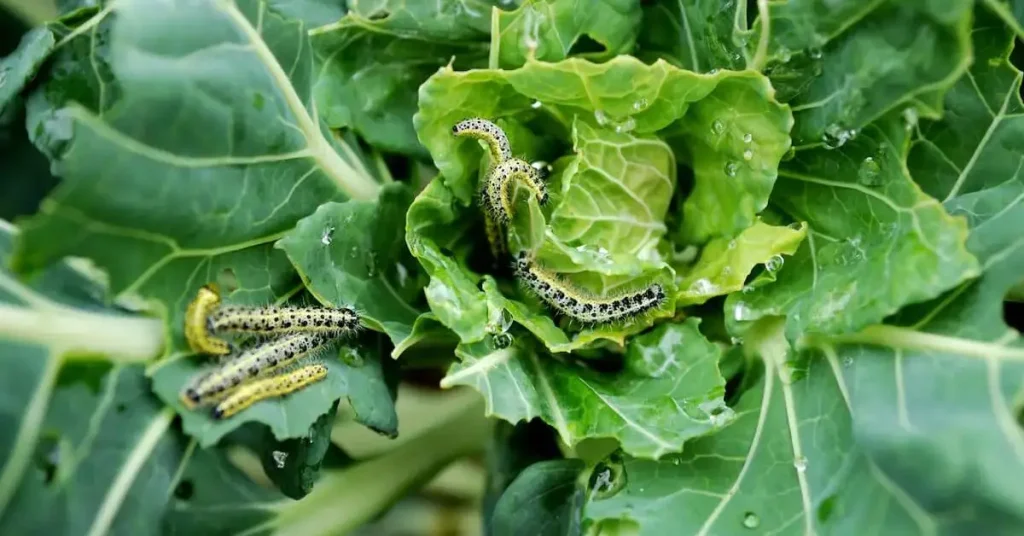
Dealing with pests in your garden can be frustrating, and one of the most notorious troublemakers is the cabbage worm. If you’ve noticed holes in your cabbages, broccoli, or kale, there’s a good chance these little pests are to blame. But don’t worry, you’re not alone. Every year, gardeners face this issue, and with the right knowledge and tools, you can defeat cabbage worms before they ruin your crops.
I know it can be overwhelming at first, especially when it feels like the problem is spreading fast. But understanding what you’re up against is the first step in fighting back. In this guide, I’m going to walk you through everything you need to know about identifying cabbage worms, understanding their behavior, and most importantly, defeating them—with methods that actually work.
Whether you’re new to gardening or have dealt with pests before, this article will give you practical, expert-backed tips to keep your garden healthy and thriving. Ready to get started? Let’s dive into how you can spot these pests and stop them in their tracks!
What Are Cabbage Worms and Why Are They a Threat to Your Garden?
Understanding the pest you’re dealing with is the first step in winning the battle. Cabbage worms are the larvae of certain moths, and they’re notorious for wreaking havoc on your cruciferous plants. Whether you’re growing cabbages, kale, broccoli, or other members of the cabbage family, cabbage worms can easily turn your prized crops into a skeleton of their former selves.
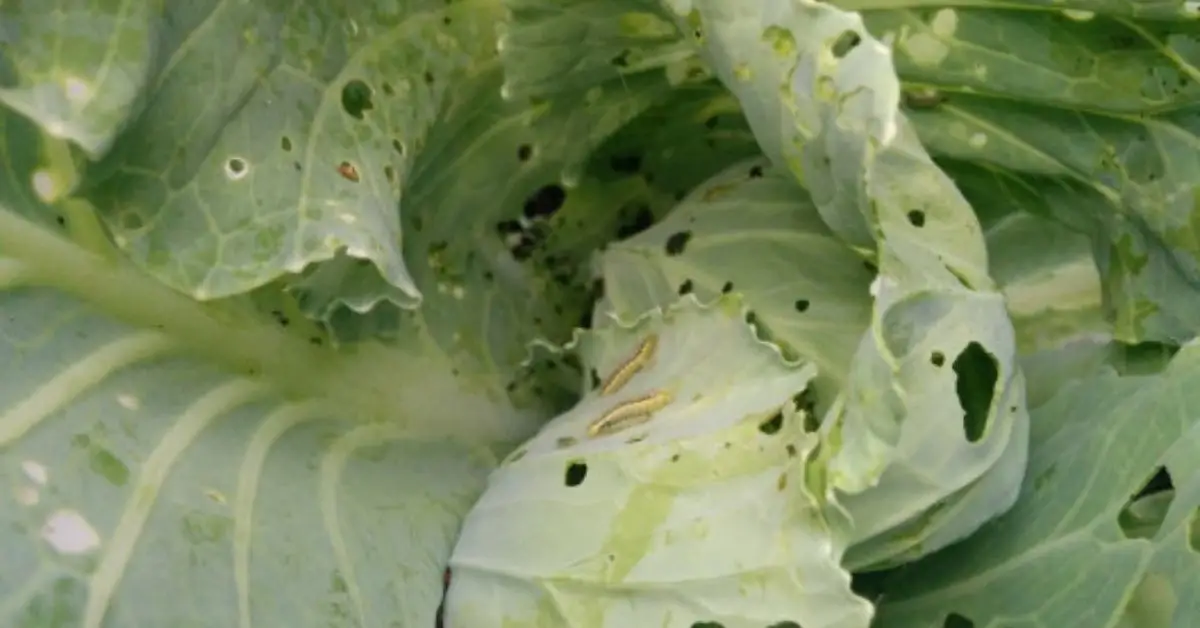
These worms are often small, with green caterpillars being the most common variety. You’ll typically find them munching on the undersides of leaves, where they blend in with their surroundings, making it harder to spot them. However, the damage they leave behind is much easier to identify. Holes, ragged edges, and shredded leaves are all telltale signs that cabbage worms are at work.
What makes cabbage worms especially dangerous is their rapid reproduction cycle. One or two worms can quickly turn into an infestation that decimates your crop. If left unchecked, they can stunt plant growth, damage your harvest, and even lead to complete crop failure.
The impact on your garden goes beyond just the visible damage; reduced plant health can also lead to weaker crops that are more susceptible to other pests and diseases. To make matters worse, cabbage worms can leave behind frass (small black droppings), which is a sign of active feeding and a surefire indication that the pests are still around.
Why should you care about this? The quicker you spot cabbage worms, the less damage they will do. And the best way to protect your crops is by acting early and using effective control methods. Check out this expert guide on cabbage worms from The Spruce to understand the full extent of the damage they can do.
How to Identify Cabbage Worms in Your Garden
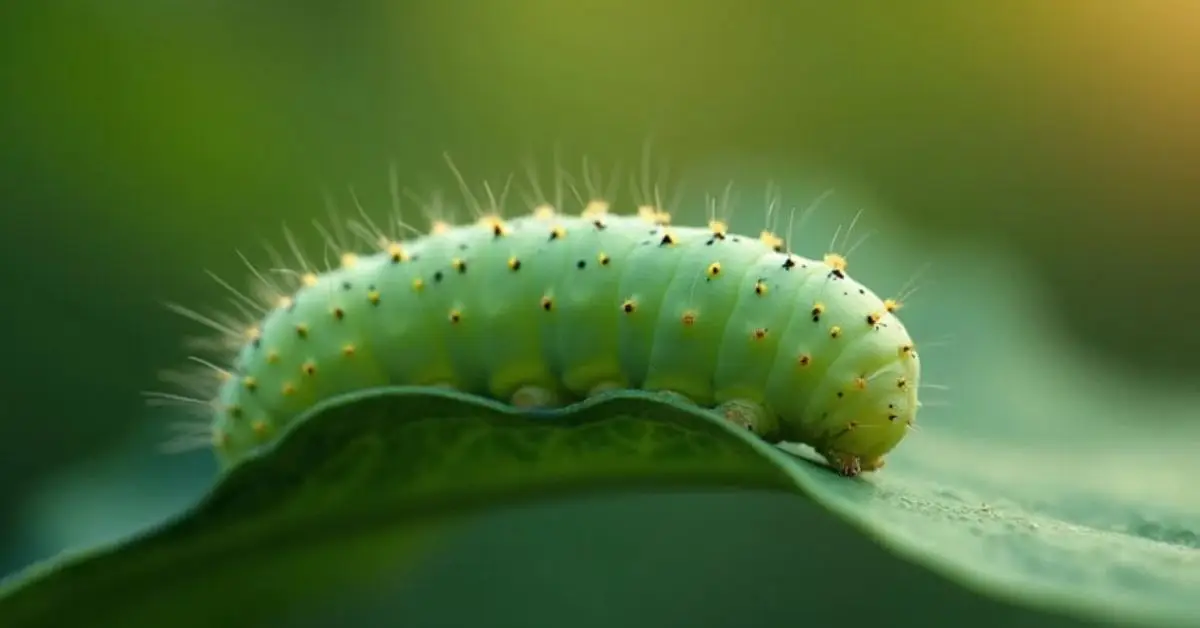
Knowing what you’re looking for is crucial in stopping cabbage worms before they get out of hand. Here’s how you can identify them early, giving you the best chance to fight back.
- Visual Indicators:
- Green caterpillars: The larvae are usually pale green and can sometimes have yellow stripes running along their bodies. As they grow, they become larger and easier to spot.
- Adult moths: The moths that lay the eggs for these worms are white or light gray, often with black spots. They typically fly around your garden in the early morning or evening.
- Signs of Damage:
- Holes in leaves: If you start noticing holes or uneven chewing marks on the leaves of your plants, it’s likely cabbage worms are at work.
- Frass (droppings): If you find small black pellets near the affected plants, you’re probably dealing with cabbage worms. This is their droppings, which they leave behind as they feed.
- Chewed edges: A common sign of cabbage worm damage is irregular, chewed edges on leaves. These worms tend to eat from the inside out, leaving the outer parts of the leaf looking shredded.
If you’ve been dealing with pests beyond cabbage worms, it’s crucial to recognize other common garden diseases as well. For more information on treating these issues, check out our guide on common garden plant diseases and how to treat them.
If you’ve spotted any of these signs in your garden, it’s time to act. Cabbage worms can be sneaky, and by the time you see the damage, they could have already done a significant amount of harm. But don’t worry, early identification is key to preventing further destruction.
By staying vigilant and following these steps, you’ll have a much better chance of catching cabbage worms before they can cause major damage.
Different Types of Cabbage Worms: Understanding Your Enemy
Identifying the right type of cabbage worm in your garden is crucial for effective control. There are several types of cabbage worms, and each requires slightly different management tactics. Let’s take a look at the three most common types:
- Imported Cabbage Worm: This pest is the most common and easily identifiable. Its green caterpillar form typically has a velvety appearance, and you’ll often spot it feeding on the underside of leaves. It’s the larvae of a white butterfly, and the adult butterfly is often seen fluttering around your garden during the day.
- Cabbage Looper: Cabbage loopers have a distinctive looping movement. Unlike the smooth, straight movements of other larvae, cabbage loopers “loop” when they crawl, hence their name. They are usually pale green with white stripes along their bodies and tend to be slightly more aggressive in feeding than other worms.
- Diamondback Moth Caterpillar: This pest is smaller and less noticeable than the other two. Its body is typically green with a diamond-shaped pattern on its back. The diamondback moth caterpillar is known for burrowing deep into plant leaves, making it harder to detect.
Why should you care about identifying them? Knowing which type of cabbage worm you’re dealing with can help you decide on the best control methods. The imported cabbage worm is usually managed by hand-picking or introducing predators, while diamondback moth caterpillars may require more targeted treatments. For detailed identification and tips on controlling cabbage worms, visit The Almanac’s pest control guide.
Organic Ways to Defeat Cabbage Worms: Safe and Natural Solutions
Many gardeners today are leaning towards eco-friendly solutions to control pests, and for good reason. Chemical pesticides can be harmful to beneficial insects and the environment, so opting for natural methods is a great way to protect your garden and the planet.
Here are some safe and effective methods to defeat cabbage worms:
- Hand-picking: The simplest method, but it works! Grab a bucket of soapy water and start searching the undersides of leaves. Manually removing worms is effective if you catch them early. It’s a bit labor-intensive, but it’s chemical-free and great for small infestations.
- Natural Predators: Introduce beneficial insects into your garden. Ladybugs and parasitic wasps are natural enemies of cabbage worms and will help control the population without harming your plants. Parasitic wasps lay their eggs inside the caterpillars, eventually killing them, making them a great ally in your garden battle. Also, learn how to tell if your plants are stressed from overwatering or underwatering in our article on overwatered vs. underwatered plants.
- Neem Oil or Insecticidal Soap: If you prefer a more hands-off approach, neem oil or insecticidal soap is a fantastic natural solution. Both are safe for plants and will kill worms upon contact. Neem oil works by disrupting the worm’s feeding habits, while insecticidal soap suffocates them. Just make sure to spray in the early morning or late evening to avoid harming pollinators.
These natural methods may take a little more time than traditional pesticides, but they’ll preserve the health of your garden and ensure a sustainable solution for years to come.
By using these methods, you’re not only protecting your crops but also fostering a healthier, more balanced garden ecosystem.
Chemical Treatments for Cabbage Worms: When and How to Use Them
While organic solutions are often the go-to for many gardeners, there are times when chemical treatments may be necessary to control a severe cabbage worm infestation. Understanding when and how to use chemicals properly ensures they are effective without causing harm to your plants or the environment.
Here are the most common chemical treatments that work for cabbage worms:
- Bacillus thuringiensis (Bt): This naturally occurring bacterium is a biological pesticide that targets caterpillars like cabbage worms. It’s a safe, environmentally friendly option that doesn’t harm beneficial insects. It works by affecting the digestive system of the worms, killing them once ingested.
- Pyrethrin: A more potent chemical, pyrethrin is derived from chrysanthemums. It’s effective for quickly killing cabbage worms but should be used with caution, as it can affect other insects in your garden. It’s best applied in the evening or early morning when pollinators are not active.
Best Practices for Applying Chemicals:
- Timing: Apply chemicals early in the morning or late evening to avoid harming beneficial pollinators like bees.
- Safety: Always wear protective gloves and follow label instructions carefully. Avoid spraying on windy days to prevent drift onto non-target plants.
- Frequency: If you’re using a product like Bt, you may need to reapply every 7–14 days, especially after rain.
Preventing Future Cabbage Worm Infestations in Your Garden
Prevention is often easier than battling an infestation. By taking proactive steps, you can greatly reduce the chances of cabbage worms returning year after year.
Here are a few preventive measures to keep cabbage worms at bay:
- Crop Rotation: One of the most effective ways to prevent cabbage worms is to rotate your crops each season. By changing plant locations, you confuse the pests, making it harder for them to find their preferred food sources. This is especially important for cruciferous plants like cabbage, broccoli, and kale.
- Row Covers: Using row covers is another great way to physically block cabbage worms from reaching your plants. These covers allow sunlight and rain to pass through but prevent moths from laying their eggs on your plants. If you’re growing tomatoes too, check out our guide on tomato plant diseases and how to treat them.
- Plant Timing: Planting crops at the right time of year is essential to avoid the peak periods of cabbage worm activity. Cabbage worms are most active in the spring and early summer, so try to plant your crops outside of these times or protect them with row covers during these months.
Taking these steps will help you stay ahead of the game and ensure a healthy garden without the threat of cabbage worms ruining your plants.
Cabbage Worm Myths: What Doesn’t Work

In gardening, myths and misinformation can often lead you down the wrong path, wasting time and resources. Let’s clear up some common cabbage worm myths that just don’t work:
- Garlic Spray: Many gardeners swear by garlic spray as a repellent for pests. However, garlic is not effective against cabbage worms. These pests are primarily attracted to the smell of cruciferous plants, not garlic, so spraying garlic on your crops won’t stop them.
- Hot Pepper Spray: Like garlic, hot pepper spray is often touted as a pest control solution. However, cabbage worms are not deterred by spicy smells. This method is more effective for repelling other types of pests, but it won’t work on cabbage worms.
- Using Essential Oils: While essential oils may have some repellent properties, they are not reliable when it comes to cabbage worm control. Peppermint or eucalyptus oils may deter some pests, but cabbage worms are persistent and will continue to feed on your plants.
How to Tell If You’ve Successfully Defeated Cabbage Worms
Once you’ve treated your garden for cabbage worms, it’s important to know when you’ve successfully won the battle. Here’s how you can tell if your efforts have paid off:
- Indicators of Success:
- No more holes in the leaves.
- Fewer or no visible worms or eggs.
- Healthy, clean plant growth with minimal damage.
- Re-evaluation: After a couple of weeks, take a closer look at your plants. If you still see signs of cabbage worms, it may be time for a second treatment. However, if the damage is minimal and you no longer see pests, you’ve likely defeated them.
For a deeper look at how to track and evaluate pest control in your garden, visit trusted gardening sources like Gardening Tech for detailed guides on pest management.
Final Thoughts: Keep Your Garden Safe from Cabbage Worms
Cabbage worms can be a major threat to your garden, but with the right knowledge and actions, you can protect your plants and enjoy a healthy, thriving garden. From identifying the pests early to using safe, natural solutions, there are many ways to defeat these destructive worms.
Remember, early identification is key to stopping an infestation before it spreads. Whether you choose hand-picking, introduce natural predators, or use targeted chemical treatments, consistency is crucial. Also, don’t forget that prevention—like crop rotation and row covers—can save you time and effort in the long run.
What works best for you in controlling cabbage worms? Share your experiences in the comments below! And for more tips on keeping your garden healthy and pest-free, visit Plant Care Dairy. Your plants will thank you for it!
Disclaimer: The methods and treatments mentioned in this article are for informational purposes only. Always follow product instructions and consult with a gardening expert or professional before using chemicals or treatments in your garden.