
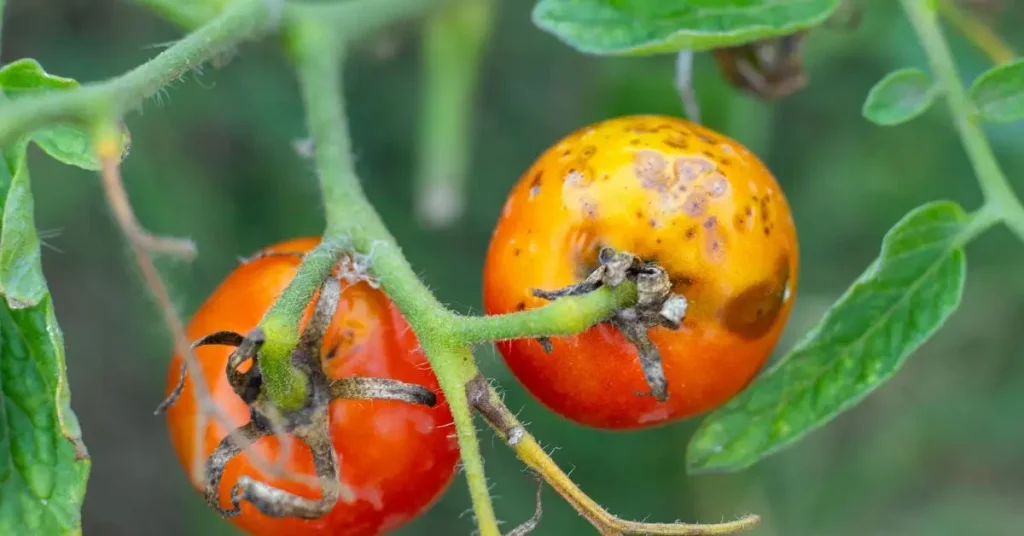
If you’ve ever grown tomatoes, you know how exciting it is to see those green seedlings turn into plump, juicy fruits. But there’s a catch—tomato plants are surprisingly delicate, and a single disease can wipe out weeks of hard work in no time. I’ve been gardening for years, and I’ve learned the hard way that spotting problems early is the key to keeping your harvest healthy.
In this article, I’m going to walk you through 9 common tomato plant diseases that every gardener should know. I’ll show you how to identify them, what actually causes them, and, most importantly, how to treat or prevent them before they ruin your crop. These aren’t just general tips—I’ll share practical, field-tested advice you can apply in your own garden today.
By the end of this guide, you’ll be able to look at your tomato plants and immediately recognize trouble signs. You’ll feel confident taking action quickly, saving not just your plants, but your hard-earned time and effort too. Let’s dive in and make sure your tomatoes stay healthy, productive, and delicious all season long.
1. Early Blight (Alternaria solani)
If you notice the lower leaves of your tomato plants turning yellow with dark, concentric spots, there’s a good chance you’re dealing with Early Blight. I’ve seen this happen in my own garden, especially during humid weeks when watering is inconsistent. Catching it early is crucial—otherwise, it can spread upward and severely affect your yield.
Here’s what you need to know:
- Causes & Risk Factors:
- Wet, humid conditions create the perfect environment for the fungus.
- Older leaves are more susceptible, so they often show symptoms first.
Sometimes, yellowing leaves aren’t just a fungal issue—they could be a sign of underwatering. I’ve shared a detailed guide on spotting and saving plants suffering from inconsistent watering in this article on underwatering symptoms.
- Treatment & Prevention:
- Remove infected leaves as soon as you see them; don’t compost them because the fungus can survive there.
- Rotate crops each season to reduce soil-borne spores.
- Apply a copper-based fungicide if the infection is spreading rapidly—timing matters, so follow recommendations from sources like the University of Maryland Extension.
Acting quickly on Early Blight can save your plant from serious damage. Trust me, removing a few leaves now is way better than losing half your tomatoes later.
2. Late Blight (Phytophthora infestans)
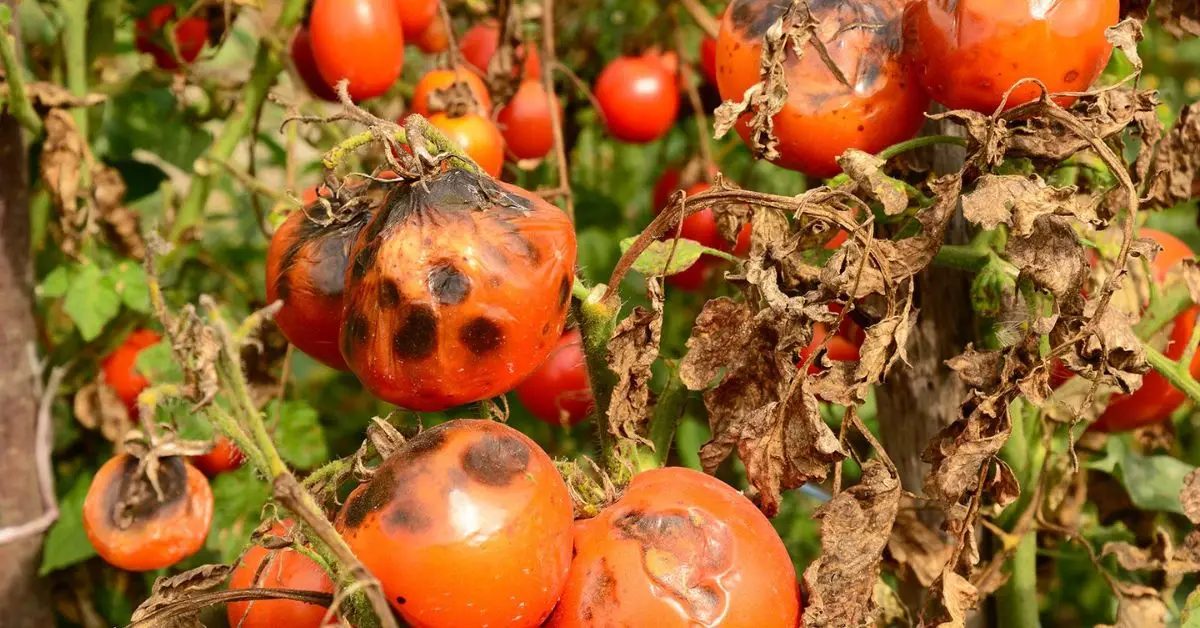
Late Blight is the one disease that can make any gardener panic. I remember seeing water-soaked lesions appear almost overnight on both leaves and fruit—it spreads fast. The tricky part is that it loves cool, wet weather and areas with poor airflow, so even a well-maintained garden can get hit.
Spot it early:
- Causes & Risk Factors:
- Cool, rainy periods accelerate fungal growth.
- Crowded plants with poor ventilation are more vulnerable.
- Treatment & Prevention:
- Use resistant tomato varieties—this can drastically reduce your risk.
- Remove infected plants immediately; don’t let the fungus linger.
- Fungicide applications can help, but timing and coverage are critical.
If you spot Late Blight early and act fast, you could prevent total crop destruction. Nothing hurts more than seeing your hard work wiped out in a week.
3. Powdery Mildew
Powdery Mildew is one of those diseases that looks harmless at first—just white, powdery patches on leaves—but it can quietly reduce your plant’s ability to photosynthesize. I always remind myself: healthy leaves = healthy fruits.
Here’s the lowdown:
- Causes & Risk Factors:
- Humid conditions with poor air circulation.
- Overcrowded plants make it easier for spores to spread.
- Treatment & Prevention:
- Improve airflow by pruning crowded areas.
- Apply sulfur-based fungicides if the infection is widespread.
- Keep leaves dry where possible; avoid overhead watering in humid weather.
Maintaining healthy leaves ensures your tomatoes get the energy they need to grow big and flavorful. Don’t let a thin layer of powder quietly sabotage your harvest.
4. Septoria Leaf Spot
If you start noticing small gray spots with dark margins on your tomato leaves, don’t ignore them—this is a classic sign of Septoria Leaf Spot. I’ve had this appear in my garden after heavy rain, especially when water splashes from the soil onto the leaves. Left unchecked, it can strip your plant of foliage and weaken it drastically.
Here’s what you should know:
- Causes & Risk Factors:
- Splashing water spreads spores from the soil to lower leaves.
- Dense foliage limits airflow, creating a perfect breeding ground for the fungus.
- Treatment & Prevention:
- Remove infected leaves immediately to slow the spread.
- Apply a fungicide spray if infection is advancing.
- Practice crop rotation each season to reduce soil-borne spores.
Catching Septoria Leaf Spot early can stop it from destroying your plant’s entire canopy. Healthy leaves mean stronger plants and better fruit later.
5. Anthracnose

Anthracnose is the disease that really targets the fruit. You’ll notice sunken dark lesions on your tomatoes, often during warm, wet weather. I’ve had perfectly growing fruits suddenly develop these spots, and it’s frustrating—but manageable if you act fast.
Here’s the lowdown:
- Causes & Risk Factors:
- Warm and humid conditions favor fungal growth.
- Wet fruits that stay damp for long periods are more vulnerable.
- Treatment & Prevention:
- Remove affected fruits immediately to prevent spread.
- Apply fungicides to control outbreaks.
- Keep fruit dry and avoid overhead watering whenever possible.
Protecting fruit quality ensures that your hard work pays off with tomatoes that are tasty and marketable, not rotten or blemished.
6. Bacterial Spot
Bacterial Spot can make you feel helpless quickly. It shows up as water-soaked lesions on both leaves and fruits and can lead to defoliation if ignored. I’ve learned that prevention is far easier than treatment here.
Key points to remember:
- Causes & Risk Factors:
- Contaminated seeds or seedlings can introduce the bacteria.
- Overhead watering spreads bacteria across leaves and fruits.
- Treatment & Prevention:
- Use resistant tomato varieties whenever possible.
- Remove infected plants immediately to prevent spread.
- Maintain good garden hygiene—don’t touch plants when wet.
Bacterial Spot spreads fast, but with careful attention and resistant varieties, you can minimize losses and keep your home garden healthy. A detailed guide on resistant varieties and bacterial control can be found at The Spruce.
7. Bacterial Wilt
Bacterial Wilt is a silent threat that can devastate your tomato plants. One day, your plant looks healthy; the next, it’s wilting and dying. The culprit? Soil-borne bacteria entering through the roots, often in warm soil conditions.
What you need to know:
- Causes & Risk Factors:
- Soil-borne bacteria enter through roots.
- Warm soil conditions favor bacterial growth.
- Treatment & Prevention:
- Remove infected plants immediately to prevent spread.
- Rotate crops to reduce soil-borne pathogens.
- Avoid planting tomatoes in the same soil year after year if wilt was an issue before.
Early detection is crucial—once a plant shows advanced wilting, there’s no saving it. Taking action quickly protects the rest of your garden.
8. Tomato Yellow Leaf Curl Virus (TYLCV)
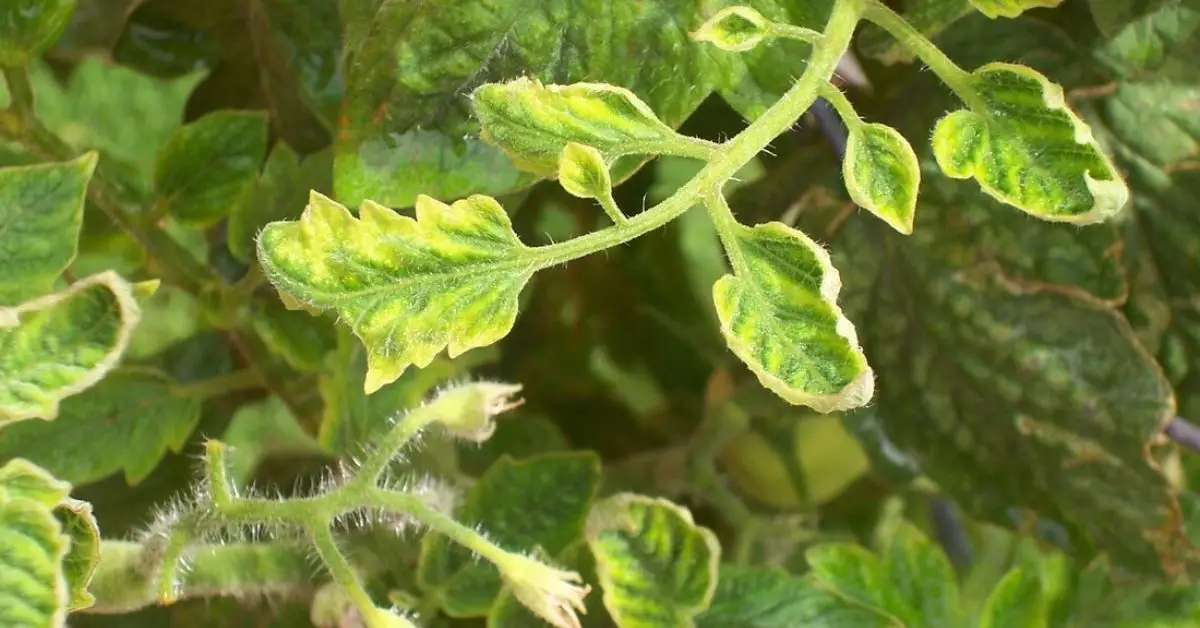
TYLCV can feel like a silent thief stealing your harvest. You’ll notice yellowing and curling leaves, stunted growth, and in severe cases, almost no fruit at all. From my experience, the key is to control the vector—the whiteflies—before the virus spreads.
Spot it and act:
- Causes & Risk Factors:
- Whitefly infestations transmit the virus.
- Warm, dry climates often see more outbreaks.
- Treatment & Prevention:
- Control whiteflies using insecticidal soap or neem oil.
- Remove infected plants promptly to stop further spread.
- Use TYLCV-resistant varieties whenever possible.
Controlling the vector not only protects the current plants but also safeguards your next harvest. According to plant virologists, monitoring whitefly populations regularly is the single most effective prevention strategy.
9. Blossom End Rot
Blossom End Rot is more of a physiological issue than a disease, but it can still ruin your tomatoes if ignored. You’ll notice dark, sunken spots at the blossom end of the fruit, which makes them look unappealing and reduces their market value.
What I’ve learned:
- Causes & Risk Factors:
- Calcium deficiency in the soil. Calcium deficiency is often the main culprit behind Blossom End Rot. If you’re considering soil amendments, this guide on the benefits and proper use of wood ash explains how to safely supplement calcium for your plants.
- Irregular watering practices.
- Treatment & Prevention:
- Maintain consistent watering—don’t let the soil dry out completely between watering.
- Apply a calcium-rich fertilizer or foliar spray if your soil is deficient.
- Mulch around the base to retain soil moisture.
Fixing Blossom End Rot ensures your tomatoes are healthy, attractive, and marketable. Consistency here directly improves fruit quality. For detailed prevention tips and calcium management, check out the Iowa State University Extension guide on managing tomato diseases, disorders, and pests.
Prevention Tips & Best Practices
Over the years, I’ve realized that preventing tomato plant diseases is always easier than treating them. If you want strong, healthy plants and a bountiful harvest, focus on these best practices:
- Rotate your crops each season to avoid soil-borne pathogens building up.
- Water consistently at the base of plants rather than overhead, keeping leaves dry. Consistent watering is key to avoiding many tomato plant issues. For step-by-step watering techniques that keep plants healthy and thriving, check out this guide on properly watering houseplants for best results.
- Choose resistant tomato varieties to reduce the risk of fungal and viral infections.
- Ensure good air circulation by spacing plants properly and pruning crowded foliage.
By taking proactive steps, you reduce the likelihood of encountering any of the 9 major tomato diseases we discussed. Healthy habits now save you from frustration and crop loss later.
Wrap-Up / Key Takeaways
We’ve covered 9 common tomato plant diseases—from Early Blight to Blossom End Rot—along with their symptoms, causes, and practical treatments. If you spot any signs early and act promptly, your tomatoes can thrive even in challenging conditions.
Remember, prevention is just as important as treatment. Keeping your plants well-watered, choosing resistant varieties, and maintaining good garden hygiene will go a long way toward protecting your harvest.
I’d love to hear from you: Which tomato disease have you struggled with the most in your garden? Share your experiences in the comments below so we can all learn from each other.
For more detailed guides, tips, and practical advice on plant care, visit Plant Care Dairy—your trusted companion for healthier, happier gardens.
Disclaimer: This article is for informational purposes only. Results may vary based on your garden conditions. Plant Care Dairy is not responsible for any loss or damage. Consult local experts for personalized advice.