
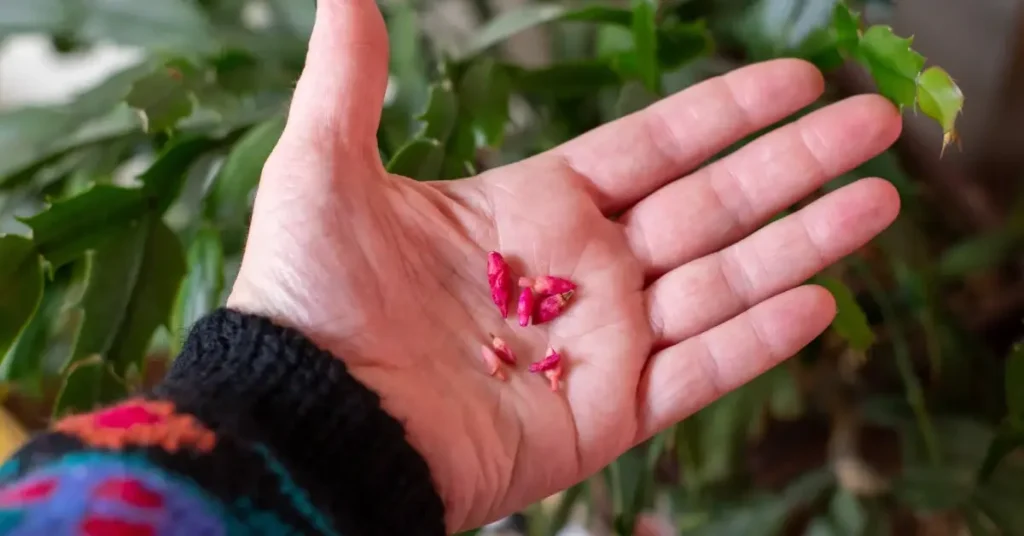
If you’ve ever watched in frustration as your beautiful Christmas Cactus started shedding its buds before the big bloom, you’re not alone. I’ve been there too, and it can be pretty disheartening, especially after all the care you’ve put into it. The good news? There are clear reasons why this happens, and with a few adjustments, you can get your cactus back on track for a stunning holiday display.
The truth is, Christmas Cactus is a bit fussy about its environment. One wrong move with watering, temperature, or light, and it can drop those precious buds. But don’t worry—I’ve got you covered. In this guide, we’ll dive into the causes behind bud drop and, more importantly, how to stop it. You’ll walk away with practical tips that not only help your Christmas Cactus bloom beautifully but also thrive year after year.
Understanding the Christmas Cactus: Why Does Bud Drop Occur?
If you’ve ever wondered why your Christmas Cactus (Schlumbergera) drops its buds, you’re not alone. It’s frustrating to watch, especially when you’re eagerly waiting for it to bloom. But before you panic, let’s take a closer look at why this happens and what you can do about it.
The Christmas Cactus, unlike other types of cacti, is actually more of a tropical plant. It’s native to the cloud forests of Brazil, where it thrives in shaded, humid environments. Unlike desert cacti, which are used to dry, hot climates, the Christmas Cactus needs a bit more care when it comes to its surroundings. Understanding its natural cycle and needs can help prevent the dreaded bud drop.
Here are some key reasons why this might happen:
- Temperature Fluctuations: Christmas Cactus is quite sensitive to temperature changes. If it experiences sudden shifts in temperature—like being placed too close to a heater or air conditioner—it can stress the plant out and cause bud drop. This plant thrives in cooler conditions, especially around the time it’s supposed to bloom.
- Lighting Issues: This plant is used to dappled light, not direct sunlight. Too much bright light can cause it to drop its buds prematurely. If you’re keeping it near a window where it’s getting too much sun, you might want to adjust its location to avoid stressing the plant.
- Watering Problems: Overwatering or underwatering is one of the most common mistakes when caring for Christmas Cactus. If the soil stays too wet, it can lead to root rot, which stresses the plant and causes it to drop its buds. On the other hand, if it’s not getting enough water, it won’t bloom properly. The key is to keep the soil moist but not soggy.
- Changes in Environment: Moving the plant around, or even moving it to a new location, can disrupt its blooming process. Christmas Cactus can be very particular about its environment. Any disturbance, like a change in humidity or sudden relocation, can shock the plant and cause it to drop its buds.
To get a deeper understanding of how environmental factors play a role in your cactus’ health, check out this Succulents Box guide, which explains how these factors can trigger bud drop and offers tips on how to keep your plant happy.
By learning about these causes, you’ll be able to make informed decisions about how to care for your Christmas Cactus. With a bit of attention to its environment, you’ll soon see it blooming beautifully again!
Top 5 Reasons for Christmas Cactus Bud Drop

It’s so frustrating when your Christmas Cactus starts dropping its buds right before it’s supposed to bloom. But don’t worry, there are clear reasons behind this, and I’ve broken them down for you. Understanding what’s causing the bud drop will help you quickly address the problem and bring your cactus back to life.
Here are the top 5 reasons your Christmas Cactus might be losing those precious buds:
1. Inconsistent Temperature
Christmas Cactus doesn’t like sudden temperature shifts. If you’ve moved it from a warm spot to a cold one, or if it’s too close to a drafty window or heater, that could be causing the stress. This plant thrives in temperatures between 60°F and 70°F—anything hotter or colder can make it unhappy.
Quick Fix: Keep your cactus in a stable environment, away from heat vents, air conditioners, and drafts. A nice, cool windowsill (but not directly in the sun) is perfect!
2. Improper Lighting
Your Christmas Cactus is used to bright, indirect light, but too much direct sunlight can actually stress it out. If it’s placed in a sunny spot, the excess light might be burning it out and leading to bud drop. But on the flip side, if it’s not getting enough light, it can also stop blooming.
Quick Fix: Move your cactus to a place where it gets bright, indirect sunlight. Avoid direct sunlight for long periods of time. A few hours of morning or late afternoon sunlight is ideal.
3. Watering Issues
Watering is a delicate balance when it comes to Christmas Cactus. Overwatering or underwatering can both cause problems. If the soil is consistently too wet, it can lead to root rot, which stresses the plant and causes it to drop buds. On the other hand, if it’s too dry, the plant won’t get the hydration it needs to bloom properly.
Quick Fix: Water your cactus when the top inch of the soil feels dry. Ensure the pot has good drainage, so the water doesn’t sit in the bottom and rot the roots.
If you’re also caring for other plants like the Peace Lily, make sure you’re also following proper watering techniques, as over-watering can be a common issue across many indoor plants.
4. Too Much Movement
This plant is incredibly sensitive to changes in its environment. If you’ve been moving it around, even just slightly, it might be stressed enough to drop buds. Any kind of abrupt change—like shifting it from one room to another—can cause a shock to the cactus.
Quick Fix: Once you find the right spot for your cactus, try to leave it there. Avoid moving it around too much to minimize stress.
5. Nutrient Deficiency
Christmas Cactus needs the right nutrients to bloom well. If it’s in poor-quality soil or hasn’t been fertilized in a while, it can struggle to produce buds. A lack of nutrients can lead to poor plant health, including bud drop.
Quick Fix: Use a well-draining, high-quality cactus soil mix. Feed your cactus with a balanced fertilizer (one that’s specifically designed for cacti) during its growing season (spring and summer) to keep it strong and healthy.
For more information on proper cactus care and how to avoid stressors, check out this Gardening Know How article.
By taking care of these issues, your Christmas Cactus will be much happier and more likely to bloom beautifully. These simple fixes can make a big difference and help you enjoy a full bloom this season!
How to Fix Christmas Cactus Bud Drop: Effective Care Tips

So, your Christmas Cactus has been dropping buds, and you’re looking for ways to get it back on track. Don’t worry—by making a few simple adjustments to your plant care routine, you can help your cactus bloom beautifully again. Here are some effective tips to turn things around:
1. Ideal Temperature Range
Christmas Cactus thrives in a stable temperature range of 55°F to 70°F. Keeping the temperature too high or too low can cause stress and lead to bud drop. It’s especially sensitive when it’s blooming, so sudden temperature changes should be avoided at all costs.
Quick Fix: Keep your cactus in a cool, stable spot, away from direct heat sources or cold drafts. If you can, keep it in a room that stays consistently within the ideal temperature range. A well-placed windowsill or a spot in your living room can be perfect.
You can also learn more about creating a consistent environment for other indoor plants, like ensuring your Poinsettia blooms again this holiday season by maintaining the right temperature and light balance.
2. Proper Lighting
One of the most common reasons for bud drop is improper lighting. Christmas Cactus needs bright, indirect light. Direct sunlight can burn the leaves and cause the plant to stress out. However, too little light will also stunt its growth and prevent blooming.
Quick Fix: Move your cactus to a location where it gets bright but indirect light. A spot with a few hours of morning sunlight is perfect. Avoid placing it directly under harsh midday sun.
3. Watering Tips
Watering your Christmas Cactus can be tricky. Too much water and the roots can rot; too little, and the plant will dry out. The key is to keep the soil evenly moist but not soaked. Overwatering is usually the culprit, especially if the cactus is sitting in waterlogged soil.
Quick Fix: Water the cactus only when the top inch of soil feels dry. Make sure the pot has good drainage so excess water can escape, and never let the plant sit in a saucer filled with water.
4. Repotting and Soil Tips
If your Christmas Cactus has been in the same pot for a few years, it might need a little more room to grow. Repotting into fresh soil can help promote healthier growth and prevent stress that might be contributing to bud drop. Make sure you use well-draining cactus soil for best results.
Quick Fix: Repot your cactus once every 2–3 years, ideally in the spring. Be careful not to disturb the roots too much during the process. When repotting, choose a pot that’s only slightly larger than the current one, as too much extra space can lead to root rot.
5. Feeding and Fertilizing
Christmas Cactus benefits from regular feeding during the growing season (spring and summer). However, over-fertilizing can cause stress, so use a balanced, diluted fertilizer made specifically for cacti and succulents. Feeding should stop in the fall to allow the cactus to enter dormancy before blooming.
Quick Fix: Use a diluted, balanced fertilizer every 2–3 weeks during the growing season. In the fall and winter, avoid fertilizing altogether. This helps the cactus conserve energy for blooming.
For more detailed tips on repotting and ensuring your cactus thrives, you can check out this Melinda Myers Garden Moment.
By following these simple but effective care tips, you’ll be well on your way to preventing bud drop and keeping your Christmas Cactus in top shape for a beautiful, full bloom next season!
The Importance of Maintaining Consistency in Care for Long-Term Blooming

It’s easy to get excited when your Christmas Cactus starts to bloom, but what if you could make sure that every year brings even more spectacular blooms? The key to long-term success lies in maintaining consistent care throughout the year.
One of the most common reasons for recurring bud drop is neglecting regular care. Like any plant, your Christmas Cactus thrives on a steady, predictable environment. By staying consistent with your care routine, you’ll help your cactus stay strong and healthy, ensuring it continues to bloom beautifully year after year.
1. The Connection Between Regular Care and Healthy Blooms
Plants, just like us, need stability. Consistency in watering, temperature, and light creates an environment where your Christmas Cactus can thrive. When you provide regular care, you reduce the chances of stress, which is often the primary cause of bud drop. Healthy, stress-free plants are more likely to bloom without issue.
Quick Fix: Stick to a routine—water when needed, keep the temperature stable, and adjust the light as necessary. If you’ve found a good spot for your cactus, keep it there. Avoid moving it around too much.
To maintain consistent care, consider reading more about how to make your Schlumbergera bloom every year indoors to keep your plants thriving in the long run.
2. How to Set Up a Regular Care Schedule for Your Christmas Cactus
The first step in ensuring long-term blooms is setting up a care schedule. A simple calendar can help you track watering, fertilizing, and temperature adjustments. Setting reminders for care tasks will help keep your cactus on track, ensuring it gets what it needs at the right time.
Quick Fix: Use your phone’s reminder app or a gardening journal to set up a weekly care routine for watering and monthly checks for fertilizing or repotting. With this kind of consistency, you’ll avoid stressing the plant.
3. Understanding the Plant’s Seasonal Needs and Adjusting Care Accordingly
Christmas Cactus, like many plants, has seasonal needs. For example, during its blooming season (typically late fall or winter), it requires less fertilizing and more focus on temperature and light. Adjusting care during each season will prevent shock and support strong blooming.
Quick Fix: In the spring and summer, increase the watering and fertilizing as the plant grows. In the fall and winter, scale back on both and focus on keeping the plant cool and dark at night to encourage bud formation.
Common Mistakes to Avoid in Caring for Your Christmas Cactus

Caring for a Christmas Cactus can be tricky, especially for beginners. But by avoiding a few common mistakes, you can keep your cactus healthy and avoid the dreaded bud drop. Here are some of the most frequent errors people make and how to fix them:
1. Over-Fertilizing, Under-Fertilizing, or Using the Wrong Types of Fertilizers
Christmas Cactus doesn’t need a lot of fertilizer, but it still requires the right type at the right time. Over-fertilizing can cause the plant to grow too quickly and drop buds prematurely, while under-fertilizing can result in weak growth and fewer blooms.
Quick Fix: Use a balanced, diluted cactus fertilizer during the growing season (spring and summer) every 2–3 weeks. In fall and winter, avoid fertilizing to allow the cactus to enter dormancy and prepare for blooming.
2. Moving the Plant Too Frequently or Exposing It to Drafts
Christmas Cactus is sensitive to changes in its environment. Moving it around frequently or placing it in drafty areas can cause the plant stress, which leads to bud drop.
Quick Fix: Once you’ve found the perfect spot for your cactus, leave it there. Keep it away from air conditioners, heaters, and drafts. A steady environment is key to keeping your cactus happy and blooming.
3. Forgetting to Prune or Neglecting Dormant Periods
Neglecting to prune your Christmas Cactus can result in overcrowding, reduced airflow, and fewer blooms. Additionally, not allowing your cactus to rest during its dormant period can stress it out, affecting its ability to bloom.
Quick Fix: Prune your cactus after it finishes blooming. Remove any dead or damaged segments to keep the plant healthy. During its dormant period (typically in late fall), give the cactus some rest by reducing light and temperature.
4. Ignoring Pests or Mold Growth on the Cactus
Pests like mealybugs, spider mites, and fungal issues like mold can harm your Christmas Cactus, leading to poor health and bud drop.
Quick Fix: Regularly check for signs of pests or mold, especially around the base of the plant and leaves. Use organic insecticidal soap or wipe down the leaves with a damp cloth if you see any bugs. Keep the cactus in a clean, dry spot to avoid mold growth.
By keeping these common mistakes in mind and avoiding them, you’ll ensure your Christmas Cactus stays healthy, happy, and ready to bloom year after year. You’ll be amazed at how small changes in care can make a big difference!
Final Thoughts: How to Keep Your Christmas Cactus Healthy All Year Round
Caring for a Christmas Cactus is more than just a one-time effort—it’s about creating a routine that keeps your plant healthy and blooming year after year. By consistently applying the right care, you’ll help your cactus thrive through all seasons, from its rest period to its blooming season. Let’s quickly recap the best practices that will ensure your cactus stays happy and healthy:
Recap of Best Practices
- Keep your cactus in a stable temperature range (55°F to 70°F).
- Provide bright, indirect light, avoiding direct sunlight.
- Water when the top inch of soil feels dry, and always ensure good drainage.
- Repot every 2-3 years in fresh, well-draining soil.
- Use a diluted cactus fertilizer during the growing season (spring and summer), but skip it in the fall and winter.
Remember, each Christmas Cactus is unique. It’s important to observe how your plant reacts to changes in its care. You may need to tweak your routine based on how it’s responding to the light, watering, or temperature. Pay attention to subtle signs, like the timing of the blooms or the way the leaves look—these can help you adjust care to meet your cactus’ needs.
As the seasons change, so should your care routine. Preparing for next year’s blooms starts now. By continuing to observe and adjust, you’ll give your cactus everything it needs to produce an even more beautiful display the following season. Be ready for the next bloom by maintaining a steady care schedule year-round.
Have you had issues with your Christmas Cactus, or do you have any tips you’d like to share? Leave a comment below, and let’s chat about it! Don’t forget to check out more plant care tips on our website, Plant Care Dairy, where we share expert advice on keeping all your plants healthy and thriving.
Disclaimer: The information provided in this article is for general plant care purposes only. Results may vary depending on individual plant conditions. Always consult with a professional horticulturist for specific care needs.