
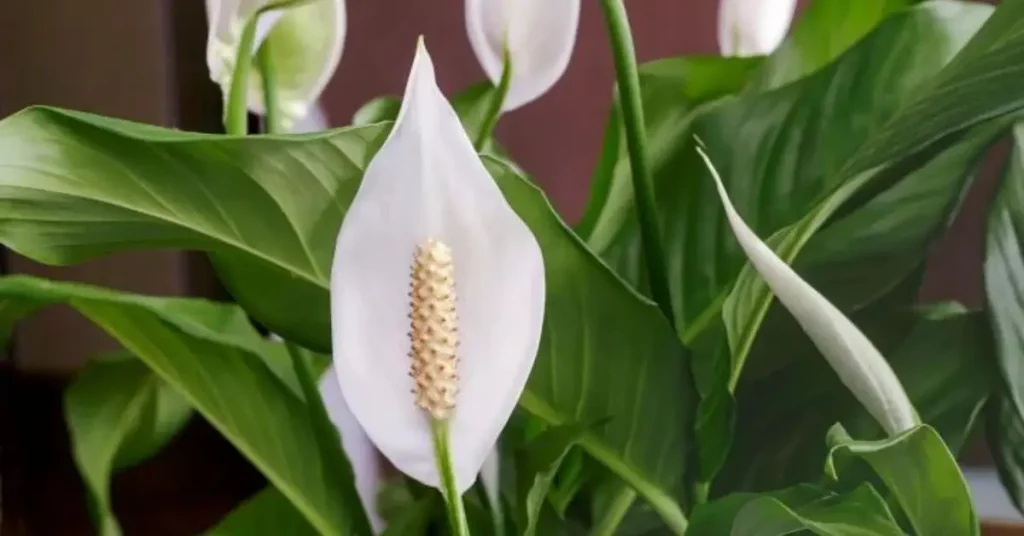
Every time I walk into a home and see a peace lily standing tall in the corner, I can tell right away if it’s being cared for properly. The leaves either shine with that deep green glow, or they droop with brown tips and tired stems. I’ve kept peace lilies for years, and if there’s one thing I’ve learned, it’s that they’ll tell you exactly what they need—if you know how to read the signs.
The tricky part is that most guides make them sound almost “set and forget.” That’s why so many new plant parents end up frustrated when their lily stops blooming or starts looking sickly. The truth? Peace lilies are forgiving, but they’re not foolproof. They need the right mix of light, water, and attention to thrive indoors.
If you’ve just brought one home—or if yours is looking a little unhappy—you’re in the right place. I’ll walk you through the essentials in a way that goes beyond generic tips. My goal is simple: to help you understand why these steps matter, so your plant doesn’t just survive but truly thrives.
Have you ever struggled with peace lily care before, or is this your first time trying?
Understanding Peace Lily Basics
When I first brought home a peace lily, I assumed it was just another pretty houseplant. What I didn’t realise back then is that knowing where these plants come from changes the way you care for them. Peace lilies are native to the tropical rainforests of Central and South America, where they grow beneath dense tree canopies. That’s why they prefer low to medium light and a steady level of humidity—you’re essentially trying to mimic that rainforest understory inside your home.
Here’s what you should know before you dive into care routines:
- Natural habitat: Shaded, warm, and consistently moist environments.
- Growth pattern: They thrive in lower light, but they still need enough brightness to stay lush and green.
- Lifespan indoors: With good care, a peace lily can live anywhere from 3 to 5 years, and many owners keep them much longer by repotting and refreshing the soil.
- Mature size: Most indoor peace lilies reach about 1 to 4 feet tall, depending on the variety and pot size.
Another important fact: peace lilies are considered toxic to pets if ingested. According to the ASPCA, they can cause issues for cats and dogs, which is why placement matters just as much as watering and light.
Light Requirements — Bright but Not Direct
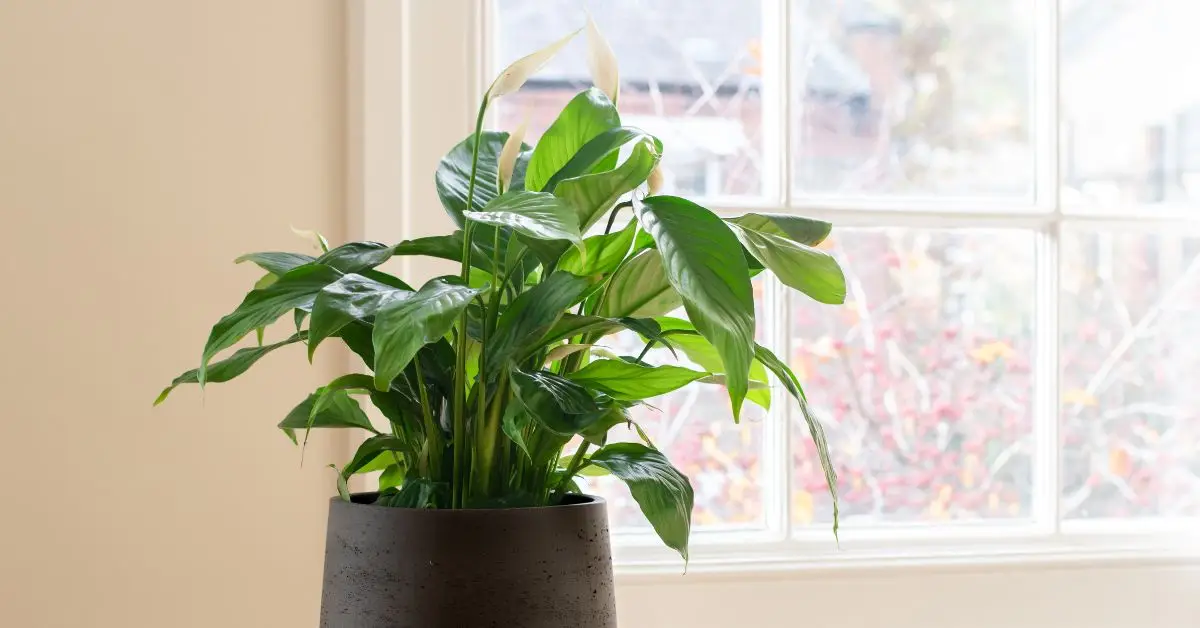
If there’s one thing I’ve noticed with peace lilies, it’s that light makes or breaks them. Place yours in the wrong spot, and it’ll start telling you almost immediately.
- Best spots indoors: Aim for an east- or north-facing window. These give enough brightness without the harsh midday sun. A few feet away from a south-facing window also works if you filter the light with curtains.
- Too much sun: Leaves turn yellow, get scorched edges, or look limp even if the soil is moist.
- Too little light: Growth slows down, the plant looks leggy, and you’ll notice fewer or no blooms.
I always tell people: think of your peace lily like someone who enjoys sitting in a well-lit café corner—not outside in blazing sun, but not tucked away in a dark basement either. Find that sweet spot, and you’ll notice healthier leaves and regular blooms.
Light can be tricky, and sometimes it’s hard to judge if your plant is really getting what it needs. If you want to test and adjust for other houseplants too, here’s a detailed guide on how to check if your houseplant is getting enough light that you might find useful.
Where have you placed your peace lily at home? Near a window, or tucked in a shady corner?
Watering Peace Lilies Correctly
If there’s one thing I’ve learned from years of keeping peace lilies, it’s that most people kill them with kindness—too much water, too often. These plants like moisture, but they also like to breathe. The trick is finding that balance.
Here’s what works best:
- How often to water: Instead of sticking to a strict schedule, check the soil once a week. If the top inch feels dry to the touch, it’s time to water.
- Overwatering signs: Yellow leaves, soggy soil, and a faint smell of rot at the base.
- Underwatering signs: Drooping leaves that perk back up quickly after watering.
- Self-watering hacks:
- Use a simple finger test before reaching for the watering can.
- Place a few ice cubes on top of the soil for a slow release of water.
- A moisture meter can give you peace of mind if you tend to second-guess yourself.
I’ve seen too many peace lilies drown because their owners watered on autopilot. Think of it this way: your plant is better off a little thirsty than sitting in a swamp. If you’ve ever struggled with finding the right watering rhythm, you’re not alone—many indoor plants share this challenge. For example, air plants have their own unique watering needs, and you can check our guide on how to water air plants properly to see just how different approaches work for different greens.
Soil & Repotting Needs
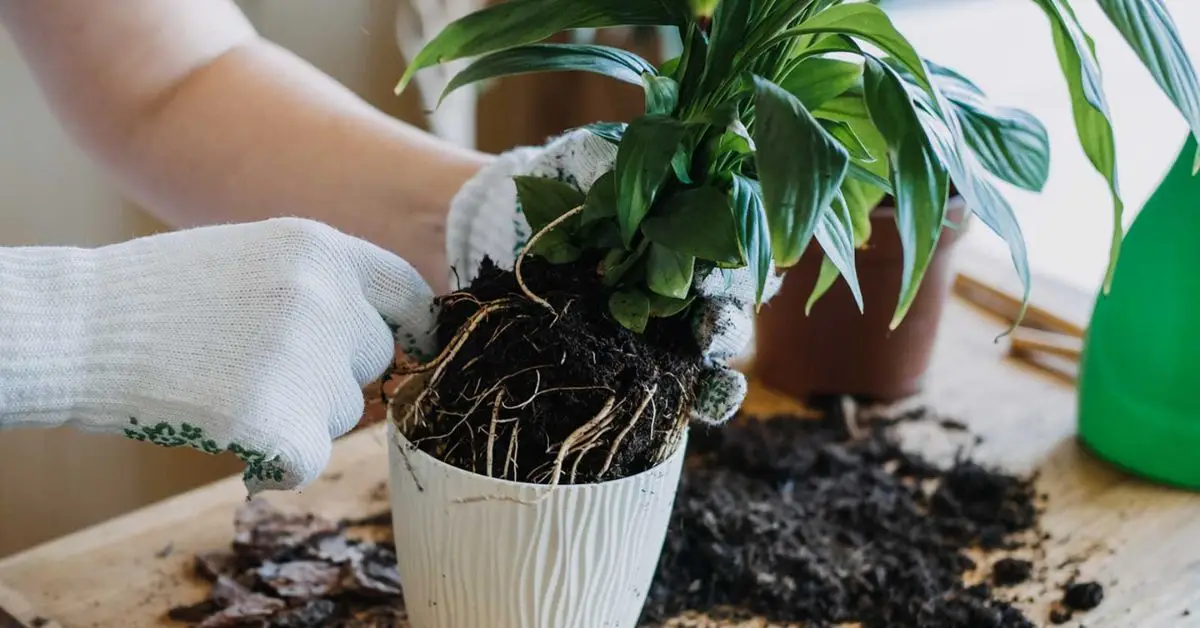
Watering habits only work if the soil supports them. Peace lilies need a mix that drains well but still holds enough moisture to mimic their rainforest roots. A good rule of thumb is: if water pools on top for more than a few seconds, the soil is too heavy.
- Ideal soil mix: A blend of peat moss, perlite, and standard potting mix works best. It keeps roots airy while holding the right amount of water.
- When to repot: Every 1–2 years, or whenever the plant looks cramped in its container. Spring is usually the easiest season for recovery.
- Root health check: Healthy roots are firm and white. If you spot mushy, dark, or tangled roots circling the pot, it’s time for a refresh.
Repotting isn’t just about giving your plant more room—it’s a reset button that keeps it thriving. If you need a detailed breakdown, The Spruce has a practical guide on growing and repotting peace lilies that aligns well with these tips.
Temperature & Humidity Tips
One of the biggest lessons I’ve learned with peace lilies is that they act like rainforest guests—you can’t ignore their climate needs. Indoors, they thrive in the same comfort range as you do.
- Best indoor temperature: Keep them between 65–80°F (18–27°C). Anything below 55°F (13°C) makes them sulk, and sudden drafts can cause stress.
- Boosting humidity: If your home is dry, especially in winter, a humidifier works wonders. For a low-cost fix, place the pot on a tray filled with water and pebbles (just make sure the pot itself isn’t sitting in water).
- Seasonal adjustments: In summer, they’ll drink up humidity naturally, but during winter, indoor heating dries the air. That’s when misting lightly or grouping plants together helps.
Fertilising for Healthy Blooms
If you’ve ever wondered why your peace lily isn’t flowering, nine times out of ten, it’s because of feeding habits. These plants need extra energy to push out those white spathes.
- Type of fertiliser: Use a balanced liquid fertiliser (20-20-20) diluted to half strength, about once a month during spring and summer.
- Common mistakes:
- Over-fertilising burns the roots, leading to brown tips on leaves.
- Skipping feedings completely results in lush green foliage but no blooms.
I’ve seen mine bounce back with healthy flowers after just a season of proper feeding. Consistency, not quantity, is the secret here. Feeding routines can be the make-or-break factor for flowering plants. Just like orchids need consistent care to keep blooming, which you can read more about in our orchid care tips guide, peace lilies also reward regular, balanced feeding.
Common Problems & Fixes
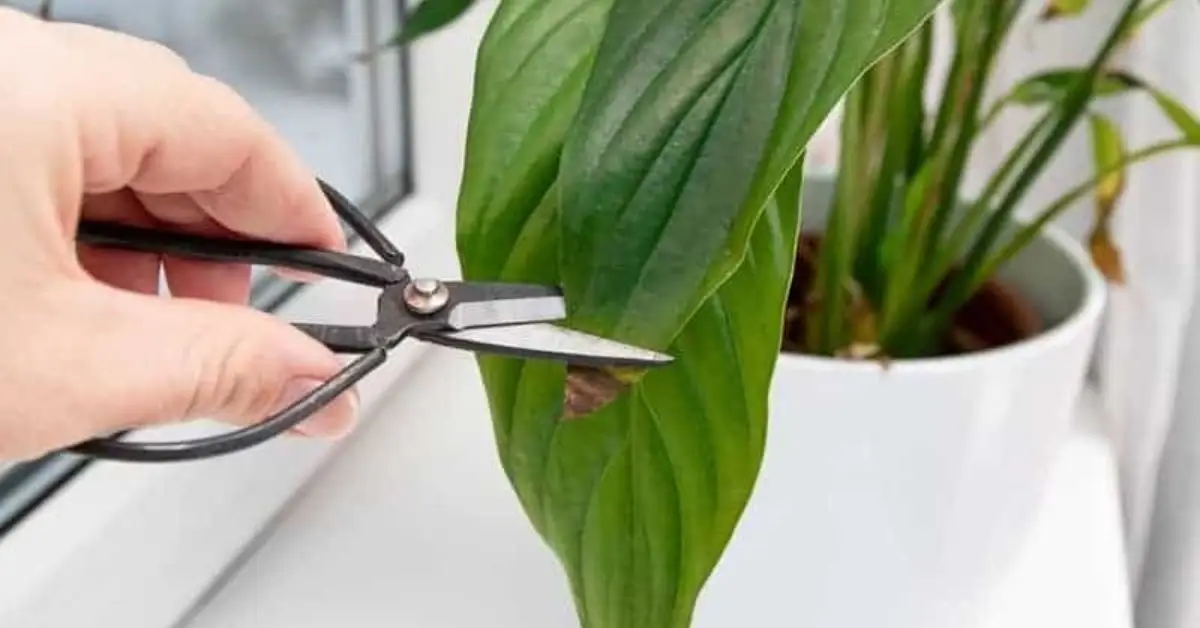
Even if you’re doing most things right, peace lilies will throw signals when something’s off. The good news? Every symptom has a fix.
- Yellow leaves: Usually from overwatering or natural aging of lower leaves. Trim the old ones and check soil drainage.
- Brown tips: Most often caused by low humidity, fluoride in tap water, or too much fertiliser. Switching to filtered water can make a huge difference.
- No flowers: Often linked to low light or lack of feeding. Relocate closer to bright, indirect light and add a monthly fertiliser routine.
- Pest issues: Spider mites and mealybugs can sneak in. Wipe leaves with a damp cloth and use insecticidal soap if the infestation grows.
For a reliable step-by-step troubleshooting guide, Bloomscape has an excellent peace lily care resource that aligns with real-life fixes I’ve seen work.
Are Peace Lilies Toxic? Safety & Pets
One thing I always remind new peace lily owners: beauty aside, this plant isn’t entirely safe for pets or kids. According to the ASPCA, peace lilies contain calcium oxalate crystals. If a cat, dog, or curious toddler chews on the leaves, it can cause drooling, mouth irritation, vomiting, or difficulty swallowing.
That doesn’t mean you can’t enjoy one at home—it just means you need to be smart about placement.
- Keep out of reach: Place peace lilies on high shelves or plant stands.
- Use barriers: Decorative cages or glass cabinets can protect both the plant and your pets.
- Teach kids early: Let them know the plant is for looking, not for touching.
I’ve had cats around peace lilies for years, and with good placement, it’s never been a problem.
Spiritual & Air-Purifying Benefits
Caring for a peace lily isn’t just about keeping leaves green—it’s also about what the plant represents. Peace lilies are linked with purity, peace, and rebirth, which is why you often see them given at memorials or placed in meditation spaces.
Beyond symbolism, they’ve also earned a place in science. Peace lilies were shown to help reduce indoor air pollutants like benzene, formaldehyde, and trichloroethylene. While you’ll still need good ventilation, it’s reassuring to know this plant offers a little extra help in keeping your home air fresh.
For me, that mix of science and symbolism is what makes peace lilies special—they’re not just décor, they’re living reminders of calm.
Quick Peace Lily Care Checklist
If you’re the kind of person who likes quick notes on the fridge, here’s your go-to guide:
- Light: Bright, indirect (east or north windows are best).
- Water: Check weekly; water when top inch of soil is dry.
- Soil: Loose, well-draining mix with peat and perlite.
- Humidity: Aim for moderate to high; use trays or a humidifier if needed.
- Feeding: Balanced liquid fertiliser, once a month in spring and summer.
Keep this checklist handy—you’ll avoid 90% of the problems most owners face.
Key Takeaways
Peace lilies are forgiving, but they’re not maintenance-free. Remember:
- Light and water balance is the heart of peace lily care.
- Good soil and humidity set the stage for long-term health.
- Feeding regularly is the secret behind those crisp white blooms.
I’ve seen peace lilies go from drooping and dull to lush and vibrant with just these few changes. If you’ve been struggling, don’t give up—your plant is more resilient than you think.
Have you struggled with peace lily care? Share your tips in the comments below. And if you want more practical plant guides like this, visit Plant Care Dairy for expert advice you can trust.
Disclaimer: This guide is for informational purposes only. While I’ve shared proven tips from experience and trusted sources, peace lily care can vary based on your home environment. Always check with local gardening experts or veterinarians if you have specific concerns about plant health or pet safety.