
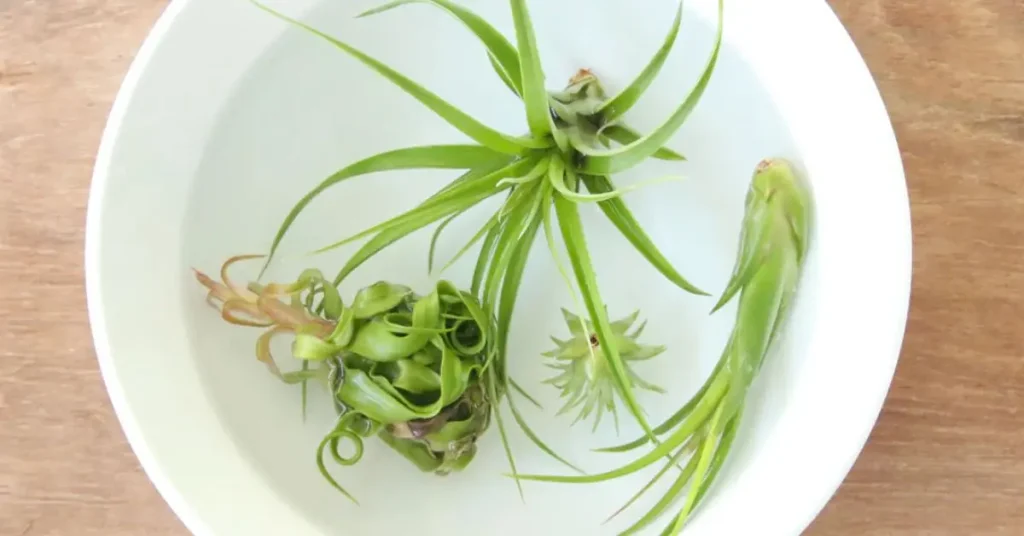
I used to think air plants were “set-and-forget.” No soil, just a cute shell and a sunny shelf—what could go wrong? Then the tips browned, the leaves curled, and one turned mushy overnight. That’s when I learned the truth: air plants are easy, but only if you water them the right way.
Most advice online says “just mist,” which sounds simple until your plant shrivels—or rots. The real key is understanding how Tillandsia actually drinks, when to soak vs. mist, how long to dry, and why your room’s light, airflow, and humidity matter more than any one-size-fits-all schedule.
In this guide, I’ll show you a simple routine that keeps air plants plump and bright: the exact method to use, how often to do it, the kind of water that helps (and the kind that hurts), plus a quick 30-second check so you never guess again. If you’ve lost an air plant before, you won’t repeat those mistakes here.
Why Air Plants Need Special Watering Care?
The first thing to know about air plants is that they don’t drink like your potos or spider plant. They’re epiphytes, which means they grow on other trees in nature and absorb moisture through tiny scales on their leaves called trichomes. No soil, no roots in the dirt—just leaves acting like sponges.
That’s why watering them can feel confusing. You might hear, “They don’t need water at all—just air.” I believed that once too, and ended up with crispy, lifeless plants. The truth is, air plants may look tough, but they still rely on regular hydration to survive indoors.
According to Better Homes & Gardens, most air plants kept inside without the right care only last a few months, while properly watered ones can thrive for years. That difference comes down almost entirely to how—and when—you give them water.
The Right Way to Water Air Plants (Step-by-Step Guide)
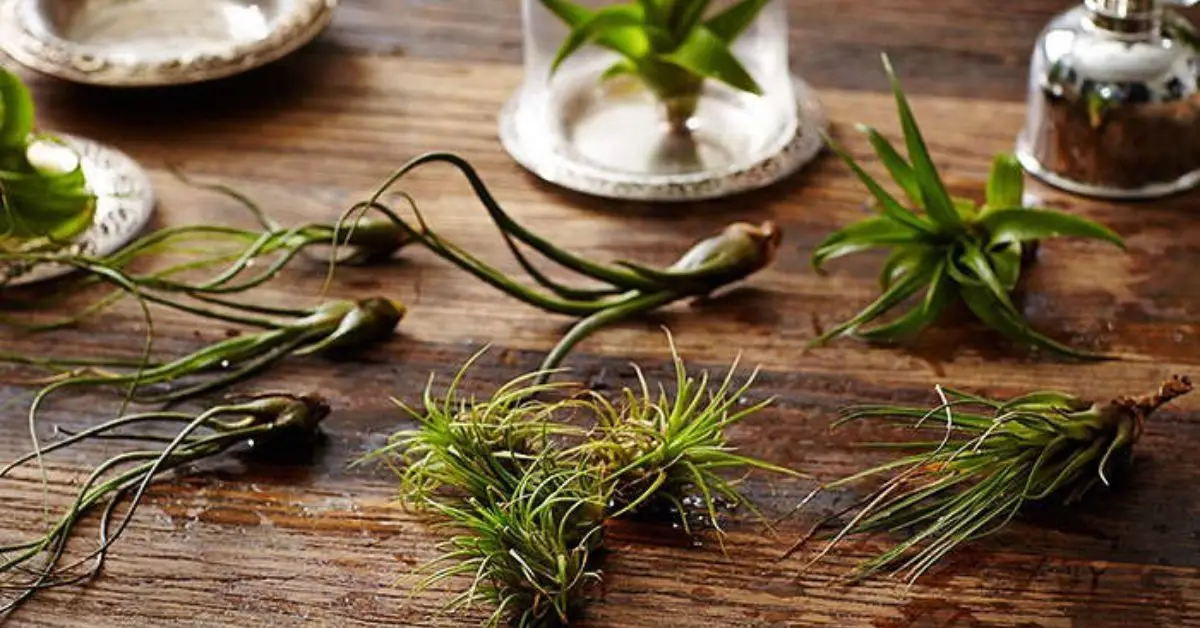
When I finally figured out a routine, my air plants stopped shriveling and started pushing out new leaves. Here’s a simple breakdown you can follow:
Step 1 – Choose Your Method
There isn’t just one way to water. Each method has its place:
- Soaking (best overall): Submerge in room-temperature water for 20–30 minutes once a week.
- Dunking (quick fix): Dip plants in water for a few seconds, good for in-between soaks.
- Misting (supplemental): Lightly spray 2–3 times a week, but never rely on misting alone.
If your home is dry or heated in winter, soaking will be your plant’s lifesaver.
Step 2 – Timing Matters
Watering in the morning makes a huge difference. It gives your plants the entire day to dry out, which reduces the risk of rot.
- Avoid watering at night—moisture lingers when the air is cooler.
- Create a weekly routine: pick one day that works for you and stick to it.
Think of it like breakfast for your plants—get them hydrated early, and they’ll stay healthy all day.
Step 3 – Drying Is Crucial
This is the step most people skip—and the one that kills the most air plants. After soaking or dunking:
- Shake off excess water gently.
- Place the plant upside down on a towel for at least 2–3 hours.
- Make sure no water is trapped at the base (that’s where rot begins).
It’s not just about giving water—it’s about letting them breathe after.
Soak, Mist, or Dunk? Which Method Works Best
When I first brought home air plants, I thought misting would be enough. For months, I sprayed them a few times a week and felt confident—until the leaves started curling, turning brown at the tips, and slowly dying.
Here’s the truth: each method has its role, but not all are equal.
- Soaking (best overall): Works for almost every environment, especially in dry indoor air. Submerge your plants for 20–30 minutes once a week, then let them dry completely. This method gets deep hydration into the trichomes.
- Dunking (quick fix): A fast dip for a few seconds helps between soaks, but it doesn’t replace a full watering. Think of it as a snack, not a meal.
- Misting (only supplemental): Spraying can add humidity but will not keep your air plant alive on its own. If you rely only on misting, you’ll eventually see dehydration symptoms.
This comparative breakdown is often missing from generic care guides, yet it’s the detail that saves plants from slow decline.
How Often Should You Water Air Plants?

This is the question I see most often: “How many times a week do I water?” The honest answer depends on your space.
- Humid climates (summer, bathrooms, greenhouses): Once a week is usually enough.
- Dry climates (heated homes, winter air): 2–3 times a week is safer.
- Seasonal adjustments: Plants may need more water in hot months and less in cool months.
According to the Air Plant Supply Co., air plants in very dry indoor air may even need hydration up to three times per week.
Signs you need to adjust:
- Curled or rolled leaves → plant is thirsty.
- Brown, crispy tips → chronic underwatering.
- Mushy base or leaves falling apart → overwatering or poor drying.
Getting frequency right is the single biggest factor in keeping your plant alive long-term. Sometimes what looks like a watering issue is actually a light problem. Here’s a quick guide on how to check if your houseplant is getting enough light so you can rule that out before adjusting your routine.
Common Mistakes to Avoid When Watering
I’ve killed a few air plants by doing these things, and I’ve seen countless beginners repeat them:
- Leaving plants wet in terrariums: Moisture builds up with no airflow, leading to rot.
- Using chlorinated tap water: Chemicals can damage delicate trichomes. Filtered or rainwater is safer.
- Watering at night: Cool, stagnant air keeps plants wet for too long, inviting fungus and rot.
Avoiding these mistakes makes the difference between a plant that struggles for months and one that thrives for years.
Advanced Care: Boosting Growth Beyond Watering

Once you’ve mastered watering, there are a couple of extra steps that can push your air plants from simply surviving to truly thriving.
- Use a diluted orchid fertilizer once a month. Mix it at about one-quarter strength and soak your plants briefly. This adds nutrients they don’t usually get indoors, helping them produce new leaves or even blooms.
- Pay attention to light and airflow. Bright, indirect light is ideal, and a gentle breeze helps plants dry faster after watering. Good circulation also reduces the chance of rot, especially in closed containers or terrariums.
These small touches mimic the natural environment where air plants cling to tree branches in bright, breezy forests. If you’re interested in experimenting with hardy, low-maintenance greens beyond air plants, you might also enjoy reading about whether snake plants can thrive outdoors and how to keep them healthy in different conditions.
Quick Watering Checklist for Busy Plant Parents
When life gets hectic, it’s easy to forget details. Here’s a simple checklist you can stick on your fridge:
- Soak weekly for 20–30 minutes
- Mist in between if the air feels dry
- Always let plants dry upside down
- Avoid standing water at all costs
This is your fast-track routine. Even if you don’t remember every detail from this guide, these four points will keep your plants healthy.
Key Takeaways for Thriving Air Plants
Air plants may look exotic, but their care is simple once you understand the basics. Soak them weekly, let them dry thoroughly, and adjust based on your home’s climate. Add a little fertilizer and airflow, and you’ll see them reward you with fresh, green growth.
With the right routine, air plants are among the easiest houseplants you’ll ever keep—and one of the most rewarding. And if you love statement houseplants as much as I do, check out our guide on how to keep your Monstera plant lush and leafy indoors.
What about you? Have you tried soaking, misting, or dunking your air plants—what worked best in your space? Share your experiences in the comments below, because your story might help another plant lover avoid mistakes.
For more practical tips and guides on plant care, visit Plant Care Dairy and explore how to make every green corner of your home thrive.
Disclaimer: This article is for informational purposes only. Plant needs can vary based on climate and environment, so always adjust care routines to suit your conditions.