

I’ll be honest with you—when I first brought a Monstera home, I thought watering and a sunny corner would be enough. Within weeks, the leaves were drooping, and instead of those bold splits I had seen online, mine looked flat and tired. That’s when it hit me: this plant isn’t just about survival, it’s about creating the right mix of light, air, water, and care so it can truly look lush and leafy.
If you’ve ever stared at your Monstera and wondered why the leaves aren’t opening wide, why they curl, or why the shine disappears, you’re not alone. These plants tell us exactly what they need—we just have to pay attention. In the next sections, I’ll share the same care lessons I learned through trial, error, and a bit of research, so your Monstera doesn’t just hang on but becomes the showstopper in your room.
What about you—have you noticed your Monstera doing something odd lately, like refusing to split its leaves or growing tall but looking thin?
Give It the Right Ambience: Light, Temperature & Humidity
Bright, Indirect Light for Leaf Splits
I learned pretty quickly that Monstera leaves won’t form those dramatic splits unless they get the right kind of light. Direct sun scorches them, while dim corners leave them flat and lifeless. What works best is bright, indirect light—close to a sunny window but softened with a sheer curtain.
If you’ve been frustrated by plain leaves, try this:
- Place your Monstera a few feet back from an east- or south-facing window.
- Use light meters or even your phone’s lux app if you want precision—aim for moderate, steady brightness.
- Avoid shuffling it into dark corners just because it “fits” the decor.
Trust me, once the light is sorted, you’ll see new leaves opening wider, fuller, and with those signature cuts.
Comfortable Temps & Humidity Levels

Monstera thrives when the room feels comfortable to you—it’s as simple as that. Think 65–80°F (18–27°C). Too cold, and the plant slows down; too hot or drafty, and the leaves stress out.
Humidity makes a huge difference too. When I noticed crispy brown tips on my leaves, it wasn’t pests—it was dry winter air. To fix it, you can:
- Mist lightly in the morning (not at night—wet leaves overnight invite trouble).
- Group plants together to create a natural humid zone.
- Use a small humidifier if your home runs dry.
Even a bowl of water near a radiator can raise the humidity just enough to keep the foliage soft and green. Cold drafts in winter can stress Monsteras, so it helps to read our tips on how to protect your indoor plants during the winter months and keep them safe when temperatures drop.
Rotate for Even Growth
One mistake I made in the beginning was leaving my Monstera in the same position for months. The result? One side looked wild and full, the other bare and stretched. The fix is simple—rotate your pot every couple of weeks.
By doing this, every leaf gets its fair share of light, and your plant grows evenly rather than leaning like it’s begging for sunshine.
Watering & Feeding Balance: Keep Soil Happy
Let Soil Dry Before Watering
If I had to name the number one Monstera killer, it’s overwatering. I used to water on schedule, not realising the soil was still damp. The roots suffocated, and the leaves started yellowing. The golden rule is simple: check the top 2 inches of soil—if it’s dry, then water.
A quick checklist:
- Stick your finger into the soil; don’t just trust the surface.
- Lift the pot—if it feels heavy, wait a bit.
- Always empty excess water from saucers.
This one small habit will keep root rot at bay and your plant much happier.
Fertilize During Growth Season (Diluted)
During spring and summer, your Monstera is in growth mode. That’s when a little extra nutrition goes a long way. I use a diluted liquid fertilizer every 4–6 weeks. It’s like giving the plant a light snack rather than a heavy feast—it boosts the leaf size without overwhelming the roots.
Skip fertilizing in winter when the plant naturally slows down. Think of it as letting it rest after a busy season.
Tips from Real Owners: Pot Size & Watering Pace
One thing I love about plant communities is the honesty. Growers often remind beginners that “less is more.” A pot that’s just slightly bigger than the root ball helps avoid soggy soil, and watering slowly instead of dumping all at once ensures the roots actually absorb what they need.
Here’s what I picked up from those discussions:
- Don’t rush to repot into a giant container—snug pots keep roots healthier.
- Pour water gradually until it drains; this prevents dry pockets inside.
- If your plant looks thirsty too often, it might be root-bound—time to repot.
These are the kind of practical hacks only real owners talk about, and they make a world of difference when you’re trying to keep your Monstera lush and leafy.
Soil, Repotting & Support for Vigorous Foliage
Use Well-Draining, Organic Mix with Perlite/Bark
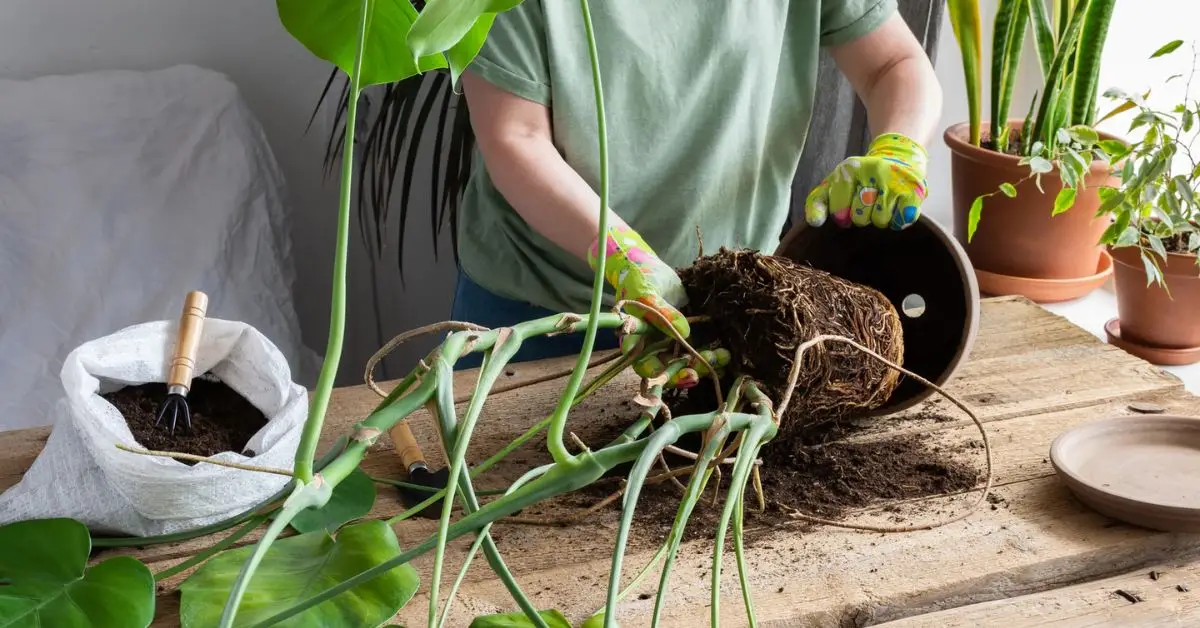
I’ve noticed Monsteras don’t forgive soggy soil. Their roots need air as much as water, and a heavy mix suffocates them fast. What works best is a loose, chunky blend—think potting soil mixed with perlite, bark, or even a bit of coco coir. The mix drains quickly yet holds enough moisture for steady growth.
A simple recipe I follow:
- 2 parts good-quality potting soil
- 1 part perlite for drainage
- 1 part orchid bark for structure
- (Optional) a handful of compost for slow nutrients
This keeps the roots healthy and directly supports lush, strong foliage.
When & How to Repot
Monsteras grow fast, and before you know it, the roots start circling the pot or peeking through the drainage holes. That’s your sign it’s time to repot. On average, every 2–3 years is right, but don’t just go by the calendar—watch the plant.
Here’s what I look for before repotting:
- Roots coming out of the bottom holes
- Water sitting on the surface too long
- Plant looking top-heavy or leaning
When you do repot, go just one size up. Too big a pot, and you’ll be fighting soggy soil again.
Use Moss Poles or DIY Support
Monsteras are climbers at heart. If you’ve ever wondered why new leaves stay smaller, it’s often because the plant has nothing to climb. Adding a moss pole or even a sturdy DIY stake makes all the difference—it mimics their natural habit and encourages those big, split leaves we love.
If you’re feeling handy, guides like those from Gardening Know How walk you through making your own moss pole at home. It’s cheaper, simple, and your Monstera will reward you with faster vertical growth and more dramatic foliage.
Spot, Correct & Prevent Common Leaf Problems
Yellow, Browning, Curling Leaves? Diagnosis Guide
I can’t count how many times readers ask why their Monstera leaves don’t look “right.” The truth is, leaves are storytellers—they’ll tell you exactly what’s off:
- Yellow leaves → Too much water or poor drainage.
- Brown, crispy tips → Low humidity or too much direct sun.
- Curling edges → Soil drying out too often, or compacted roots.
Learning to read these signals means you fix issues before they spread.
Restore Gloss & Clean Leaves
One of the quickest ways to make a Monstera look lush again is simply keeping its leaves clean. Dust blocks light and dulls the shine. I wipe mine with a damp cloth every couple of weeks, but you can also use natural tricks like banana peel polish or a tiny drop of mild soap in water. They not only make the leaves gleam but also help the plant photosynthesize better.
Pests & Dust Prevention
Spider mites, mealybugs, and thrips love hiding under Monstera leaves. The best prevention isn’t spraying chemicals every week—it’s regular care. Check the undersides while cleaning, keep humidity up, and don’t let dust build up. A healthy, clean plant is far less inviting to pests. If pests are a recurring headache, you might want to check out our guide on best indoor plants for pest control—some plants naturally repel bugs and can make your space healthier.
Pruning, Propagation & Dealing with Leggy Growth

Prune Strategically to Encourage New Growth
I used to hesitate before cutting my Monstera—afraid I’d hurt it. But pruning is actually a gift to the plant. By trimming back long or damaged stems, you redirect energy into fresh leaves and stronger growth.
Here’s how I approach it:
- Always use clean, sharp scissors or shears.
- Cut just above a node (the little bump where a leaf meets the stem).
- Remove yellowed or damaged leaves first, then tidy up wild vines.
A few well-placed cuts can turn a tired-looking Monstera into a fuller, more balanced plant.
Propagate via Cuttings or Division
Propagation isn’t just about multiplying plants—it’s also a smart way to make your Monstera look denser. When you snip a stem with a healthy node and root it in water or soil, you can either gift it to a friend or replant it back into the original pot. That way, your plant thickens out instead of staying spindly.
Quick steps I follow:
- Choose a stem with at least one node and a leaf.
- Root it in water until white roots are a few inches long.
- Transfer to soil and keep moist for the first couple of weeks.
It feels rewarding to see new plants grow from those cuttings—and your Monstera gets that “lush jungle” vibe.
Tackling Leggy Growth: Add Vines or Merge Cuttings
One of the most common complaints I hear is, “My Monstera is growing tall but looks bare.” That’s classic leggy growth—usually from low light or lack of support. You can fix it in two ways:
- Add new cuttings back into the pot to fill empty spaces.
- Train vines onto a moss pole so leaves grow upward and bigger.
Plant enthusiasts on House Plant Journal often recommend this trick, and I’ve tried it myself. Combining cuttings with the main plant gives an instant boost in fullness. Over time, it transforms that sparse look into a lush centerpiece.
Have you ever tried propagating your Monstera? Did you keep the new plant or tuck it back in to make the original look fuller?
Final Care Routine & Recap
Caring for a Monstera doesn’t have to feel overwhelming. Once you set up the basics, it’s really just about sticking to a rhythm. Here’s a simple routine you can follow so your plant stays lush, leafy, and thriving year-round:
Monthly Care Checklist:
- Wipe leaves with a damp cloth to remove dust.
- Rotate the pot for even growth.
- Check soil moisture before watering—never on a strict schedule.
- Inspect for pests under the leaves.
Seasonal Adjustments:
- Spring/Summer: Fertilize lightly every 4–6 weeks, increase watering pace as growth speeds up, and add support if needed.
- Fall/Winter: Cut back on watering, stop fertilizing, and keep your Monstera away from cold drafts or heaters. Alongside these steps, you can also introduce easy-to-care indoor plants for clean air to create a healthier environment and complement your Monstera’s lush presence.
When you follow these simple steps, your Monstera rewards you with those iconic, dramatic leaves that make the plant such a showpiece.
What about you—do you already follow a set routine for your Monstera, or are you still figuring out what works? Share your experiences in the comments below—I’d love to hear them.
For more practical plant care guides and trusted tips, visit Plant Care Dairy and explore advice that keeps your green friends at their best.
Disclaimer: The tips shared here are based on personal experience and trusted plant care resources. Every home environment is different, so always observe your own plant’s needs and adjust accordingly. This guide is for general information only and should not replace professional advice from a horticulturist or local nursery.