

I’ll be honest with you—when I first started gardening, I thought watering was the whole story. Pour some water near the roots, and the plant drinks it up, right? Simple. But over time, I realised plants aren’t just sipping like we do from a glass. They’ve got a hidden system inside them, pulling water through roots, pushing it up stems, and turning every drop into life. Once I began noticing how a healthy plant stands tall while a thirsty one wilts within hours, it clicked—understanding how plants really drink water is one of the biggest differences between keeping them alive and helping them thrive.
If you’ve ever wondered why a plant droops even when the soil looks damp, or how a leaf at the very top of a tree gets water from roots buried deep underground, you’re in the right place. I’ll take you inside that secret journey—roots, xylem, leaves, and the tiny signals that tell you when something’s off. More importantly, I’ll share what you can actually do in your garden so your plants don’t just survive, they flourish.
Before we dive in, tell me—when was the last time you really looked at your plants and asked yourself: are they drinking the way they should?
The Hidden Journey of Water Inside Plants
From the outside, watering looks simple—you pour it in, the soil gets wet, and the plant “drinks.” But inside, there’s a hidden plumbing system working harder than you think. Water doesn’t just sit at the roots; it travels through a series of steps, almost like a relay race.
- Absorption: Tiny roots pull water from the soil.
- Transport: Water moves upward through a network of straw-like tubes.
- Distribution: It spreads out to every leaf and cell, fueling growth and cooling the plant.
When you picture this process, it’s not just science—it’s a little mystery unfolding in your own garden. Once you see plants this way, you’ll notice more signs when something’s going wrong.
Root Absorption – Where It All Begins

Think of root hairs as the unsung heroes. They’re so fine you can’t always spot them, but they multiply the root’s surface area, acting like thousands of tiny straws. Without them, a plant’s water supply would be painfully slow.
Here’s where osmosis comes in. Water naturally moves from wetter soil into the drier root cells, passing from one cell to the next until it fills the plant’s system. You don’t control osmosis, but you do control the soil around it.
- Compacted soil squeezes out the air pockets roots need to breathe.
- Poor drainage keeps water sitting too long, leading to suffocated roots and rot.
- Rich, loose soil lets roots stretch and absorb freely.
Next time you see wilting, don’t just assume you need to water more. Sometimes, the problem is below the surface—the soil structure itself. Just like roots defend themselves underground by managing what enters, plants also have above-ground tricks to survive. If you’re curious, you can explore how plants protect themselves from pests and predators—a fascinating look at their hidden survival methods.
The Secret Power of Capillary Action
Here’s the part that still amazes me: how does water reach the top leaf of a tall tree? The answer is xylem—a bundle of straw-like tubes running through stems and trunks. These tubes don’t push water up with pumps like we do in plumbing. Instead, they rely on two quiet forces: cohesion and adhesion.
- Cohesion: Water molecules stick to each other, pulling one another upward.
- Adhesion: Those same molecules cling to the walls of the xylem, defying gravity.
It’s the same principle you see when a paper towel soaks up a spill. Plants are constantly doing that, only on a scale that can lift water meters high.
If you’ve ever done the classic celery-in-coloured water experiment as a kid, you’ve already seen capillary action at work. The red or blue streaks climbing the stalk are proof of this hidden system in action. For a deeper dive, the Royal Horticultural Society has a great explainer on how xylem pulls water all the way up to the leaves.
So the next time you see a tree swaying in the heat, remember—there’s an invisible chain of water moving inside, keeping every leaf alive.
Leaves – The Final Destination
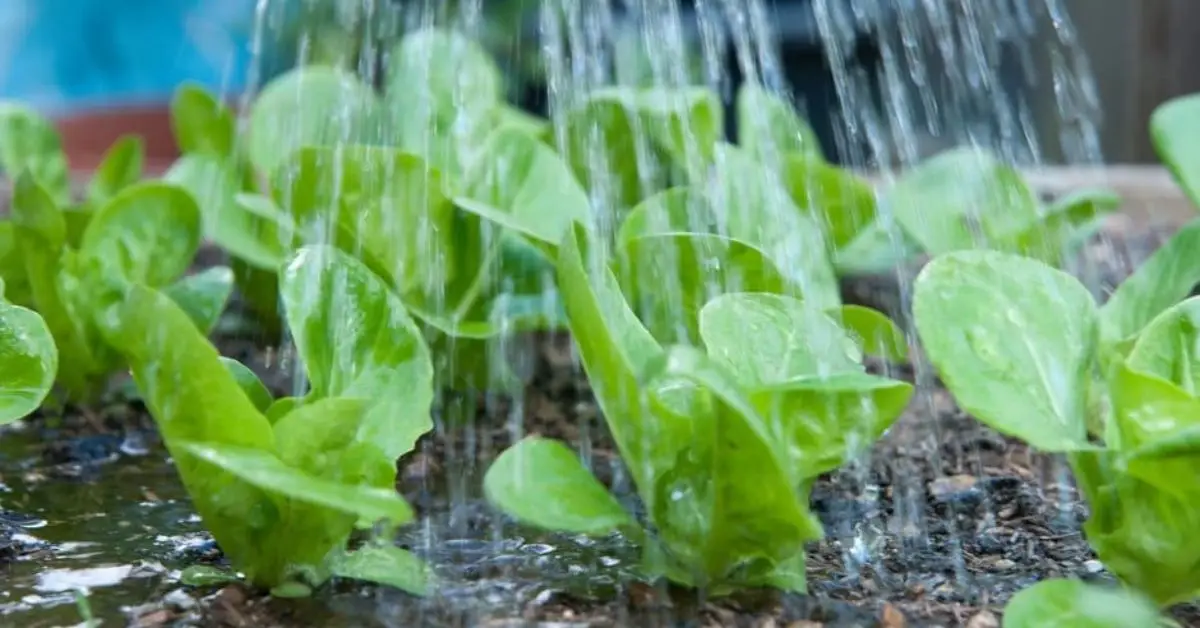
Once water makes it through the roots and stems, it reaches the leaves—the final stop in this hidden journey. But leaves aren’t just passive drinkers; they’re busy hubs where water transforms into energy, food, and even protection.
Transpiration Pulls the Chain
Every time water evaporates from tiny pores (stomata) on a leaf’s surface, it creates a pull that drags more water up from below. It’s like the plant is constantly sipping, powered by the simple act of evaporation. Without transpiration, the whole system stalls.
Cooling System of the Plant
That same evaporation works like a natural air conditioner. On a hot day, as water escapes, the plant cools itself down—just like sweat cools you. This is why dry winds or scorching heat can stress plants; they lose water faster than they can replace it.
Nutrient Highway
Water doesn’t travel alone. It carries dissolved minerals like potassium, calcium, and magnesium along the way. Think of it as the plant’s delivery truck—dropping essential nutrients at each cell it passes. Without this highway, leaves wouldn’t have the fuel to photosynthesise and grow.
Nature builds in clever designs—some protect water flow, others guard against threats. A perfect example is the thorn: discover why roses have thorns and how it ties into a plant’s survival strategy.
Signs Your Plant Isn’t Drinking Properly
Even if you water regularly, your plant might be struggling to drink. The signs are often right in front of you:
- Leaves drooping or wilting, even in moist soil
- Yellowing or pale foliage that looks weak
- Crispy, brown edges along leaves
- Stunted growth or new shoots refusing to form
The tricky part? Overwatering and underwatering often look similar. A plant with soggy, suffocated roots can wilt just like one that’s bone dry. The difference lies in the soil—if it feels constantly wet but the plant still droops, you’re likely dealing with overwatering.
Garden Secrets to Help Plants Drink Better
Now that you know how plants actually drink, here’s how to make that process easier for them in your own garden.
Right Watering Methods
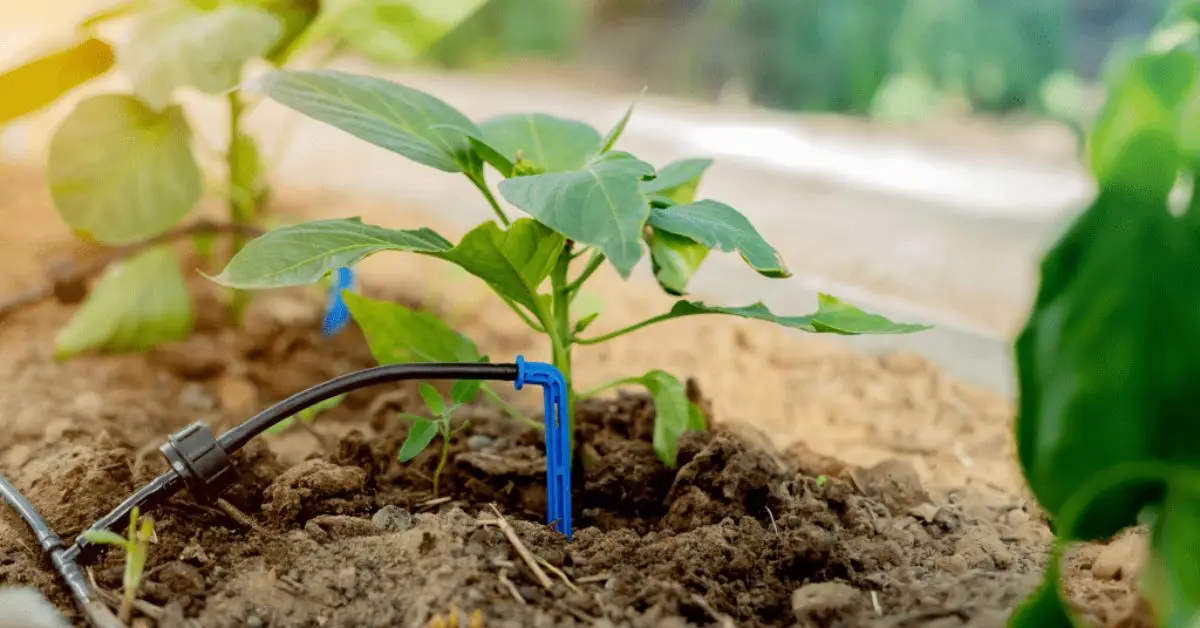
Shallow splashes only moisten the surface. Go for deep watering so roots grow downward, making plants more resilient. Misting leaves may look refreshing, but it does little for hydration.
Soil Hacks
Healthy soil acts like a sponge. Add mulch to lock in moisture, and mix in compost to improve structure. This keeps water available longer and prevents roots from drying out too fast.
Pot Drainage & Root Aeration
Plants in pots suffer the most when water sits trapped at the bottom. Always ensure there are drainage holes, and occasionally loosen compacted soil so roots can breathe. Without oxygen, roots can’t absorb water properly, no matter how much you give. When you understand how plants drink, it also changes how you look at what they grow into. For instance, many wonder, do blackberries grow on trees or shrubs? Knowing the difference helps you care for them the right way.
For more practical tips on soil and watering, you can check trusted guides like West Virginia University Extension, which explain how plants use water at every stage of growth.
Quick question for you: when your plant looks sad, do you check the soil first—or do you reach straight for the watering can?
Fun Experiments That Show Plants Drinking
Sometimes the best way to understand plants is to see the process in action. You don’t need a lab or fancy equipment—just a few household items. These simple experiments make the hidden journey of water completely visible, and they’re fun whether you’re a curious gardener or sharing the moment with kids.
Celery in Food Dye – Classroom Classic
Take a stalk of celery, trim the base, and place it in a glass of water with food colouring. Within hours, you’ll see streaks of colour climbing up the stalk. This is capillary action at work—the same invisible pull happening in your garden every day.
White Flowers in Coloured Water – Visible Uptake
Drop white carnations or daisies into coloured water and watch as the petals change shade. The colour doesn’t just sit in the stem; it travels all the way to the flower, proving how nutrients move along with water. This is one of those experiments that makes kids (and adults) stop and say, “Wow.”
Clear Straws Experiment (DIY Capillary Action)
Bundle a few clear straws together, dip one end in water, and watch how the liquid climbs upward. It’s a simple way to mirror the plant’s xylem tubes. You’ll see how water clings to surfaces and drags itself higher, even against gravity.
If you want step-by-step visuals, sites like Education.com break down these projects in easy-to-follow ways.
Common Myths About How Plants Drink Water
Even experienced gardeners fall for old habits or quick tips that sound right but don’t hold up. Let’s clear a few of the most common myths.

- Myth: “Misting keeps roots hydrated.”
Reality: Misting only affects the leaf surface and briefly raises humidity. It doesn’t get water to the roots, which are the true drinking points. If your soil is dry, misting won’t save your plant. - Myth: “More water = faster growth.”
Reality: Overwatering drowns roots, cutting off oxygen and causing rot. Healthy growth comes from balanced watering and healthy soil—not a flooded pot. - Myth: “Leaves can drink directly.”
Reality: While foliar sprays can deliver nutrients through leaf pores, it’s not the main way plants drink. The bulk of water still enters through the root system.
Understanding these myths helps you focus on what really works, not what just sounds good.
Bringing It All Together – The Gardener’s Takeaway
By now, you’ve seen the whole story:
- Roots act like straws, pulling water in.
- Xylem tubes carry it upward against gravity.
- Leaves release it through transpiration, cooling the plant and moving nutrients along.
- Warning signs like wilting, yellow leaves, or crispy edges reveal when something’s off.
- Fixes like deep watering, loose soil, and good drainage keep your plants drinking the way nature intended.
The real secret isn’t just knowing how plants drink water—it’s learning to notice when that system is struggling. Next time you step into your garden, pause for a moment. Look at the leaves, check the soil, and ask yourself: is my plant drinking the way it should?
I’d love to hear from you—what’s the biggest watering mistake you’ve made, and what did you learn from it? Share your story in the comments.
For more practical, gardener-focused tips like this, visit us at Plant Care Dairy, where we break down plant science into simple steps you can use every day.
Disclaimer: The information in this article is for general gardening education only. It is not a substitute for professional horticultural or agricultural advice. Always consider your local climate, soil conditions, and plant type before applying these tips.