
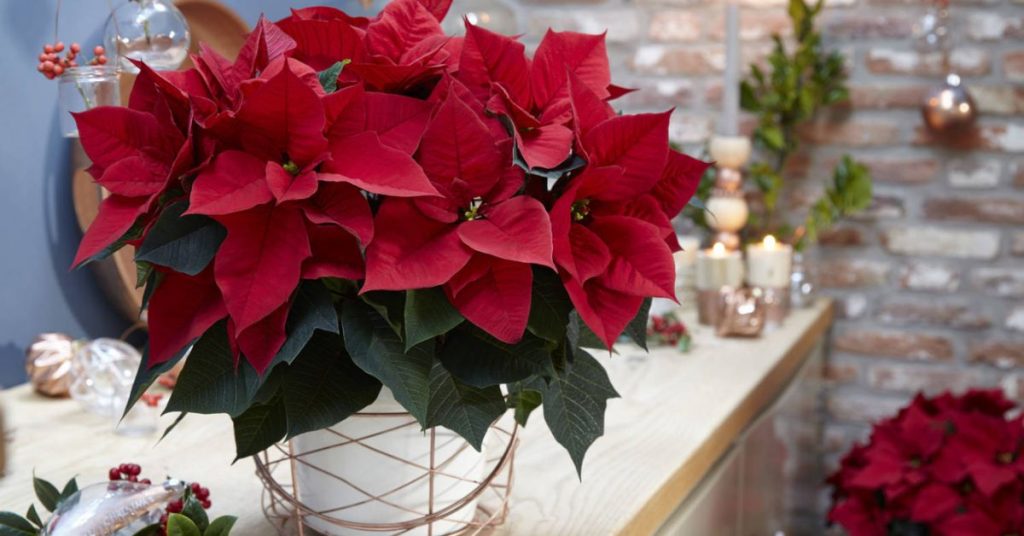
Every December, I can’t resist bringing home a bright, red poinsettia to light up my space. But if you’ve ever tried to keep one alive past the holidays, you know the challenge: the leaves start to droop, the colors fade, and it feels like the plant just gives up. I’ve been there, staring at a once-vibrant plant wondering if it will ever bloom again.
The truth is, poinsettias are a bit picky. Their stunning color comes from a careful balance of light, temperature, and timing. Miss just one detail, and you might end up with green leaves and no blooms next season.
That’s why I want to show you a complete, practical way to make your poinsettia bloom again. From avoiding the common mistakes that most guides skip to using the exact light and dark cycles your plant needs, I’ll walk you through what actually works. By the end, you’ll know how to keep your poinsettia healthy and ready to shine next holiday season.
Why Your Poinsettia Needs Care to Bloom Again
Understanding the Holiday Bloom Cycle
I’ve noticed that poinsettias have this magical way of lighting up a room during the holidays. But behind that festive color is a very specific bloom cycle that most guides barely touch. These plants naturally bloom in winter, and their bright red bracts (what we often call “leaves”) actually change color because of a combination of light exposure, temperature, and plant maturity.
If you’ve ever wondered why your plant goes from vibrant red to dull green so quickly, it’s not lazy—it’s biological. Poinsettias are photoperiodic, meaning they respond to the length of night and day. They need long nights (around 12–14 hours of darkness) to trigger the pigment changes that create those red bracts. Skipping this step or giving them inconsistent light can leave you with green leaves long past the holidays.
Understanding this cycle means you can actually plan for next year’s bloom rather than just hoping it magically reappears.
Common Mistakes That Prevent Re-blooming

I’ve seen so many people make the same mistakes and then wonder why their poinsettia never comes back to life. Here are the top issues to watch out for:
- Overwatering: These plants don’t like soggy roots. Too much water leads to root rot and droopy leaves.
- Wrong Light: Placing them in dim corners might keep them alive, but they won’t bloom. They need bright, indirect sunlight during the day.
- Temperature Stress: Sudden temperature changes, drafts, or keeping them too warm at night can halt color development.
If you scroll through Twitter or gardening forums, you’ll notice countless before-and-after posts showing failed vs successful re-bloom. These examples are proof that small adjustments in care can make a huge difference.
By avoiding these common pitfalls, you’re giving your poinsettia a real chance to survive and bloom again. It’s not just about keeping it alive—it’s about setting it up to shine next holiday season.
Step-by-Step Guide to Make Your Poinsettia Bloom Again
Proper Pruning After the Holidays
When the festive season ends, my first step is always pruning. I know it might feel harsh to cut off stems, but this encourages new growth that’s essential for next year’s blooms.
Here’s how I do it:
- Cut back each stem by about one-third to one-half.
- Remove any dead or yellowing leaves.
- Focus on shaping the plant evenly so it grows strong and balanced.
Pruning sets the foundation for a fuller, healthier plant that’s ready to bloom again. Focus on shaping the plant evenly so it grows strong and balanced. Just like pruning your poinsettia encourages new growth, proper pruning techniques for other indoor plants, like lucky bamboo, can dramatically improve their health and appearance.
Correct Watering and Fertilization Routine
Watering seems simple, but I’ve learned that balance is everything. Too little water and the leaves wilt; too much and the roots rot. Here’s my routine:
- Water when the top inch of soil feels dry.
- Always drain excess water—never let the plant sit in a saucer full of water.
- Fertilize every 4–6 weeks with a balanced, all-purpose fertilizer.
Proper nutrition directly affects bloom quality. Skip it, and even perfect light and pruning won’t get your plant to flower.
Light Requirements and Placement
I always move my poinsettia to a spot with bright, indirect sunlight. Too little light, and the leaves stay green; too harsh direct light, and they scorch. Ideally:
- 6–8 hours of bright, filtered light per day
- Avoid windows that get harsh afternoon sun
- Rotate the plant occasionally for even growth
Sunlight is what drives the color change. Many guides just say “give sunlight” without specifics, but placement makes all the difference.
Sunlight is what drives the color change. Similar to poinsettias, peace lilies also require the right balance of light, water, and humidity to thrive indoors.
Temperature and Humidity Control

I’ve learned that temperature is as crucial as light. Poinsettias thrive in daytime temperatures around 65–70°F and night temperatures of 60–62°F. Humidity should be moderate—too dry and the leaves brown, too humid and mold can form.
Poinsettias are sensitive to temperature changes. Following these simple ranges ensures your plant stays healthy and triggers the photoperiod that sparks those red bracts. For research-backed guidance, MSU Extension also emphasizes temperature management as a key factor.
Humidity should be moderate—too dry and the leaves brown, too humid and mold can form. While some people try misting their poinsettias to maintain humidity, it’s important to understand the actual benefits and risks of misting for indoor plants.
Photoperiod Control – The Secret to Colorful Bracts
Creating the Dark Period
I’ve found that this step is often the game-changer for re-blooming poinsettias. It’s not just about keeping the plant alive—it’s about triggering the red bracts. Poinsettias need 12–14 hours of complete darkness every night for 8–10 weeks to start producing color.
Here’s how I do it:
- Place the plant in a closet, box, or a dark room each night.
- Make sure no artificial lights reach the plant during this period. Even a small lamp nearby can disrupt the cycle.
- Be consistent—every night counts for the color change to work.
Daylight Management and Placement Tips
During the day, your poinsettia still needs plenty of bright, indirect sunlight. Here’s what I do to complete the photoperiod cycle:
- Give 6–8 hours of daylight per day in a well-lit spot.
- Avoid placing near heat vents or areas with fluctuating temperatures.
- Make sure no artificial lights turn on at night—this can undo all your dark-period efforts.
Daylight balances the dark period, signaling the plant to develop those beautiful red bracts. Combining both properly is the secret to a colorful, festive plant.
Troubleshooting Common Re-bloom Problems
Leaf Drop or Yellowing Leaves
I’ve seen many people panic when their poinsettia starts dropping leaves or turning yellow. Before you worry, consider these common causes:
- Overwatering or underwatering: Check the soil moisture and adjust accordingly.
- Temperature shock: Sudden drafts or extreme temperature swings can stress the plant.
- Low humidity: Dry indoor air can brown the leaf edges.
Poinsettia Not Turning Red
If your plant stays stubbornly green despite all your care, the culprit is usually insufficient darkness or incorrect temperatures. Here’s what I do:
- Double-check the night hours—ensure complete darkness for 12–14 hours.
- Maintain daytime temperatures around 65–70°F and night temps at 60–62°F.
- Rotate the plant occasionally for even light exposure.
Pest and Disease Management During Re-blooming
I always inspect my poinsettia for pests before starting the re-bloom routine. The most common offenders are whiteflies, spider mites, and fungal issues. Here’s my approach:
- Wipe leaves gently with a damp cloth or mild soapy water.
- Use natural pest sprays if needed, but avoid harsh chemicals.
- Keep the plant in a well-ventilated spot to prevent fungus.
Healthy plants are more likely to bloom successfully next year. Maintaining pest-free leaves ensures your investment in time and care pays off. For science-backed advice, Gardening Know How offers excellent guidance on common poinsettia pests.
Preparing Your Poinsettia for Next Holiday Season

Long-Term Care Plan After Bloom
Once the holiday season ends, I don’t just toss my poinsettia aside. I focus on a long-term care plan that keeps it healthy for years. Here’s what works for me:
- Summer growth: Keep the plant in a bright, indirect light location. Let it grow naturally, even if it doesn’t have colorful bracts.
- Fertilizing schedule: I feed mine every 4–6 weeks with a balanced, all-purpose fertilizer during active growth.
- Regular trimming: Remove any leggy stems to maintain a bushy shape.
Following a long-term care plan ensures your poinsettia doesn’t just survive, but comes back stronger and ready to bloom next year.
Tips for Re-potting and Soil Management
Strong roots are the backbone of a healthy poinsettia. When I repot, I focus on soil quality and drainage to prevent root rot:
- Use a well-draining soil mix: A peat-based potting mix with perlite or sand works best.
- Repot every 1–2 years: Slightly larger pots help roots expand, but don’t overcrowd.
- Check for root health: Trim any brown or mushy roots before re-potting.
Healthy roots equal a vibrant plant. For more detailed soil and repotting tips, ProMix Gardening offers excellent guidance.
Encouraging Consistent Seasonal Blooming
After pruning, watering, and repotting, I start thinking about next year’s bloom cycle:
- Keep the plant in bright, indirect light throughout the growing season.
- Maintain a consistent watering and fertilization routine.
- Begin photoperiod preparation in early fall—12–14 hours of darkness nightly—to trigger red bracts on time.
Routine care and early photoperiod preparation ensure your poinsettia blooms reliably every holiday season, saving you from disappointment and extra expense.
Closing Notes – Make Your Poinsettia a Holiday Star Every Year
Over the years, I’ve realized that keeping a poinsettia vibrant and blooming isn’t magic—it’s about consistent care and attention. If you remember just a few key steps, your plant can shine year after year:
- Pruning properly after the holidays to encourage new growth.
- Providing the right light—bright, indirect sunlight during the day.
- Maintaining proper watering and fertilization for strong, healthy stems.
- Following a strict photoperiod schedule to trigger those stunning red bracts.
The secret is planning ahead. Start your care routine early in the year, and by December, your poinsettia will reward you with rich color and lush foliage.
I’d love to hear from you—have you ever successfully re-bloomed a poinsettia? Share your tips or ask questions in the comments below!
And if you want more practical plant care advice, check out Plant Care Dairy for guides, tips, and expert tricks to keep all your indoor and holiday plants thriving.
Disclaimer: The care tips provided are based on general horticultural practices and personal experience. Results may vary depending on your local climate, indoor conditions, and plant variety. Always monitor your plant’s health and adjust care as needed.