
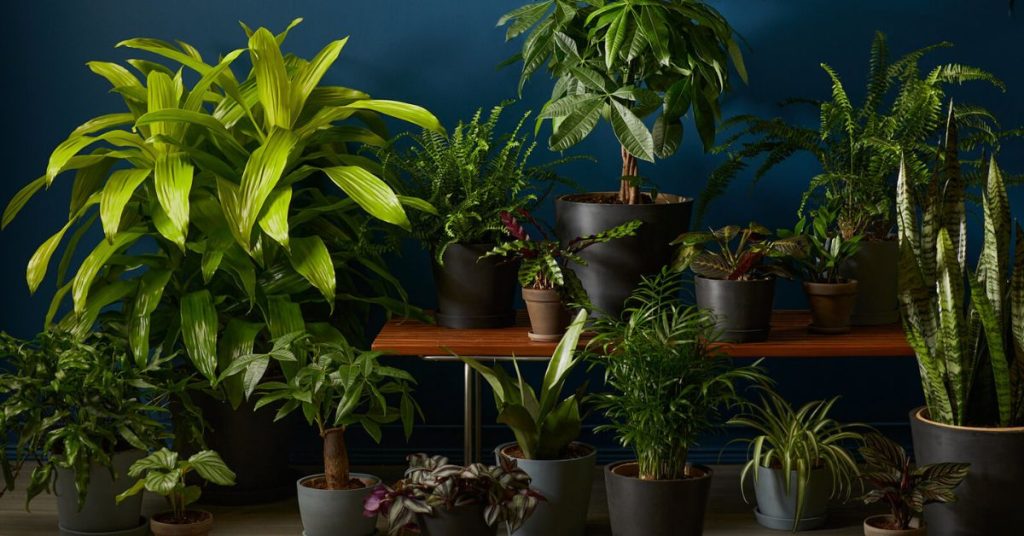
Every December, I find myself rearranging my bedroom, trying to make it feel a little warmer and more alive. But here’s the catch: my room barely gets any natural light. For years, I assumed that meant no plants could survive there. Then I started experimenting with low-light-friendly varieties, and the results completely changed how I think about indoor greenery.
You don’t need a sun-drenched room to enjoy lush, thriving plants. With the right choices, even the shadiest corner of your bedroom can become a calming green oasis. In this guide, I’m sharing the best bedroom plants for low light, the ones I’ve personally seen flourish, and practical tips to keep them happy. By the end, you’ll know exactly which plants can thrive in your space and how to care for them without stress.
Low Light Rooms — Where Does “Low Light” Really Exist?
When I first started bringing plants into my bedroom, I realized I didn’t even know what “low light” really meant. I assumed any corner without direct sunlight would do—but that’s not entirely true. Understanding light levels is the first step to making sure your plants not only survive but actually thrive.
Low Light vs Medium Light vs No Light — Definition & Differentiation
Here’s how I break it down:
- Low Light: The room gets some indirect natural light or artificial light during the day but no direct sunlight. Think of a corner near a north-facing window or a room with sheer curtains.
- Medium Light: You get brighter indirect sunlight, usually near an east or west-facing window, enough for most leafy plants to grow steadily.
- No Light: True darkness during the day, like interior rooms with no windows or rooms blocked by buildings. Only artificial grow lights can support plants here.
Knowing this helps you pick the right plant from the start. You don’t want to bring home a sun-loving monstera if your space barely sees daylight—it’ll just struggle and frustrate you.
How to Measure Light Levels (lux, foot-candles, smartphone trick)
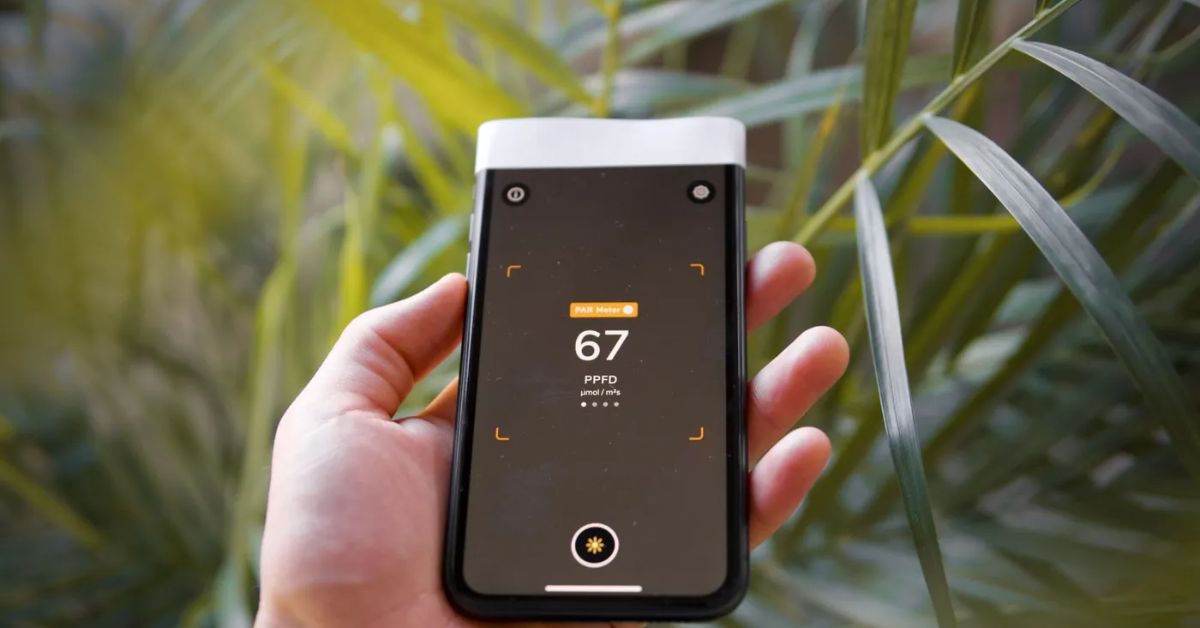
I use a few simple methods to check my bedroom light:
- Smartphone apps: There are free apps that measure light intensity in lux or foot-candles. I simply hold my phone where I plan to place a plant, and it gives me a quick reading.
- Hand test: Stand where you want the plant and hold your hand out. If you can clearly see shadows, it’s medium light; if shadows are faint, it’s low light.
- Time check: Notice how long the room gets indirect sunlight. Even 2–3 hours can make a difference for low-light tolerant plants.
For reference on low light ranges, I often check The Spruce’s guide on indoor light, which gives clear thresholds for low, medium, and bright light.
Typical Bedroom Scenarios — North-facing, Obstructed, Interior Rooms
Your room’s orientation matters. From my experience:
- North-facing window: Usually receives cool, indirect light all day—great for most low-light plants.
- Obstructed window: If trees, balconies, or buildings block sunlight, you’re in a low-light scenario. I’ve placed snake plants in such corners, and they thrive.
- Interior room: No direct sunlight. Only true low-light tolerant plants, like ZZ plants or pothos, can survive here without supplemental light.
Mapping your bedroom like this saves you time and disappointment. Trust me—I’ve killed more plants by guessing than by measuring.
Criteria for Choosing Bedroom Plants for Low Light
Once you know your light levels, the next step is picking plants that fit your space and lifestyle. I always tell myself: pick for your environment, not just what looks pretty.
Light Tolerance (shade, deep shade, indirect light)
- Make sure the plant can survive the specific light you have.
- Some plants tolerate deep shade (like ZZ plants), while others need bright indirect light.
- I usually place the most shade-tolerant plants in the darkest corners and save medium-light plants near windows.
Growth Habit & Size Preference (compact vs trailing vs upright)
- Compact plants work on bedside tables or shelves.
- Trailing plants like pothos can hang from shelves or hooks.
- Upright plants like parlor palms or snake plants suit corners.
- Think about how much space you have; I always measure before buying a plant to avoid crowding.
If you love plants like Monstera, which grow tall and need space to spread, understanding growth habits and size preference is key—you can also check out my detailed guide on how to keep your Monstera lush and leafy for indoor care tips.
Low Maintenance Needs (watering, fertilizing, pruning)
- For beginners, I prioritize plants that rarely need watering.
- Fertilizing once or twice a season is usually enough for low-light plants.
- Minimal pruning is ideal. I often keep a watering journal to avoid overcare, which is surprisingly common.
Air Quality Benefits & Non-Toxic Option (especially if you have pets or kids)
- Some plants improve indoor air quality, like snake plants and pothos.
- If you have pets or children, always check toxicity. I learned the hard way that some plants can be harmful if chewed.
- I personally keep toxic plants out of reach or avoid them entirely in bedrooms.
Humidity & Temperature Tolerance
- Bedrooms vary: heating in winter, air conditioning in summer.
- Some plants, like ferns, need higher humidity; I use a small tray of water or occasional misting.
- Others, like ZZ plants, tolerate dry, warm conditions. Matching your plant to your bedroom microclimate is key to stress-free care.
Top Picks: 8 Bedroom Plants That Thrive in Low Light

Over the years, I’ve tried dozens of plants in low-light corners, and these eight consistently surprise me with how well they do. I’m sharing my experience with each, along with care tips and what to watch out for.
ZZ Plant (Zamioculcas zamiifolia)
- Extremely drought-tolerant and can survive deep shade, making it perfect for dark corners.
- Requires minimal watering—let the soil dry out completely between waterings.
- Leaves are glossy and add a modern, elegant touch to your bedroom.
- Warning: Toxic if ingested, so keep away from pets and small children.
- Best for: Interior rooms or corners with almost no natural light.
Snake Plant (Sansevieria / Dracaena trifasciata)
- Thrives in low to medium light and tolerates neglect easily.
- Very forgiving if you forget to water for weeks.
- Purifies the air, making it a practical bedroom companion. If you’re curious about how versatile snake plants can be, both indoors and outdoors, you can read my full guide on whether snake plants thrive outdoors and essential care tips.
- Pitfall: Overwatering can cause root rot.
- Best for: Beginners or rooms with variable lighting conditions.
Golden Pothos / Devil’s Ivy (Epipremnum aureum)
- Extremely versatile—can trail from shelves, hang in baskets, or climb poles.
- Known for air-purifying properties, which is great for bedrooms.
- Very low-maintenance and tolerates low-light spaces.
- Caution: Toxic if ingested by pets.
- Best for: Hanging baskets or high shelves in low-light bedrooms.
Parlor Palm (Chamaedorea elegans)
- Compact, soft foliage adds a tropical feel without taking up much space.
- Tolerates low to moderate indirect light.
- Needs occasional watering; don’t let soil completely dry out.
- Best for: Small bedrooms or corners where a gentle vertical accent is desired.
Chinese Evergreen (Aglaonema spp.)
- Well-known for its low-light tolerance and reliability in offices and homes.
- Leaves have beautiful variegation that adds color to dim corners.
- Moderate watering; avoid waterlogged soil.
- Best for: Rooms with indirect light and moderate humidity.
Cast Iron Plant (Aspidistra elatior)
- True “dark room plant”—it survives in very low-light environments where other plants fail.
- Extremely hardy and can tolerate neglect.
- Slow-growing, but its large green leaves create a lush feel.
- Best for: Bedrooms with no windows or very shaded corners.
Fern / Shade-Loving Fern (Nephrolepis exaltata / Boston fern or others)
- Adds softness and a natural, lush texture to your bedroom.
- Prefers higher humidity and consistent moisture.
- Sensitive to dry air; occasional misting helps.
- Best for: Bathrooms or bedrooms with a humidifier or higher ambient humidity.
Calathea / Prayer Plants / Maranta types
- Fascinating leaf patterns and movement (“prayer” leaves fold at night).
- Very decorative and unique for a low-light space.
- Sensitive to overwatering, low humidity, and temperature changes.
- Best for: Bedrooms where you want visual interest and are willing to maintain consistent care.
Care Tips & Mistakes to Avoid in Low-Light Bedrooms

Even with the best plants, I’ve learned that most failures happen because of care mistakes—especially in low-light bedrooms. Here’s what I do to keep my plants thriving.
Watering Strategy — How to Avoid Overwatering in Low Light
- Overwatering is the most common reason low-light plants fail.
- Let the soil dry out completely for drought-tolerant plants like ZZ or snake plants.
- Use a moisture meter or just stick your finger into the soil—if it feels damp, hold off on watering.
- Remember: water slowly, avoid puddles in saucers.
Occasional Use of Grow Light or Supplemental LED — When Natural Light is Extremely Low
- If your room barely gets light, I recommend a small LED grow light for 1–2 hours daily.
- Timer mode is perfect—you don’t have to remember to switch it on/off.
- This tip turns even a windowless corner into a plant-friendly space.
Rotating Plants & Dusting Leaves
- Dust blocks the little light available. I gently wipe leaves with a damp cloth every couple of weeks.
- Rotate your plants occasionally so all sides receive light evenly.
Soil & Pots — Well-Draining Mix, Avoid Deep Pots
- Use light, well-draining soil to prevent root rot.
- Avoid overly deep pots; low-light plants grow slowly, and deep soil can trap moisture.
Pest & Disease in Low Light Conditions
- Low light can make plants prone to fungal issues or pests like spider mites and scale.
- Prevent by:
- Ensuring airflow in the room
- Avoiding stagnant water in trays
- Inspecting leaves weekly
Seasonal Adjustments (Winter Light Drop, Repositioning)
- Light levels drop in winter, so I move plants closer to windows or add temporary LED light.
- Adjust watering frequency accordingly—plants grow slower in low winter light.
Designing Your Low-Light Bedroom with Plants
I’ve realized that how you place your plants can be as important as which plants you pick. Here’s how I style a low-light bedroom for both beauty and practicality.
Placement Ideas — Corners, Bedside Tables, Shelves, Hanging Pots, Trailing Across Shelves
- Corners: Perfect for upright plants like parlor palms or ZZ plants.
- Bedside tables: Small pots like pothos or small ferns.
- Shelves & hanging pots: Trailing plants like golden pothos look amazing cascading down.
Mix & Match: Combining Multiple Species (Height, Texture Contrast)
- Combine tall plants with small trailing plants for depth.
- Mix leaf shapes and textures to add visual interest.
- I usually group 2–3 species together to make a mini indoor jungle feel.
Using Reflective Surfaces & Light Colors to Multiply Brightness
- Mirrors and white or light walls reflect available light, boosting plant growth.
- I often place a plant near a mirror or light-colored wall to make the room feel brighter.
Styling Tips (Planters, Moss Poles, Macrame Hangers)
- Decorative planters or macrame hangers can elevate the space.
- Moss poles or small stakes support trailing plants, making them visually appealing.
- I also use neutral or pastel-colored pots to keep the bedroom calm and relaxing.
When a Plant Won’t Survive — Alternatives & Workarounds

Some bedrooms simply have no windows or almost zero light. I’ve had to get creative, and these alternatives work surprisingly well.
Artificial / Faux Greenery with Realistic Look
- High-quality faux plants can bring greenery without any maintenance.
- Perfect for interior bedrooms with no natural light.
Moss Walls, Terrariums with Mini LED Light
- Tiny LED lights in terrariums create the illusion of thriving greenery.
- Moss walls add texture and a calming, natural vibe.
Small Potted Air Plants (With LED)
- Air plants survive without soil and need minimal light if supplemented with LED. Air plants are great for tiny spaces and low-light setups, but proper watering is key—you can learn exactly how to water air plants properly for thriving indoor greens in my step-by-step guide.
- Easy to place on shelves, bedside tables, or hanging containers.
Utilizing Artificial Grow Lights Only at Night / Timer Mode
- If natural light is zero, a short night-time light cycle keeps plants alive.
- Timer mode ensures consistency without extra effort.
Low-Light Friendly Flowering Plants (Rare Cases)
- Some plants, like Peace Lilies, flower even in low light but require occasional attention.
- Great for bedrooms where a touch of color is desired without high light dependency.
- For low-light flowering options, see Better Homes & Gardens guide.
Summary Table: Best Picks Comparison
To make choosing the right low-light bedroom plant easier, I’ve put together a quick reference table based on my experience and plant characteristics. This helps you compare options at a glance before picking your first plant.
| Plant Name | Light Tolerance | Size Suitability | Maintenance Level | Pet Safe? | Ideal Bedroom Scenario |
|---|---|---|---|---|---|
| ZZ Plant | Deep shade / low light | Medium | Very low | No | Dark corners, interior rooms |
| Snake Plant | Low to medium light | Medium | Very low | No | Variable light, beginners |
| Golden Pothos | Low to medium light | Small to medium | Low | No | Hanging shelves, high shelves |
| Parlor Palm | Low to medium light | Medium | Moderate | Yes | Small corners, bedside tables |
| Chinese Evergreen | Low light | Medium | Moderate | Yes | Indirect light rooms |
| Cast Iron Plant | Very low / deep shade | Medium | Very low | Yes | Windowless or shaded bedrooms |
| Fern / Boston Fern | Low to medium light | Small | Moderate | Yes | Humid rooms, bathrooms |
| Calathea / Prayer Plant | Low light | Small to medium | Moderate | Yes | Bedrooms with attention to care |
Note: I personally keep a small notebook to track watering and placement when trying new plants—trust me, it saves a lot of trial-and-error.
Final Thoughts & Suggested First Steps
If you’re feeling a little overwhelmed, don’t worry—I always tell myself to start small. Here’s what I suggest:
- Pick one or two easy low-light plants this week. I recommend starting with a snake plant or ZZ plant if it’s your first time.
- Assess your corner’s light levels using a smartphone app or the hand test we discussed earlier. This sets realistic expectations for your plant.
- Monitor and adjust for a month. Watch how your plant responds, tweak watering, and move it slightly if needed. I often do small adjustments every 2–3 weeks to keep plants happy.
- Check local plant nurseries or online stores in your city. Many nurseries carry healthy low-light plants year-round. Buying from trusted sources ensures your plant survives the first critical weeks.
Share your experience! I’d love to hear about your bedroom plant journey—comment below on Plant Care Dairy, share your challenges, your favorites, or photos of your setup. Let’s build a community of low-light plant lovers together!
Remember: even one small plant can transform a low-light bedroom into a lively, calming space. Start small, watch it grow, and enjoy the process!
Disclaimer: The information in this article is for general guidance only. Plant safety (especially for pets and children) can vary by species and growing conditions—always double-check with trusted sources before bringing new plants home.