

I used to think fall was the time to pack up the garden, not start one. By September, the summer tomatoes were fading, the peppers looked tired, and honestly—I just wanted a break. But the first time I planted spinach and carrots in late August, something clicked. The cooler nights kept pests away, the greens grew sweeter, and I realized fall might actually be the best-kept secret in gardening.
If you’ve ever wondered what to plant after summer ends, you’re not alone. Most guides online throw out long lists of vegetables, but they rarely explain why fall planting works so well or how timing changes depending on your frost dates. That’s where this guide is different—I’ll walk you through not just the “what,” but the “when” and “why” that make the difference between a wasted effort and a full harvest.
Think of it this way: fall gardening is less about squeezing in one last crop and more about setting yourself up for success. Short-season veggies can still thrive, long-season staples like garlic can carry you into spring, and with the right planning, your soil gets a head start for next year.
So here’s my question for you: have you ever given your garden a second chance in fall, or do you usually shut it down once summer ends?
Why Fall Gardening is a Hidden Gem for Growers
Most people think summer is the peak gardening season, but here’s the truth—fall often gives you better harvests. I didn’t believe it at first either. But once I tried planting lettuce and kale in September, I noticed something no one told me before: the cooler air kept the bugs away, the greens grew sweeter, and I didn’t have to water as much.
Fall gardening feels different from spring. In spring, you’re racing against weeds, sudden heat waves, and endless pests. By contrast, fall offers calmer, steadier conditions. If you’ve ever been frustrated by bitter lettuce or worms in your broccoli, you’ll love how fall changes the game.
Here’s why fall gardening can be a real gem for you:
- Cooler temperatures mean less plant stress and slower bolting.
- Fewer pests—many insects die off or go dormant by late summer.
- Sweeter taste in root crops like carrots and beets because cooler nights boost natural sugars.
- Less watering—the sun isn’t as harsh, so soil doesn’t dry out as quickly.
When you look at it this way, fall isn’t the “end” of the season at all—it’s the start of a second chance to enjoy fresh food without the summer headaches.
Understanding Frost Dates and Growing Zones
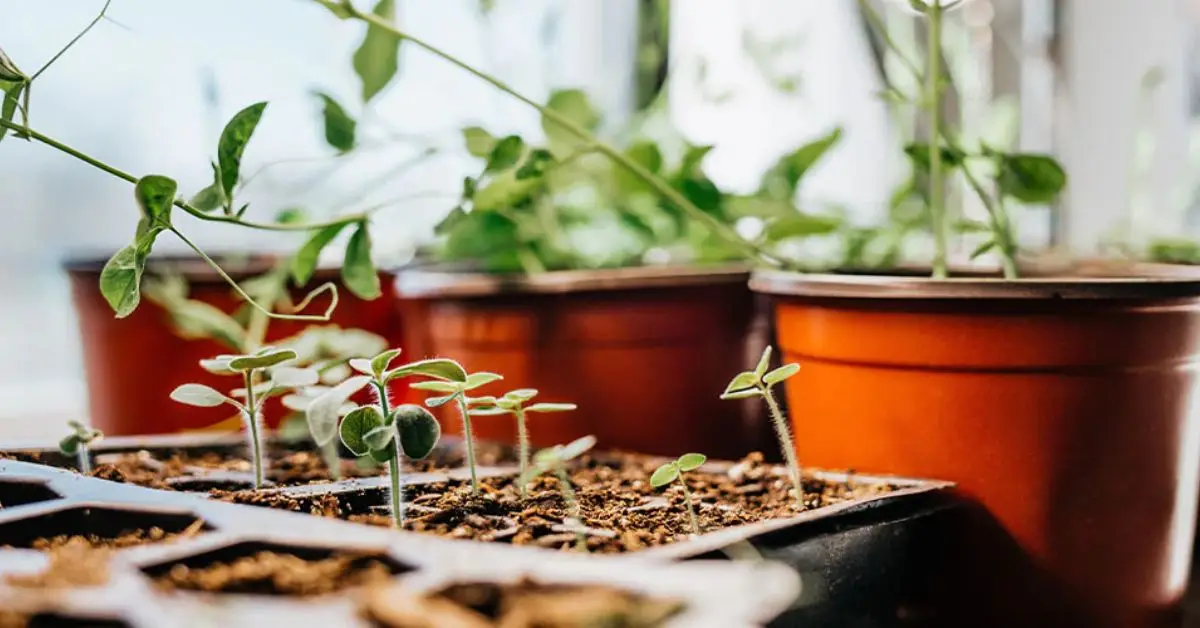
The key to fall gardening success is timing. Every crop has a window, and if you plant too late, frost can wipe it out before you get a harvest. That’s why knowing your first frost date and growing zone is non-negotiable.
The best place to check your zone is the USDA Plant Hardiness Zone Map. Once you know it, you can count backward from your average first frost to figure out when to plant each vegetable.
For example:
- Northern states (zones 3–5): Start fall crops in late July to early August because frost comes sooner.
- Midwest and Northeast (zones 5–7): Early to mid-August is your sweet spot.
- Southern states (zones 8–10): You can often plant well into September and still enjoy a fall harvest.
Think of it like this: frost isn’t your enemy, but your deadline. If you give your plants enough time to mature before that date, you’ll enjoy fresh produce when everyone else is shutting down their gardens.
If you’re new to timing your crops, starting seeds indoors can give you a big head start before the frost hits. Make sure you avoid the usual pitfalls with this guide on how to start seeds indoors.
Fast-Growing Fall Vegetables (Ready in 30–60 Days)
If you’re just starting with fall gardening, the best way to build confidence is by planting crops that reward you quickly. Nothing motivates more than pulling fresh food from the soil in just a few weeks. That’s why radishes, lettuce, spinach, and arugula are your “quick wins.”
Here’s why they work so well:
- Radishes can be ready in as little as 25 days—perfect if you want a near-instant harvest.
- Lettuce grows tender and crisp in cooler temperatures, and you can harvest baby leaves within three weeks.
- Spinach thrives in the short days of fall and often keeps producing until frost.
- Arugula matures fast and adds a peppery kick to salads; it’s also very forgiving if you miss a watering.
These crops are perfect for beginners because they don’t require special care, and even a small garden bed or a few containers will give you fresh greens in record time.
Cool-Weather Staples (60–90 Days to Maturity)
Once you’ve tasted success with quick growers, step up to fall’s classic staples. Broccoli, carrots, cabbage, and kale take longer, but they reward patience with richer flavors and bigger yields.
The magic lies in how cooler nights affect taste. Did you know that when temperatures dip, vegetables like carrots and kale convert starches into sugars? That’s why fall-harvested carrots taste sweeter than the ones you pull in June.
- Broccoli forms tighter, denser heads in cool weather.
- Carrots grow sweeter as nights cool down.
- Cabbage holds its crisp texture and can even tolerate light frosts.
- Kale becomes more tender and flavorful after the first frost.
Intermediate gardeners love these crops because they reward patience, and they’re less likely to bolt compared to spring plantings. Root crops aren’t limited to carrots—potatoes are another rewarding choice. With the right approach, you can easily try growing potatoes at home alongside your fall vegetables.
Long-Season Fall Crops (Plant Early for Winter Harvests)
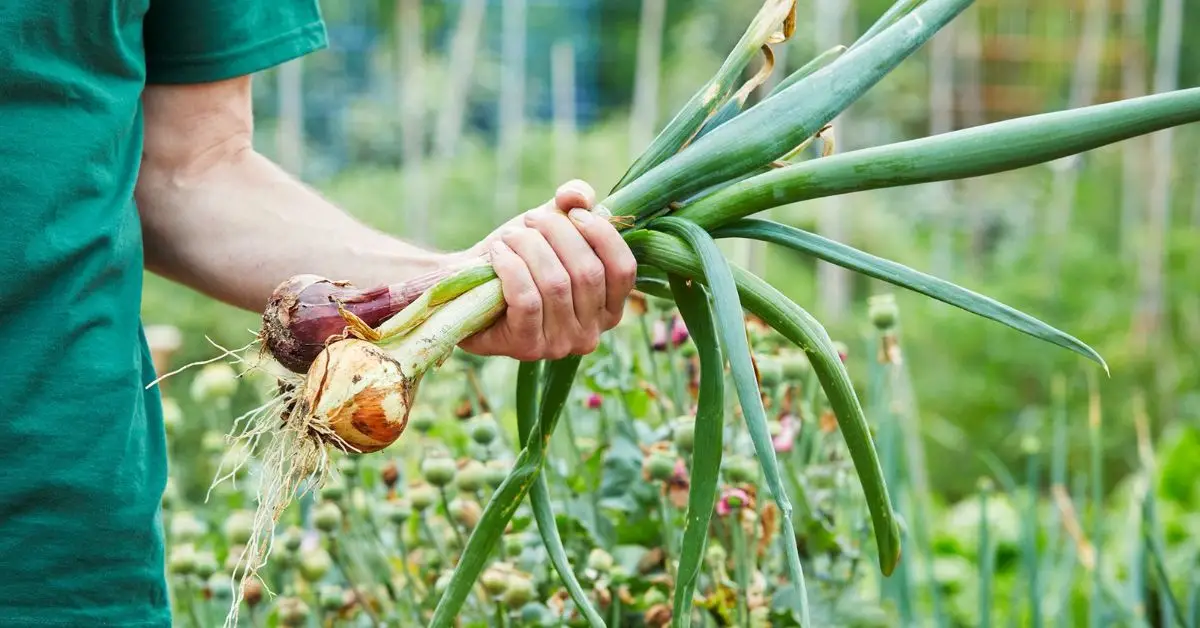
If you’re willing to plan ahead, long-season crops like garlic, Brussels sprouts, and onions can take your fall garden to the next level. These aren’t “instant wins,” but they set you up for steady harvests deep into winter and even the following spring.
To make them thrive:
- Garlic is best planted in fall and harvested the next summer; it uses the cold months to establish roots.
- Brussels sprouts need a long growing season but actually taste better after frost.
- Onions can be overwintered in milder climates, giving you early spring bulbs.
Pro tip: Use mulch to insulate soil and protect roots from sudden freezes. A thick layer of straw or shredded leaves keeps crops stable through unpredictable weather.
For a detailed, research-based guide on how garlic thrives when planted in fall, check out the University of Minnesota Extension.
Companion Planting Tricks for Fall Vegetables
One of the smartest ways to get more out of your fall garden isn’t about planting more—it’s about planting together. Companion planting helps you balance soil nutrients naturally and reduce the need for chemical pest control.
Some tried-and-true pairings for fall:
- Kale + Garlic: Garlic repels pests like cabbage worms, which often target kale. At the same time, garlic doesn’t compete heavily for the same nutrients.
- Carrots + Onions: Carrot flies dislike the smell of onions, and onions benefit from the loosened soil created by carrot roots.
- Spinach + Radishes: Radishes grow quickly and break up the soil, creating more space for spinach to thrive.
Think of companion planting as teamwork in the garden. You’re not just growing vegetables—you’re building small plant communities that support each other. This saves you time, protects your crops, and boosts harvests without extra effort.
And don’t forget, companion planting isn’t just about vegetables. You can also mix in colorful, functional plants—like edible flowers in small spaces—to attract pollinators and add beauty to your garden beds.
Common Mistakes First-Time Fall Gardeners Make

I’ve made every mistake in the book, and trust me—you don’t want to repeat them. Fall gardening looks simple, but small missteps can wipe out your season before it starts.
Here are the top pitfalls to avoid:
- Planting too late: Many beginners ignore their frost window and end up with seedlings that never mature. Always count backward from your average frost date.
- Skipping soil prep: After summer crops, soil is often depleted. Add compost or aged manure to recharge it before fall planting.
- Overwatering in cooler weather: Because evaporation slows down, watering too often can lead to soggy roots and fungal diseases.
If you keep these in mind, you’ll save yourself weeks of frustration.
For more science-backed tips on avoiding seasonal gardening mistakes, you can refer to the Old Farmer’s Almanac, which is one of the most trusted guides for gardeners planning around frost and soil cycles.
Quick Reference Chart: What to Plant & When
Sometimes the easiest way to plan is to see everything in one place. Here’s a simple chart you can use as a quick guide for your fall garden. Feel free to print it or save it for reference.
| Vegetable | Days to Maturity | Best Planting Time | Notes |
|---|---|---|---|
| Radishes | 25–30 days | Late August–September | Very fast grower; great for beginners |
| Lettuce | 30–45 days | Late August–September | Harvest baby leaves in 3 weeks |
| Spinach | 35–50 days | Late August–September | Tolerates light frost, sweeter taste |
| Arugula | 30–40 days | August–September | Peppery flavor, grows quickly |
| Carrots | 70–80 days | Early–Mid August | Cooler temps make them sweeter |
| Broccoli | 70–90 days | Early August | Needs steady cool temps for tight heads |
| Kale | 60–75 days | Early–Mid August | Gets more tender after frost |
| Garlic | 240+ days | October–November | Plant in fall, harvest the next summer |
| Brussels Sprouts | 90–120 days | Early July–August | Improves flavor after frost |
| Onions | 100–120 days | August–September | Can overwinter in mild climates |
This table gives you a clear planting roadmap so you don’t have to guess.
Final Takeaways: Planning Ahead for Next Season
Fall gardening isn’t just about squeezing in a few extra vegetables—it’s about setting the stage for healthier soil and stronger harvests in the future. By planting now, you give your garden a chance to rest, recharge, and roll into spring with a head start.
Start small this fall, and your spring harvest will thank you. Even one bed of spinach or a few rows of garlic can make a difference, both in your pantry and in how confident you feel as a gardener.
What about you—are you planning to keep your garden alive this fall, or do you usually pack it up after summer? Share your thoughts in the comments below—I’d love to hear your take.
For more practical guides, tips, and inspiration, visit Plant Care Dairy and keep your gardening journey thriving year-round.
Disclaimer: The gardening advice in this article is for general informational purposes only. Growing conditions vary by region, soil type, and climate. Always check your local frost dates and consult trusted extension services or gardening experts for region-specific guidance.