
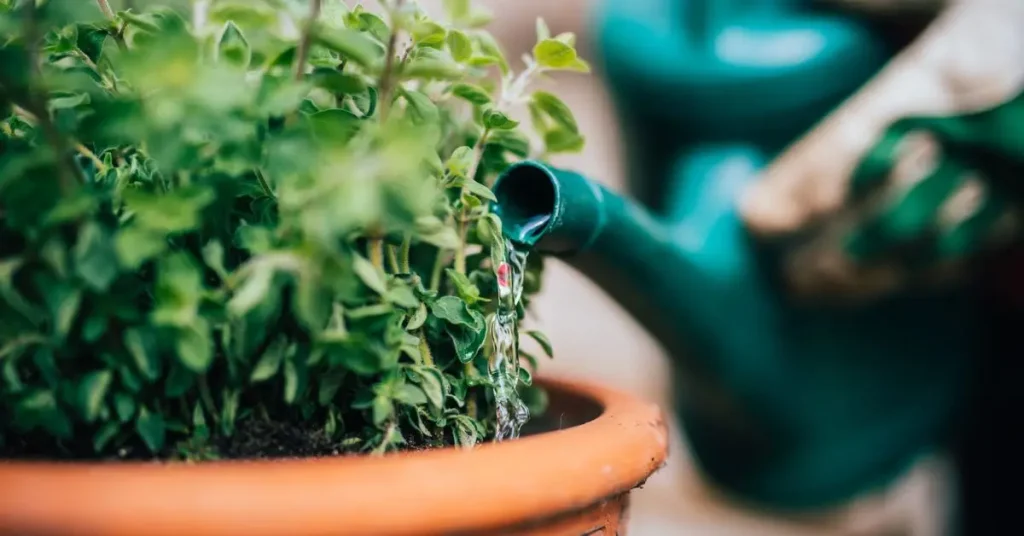
I used to think watering plants was the easiest part of gardening—just pour when the soil looked dry and move on. But after losing a fiddle leaf fig to root rot and watching my basil shrivel in the same month, I realized guesswork was my biggest mistake. The truth is, plants don’t just need water; they need it at the right time and in the right amount.
If you’ve ever found yourself wondering, “Am I drowning this plant or starving it?”, you’re not alone. Most guides online throw around quick fixes like “water twice a week,” but that advice ignores the real factors that actually decide how often your plant needs a drink—things like soil type, pot size, and the light in your room.
I want to walk you through a better way of thinking about it. Instead of memorizing rigid schedules, you’ll learn how to read your plants, understand their signals, and build a routine that works in your space. By the end, you won’t just hope you’re doing it right—you’ll know.
So tell me: have you ever lost a plant because you weren’t sure when to water it?
Why Watering Schedule Matters More Than You Think
When I first started keeping plants, I thought sunlight was the most important factor. But very quickly I realized that water is the true foundation of plant health. It fuels everything—growth, nutrient absorption, and even disease resistance. Without the right rhythm of watering, even the best soil and light can’t keep a plant alive.
Think about it: water carries minerals from the soil up through the roots, just like blood carries nutrients through your body. Every sip is essential for survival. But too much or too little and the balance breaks.
- Overwatering suffocates roots, cutting off oxygen and creating the perfect breeding ground for fungus and root rot.
- Underwatering dries the soil out completely, leading to wilting, crisp leaves, and plants that just stop growing.
Gardening experts at Gardena explain that watering isn’t about quantity alone but about timing and consistency—watering deeply, letting soil breathe, and avoiding constant sogginess are among their golden rules. That insight changed how I thought about watering—it’s not a chore, it’s a skill.
The Biggest Mistakes Gardeners Make with Watering
If you’ve ever killed a plant, don’t feel guilty. Most of us slip into the same patterns without realizing it. The good news? Once you spot these habits, they’re easy to fix.
- Watering on autopilot: I used to water every morning out of routine, not noticing the soil was still damp. That habit quickly drowned the roots.
- Skipping when life gets busy: A weekend trip or packed work schedule can leave plants gasping. Some bounce back, but many don’t.
- Trusting generic advice: “Water twice a week” sounds simple, but it ignores plant type, pot size, and light. A cactus in the sun doesn’t need the same care as a fern in the shade.
The truth is, you and I can’t rely on fixed numbers. The secret is learning to read the signs your plants are already showing you.
Factors That Shape Your Plant’s Watering Schedule
It’s tempting to believe watering is just about frequency, but plants don’t all play by the same rules. The right schedule depends on a mix of conditions around you.
- Plant type: Succulents and cacti store water and can go weeks without a drink, while tropicals like ferns or calatheas crave steady moisture. Vegetables often sit in between, preferring evenly damp soil.
- Soil type: Sandy soils drain fast, clay-heavy soils hang on too long. A well-balanced potting mix with perlite usually works best for most potted plants. Along with the right watering schedule, simple soil boosters like Epsom salts for plants can make a big difference, helping leaves stay greener and growth stay strong.
- Pot size & drainage: Smaller pots dry quickly, large containers hold water longer, and pots without drainage holes often lead to root rot.
- Indoor vs outdoor placement: Indoor plants are shielded from harsh sun and wind, so they stay moist longer. Outdoor plants, especially in containers, usually need closer checks.
- Climate & season: Hot summers accelerate evaporation, while dormant winters slow plants down—your watering routine should shift with the seasons.
As Better Homes & Gardens notes in its indoor plant guide, learning to observe your soil and conditions gives more reliable results than sticking to rigid “twice a week” rules. And while their focus is on houseplants, the same principle applies outdoors: context beats calendar.
The Universal Rule of Thumb for Any Plant
If remembering all those variables feels overwhelming, here’s a simple truth: always check before you water. Your soil will tell you everything you need to know.
- Finger test: Insert your finger 1–2 inches into the soil. If it feels dry, water. If it’s damp, hold off.
- Weight test: Lift the pot—dry soil feels light, moist soil feels heavy.
- Morning watering advantage: Early watering reduces evaporation and lets leaves dry before night, lowering the risk of fungal issues.
Pro Tip: When in doubt, lean toward underwatering. Plants recover from dryness far more easily than from soggy, suffocated roots.
How to Build a Personalized Watering Schedule
Most people give up on schedules because they sound vague—“water once a week” doesn’t mean much when your fern droops on day four. The truth is, you can build a routine that works in your home by following a few simple steps.
- Step 1: Observe daily for a week: Check the soil moisture every day for seven days. Notice how long it takes to go from wet to dry. This gives you a baseline for each plant.
- Step 2: Keep a simple log: Write it down in a notebook, or better yet, use an app like Planta or MyPlantIn to track watering intervals. Having it in front of you makes patterns clearer.
- Step 3: Adjust with the seasons: In summer, you’ll need to water more often because of heat and evaporation. In winter, when growth slows, your plants will drink less. Cut back accordingly.
- Step 4: Create reminders: Once you see the pattern, set calendar alerts or phone reminders. Consistency is what keeps plants thriving long-term.
Special Cases—When Plants Break the Rules
Not all plants follow the same playbook. Some need you to throw out the usual rules and treat them differently.
- Succulents & cacti: They prefer a deep soak once every few weeks. Let the soil dry completely between waterings.
- Orchids: They do best with a soak-and-drain method—immerse the pot, let it drink, then empty excess water.
- Seedlings & young plants: These are thirsty little things. Their shallow roots dry out faster, so they need more frequent light watering.
- Lawns & vegetable gardens: Outdoors, it’s less about frequency and more about depth. Water deeply so moisture reaches the roots, then let the topsoil dry a bit before the next round.
According to The Spruce, understanding exceptions is just as important as following the general rules—because the quickest way to lose a plant is to assume they all want the same care.
Signs Your Plant Is Begging for (or Against) Water
Even the most carefully planned schedule can fail if you ignore what your plants are trying to tell you. Plants communicate through their leaves, stems, and even the soil—if you know what to look for.
Signs of underwatering:
- Leaves start to droop and lose their firmness.
- Soil pulls away from the sides of the pot and feels dusty.
- Leaf tips turn brown and crispy, especially on fast-growing plants.
Signs of overwatering:
- Leaves yellow and drop, even though the soil looks wet.
- Roots turn mushy or black when you check beneath the surface.
- Fungus gnats appear, feeding on the constantly damp soil. Overwatered soil often attracts pests like fungus gnats, and if you’re dealing with leaf damage, you’ll want to learn how to get rid of spider mites without chemicals before they spread across your collection.
Tools & Tricks to Make Watering Effortless
Watering shouldn’t feel like a stressful guessing game. With a few smart tools, you can take the pressure off and make your routine almost automatic.
- Self-watering pots: Perfect for busy schedules. They hold extra water in a reservoir and release it slowly, so plants never dry out completely.
- Moisture meters: A quick probe into the soil tells you whether it’s actually dry beneath the surface, saving you from overwatering.
- Smart apps: Tools like Planta or MyPlantIn send reminders and help track patterns, so you don’t have to rely on memory alone.
- DIY hacks: A wine bottle drip system or a pebble tray under pots can provide steady moisture without daily attention. If root rot or pests do sneak in, treatments like using hydrogen peroxide on plants can rescue them and keep your watering routine from becoming a setback.
These tricks don’t just save time—they also give you peace of mind, knowing your plants are getting exactly what they need.
Weekly Watering Schedule Template

Treehugger
Here’s a simple starting framework you can adjust based on your space and plant type:
- Indoor tropical plants: Check soil every 3–4 days. Typically, water once a week in summer; every 10–12 days in winter when growth slows.
- Succulents & cacti: Give them a deep soak every 2–3 weeks in summer. Cut back to once a month during winter dormancy.
- Outdoor vegetable gardens: Water deeply 2–3 times per week in hot weather. In cooler seasons, once a week is usually enough.
Note: These are not fixed rules. Your climate, soil, and pot size will shift the timing. Always use the signs your plant shows you as the final guide.
Building Consistency—The Habit That Saves Plants
Even with all the right knowledge, forgetting to water is what kills most plants. The real trick is making it a habit.
- Tie it to a routine: Water your plants right after breakfast or while you’re making coffee.
- Set reminders: Use phone alarms or calendar alerts when life gets busy.
- Remember the reward: Consistency means lush greenery, cleaner air, and the quiet pride of seeing your plants thrive.
Consistency doesn’t just save plants—it builds your confidence as a grower.
From Guesswork to Green Success
Watering isn’t about memorizing numbers; it’s about paying attention. Once you start observing, adjusting, and building habits, you’ll see your plants respond with stronger growth and healthier leaves.
So let me ask you—what’s one watering hack or mistake you’ve learned from? Share it in the comments, and let’s swap tips. For more simple, no-nonsense guides that actually work, visit Plant Care Dairy and turn your garden into a place that thrives.
Disclaimer: The watering tips and schedules shared here are general guidelines. Every plant’s needs vary based on soil, pot size, light, and climate. Always observe your plants and adjust accordingly.