
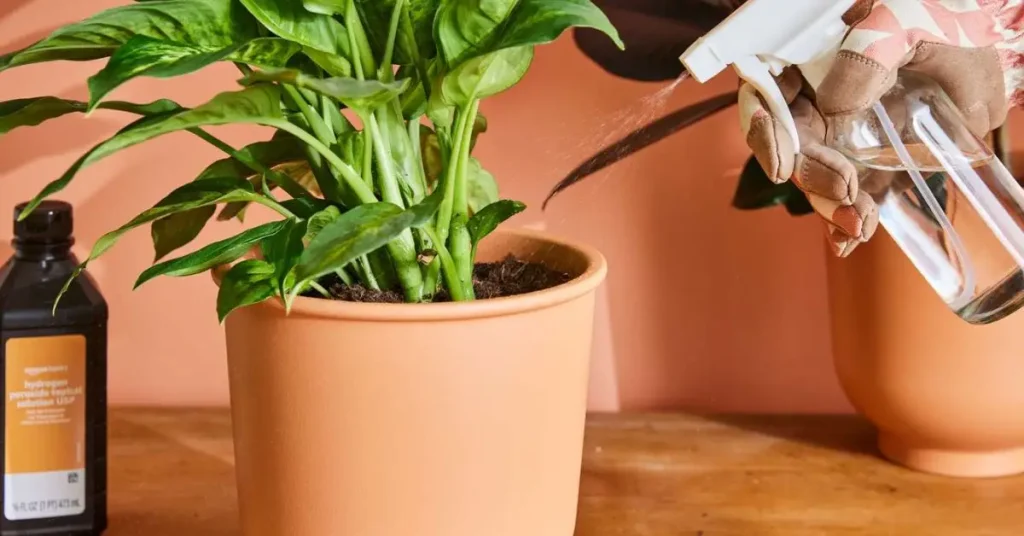
Every gardener I know has that one “miracle tip” they swear by. For me, it was hydrogen peroxide. The first time someone told me you could pour it into soil and watch fungus gnats vanish, I laughed it off. How could the same bottle I used on cuts actually help my plants? But curiosity got the better of me, and I tried it on a drooping pothos that looked close to giving up.
To my surprise, the soil fizzed, the gnats disappeared within days, and the roots started showing signs of recovery. That’s when I realized this wasn’t just a random hack—it had real science behind it. Still, the more I experimented, the more I saw the catch: hydrogen peroxide isn’t a cure-all, and used the wrong way, it can do more harm than good.
If you’ve ever wondered whether this clear liquid can actually keep your garden pest-free, you’re not alone. In this guide, I’ll walk you through what works, what doesn’t, and how to use hydrogen peroxide smartly so you don’t end up damaging the very plants you’re trying to save.
Have you ever tried hydrogen peroxide on your plants, or do you stick to traditional pest control?
Why Gardeners Are Turning to Hydrogen Peroxide?
I don’t know a single plant lover who hasn’t fought the same battles—fungus gnats buzzing around the soil, roots turning mushy from rot, or a layer of mold creeping across the potting mix. These problems are enough to make you question whether you’re doing anything right. I’ve been there, frustrated and ready to toss a plant in the bin, until I discovered something sitting quietly in my bathroom cabinet: hydrogen peroxide.
At its core, hydrogen peroxide (H₂O₂) is just water with an extra oxygen molecule. That tiny difference is what makes it so powerful. When it breaks down, it releases oxygen into the soil, giving suffocated roots a second chance. At the same time, its bubbling action works like a mild disinfectant—knocking back pests, mold, and even some soil-borne diseases.

So why are more and more gardeners reaching for it? Because it’s simple, affordable, and when used correctly, it can tackle multiple problems at once:
- Kills fungus gnat larvae before they take over your houseplants.
- Stops root rot by adding oxygen where plants need it most.
- Sanitises seeds before planting, giving them a healthier start.
- Controls mold and algae that thrive in damp soil conditions.
For beginners, this feels like magic—but the trick is knowing when it helps and when it doesn’t.
Quick Answer – Yes, It Works (But With Limits)
If you’re here for the short version, here it is: hydrogen peroxide can be a lifesaver in the right situations, but it’s not a universal fix. Think of it as a tool in your gardening toolbox, not the only solution.
It works best for:
- Fungus gnats in houseplants
- Early stages of root rot
- Seed sterilisation before planting
- Minor mold or algae issues on soil
It won’t help much with:
- Nutrient deficiencies (yellowing leaves, weak growth)
- Major pest infestations (spider mites, aphids, mealybugs)
- Long-term soil health if overused
According to Gardening Know How, the key is dilution and moderation. A mild solution can knock back pests and oxygenate soil safely, but pouring it on straight from the bottle can harm your plants more than help them.
So yes, hydrogen peroxide works—but only if you treat it as a helper, not a miracle cure.
Have you ever tried using hydrogen peroxide for gnats or root rot, and did it actually work for you?
Common Advice You See Everywhere and What’s Missing
If you type “how to use hydrogen peroxide on plants” into Google, you’ll notice the same three tips repeated almost word for word: use it for pest control, root rot treatment, and seed sterilization. For example, overwatering is often the root cause of various plant diseases, such as root rot, which can confuse even seasoned gardeners. To learn more about watering mistakes and how to avoid them, check out Are You Watering Your Plants Wrong? Common Mistakes to Avoid. And while that advice isn’t wrong, it barely scratches the surface of what you actually need to know to use hydrogen peroxide safely.
Here’s what almost no one explains clearly:
- Dilution mistakes are the number one reason plants get damaged. Even a 3% store-bought solution can burn leaves if applied undiluted.
- Long-term soil health matters. Overuse can kill not just pests but also beneficial microbes that keep your plants thriving.
- Safe frequency of use is often ignored. A one-time drench may help roots recover, but repeated weekly use can backfire.
- Impact on pollinators is rarely mentioned. Spraying blooms with hydrogen peroxide can harm bees and butterflies that land on them.
Step-by-Step Guide – Mixing and Applying Safely

How to Dilute Hydrogen Peroxide for Plants
The good news is, you don’t need complicated equipment to get the ratios right. All you need is a basic 3% hydrogen peroxide bottle from the pharmacy and clean water. Here are the most common dilutions that actually work:
- Seed soak: 1 teaspoon of hydrogen peroxide per 1 cup of water. Let seeds soak for 10–15 minutes, then rinse.
- Soil drench (for root rot or fungus gnats): Mix 1 part hydrogen peroxide with 4 parts water. Pour directly into the soil, making sure it soaks down to the roots.
- General cleaning solution (pots and tools): 1:1 mix of hydrogen peroxide and water.
The fizz you see is oxygen being released—it’s safe when diluted, but if the soil keeps bubbling minutes later, you’ve gone too strong.
Application Methods
Once you’ve got the dilution right, how you apply it makes all the difference:
- Foliar spray for pests: Mist diluted solution on leaves, but avoid flowering plants where pollinators feed.
- Soil drench for root rot: Slowly pour into the pot so it penetrates deep around the roots.
- Seed soak for sterilization: Use before planting to prevent fungal problems from the start.
According to The Spruce, these basic dilutions can safely treat common issues without damaging your plants. The key is not to overdo it—think of hydrogen peroxide as a short-term treatment, not a daily routine.
Risks, Myths, and Red Flags
Overuse Leads to Leaf Burn & Soil Microbe Kill-Off
One of the biggest mistakes I see is treating hydrogen peroxide like a daily tonic. It’s not. Overuse can scorch delicate leaves and strip the soil of the very microbes that help your plants grow stronger. A single soil drench might rescue roots from rot, but if you keep repeating it every week, you’re slowly sterilising the soil. Healthy plants need living soil, not just pest-free dirt.
Myths to Stop Believing
There’s also plenty of misinformation floating around. Let’s clear a few up:
- “It’s a fertiliser.” Wrong. Hydrogen peroxide adds oxygen, not nutrients. If your plants are yellowing or weak, you need balanced fertiliser, not peroxide.
- “It kills all pests.” Also false. It’s effective against soft-bodied pests like fungus gnat larvae, but it won’t take down spider mites or mealybugs.
- “More is better.” The stronger the dose, the more damage you risk. Dilution is everything.
For more on plant health, including how to avoid sunburn or stress caused by environmental factors, make sure to read How to Save Your Plants from Sunburn: 5 Easy Fixes Every Gardener Should Know.
When Not to Use It
There are moments when hydrogen peroxide does more harm than good:
- On harvest day for edibles. You don’t want residues or potential taste changes in your food.
- On pollinator-heavy blooms. Bees and butterflies can be harmed if you spray flowers directly.
- As a long-term routine. It should always be a targeted, short-term fix, not a standing habit.
Even experts caution against treating hydrogen peroxide like a cure-all. As noted in Empress of Dirt, the evidence for its benefits is mixed, and gardeners should use it carefully and sparingly. The key is understanding it’s a situational remedy, not a miracle solution.
Alternatives and Integrated Pest Management
Hydrogen peroxide has its place, but it’s only one piece of the puzzle. For a truly pest-free and healthy garden, you need a broader plan. For example, if you’re dealing with garden pests, there’s a lot you can do without chemicals. To get rid of garden ants, which can sometimes be a nuisance around your plants, check out How to Get Rid of Garden Ants Without Harmful Chemicals. Some reliable alternatives include:

Garden Benches
- Neem oil: Works against a wider range of pests and is safe for most plants when diluted properly.
- Beneficial insects: Ladybugs, lacewings, and predatory mites naturally reduce harmful insect populations.
- Proper watering practices: Overwatering is often the root cause of fungus gnats and root rot—fixing this habit prevents recurring issues.
So where does hydrogen peroxide fit? Think of it as an emergency tool. Use it to stop a gnat outbreak or rescue a plant from root rot, but don’t rely on it as your main strategy. A balanced integrated pest management (IPM) approach combines prevention, natural controls, and targeted treatments—keeping your garden resilient without creating new problems.
Tools and Products to Make It Easier
You don’t need a lab setup to use hydrogen peroxide in your garden—just a few simple tools. Some gardeners prefer ready-to-use garden sprays you can buy off the shelf, while others (like me) stick to DIY dilution, which is cheaper and lets you control the strength.
Here are a few tools that make the process smoother:
- Spray bottles: Perfect for mixing and misting leaves without over-soaking.
- Droppers or measuring spoons: Help you get dilution ratios right—no more guessing.
- Soil moisture meters: A handy way to check if your plant is really struggling from rot or just needs better watering habits.
These aren’t expensive investments, but they save you from costly mistakes. A five-dollar spray bottle can be the difference between a thriving plant and a leaf-burn disaster.
7-Day Garden Action Plan
If you’ve never tried hydrogen peroxide before, start with a short trial. Here’s a simple plan I’ve used myself:
- Day 1–2: Mix a diluted solution and test it on a small patch of soil or one leaf. Watch closely for signs of stress.
- Day 3–5: Apply the solution to the affected area—whether it’s soil for fungus gnats or leaves for mild mold.
- Day 6–7: Step back and observe. Are pests fading? Are leaves looking healthier? Take notes so you don’t repeat mistakes.
This week-long approach prevents overuse and teaches you how your specific plant responds before you scale up.
Key Takeaways – What Matters Most
- Hydrogen peroxide is a tool, not a cure-all.
- It works best for fungus gnats, early root rot, and seed sterilisation.
- It’s only safe when diluted and used sparingly.
Treat hydrogen peroxide like a first-aid kit for your plants—helpful in emergencies, but not something you rely on every day. If you use it with care, you’ll find it’s one of the simplest ways to give struggling plants a second chance.
Have you tried hydrogen peroxide in your garden, or do you stick to other natural remedies? Share your experience in the comments—I’d love to hear what worked (or didn’t) for you.
For more in-depth plant care tips and guides, visit us anytime at Plant Care Dairy.
Disclaimer: Always test hydrogen peroxide on a small area of your plants before applying it broadly. Use it sparingly and ensure proper dilution to avoid damaging your plants. This guide is for informational purposes only and does not substitute for professional gardening advice.