

Every gardener I know has heard the same line: “Plant marigolds and the bugs will disappear.” I believed it too when I first started out. The bright orange and yellow blooms looked like a natural shield around my vegetables, almost too good to be questioned. But after a few seasons, I started noticing something odd—yes, some whiteflies and nematodes backed off, but aphids still swarmed, and slugs seemed to ignore the flowers completely.
That’s when I dug deeper. Do marigolds really keep bugs away, or is it just one of those gardening myths that gets repeated without proof? The truth sits somewhere in between. There’s real science behind certain marigold compounds, but it doesn’t mean they’re a magic bullet for every pest in your yard.
In this guide, I’ll break down what marigolds can and can’t do, where the belief comes from, and how you can use them smartly in your garden without relying on hype. By the end, you’ll know whether planting marigolds is worth your effort—or if you should mix in other strategies to actually keep your plants safe.
Have you ever tried planting marigolds around your crops? Did it work for you—or not at all?
What Are Marigolds? Types, Compounds & Why They’re Believed to Repel Bugs
When I first started gardening, I thought marigolds were just colourful border plants. Later I learned they’ve been planted for centuries because people believe they can keep pests away. The catch? Not all marigolds are the same, and that’s where most of the confusion comes from.
Key Species You’ll See in Gardens
- French marigolds (Tagetes patula): Compact and bushy, often placed around vegetable beds.
- African marigolds (Tagetes erecta): Taller plants with a stronger scent, often grown as ornamentals.
- Mexican marigolds (Tagetes minuta): Known for their sharp aroma and sometimes used in homemade insect sprays.
- Signet marigolds: Smaller blooms, edible petals, more for looks and flavour than pest control.
The variety you pick matters. If you’ve tried one type and saw no results, it doesn’t mean marigolds as a whole don’t work—it might just be the wrong species for the job.
What’s Inside That Might Repel Pests
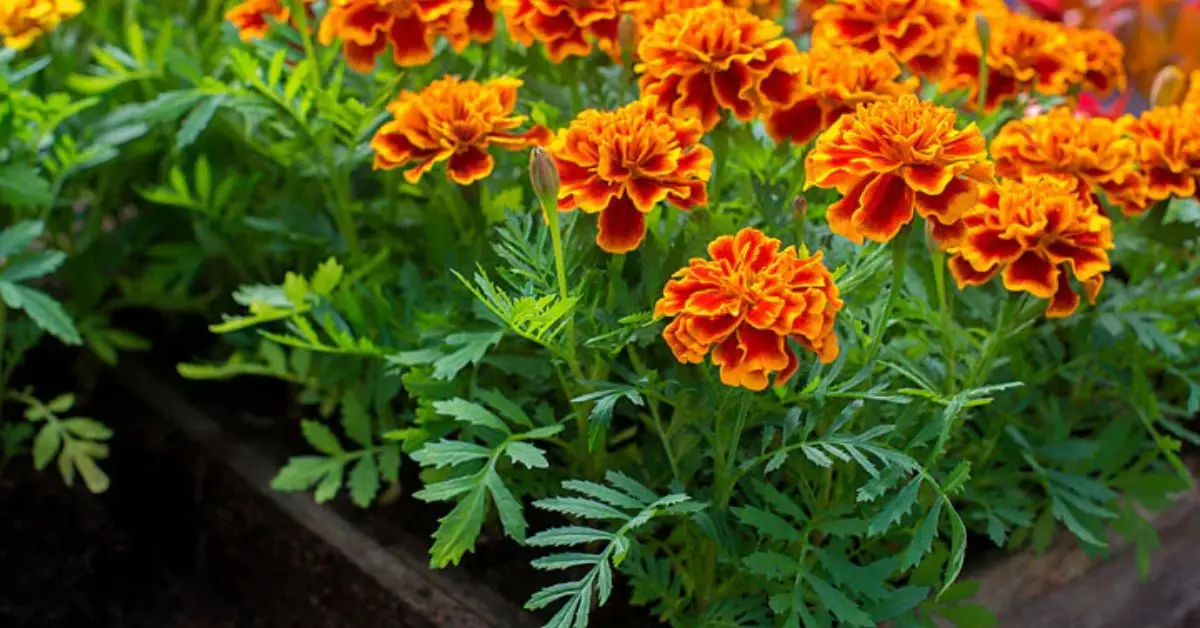
Marigolds release natural compounds that give them their reputation:
- Limonene: A citrus-like chemical that can confuse certain insects.
- Alpha-terthienyl: Found in roots, shown to affect nematodes in soil.
- Volatile oils: Responsible for the strong smell, which may mask crops from pests.
- Root exudates: Substances leaking underground that can disrupt soil-dwelling pests.
But here’s the thing: the amounts in a normal garden bed are usually small. That’s why researchers in labs see stronger results than you or I might at home.
Traditional & Cultural Beliefs
Marigolds aren’t just science—they’re tradition too. In India, they’re strung on doorways to “ward off” insects and negativity. In Mexico, Tagetes minuta is brewed into sprays. In Europe, old companion planting guides recommend them beside beans and tomatoes. These cultural roots explain why the belief in marigolds is so strong, even when the science isn’t always clear.
What My Research & Experiments Say — Evidence For & Against
I’ve dug into the studies, and the truth is mixed. Some results make marigolds look like little garden heroes, others show they don’t do much at all.
Studies Showing Repellent or Insecticidal Activity
- Soil nematodes: Certain Tagetes roots release compounds that can suppress harmful nematodes in lab tests.
- Whiteflies on tomatoes: In greenhouse trials, tomato plants surrounded by marigolds had fewer whiteflies, making them look like a useful companion plant.
These examples suggest marigolds can help—but usually in very specific situations.
Studies Showing Limited or No Effect
- Many experts argue the scent isn’t strong enough to protect an entire garden. As The Spruce points out, marigolds may bother some insects, but they’re far from a universal bug shield.
- Sometimes, marigolds even attract pests like aphids and cutworms, which can turn them into “trap plants” instead of protectors.
Which Pests Are Actually Affected
From what I’ve seen, the effect depends heavily on the pest type:
- More likely to be deterred:
- Whiteflies
- Soil nematodes
- Much less likely to be deterred:
- Slugs and snails
- Beetles
- Larger critters like rodents
So if you plant marigolds hoping they’ll guard your whole garden, you might be let down. But if you use them smartly—against the right pests, in the right setting—they can be a helpful part of your toolkit.
Have you tried using marigolds this way, or do you feel they’ve been overhyped in your garden?
Why Do Some Claims Overshoot Reality? Common Myths & Misunderstandings

I’ve noticed most of the hype around marigolds comes from people taking lab results or old traditions and assuming they’ll hold true in every backyard. That’s where the gap between belief and reality starts.
Lab Studies ≠ Garden Reality
In a lab, researchers can extract concentrated compounds from marigolds and test them directly on pests. That’s very different from you or me planting a few flowers along the edge of a bed. The controlled environment, higher concentration, and lack of outside variables make the results stronger than what we’ll see outside.
Overgeneralizing from Specific Pests to All Bugs
One of the biggest mistakes I see is gardeners saying, “Marigolds keep bugs away” without mentioning which bugs. They may work against nematodes or whiteflies, but they won’t stop beetles or rodents. By generalising, the advice becomes misleading, and that’s why some of us feel disappointed when pests still show up.
Repel vs. Confuse vs. Kill
There’s also confusion in language. Repelling means pushing pests away. Confusing means pests can’t locate the main crop easily. Reducing populations means pests are still there but in lower numbers. Killing is something else entirely. Marigolds usually fall into the confuse or reduce category — rarely do they “kill” pests outright.
Placement, Density & Timing Matter
Even if marigolds can help, how you use them matters:
- A single marigold won’t do much — you need clusters.
- Planting them around the crop works better than one row at a distance.
- Timing matters; the flowers need to be in bloom when pests are active.
That’s why some gardeners swear by them while others say they’re useless — it often comes down to how they were used.
Practical Tips — How to Use Marigolds If You Want Them to Work
If you want to test marigolds in your garden, the trick is not to expect miracles but to use them smartly.
Best Varieties, Planting Methods & Companion Planting
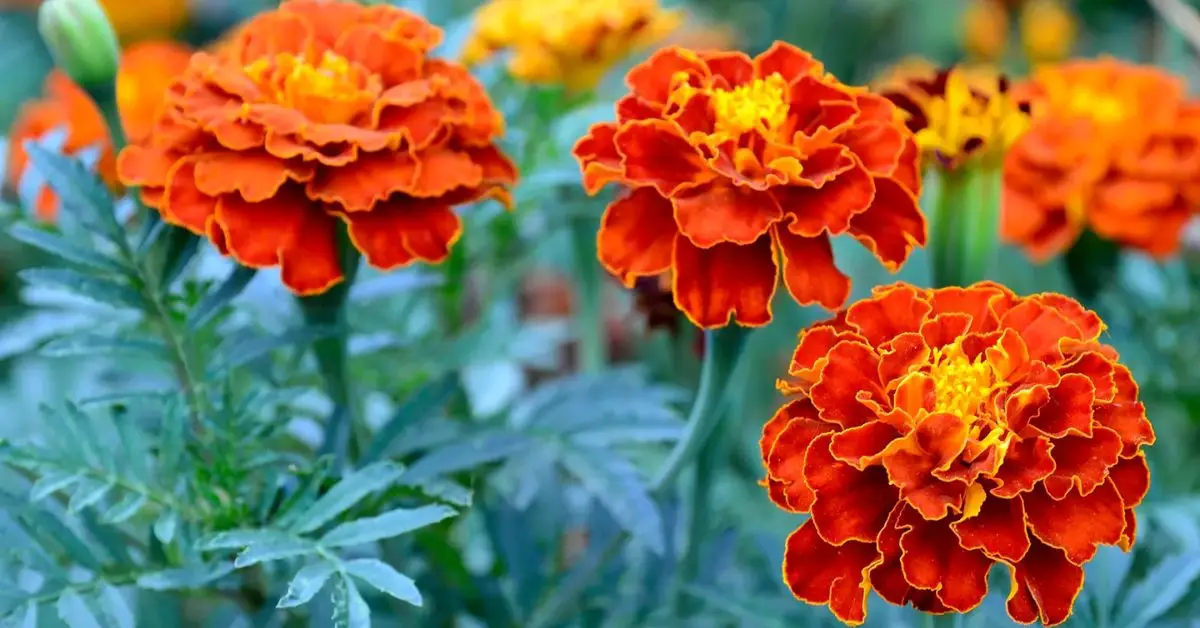
Britannica
- French marigolds are often recommended near tomatoes and beans.
- Mexican marigolds can be stronger for nematode control.
- Use them as borders or interplant them directly with vegetables for better results.
Think of them as “helpers,” not “protectors.”
Using Extracts, Sprays or Concentrated Forms
In some cases, gardeners brew marigold teas or sprays from leaves and flowers. These concentrated solutions can have a stronger short-term effect compared to just planting flowers.
Combination with Other Plants
Marigolds work best as part of a team. Herbs like basil, mint, or garlic have strong scents too, and combining them creates a more confusing environment for pests. This fits into what’s called integrated pest management, where you don’t rely on one trick but layer multiple natural defences.
Some gardeners also boost natural pest control by attracting ladybugs, which are known to feed on aphids. Here’s a guide on how to get ladybugs in your yard if you want to strengthen your organic defence system alongside marigolds.
Soil Conditions, Spacing & Bloom Timing
- Rich, well-drained soil helps marigolds thrive and release stronger scents. Healthy soil plays just as big a role in pest resistance as companion planting. Some gardeners even ask about using charcoal ash to improve soil health — if you’re curious, check out whether charcoal ash is beneficial for plants.
- Plant them close enough that the smell actually surrounds your crops.
- Make sure they’re blooming during peak pest season, otherwise they won’t add much benefit.
If you want to dive deeper, Gardening Know How has some practical guidance on which pests marigolds may influence and how gardeners can fit them into companion planting.
Marigolds won’t solve every pest problem, but used wisely, they can make your garden a little less inviting to the bugs that do the most damage.
What You Should Really Expect — Set Realistic Results
After digging into the research and comparing it with what gardeners actually see, it’s clear marigolds can help, but only in specific ways. If you expect them to be a complete pest-control system, you’ll be disappointed.
Scale of Effect: Garden Bed vs. Farm vs. Houseplants
The best results usually come in small garden beds where marigolds are planted directly around vegetables. On a large farm, the effect gets lost because pests can bypass them easily. For houseplants, their role is minimal unless you’re trying to reduce tiny soil pests like fungus gnats.
Type of Pests You Might Reduce, Not Eliminate
Marigolds don’t wipe pests out, but they can reduce certain populations. Whiteflies, aphids, and nematodes are the most common examples. Beetles, slugs, and rodents aren’t much bothered by them, so don’t count on marigolds as your only defence.
Time & Cost vs. Benefit
Marigold seeds are cheap and the flowers brighten up any garden, so the investment is low. But if you’re planting them solely to keep bugs away, the payoff may feel underwhelming. Their true value comes when you enjoy the blooms, attract pollinators, and also see a modest drop in pests.
Even with marigolds in place, your plants may still show signs of stress if they’re underfed. Knowing when your plants need fertilizer can often make a bigger difference than simply adding more companion plants.
Alternative Natural Pest Repellents To Consider
Relying only on marigolds is like expecting one tool to fix every problem in the shed. They’re helpful, but not enough on their own.
Other Plants More Reliable Than Marigolds

Some plants consistently show stronger pest-repelling qualities. Garlic, basil, catnip, and chrysanthemums are good examples. According to Modern Farmer, companion planting can reduce pest pressure on tomatoes, especially from whiteflies, when marigolds are used alongside other strong-scented plants.
Non-Plant Methods
- Sticky traps for flying insects
- Beneficial nematode treatments for soil health
- Insecticidal soaps for aphids and mites
- Physical barriers like copper tape for slugs and snails
These give more reliable, targeted control compared to relying on flowers alone.
Using Marigolds in Conjunction with Other Methods
The real trick is layering approaches. Use marigolds to add colour and mild protection, combine them with garlic or basil for stronger scent barriers, and back them up with traps or soaps. That way, your garden isn’t depending on a single plant to do all the work.
Summary: Do Marigolds Really Keep Bugs Away?
After looking at the evidence, the answer is more balanced than most gardening tips suggest.
What Science Confirms + What Myths Are Busted
- Marigolds do release compounds that can affect certain pests, especially nematodes in the soil and soft-bodied insects like whiteflies.
- They can play a helpful role in companion planting, especially around vegetables like tomatoes and beans.
- The myth that marigolds will repel all bugs is busted. Beetles, slugs, and rodents won’t care much about them, and in some cases, marigolds can even attract pests like aphids.
In a normal garden, marigolds won’t act as a full pest shield. Think of them as a supporting layer in your pest management strategy rather than the main defence. You might notice fewer whiteflies or healthier roots due to nematode suppression, but you’ll still need other measures for stronger or larger pests.
What about you? Have marigolds in your garden made a real difference, or do you think their pest-repelling power is overrated? Share your experience in the comments below.
For more practical gardening insights, guides, and research-backed tips, visit Plant Care Dairy — your trusted resource for smarter plant care.
Disclaimer: The information in this article is for general gardening knowledge and educational purposes only. Results can vary depending on climate, soil conditions, and pest species. For severe infestations, consult a local extension service or professional for tailored advice.