
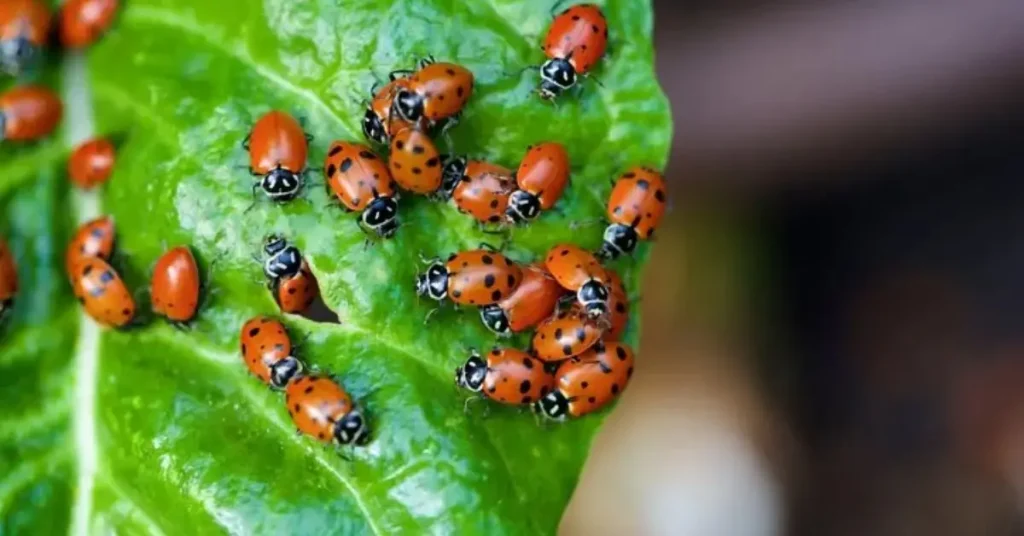
I’ll be honest with you—I didn’t always see ladybugs as anything more than tiny red dots crawling across a leaf. But the first time I watched them clear out a patch of aphids that had been choking my rose bush, it hit me: these little insects are quiet powerhouses. A single ladybug can eat dozens of pests in a day, and over its lifetime, thousands. If you’ve ever stood in your yard wondering how to control bugs without spraying chemicals everywhere, you’re not alone—I was there too. The good news is, you don’t need a shelf full of pesticides. You need the right plants, the right environment, and a bit of patience to make your yard a place ladybugs actually want to stay.
What about you—have you ever noticed a swarm of pests taking over your plants and wished there was a natural way to fight back?
Why Releasing Store-Bought Ladybugs Isn’t the Answer?
I get it—you spot aphids crawling all over your plants, and your first instinct is to grab a quick fix. The garden center sells a carton of ladybugs, and it sounds perfect: release them, and the problem vanishes overnight. But here’s the truth most people don’t hear: buying ladybugs rarely works the way you think it will.
For one, many of those store-bought beetles are collected straight from the wild. That practice not only disrupts their natural populations but can also spread diseases into your garden. And even if you release them gently, most won’t stick around. They’re wired to fly off in search of their own habitat. Within hours, many are gone, which is why experts at Real Simple note that store-bought ladybugs are usually “a waste of money since they’ll simply fly away.”
I’ve also seen countless gardeners on forums and Reddit say the same thing over and over:
- “Please don’t buy ladybugs. They just fly away, and it doesn’t solve your pest problem.”
- “You think you’re helping, but it actually harms the ecosystem.”
If you’ve been tempted to buy them, you’re not alone. But here’s what you really want: a way to make your yard naturally inviting, so ladybugs choose to stay, feed, and breed there on their own. That’s where the real magic happens.
Understanding What You Actually Want as a Gardener
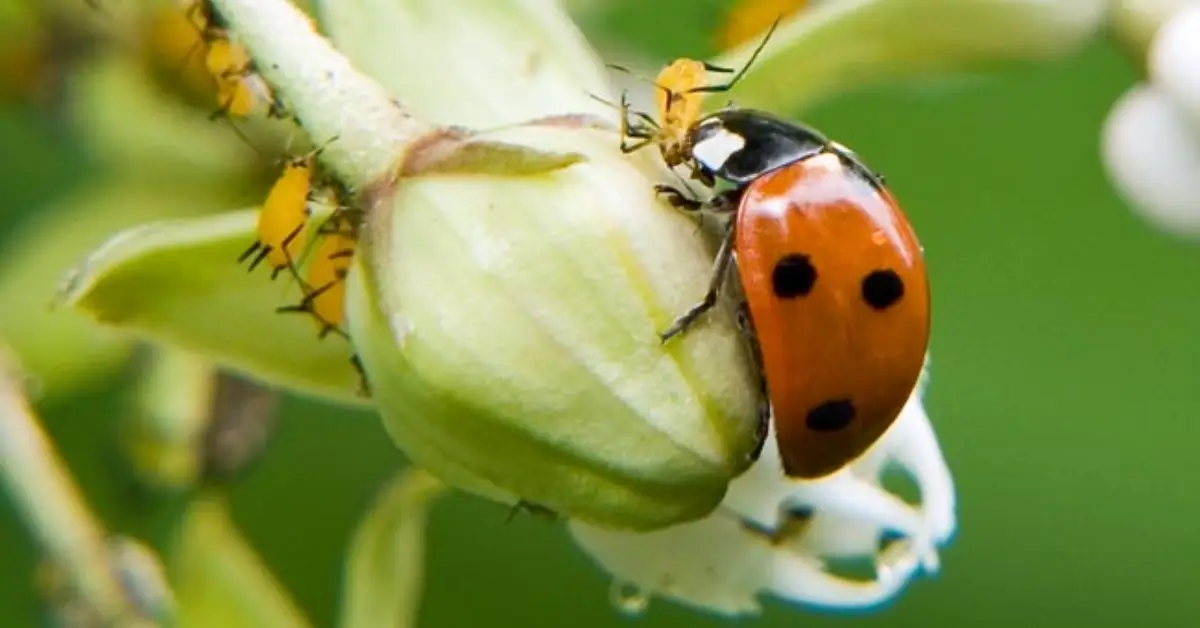
Let’s be honest—you don’t just want ladybugs. What you’re really looking for is a yard that takes care of itself, where you don’t have to spray chemicals every weekend or watch your hard work get eaten alive. And that means thinking beyond the quick fix.
When I talk to other gardeners, three things always come up:
- Natural pest control that doesn’t put pets, kids, or soil health at risk
- Simple steps that actually fit into a busy routine—no complicated science experiments
- Lasting results that make your garden stronger season after season
In the next section, I’ll break down exactly which plants, habitats, and small changes make the biggest difference—so you don’t waste money on quick fixes that never stick.
What about you—have you ever tried a shortcut for pest control, only to realize it didn’t really solve the problem?
Attract with the Right Plants
If you want ladybugs to feel at home in your yard, the fastest way is to give them what they love most—easy access to pollen and nectar. Think of it as rolling out a buffet that keeps them coming back. I’ve noticed that ladybugs prefer flat, open flowers in lighter shades like yellow and white, because they’re easier to land on and feed from. Plants like dill, fennel, parsley, calendula, and yarrow are all excellent choices that do double duty by attracting other beneficial insects too.
But don’t stop there. A diverse garden means a healthier garden, and the more variety you add, the more stable the ecosystem becomes. Gardeners often swear by these reliable picks:
- Alyssum and cosmos for quick blooms
- Cilantro and dill from the Apiaceae family (great for pollinators too)
- Marigolds, sunflowers, and nasturtiums for color and nectar
- Herbs like thyme and mint, which also give ladybugs shelter
Even scientific sources back this up—families like Apiaceae (think fennel, dill, cilantro) and Asteraceae (cosmos, yarrow, marigold) are proven “insectary plants” that naturally attract ladybugs and other allies to your garden.
If you’re planting this season, start by grouping a few of these together. It doesn’t take much—just a corner of alyssum and dill or a patch of marigolds can be enough to signal to ladybugs: “This is a safe place with food.”
Create Habitat—Water, Shelter & Seasonal Needs
Food brings ladybugs in, but habitat makes them stay. Imagine moving into a new place that had food but no water, no shelter, no protection—you wouldn’t stick around either. Ladybugs are the same.
- Water source: A simple shallow dish filled with gravel and water can be a lifesaver. It prevents drowning while giving them a steady drink.
- Winter shelter: Resist the urge to over-clean your yard. Leaf litter, hollow stems, and garden debris provide safe hibernation spots through colder months.
- Ladybug houses: You can even build your own with bamboo canes or a small straw-filled pot hung in a sunny spot about three feet high.
- Groundcovers: Herbs like oregano and thyme not only improve your cooking—they also provide cover where ladybugs can rest and hide from predators.
Once you set this up, your garden shifts from being a quick snack stop into a permanent home. That’s when ladybugs really begin to multiply and handle your pests for you.
Go Organic—Avoid Chemicals and Early Pest Cleanup

One of the fastest ways to chase ladybugs out of your garden is by using pesticides. Even the so-called “harmless” sprays don’t just kill pests—they wipe out the good insects too. If you want ladybugs to stick around, you need to go easy on the chemicals.
- Skip synthetic sprays: They’re just as dangerous to ladybugs as they are to aphids.
- Use organic options sparingly: Neem oil or insecticidal soap should only be used as a last resort, and never sprayed over the entire yard.
- Leave some pests behind: It might sound strange, but ladybugs need food. Planting a few “sacrificial” spots—like nasturtiums or roses at the edge of your garden—gives them a steady aphid supply without harming your main beds.
Another way to keep your soil thriving without harsh sprays is to reuse natural amendments—many gardeners even explore whether charcoal ash is beneficial for plants as a gentle boost to soil health.
Once you stop over-cleaning and over-spraying, your garden becomes a balanced system. Ladybugs won’t just visit—they’ll settle in because they have food, water, and shelter all in one place.
Seasonal Guide—When and How to Implement
Timing makes all the difference. Ladybugs respond not only to what you plant but also to when you prepare the garden.
- Evening is best: If you ever release ladybugs, do it at dusk when temperatures are cooler so they don’t immediately fly away.
- Fall preparation: Letting your garden stay a little untidy in autumn gives ladybugs leaves and stems to crawl into for winter.
- Spring cleanup: Wait until temperatures consistently stay above 50°F before removing debris—otherwise you risk disturbing ladybugs that are still hiding out.
This is also the time when plants need an extra nudge of nutrition to bounce back strong—so knowing when your plants need fertilizer can make a big difference in keeping your garden healthy alongside the ladybugs.
Most gardeners who follow this rhythm notice that ladybugs return year after year, turning a one-season fix into a long-term partnership. And if you want a clear seasonal checklist, guides like Better Homes & Gardens break it down in simple, practical steps.
Bonus—What Not to Do
It’s easy to get excited about attracting ladybugs, but a few common mistakes can undo all your hard work.
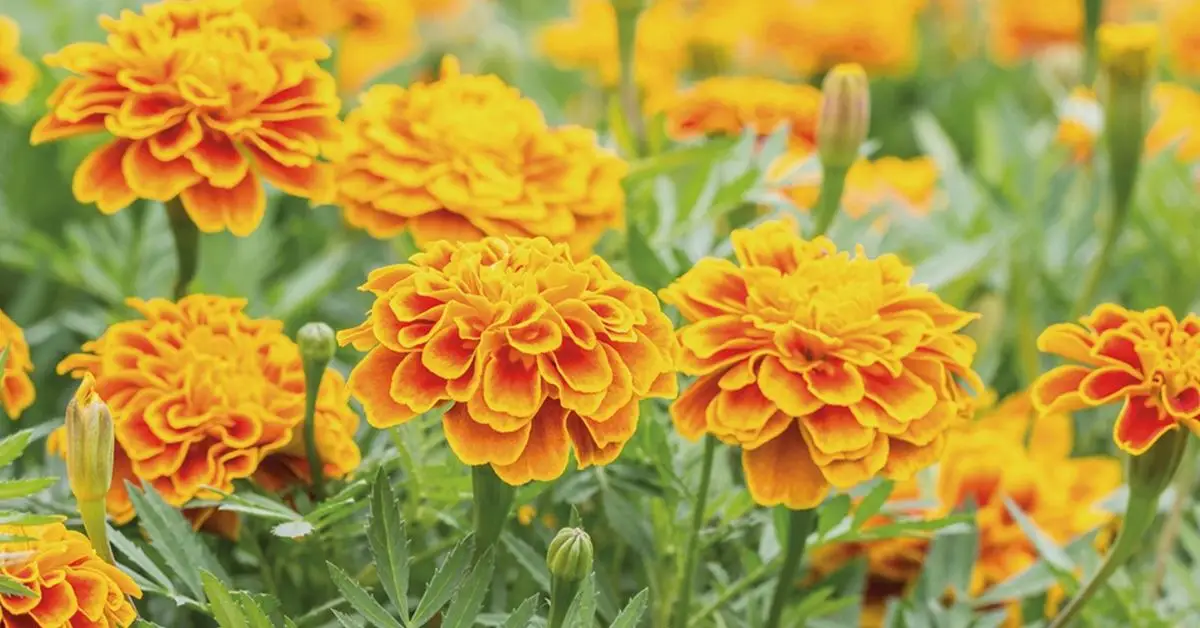
- Don’t depend on myths: Some people plant a single marigold hoping it will repel every pest, but research shows that marigolds alone won’t keep mosquitoes or aphids away.
- Don’t wipe out every insect: Ladybugs need aphids and other soft-bodied pests as food. If you over-clean or spray too much, you leave them with nothing to eat.
- Be careful with mint and lavender: These plants divide gardeners—some swear they attract ladybugs, others say they drive them off. Use them in moderation until you see how they work in your own yard.
And while you’re at it, don’t forget that weather extremes can be just as damaging—learning how to save plants from sunburn is a simple way to protect new growth during hot spells.
A Thriving Yard with Ladybugs—Your Organic Ally
Attracting ladybugs isn’t about a single trick—it’s about balance. When you mix the right plants, provide water and shelter, and avoid harsh chemicals, you turn your garden into a place where ladybugs want to live. The payoff is big: fewer pests, healthier plants, and a garden that feels alive.
Start small—add a cluster of insectary plants and a simple water station this weekend. Watch closely, and you’ll see how quickly nature responds when you give it the right conditions.
What about you—have you tried any tricks to bring ladybugs into your garden? Share your experiences in the comments below, I’d love to hear them. For more practical plant care tips and organic gardening guides, visit Plant Care Dairy and keep your garden thriving the natural way.
Disclaimer: The information in this article is for educational purposes only. Gardening results can vary depending on climate, soil, and local conditions. Always research what works best for your region before applying these tips.